


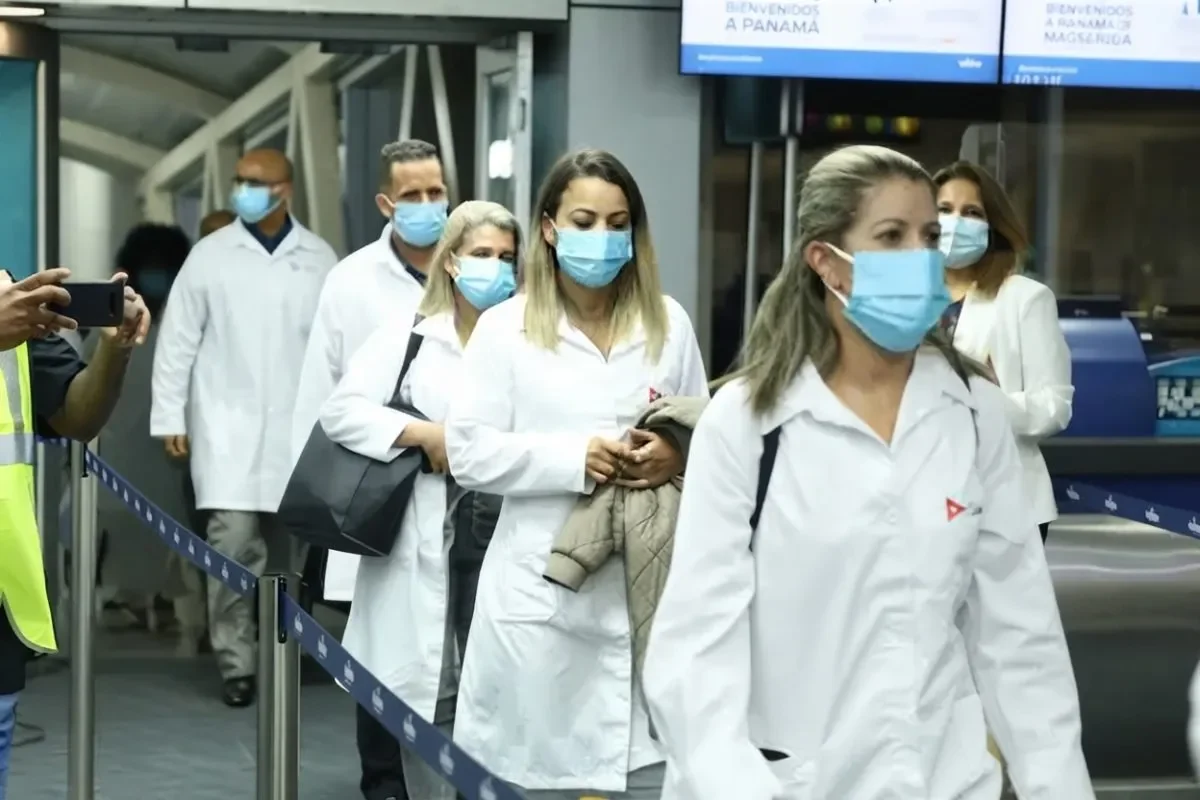
A private hospital investor has eight million dollars tied up in three operating rooms that cannot open, and President José Raúl Mulino says that stalled investment is just one symptom of the Panama doctor shortage now pushing his government toward foreign recruitment. Speaking on Tuesday, September 8, 2026, during an event to implement the country’s Internship Law, Mulino said Panama lacks enough doctors, nurses, and specialized technicians to meet growing demand, especially with a new public oncology facility set to open in October.
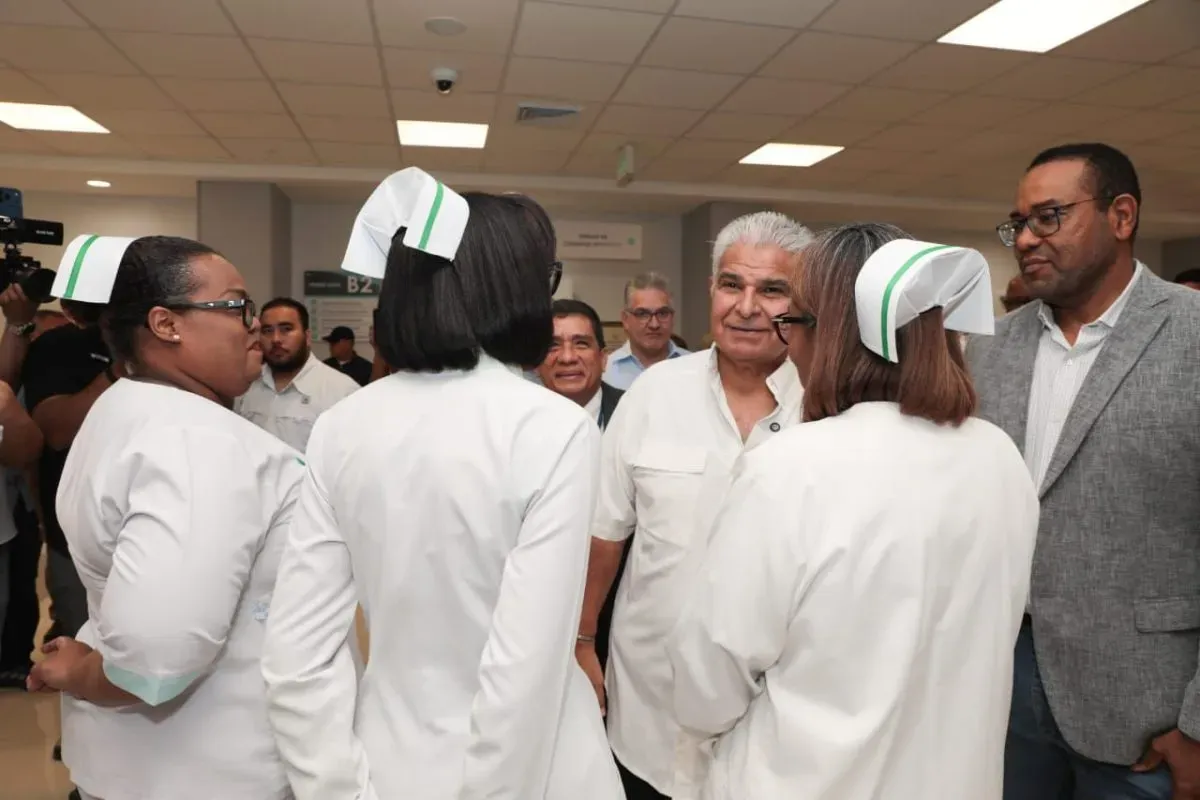
Panama Doctor Shortage Stalls Surgical Capacity Nationwide
Mulino described a recent conversation with a shareholder in one of Panama’s largest private hospitals, an investor who has already spent $8 million on three surgical suites but cannot put them to use.
“Yesterday I spoke with a businessman, an important shareholder in one of the country’s largest private hospitals, and he told me: I have eight million invested in three operating rooms that I cannot operate because I do not have doctors, nurses, or surgical technicians.” [Translated from Spanish]
The president said the investor has room to expand further but simply cannot find the professionals needed. That private-sector frustration mirrors gaps in the public system, where plans for advanced services are running ahead of the available workforce. Mulino said the shortage reaches beyond physicians and includes nurses and specialized technical staff.
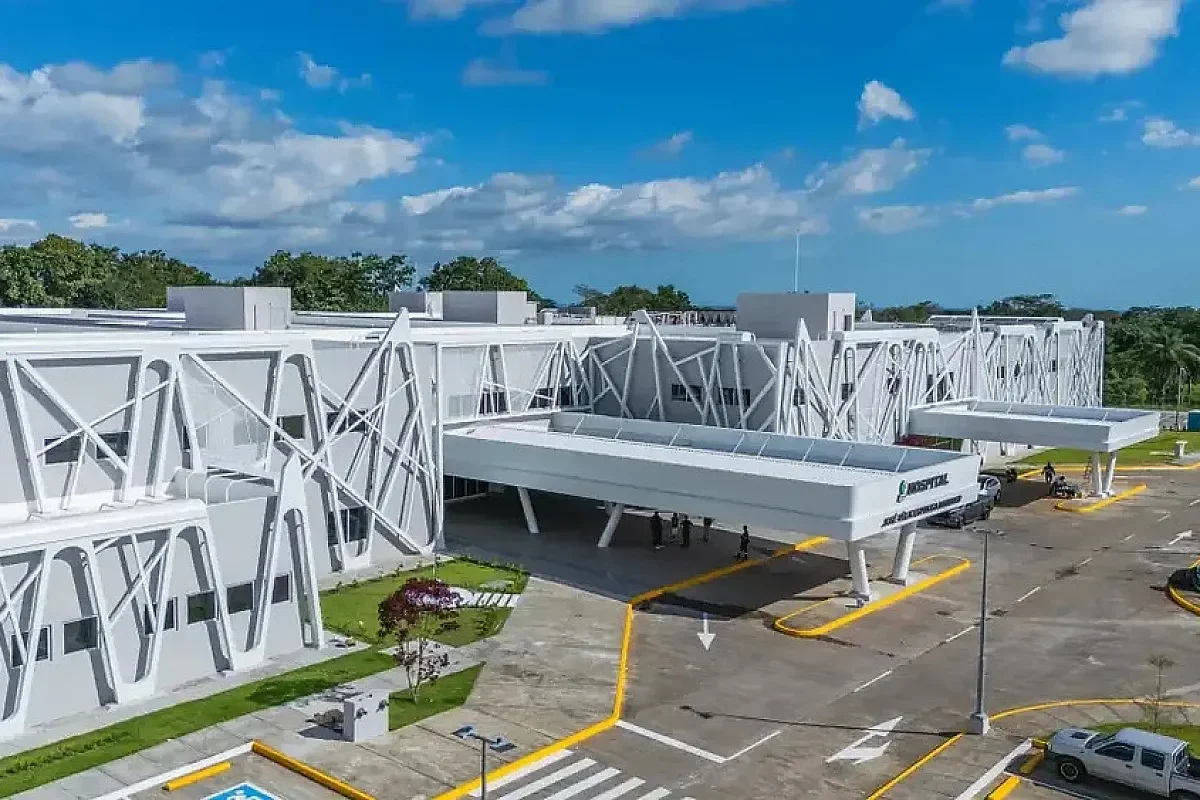
New Oncology Center in Chiriquí Highlights Specialized Gaps
The pressure is intensifying ahead of the scheduled October opening of the first public comprehensive oncology treatment center in Panama’s interior. The facility will operate on the grounds of Hospital José Félix Espinosa Barroso in Bugaba, Chiriquí.
“In October, the month of cancer, which generates high-impact citizen awareness, we are going to inaugurate the first comprehensive oncology treatment center in the interior in the history of our country.” [Translated from Spanish]
To make the center function, the government needs professionals trained in nuclear medicine and technicians who can handle specialized machinery. Mulino said those roles are hard to fill within Panama’s current labor pool, making the timing of the recruitment strategy critical.
Foreign Hires as a Bridge While Panama Trains Its Own
To address the Panama doctor shortage in the short term, Mulino said his government will soon create temporary job pathways for medical professionals recruited outside the country. He described the approach as a holding action while Panama expands training for its own workforce.
“It is a reality, for which it is vitally important to appeal, and soon I will do so, to be able, in some way, to create jobs for doctors that we can hire abroad to come meet the need for doctors, nurses, technicians in the country, while we manage to train our own.” [Translated from Spanish]
Part of that long-term strategy includes cooperation with Colombia to train Panamanian doctors. The president also cited a Colombian foundation that has helped send very young children with complex medical conditions abroad, plus support from Navarra, Spain, for cases that cannot be resolved locally.
“Very good all of them, but not specialized.” [Translated from Spanish]
Mulino used those words to describe Panamanian doctors, acknowledging their general preparation while pointing to the highly specialized areas where the country still lacks enough professionals.
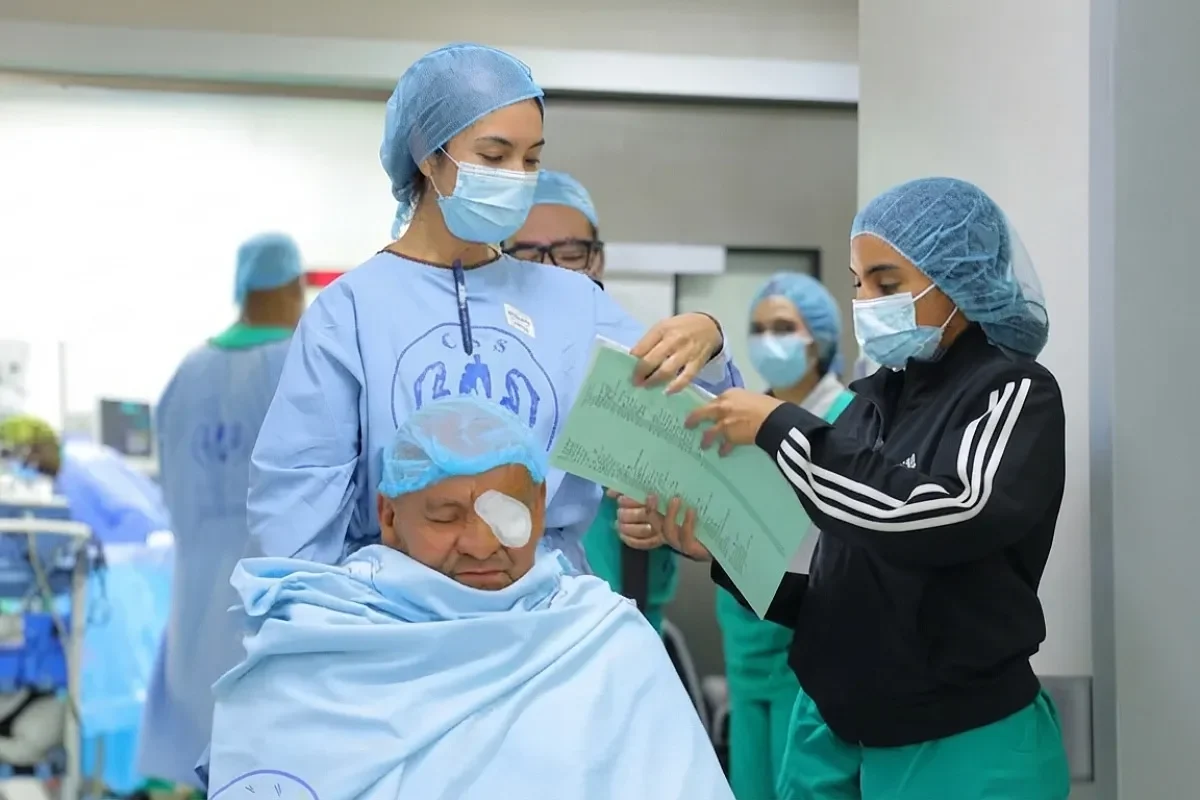
Public and Private Systems Face a Shared Workforce Problem
The Panama doctor shortage has exposed how quickly health infrastructure can outpace staffing. The new oncology center in Chiriquí will require immediate specialists in nuclear medicine, a field with limited professionals across Central America. At the same time, private investors are watching whether labor gaps can be resolved quickly enough to activate expensive hospital equipment.
Mulino’s proposal suggests that the government sees foreign hiring as the fastest route to unlock those services while training programs try to close the gap over time. If the mechanisms are approved, Panama could join other countries in the region that rely on temporary foreign health workers to fill highly technical roles. The success of the strategy will depend on how quickly credentials can be validated and how effectively domestic training expands.
The October oncology center opening may become the first major test of whether Panama can match ambitious health infrastructure with the specialized people required to run it.
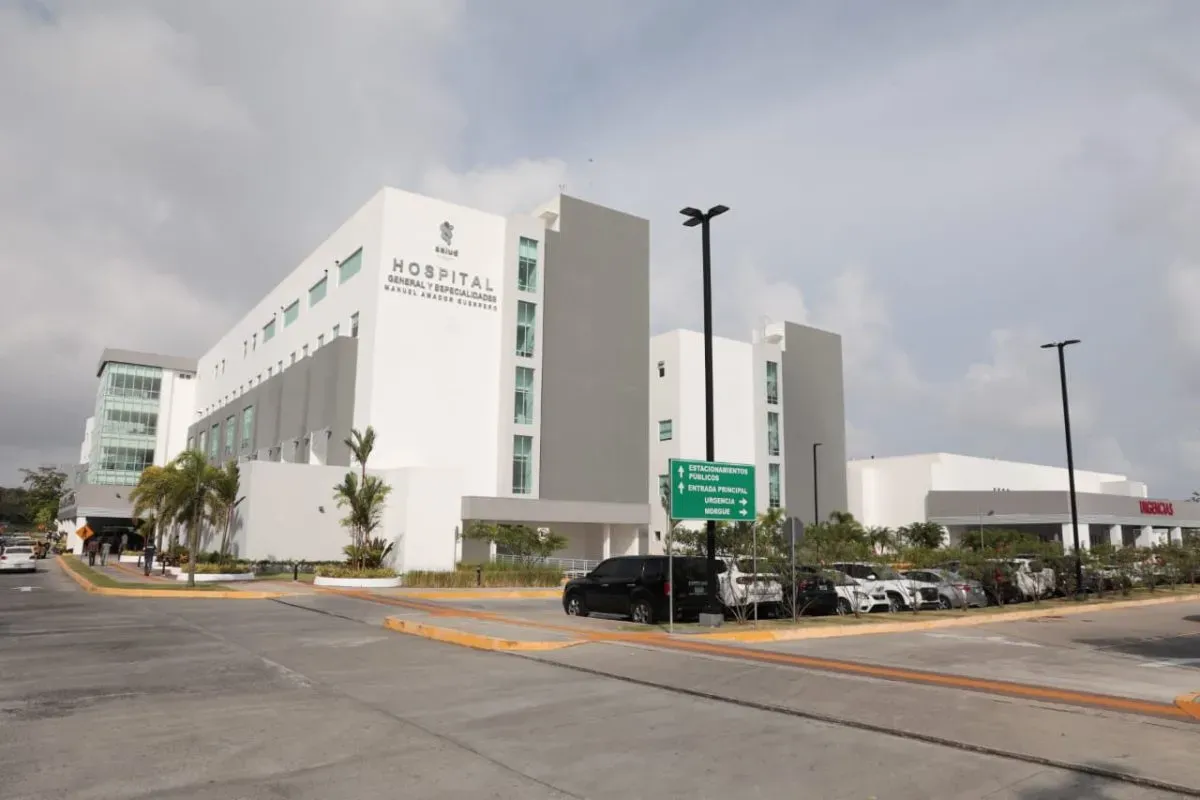
New hospital projects highlight the need to hire new medical personnel. (By PA)