


A joint medical mission backed by the United States military has arrived in Chitré, Panama. The goal is to slash a massive surgical backlog affecting hundreds of patients. Specialists from the United States Southern Command began work this week at the Doctor Gustavo Nelson Collado Hospital.
The shortage of specialists has crippled the local healthcare system. Patients in the provinces of Herrera and Los Santos face agonizing waits for critical procedures. The medical brigade will operate in the region until May 22.
Critical Shortage of Gastroenterologists in Herrera and Los Santos
Health authorities revealed staggering numbers that explain the crisis. The demand for gastrointestinal procedures has completely overwhelmed the system’s capacity. Officials said the region currently relies on just two gastroenterologists to serve two entire provinces.
Dr. Walter Bernal, a gastroenterologist at the hospital, detailed the scale of the problem. “We receive approximately 25 to 35 requests for endoscopic studies every day,” Bernal said. “Our capacity is only 55 to 60 procedures per month.” [Translated from Spanish]
“We receive approximately 25 to 35 requests for endoscopic studies every day. Our capacity is only 55 to 60 procedures per month.” – Dr. Walter Bernal, Gastroenterologist [Translated from Spanish]
This massive gap leaves countless patients without timely diagnoses or treatment. The backlog in Gastroenterology services has become a pressing public health concern. Many patients require urgent Endoscopy and colonoscopy procedures to detect serious conditions.
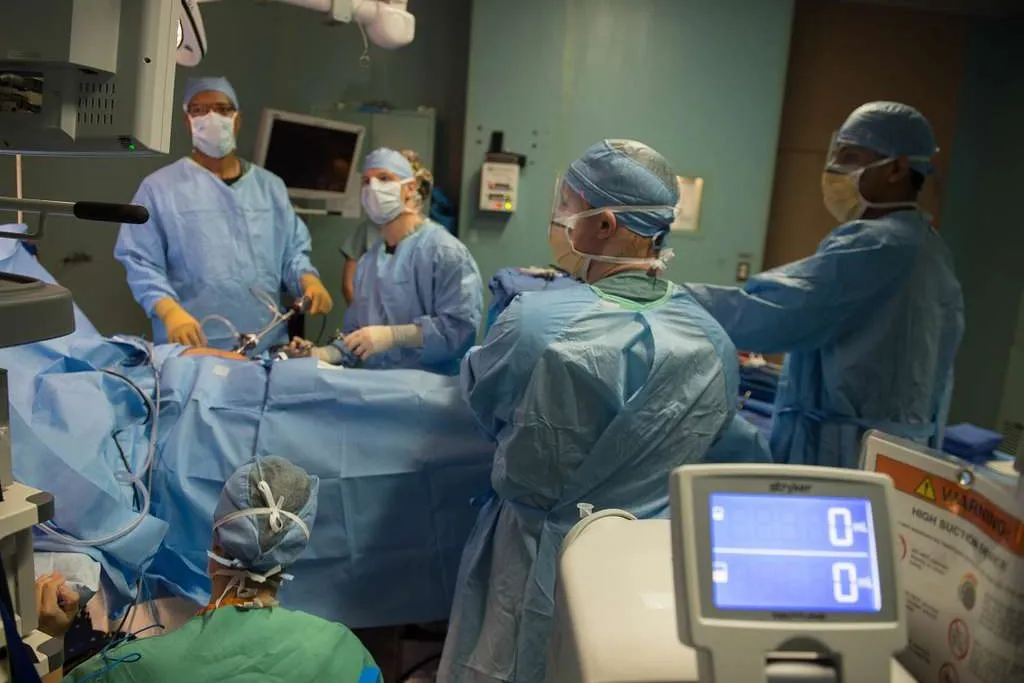
International Cooperation Targets Surgical Wait Times
The extraordinary medical drive represents a partnership between the U.S. Embassy, Panama’s Ministry of Health, and the Social Security Fund. Medical teams are prioritizing patients who have been waiting the longest for endoscopic exams.
Hospital administrators confirmed that the collaboration aims to clear the surgical backlog in the Azuero region. Doctors on the ground said the shortage of specialists remains the single biggest obstacle. Only two gastroenterologists currently handle the caseload for both Herrera and Los Santos.
Health officials expressed hope that this model could be replicated elsewhere. Other regions of Panama face similar shortages and growing patient lists. The success of this mission could pave the way for future international medical deployments.
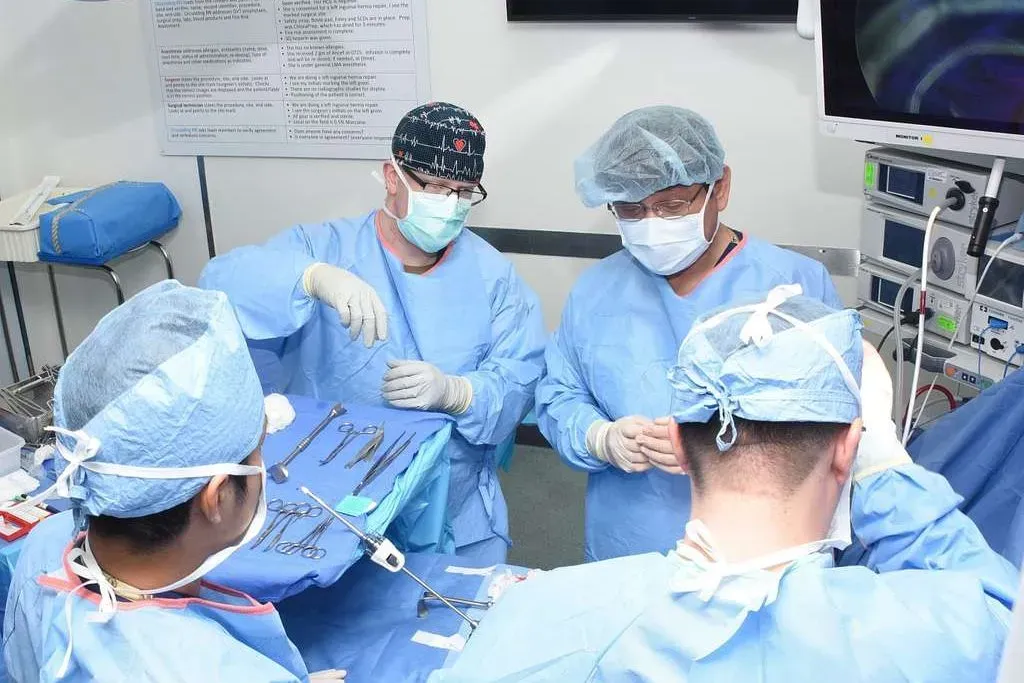
Impact on Patients and Future Plans
Patients from both provinces are now receiving care they have waited months to obtain. The medical team is performing procedures that can detect cancers and other life-threatening conditions. Early detection through these screenings can dramatically improve patient outcomes.
Local health authorities are documenting the mission’s results carefully. They plan to use this data to advocate for more permanent solutions. The cooperation agreement between Panama and the United States may expand if this pilot program proves successful.
Hospital Director Dr. Ricardo Moreno confirmed the operation will continue through May 22. He stated that the facility is coordinating closely with the visiting medical team. Every available resource is being directed toward reducing the patient backlog.
The situation in Azuero reflects a broader challenge facing Panama’s healthcare system. Rural and semi-urban regions often struggle to attract and retain medical specialists. Many doctors prefer positions in Panama City where resources and opportunities are greater.
This medical mission demonstrates how international partnerships can fill critical gaps. The U.S. Southern Command has conducted similar health engagements across Latin America. These missions build local capacity while providing immediate relief to underserved populations.
Patients interviewed at the hospital expressed relief and gratitude. Many had been waiting for months to receive their procedures. The presence of the U.S. medical team has brought hope to a community long frustrated by delays.
Health officials urged patients on the waiting list to stay in contact with the hospital. The mission is operating on a strict schedule and must prioritize the most urgent cases. Anyone with pending appointments should confirm their status immediately.