


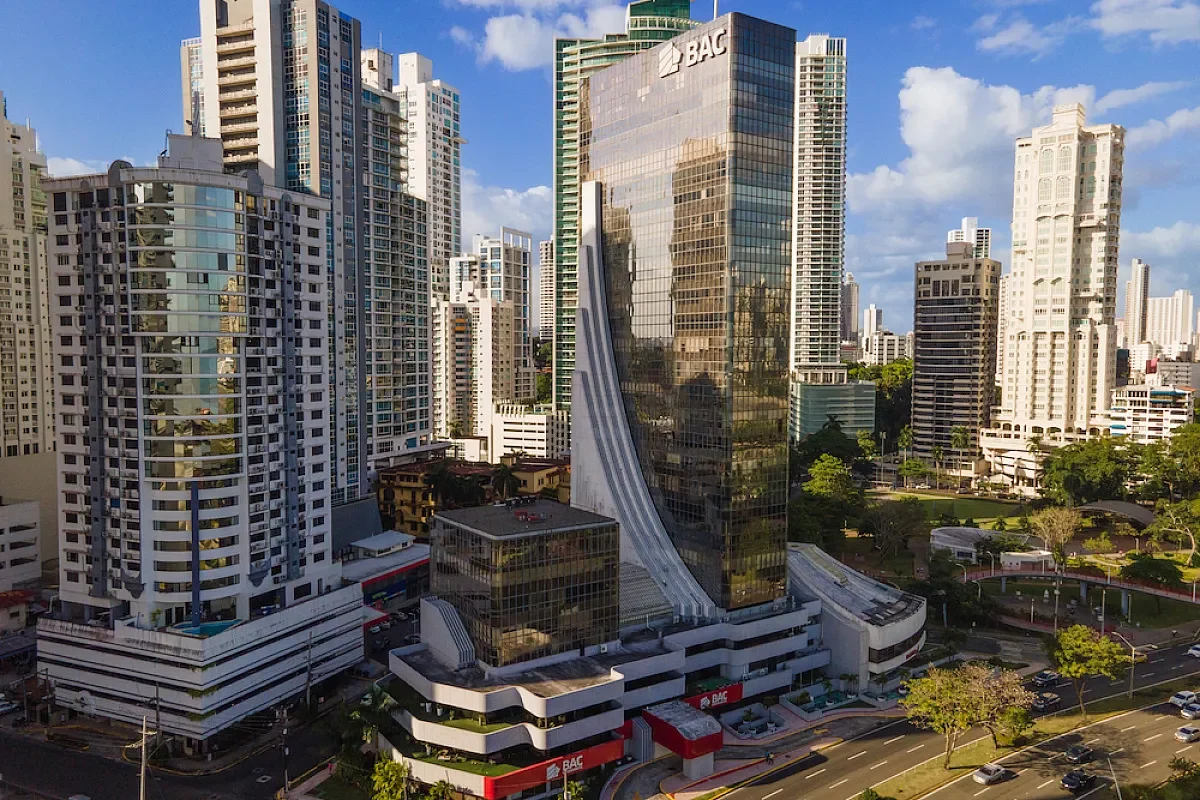
The Panama banking center is expanding again, with regulators confirming that multiple South American financial institutions are seeking licenses to operate in the country. The Superintendency of Banks of Panama (SBP) has already approved a Bolivian bank’s entry for 2026, while a major Ecuadorian lender has formally requested permission to resume operations in the market.
The announcements signal continued confidence in Panama’s financial hub, which currently hosts 62 banks and accounts for roughly 92% of the country’s financial center assets. The sector contributes approximately 6.8% to Panama’s national GDP.
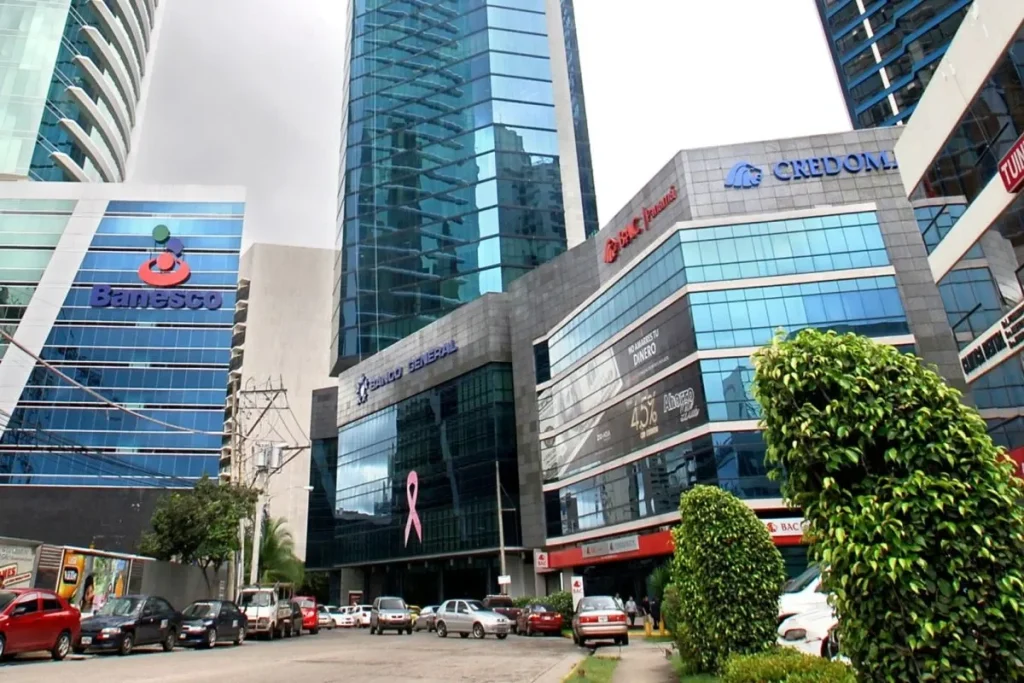
Panama Banking Center Consolidation and New Entrants
Carlos Berguido, executive president of the Panamanian Banking Association (ABP), confirmed that several South American entities are actively pursuing licenses. “It was announced that several banks from South America are in a clear process of seeking their license, and that indicates we are a market that remains attractive for new players,” Berguido said [Translated from Spanish].
Recent mergers and acquisitions within the plaza reflect natural market dynamics, according to both the ABP and ratings agencies. Berguido noted that the SBP’s authorization of new licenses and mergers demonstrates the strength of Panama’s regulatory framework. The supervisor only approves such moves when it has confidence in the institutions involved, he said.
Berguido framed consolidation as a strategic tool rather than a retreat. “When a bank decides to merge with another, it’s to do something better, so that one plus one isn’t two, but three. There are mergers, but there are also banks entering the system,” he explained [Translated from Spanish].
Regional Stability Drives Capital Inflows
René Medrano, Ratings Manager at Moody’s Local for Central America and the Dominican Republic, identified legal security, a dollarized economy, and institutional stability as the core attributes sustaining Panama’s appeal. These factors differentiate the local banking sector from other Latin American markets focused solely on domestic lending.
“Panama will continue to be attractive for investors who decide to repatriate their resources for security reasons, for stability, because they find it very convenient to have their availability in a financial hub like Panama,” Medrano stated [Translated from Spanish].
Historically, when neighboring countries experience crises or tensions, significant capital flows seek shelter in Panama. The banking system’s capacity to extend credit abroad has also helped maintain positive results in the total loan portfolio, a distinction from purely domestic-focused markets.

Employment and Consumer Benefits
Superintendent of Banks Milton Ayón Wong emphasized the sector’s labor footprint. Banks alone generate 26,000 direct jobs, a figure that rises to as many as 100,000 positions when including insurance and securities firms. The financial center overall has sustained steady growth, attracting new international actors.
In 2025, BBVA entered the market. For 2026, the second-largest Bolivian bank received its license. Ayón Wong also confirmed that one of Ecuador’s principal banks has requested to resume operations, with other South American entities expressing interest in establishing a presence.
Berguido highlighted consumer advantages stemming from competition between national and international banks operating in the ABP. “The more banks, the better: that brings talent, investment, capital and better practices. That allows the country to offer the public the lowest interest rates in the entire American continent,” he said [Translated from Spanish]. He cited 30-year mortgage loans and 7-year auto loans as examples of favorable conditions available to Panamanian consumers.
The sustained influx of new players, combined with strategic consolidations, positions the Panama banking center for continued expansion as a regional financial hub. Regulators and industry leaders alike point to the market’s resilience as evidence that the country remains a preferred destination for capital seeking stability in Latin America.