


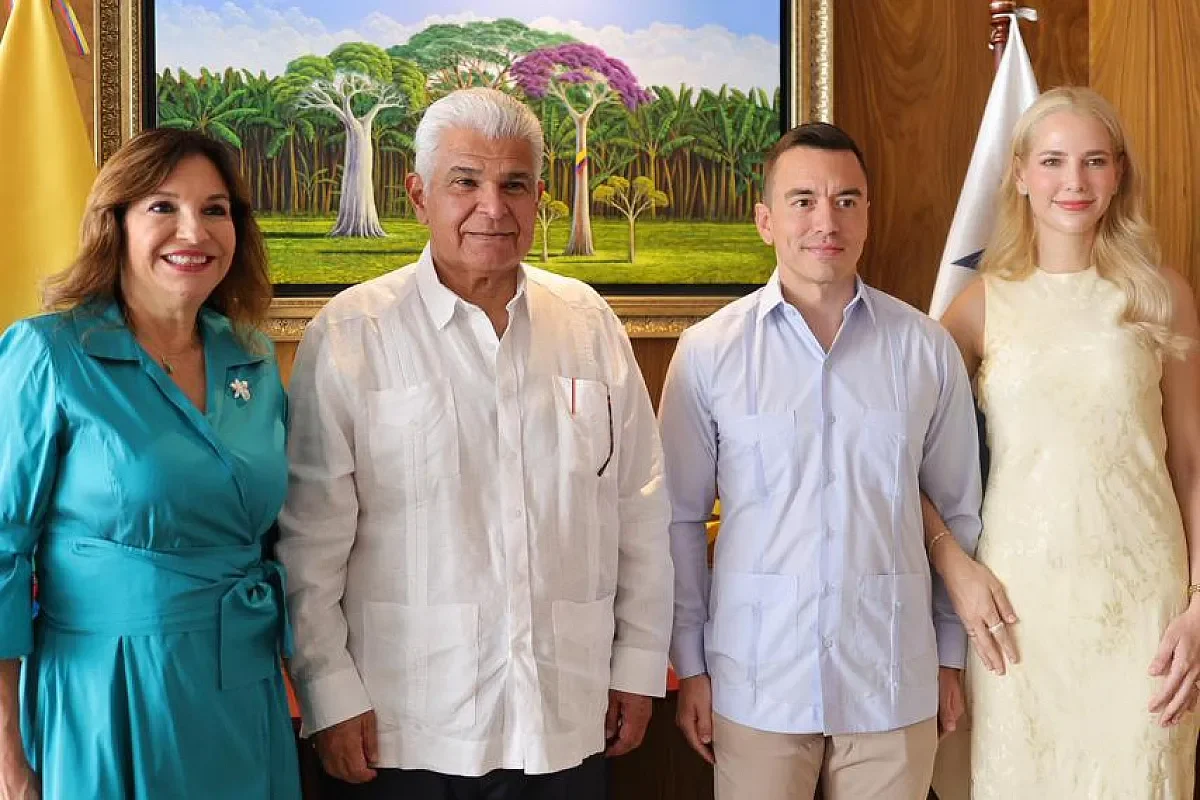
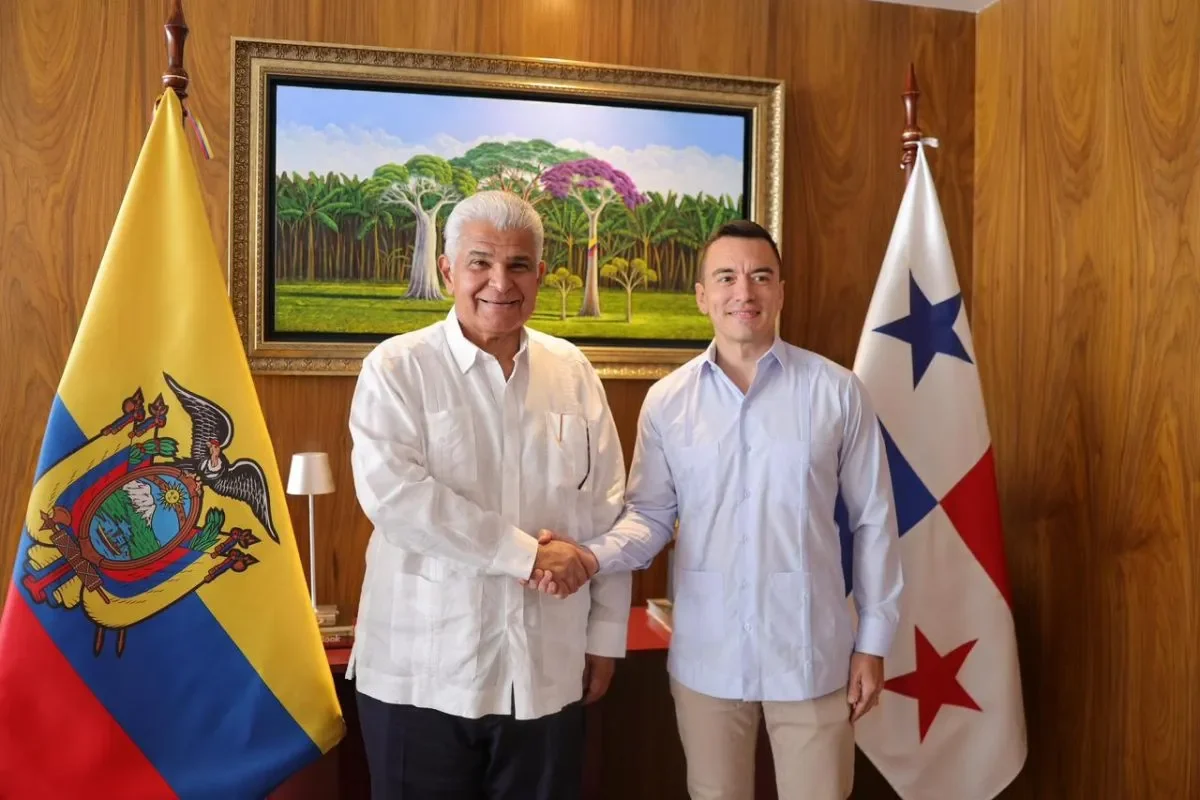
A tri-national electricity corridor could soon connect Panama, Colombia, and Ecuador after President José Raúl Mulino met with Ecuadorian counterpart Daniel Noboa in Guayaquil. The two leaders agreed to extend the Panama-Colombia interconnection plan into Ecuador, turning a longstanding bilateral project into a broader platform for cross-border energy cooperation. Colombian President Abelardo De la Espriella joined the discussion by phone and expressed support for the initiative, officials said.
Advancing Cross-Border Energy Cooperation
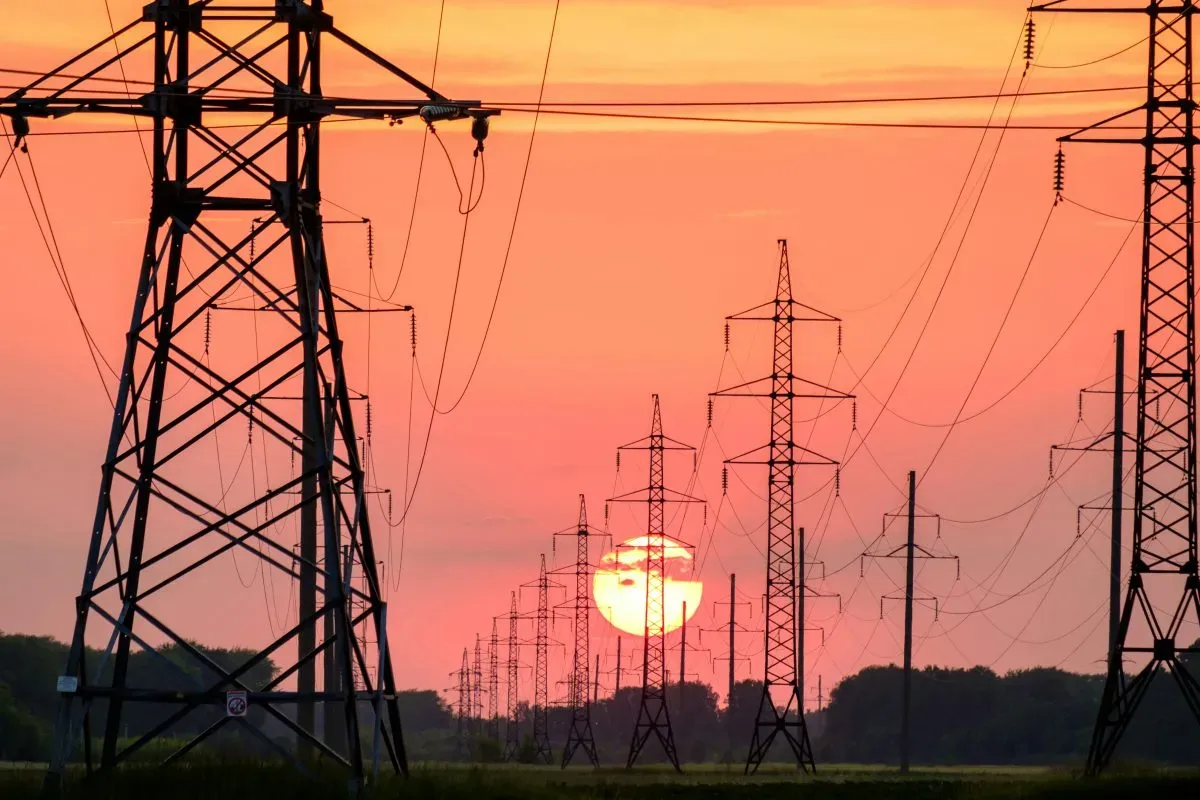
The Guayaquil meeting placed Panama’s electricity generation potential at the center of the regional agenda. By formally adding Ecuador to the existing Panama-Colombia interconnection plan, the governments want to create a more flexible power market and improve grid reliability across three countries. The idea builds on years of technical conversations, but Ecuador’s inclusion changes the project’s geographic and economic reach.
For Panama, the project could create new demand for its power generation capacity and reinforce its role as a regional logistics and energy hub. For Ecuador, access to a wider regional grid may reduce pressure on domestic hydroelectric systems. Mulino and Noboa described the step as part of a broader effort to deepen integration through dialogue, trust, and mutual respect.
Trade Negotiations and Migration Agreements
Beyond electricity, commerce and human mobility were high on the bilateral agenda. Both leaders welcomed the signing of terms of reference for a Partial Scope Agreement, known as an AAP. The instrument is designed to diversify commercial exchange, open new market opportunities for productive sectors, and support complementary economic integration between Panama and Ecuador.
On migration, the two governments agreed to promote orderly, regular, and safe human mobility. A new interinstitutional agreement on migrant information exchange will connect Ecuador’s interior ministry with Panama’s public security ministry, improving data sharing and coordination on border management.
Security Coordination Against Transnational Crime
The presidents also focused on security, particularly the fight against organized crime and drug trafficking. They emphasized the need for coordinated bilateral and regional action to disrupt transnational criminal networks. The talks referenced progress from the high-level meeting of the Coalition Against Cartels of the Americas, known as A3C, held in Panama in August 2026 during the Shield of the Americas Summit.
Both leaders said protecting citizens, stability, and social well-being requires sustained cooperation. The security discussions reinforced the call for a more unified response to threats that cross borders and affect the entire region.
Diplomatic Milestones and Regional Momentum
During the visit, President Noboa thanked President Mulino for signing Executive Decree No. 16 of August 31, 2026, which incorporates Ecuador into Panama’s friendly nations regime. The move formalizes closer diplomatic treatment and creates room for additional joint initiatives.
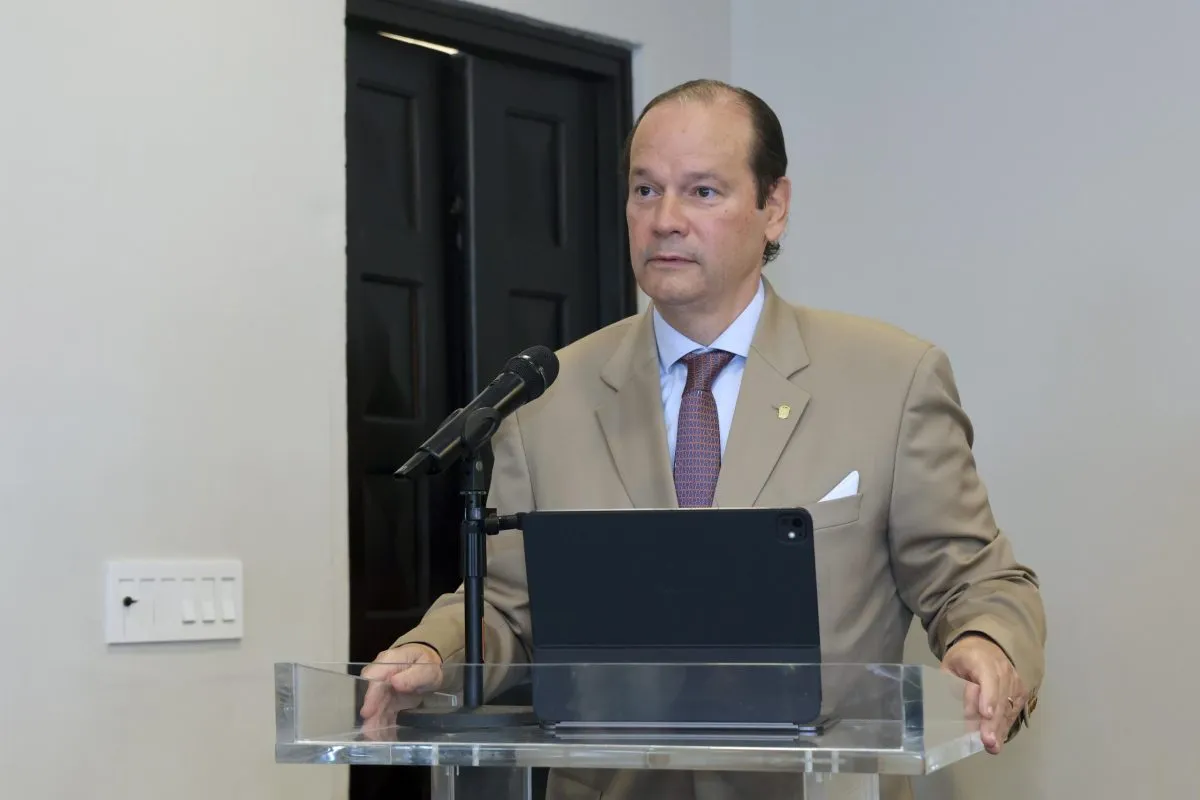
The expanded talks included Panamanian Foreign Minister Javier Martínez-Acha, Commerce and Industries Minister Julio Moltó, and Canal Authority representative Jorge Vallarino. Ecuador’s delegation included Foreign Minister Roberto Kury, Interior Minister John Reimberg, and Economic Development Minister Sahira Moya, among others. The presence of first ladies Maricel de Mulino and Lavinia Valbonesi added to the high-level tone of the encounter.
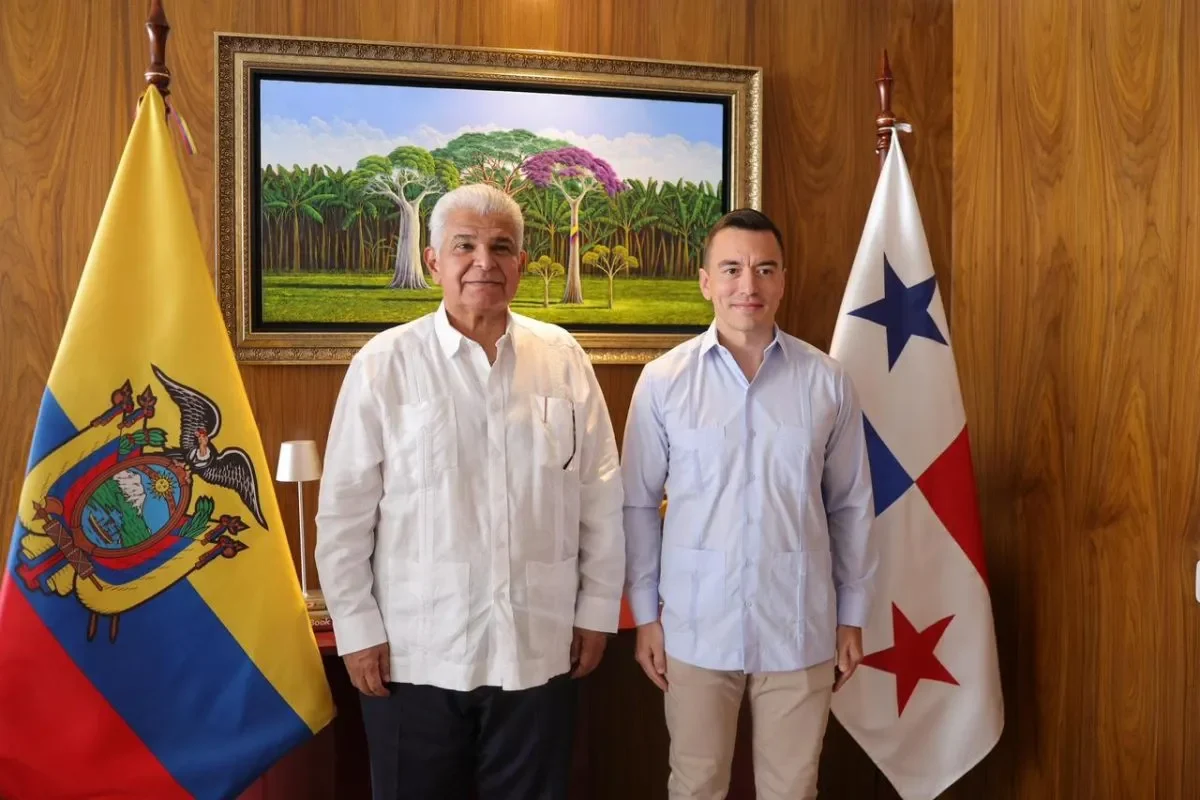
Ultimately, the Guayaquil meeting signals a deeper alignment between Panama and Ecuador on energy, trade, security, and migration. The extension of the electricity interconnection to Ecuador gives the cross-border energy cooperation agenda a tangible anchor, while the trade and migration instruments create practical follow-up mechanisms. As Panama, Colombia, and Ecuador coordinate their power grids and diplomatic priorities, the broader goal is a more stable, secure, and economically connected Pacific corridor in Latin America.