


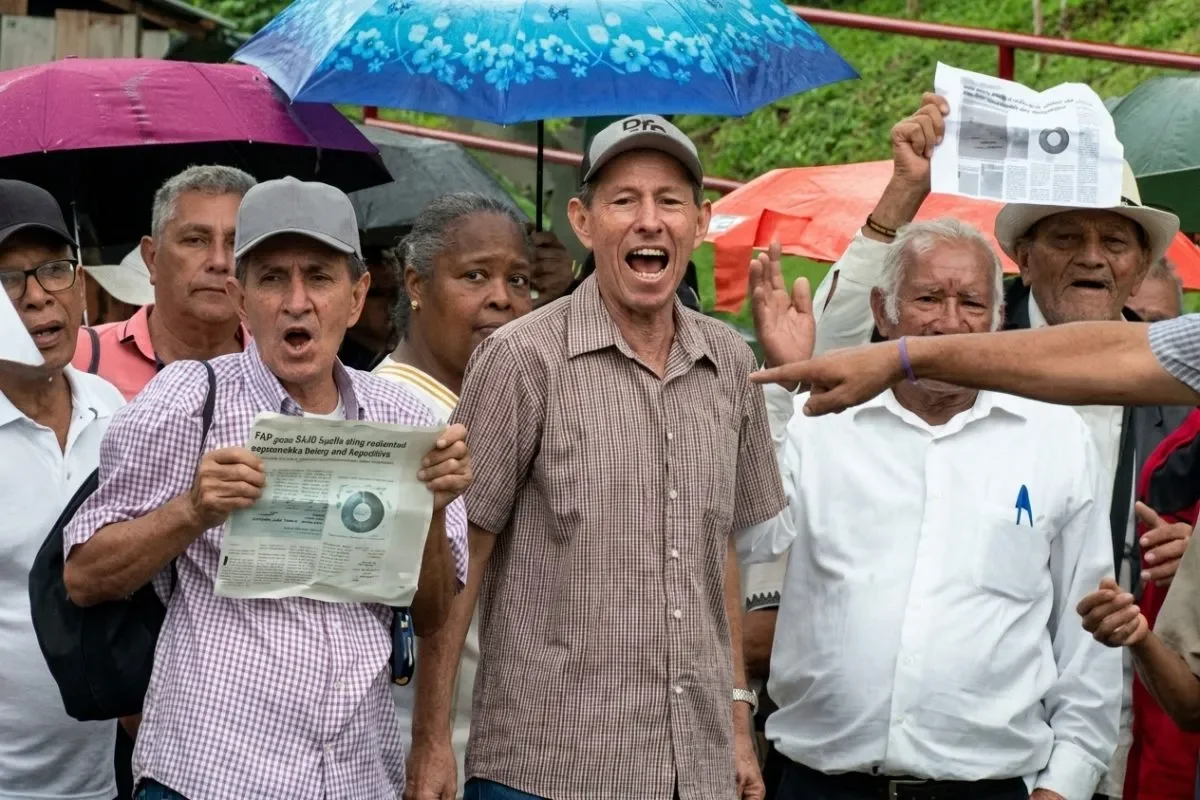
A small pharmacy in Panama granted roughly $2,800 in pensionado discounts during a single year. That figure, cited by retiree advocate Guillermo Cortés, has become an unexpected flashpoint in the escalating debate over proposed legislation that would expand benefits for older adults and pensioners nationwide. Cortés, who leads the Asociación Mundo de Jubilados, argues that such modest sums cannot possibly explain the financial pressures facing small and medium businesses, even as President José Raúl Mulino weighs whether to sign or veto the bill within his 30-day constitutional window.
The debate has drawn sharp lines between retirees seeking updated protections and a private sector worried about absorbing new costs. For Cortés and his supporters, the pharmacy example illustrates a broader truth that large chains can offer deeper discounts while small operators struggle, and blaming pensionado discounts for those struggles misrepresents the real competitive landscape.
Presidential Meeting Sparks Cautious Optimism Among Retirees
Cortés described Mulino’s decision to convene a meeting with business sector representatives as a positive signal. The president has publicly acknowledged he hasn’t yet found a formula to make the expanded benefits economically viable, and the gathering appears designed to bridge that gap before the constitutional deadline expires. No formal invitation has reached the retiree movement yet, according to Cortés, despite his organization being one of the primary drivers behind the initiative.
“I see the president’s message as positive,” Cortés said. [Translated from Spanish]
He added that the encounter should help clarify several points raised by the business community, particularly around how new pensionado discounts might affect small and medium enterprises. The retiree leader remains ready to participate in the dialogue, invited or not, and believes the Executive is genuinely searching for a solution before making a final decision.
Purchasing Power Crisis Fuels Push for Updated Benefits
Mulino has expressed concern that the entities responsible for public finances were never consulted during the legislative discussion. He warned that approving benefits without a funding mechanism could leave future governments scrambling for resources. But Cortés pushed back on that framing, asking what has become of the sustainability argument since discounts were first established decades ago.
The purchasing power of retirees has deteriorated considerably, Cortés argued, describing the current situation in stark terms that reflect years of inflation outpacing fixed incomes.
“Our purchasing power is misery,” he stated. [Translated from Spanish]
The original benefit structure, he noted, simply hasn’t kept pace with the rising cost of living that older Panamanians face every day. For his movement, updating a framework rooted in 1987 isn’t a political preference, it’s an economic necessity.
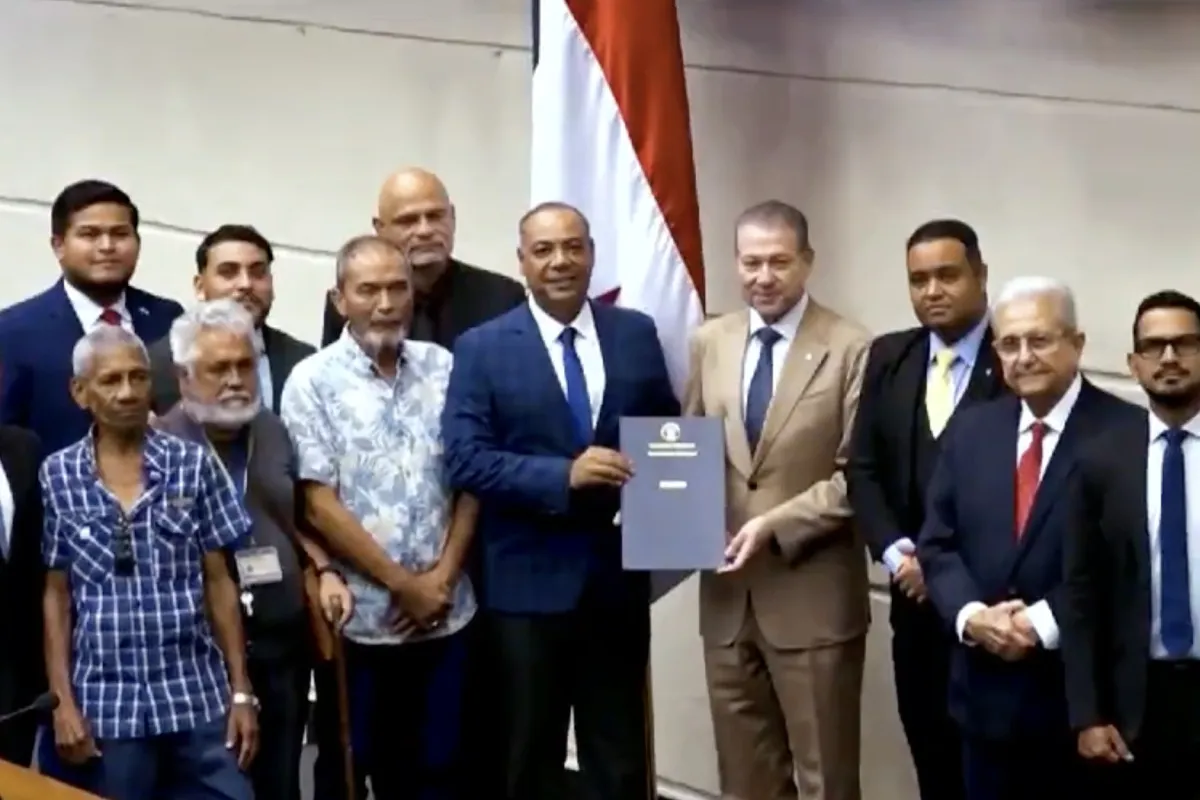
Cortés also dismissed the notion that a small business would collapse after granting $2,800 in annual pensionado discounts.
“We have to live realities,” he said. [Translated from Spanish]
The real threat to small pharmacies and other enterprises, he maintained, comes from large chains capable of offering far deeper price reductions.
Consultation History and Tax Precedents Take Center Stage
The retiree leader rejected assertions that the bill was drafted without input from the private sector. Representatives from the Chamber of Commerce, hospitality, restaurants, and telecommunications all participated during the years of discussion, according to Cortés. The sticking point wasn’t a lack of consultation, he said, but a fundamental disagreement over whether the 1987 framework should remain frozen in time.
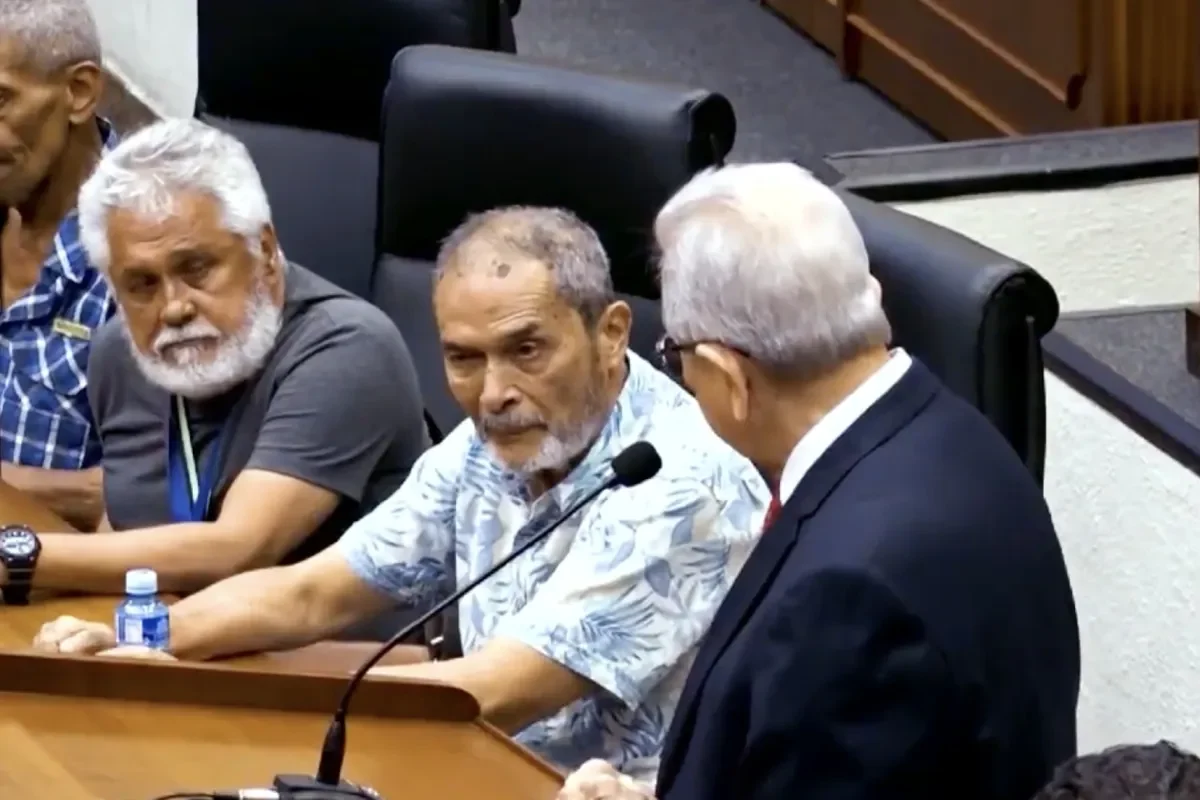
Since 2020, the restaurant sector has benefited from provisions that allow it to deduct certain discounts granted to pensioners and retirees from income tax obligations. Cortés believes these precedents deserve careful review during the upcoming dialogue. He plans to bring concrete examples and proposals to the table, hoping to demonstrate how benefits can coexist with business viability.
“I hope we can clearly establish first that the project needed to be worked on because it’s a law dating back 40 years,” Cortés said. [Translated from Spanish]
The message from the retiree movement is unambiguous that economic realities have shifted dramatically since the original legislation, and clinging to outdated parameters serves no one’s interests.
What Comes Next for Expanded Pensionado Discounts
The meeting Mulino has called represents a critical juncture for Panama’s senior citizens and the businesses that serve them. If the dialogue produces a workable framework, the president could sign the bill with confidence that its provisions won’t destabilize small enterprises. If no agreement emerges, a veto remains firmly on the table. Cortés and his allies maintain that a small pharmacy granting $2,800 in annual discounts isn’t facing ruin because of retirees; it’s facing pressure from large chains that can offer deeper cuts.
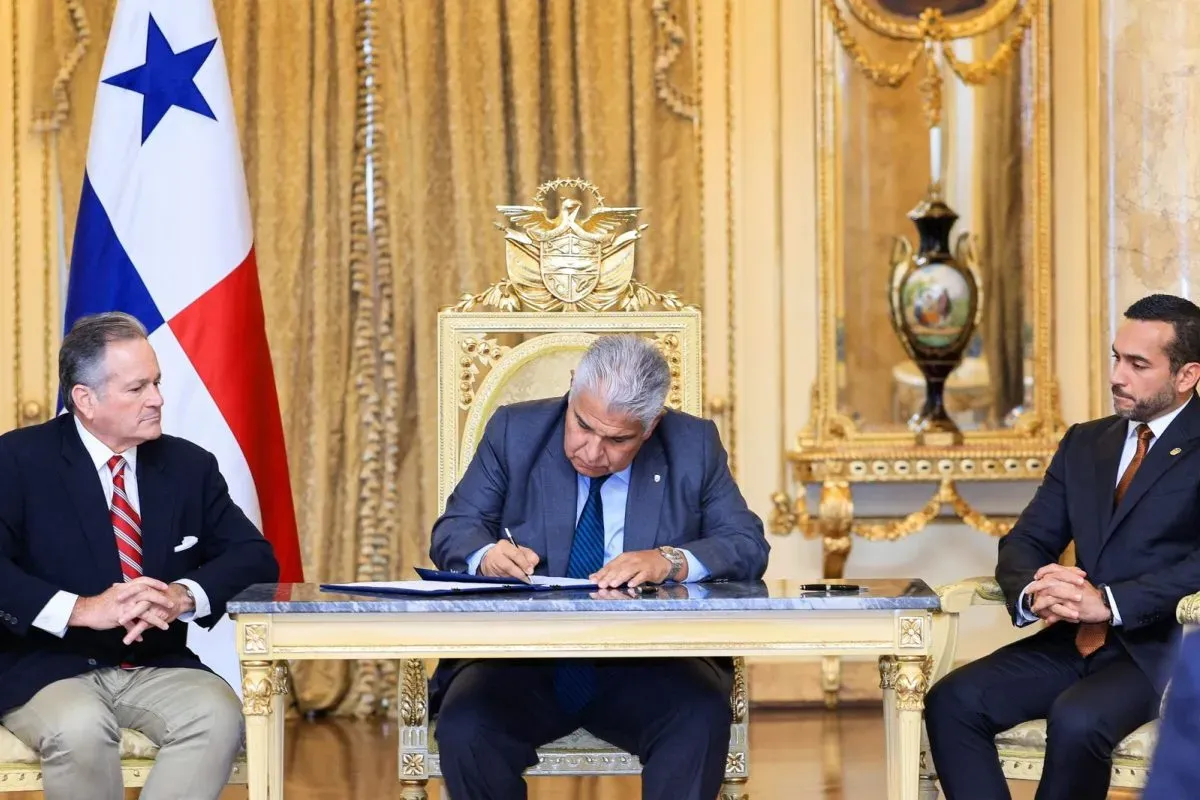
The retiree movement’s expectation is straightforward. Once the meeting concludes, they want Mulino to identify a path that protects the expanded benefits while addressing legitimate concerns about economic sustainability. The constitutional clock keeps ticking, and both sides appear to recognize that the coming days will determine whether Panama’s older adults receive the updated protections they’ve been seeking for years. For pensioners watching closely, the hope is that dialogue yields results rather than another cycle of delay.