


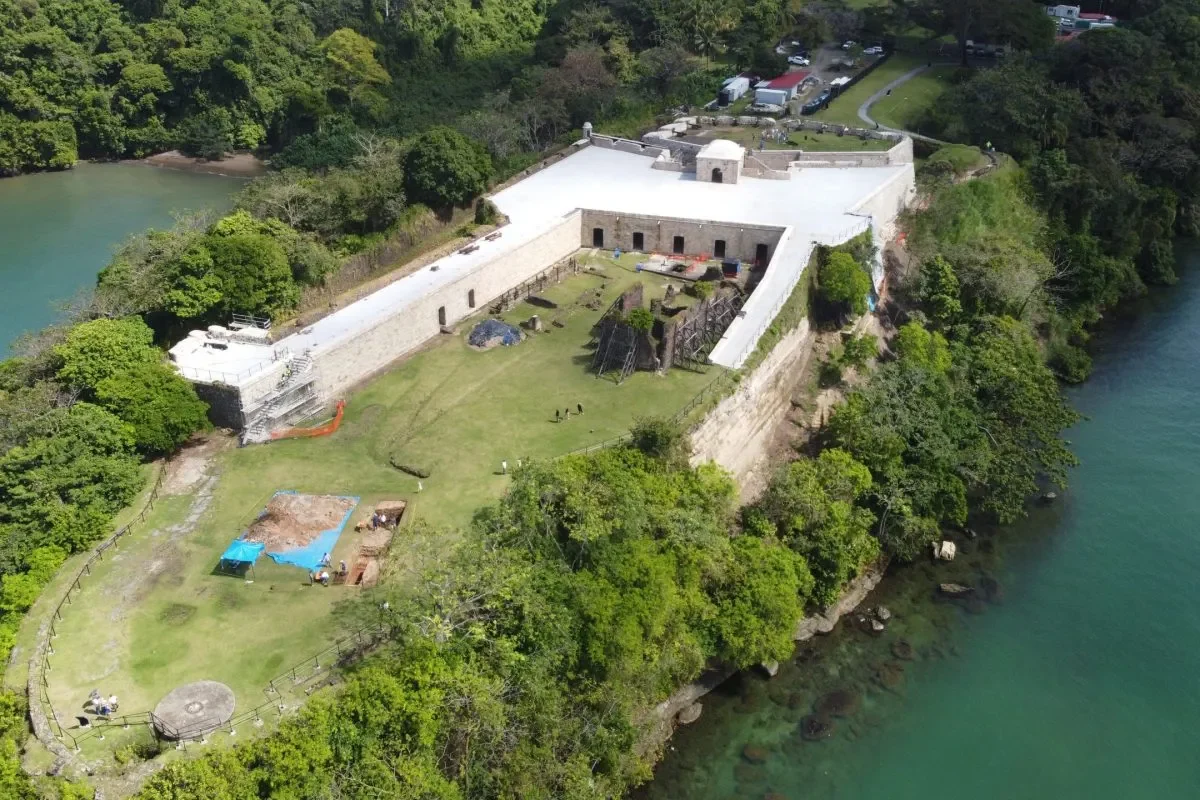
After sitting unfinished through several government transitions, the San Lorenzo Visitor Center has finally opened along Panama’s Caribbean coast in Colón. President José Raúl Mulino inaugurated the complex on September 3, 2026, with First Lady Maricel Cohen de Mulino and several cabinet ministers at his side. The project required an investment of more than 7.7 million balboas and now anchors a protected area that combines dense tropical forest with centuries-old Spanish fortifications.
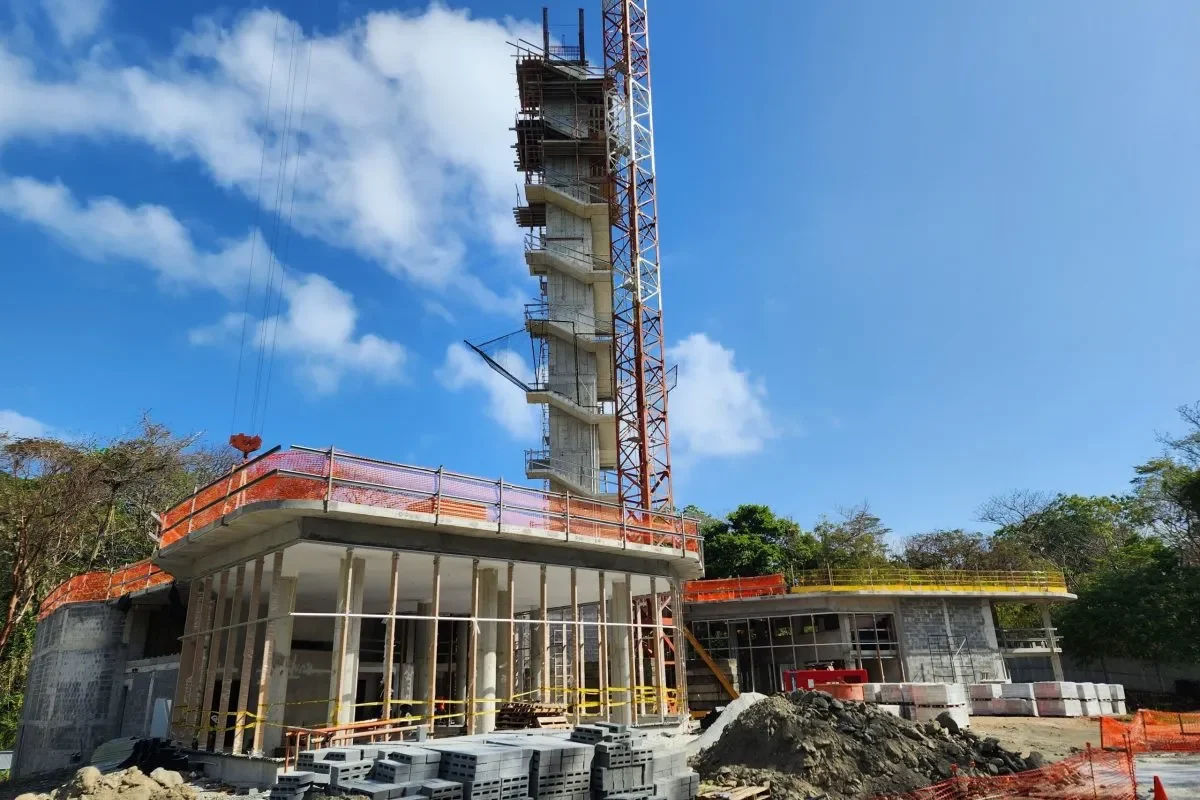
A Long-Delayed Project Finally Reaches Completion
More than a decade of delays had left local communities waiting for a facility that could connect visitors to the history and ecology of San Lorenzo. Mulino did not hide his frustration over that record. The president described the center’s opening as the culmination of work that had been on the agenda of three different administrations. He argued that public works should not be inaugurated for photo opportunities while construction remains incomplete.
“They say the third time is the charm, and this is the third administration that has had this project on its agenda. We are finally finishing it today and opening it to the public. This opening is proof that inaugurating a project for the photo, but without finishing the works, is a lack of respect for Panamanians. That must be part of the past.” [Translated from Spanish]
The president said the center would serve as a showcase for the country’s history, cultural richness and biodiversity. He also pointed to the connection between the site and the wider story of the Panama Canal, noting that the old fortifications near the mouth of the Chagres River once guarded a key access point for navigation and trade. For Mulino, a country that does not value its history can hardly build a future of greatness. He linked the opening to Panama’s unique blend of untouched nature and historical legacy, and he urged citizens to care for the new structures the same way they protect rivers, streams and parks across the country.
What Visitors Will Find at the San Lorenzo Visitor Center
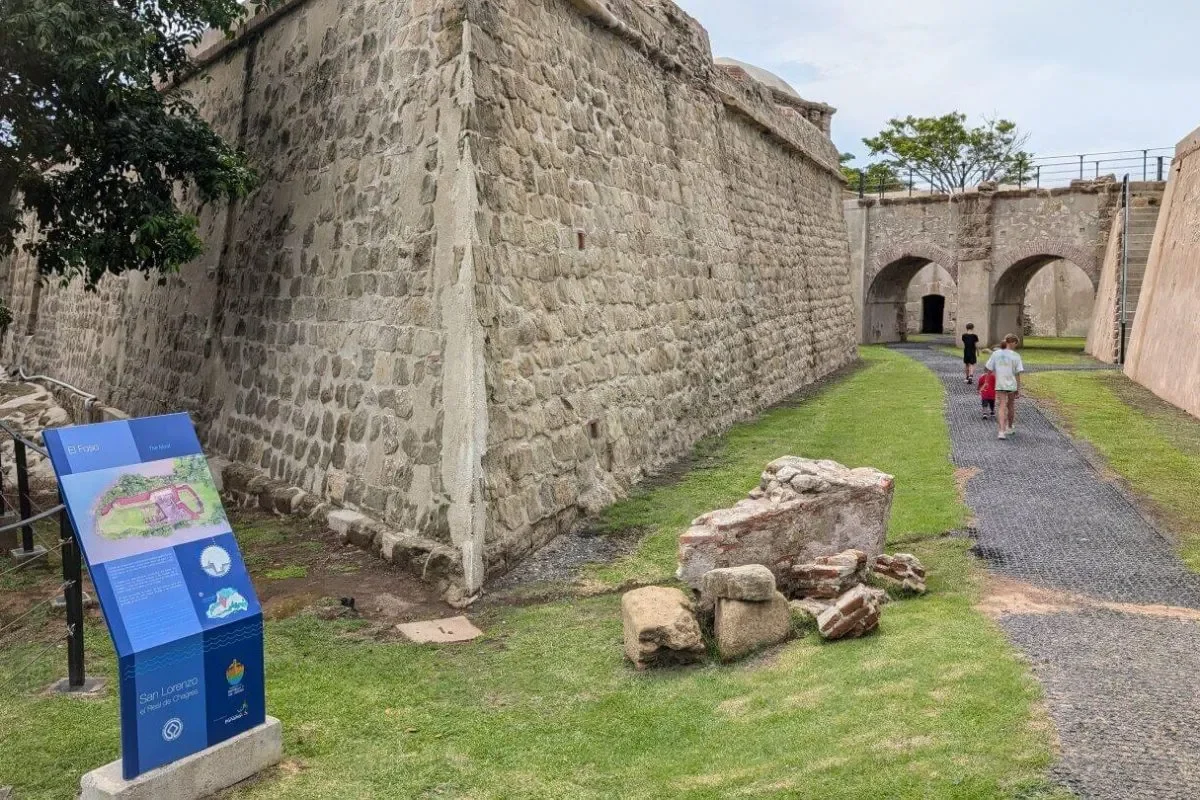
The new complex sits within San Lorenzo National Park, close to the old Fort Sherman sector in Costa Abajo de Colón and near the legendary Castillo de San Lorenzo El Real de Chagres. It was designed as an iconic natural, historical and cultural hub for the province. The facility gives visitors information about the area’s natural heritage and the Caribbean fortifications that shaped Panama’s defensive past.
A key striking elements is a spectacular observation tower with a panoramic elevator. From the lookout at level 900, about 50 meters above street level, people can take in primary forests, coastal landscapes, plants and wildlife. The San Lorenzo Visitor Center also includes a training hall, an auditorium, exhibition rooms, a ticket office, a restaurant, a terrace, administrative offices, a water treatment plant and parking with a bus bay. These amenities aim to turn the site into a world-class gateway for tourism, conferences, environmental education and heritage interpretation.
Conservation, Culture, and the Growing Ecotourism Push
Ministry of Environment officials framed the opening as more than a construction milestone. Juan Carlos Navarro, the minister of environment, said delivering the center to the Patronato de Portobelo y San Lorenzo for administration showed that Colón remains a priority. He also presented Panama as a rising force in nature tourism.
“A great step has been taken today. Colón is a priority. Three governments had to pass before we could complete this center, which was inherited unfinished. Mr. President, your instruction has been fulfilled and today this world-class center opens.” [Translated from Spanish]
Navarro added that Panama is positioning itself as a global powerhouse in ecotourism and biodiversity. Minister of Culture María Eugenia Herrera said the opening marked a decisive step in putting cultural heritage to work as one of the country’s main assets. She noted the government’s commitment to investing in infrastructure that can make Panama a better host for international visitors. Herrera summed up the moment by saying the country was opening its doors to tourism, progress and history.
Yelitza Norse, president of the Patronato de Portobelo y San Lorenzo, thanked the administration for finishing a project she described as abandoned. She said the center would now promote ecological tourism in a sustainable way. Beyond the local impact, the site sits within a broader landscape of Caribbean fortifications that has drawn international preservation attention for years. The area’s combination of natural reserves and military history gives visitors a rare look at how environmental conservation and colonial heritage intersect.
Management and Financing Behind the New Facility
The construction was awarded through public tender under Contract No. DAYF-003-2020. It formed part of the Project for the Conservation and Management of Cultural and Natural Heritage, executed by the Ministry of Environment with support from the Inter-American Development Bank, known as the BID. That financing structure underscores the emphasis on protecting both the natural landscape and the historical built environment.
The Patronato de Portobelo y San Lorenzo will manage and operate the complex. The same organization currently oversees the Castillo de San Lorenzo El Real de Chagres, so the new visitor center extends its ability to coordinate interpretation and tourism at the site. The inaugural event drew Minister of Tourism Gloria De León, Governor Julio Hernández, Turkish Ambassador Armağan İnci Ersoy and representatives from the BID, signaling broad institutional interest in the project.
What the Opening Signals for Colón
The completion of the San Lorenzo Visitor Center positions Colón to capture more value from the growing demand for ecological and cultural tourism. With its observation tower, educational spaces and direct link to the Castillo de San Lorenzo El Real de Chagres, the facility gives Panama a new platform to tell its story from the Caribbean edge of the Canal. The final test will be whether consistent management and upkeep can turn this long-delayed investment into a lasting asset for local communities and international visitors alike.