


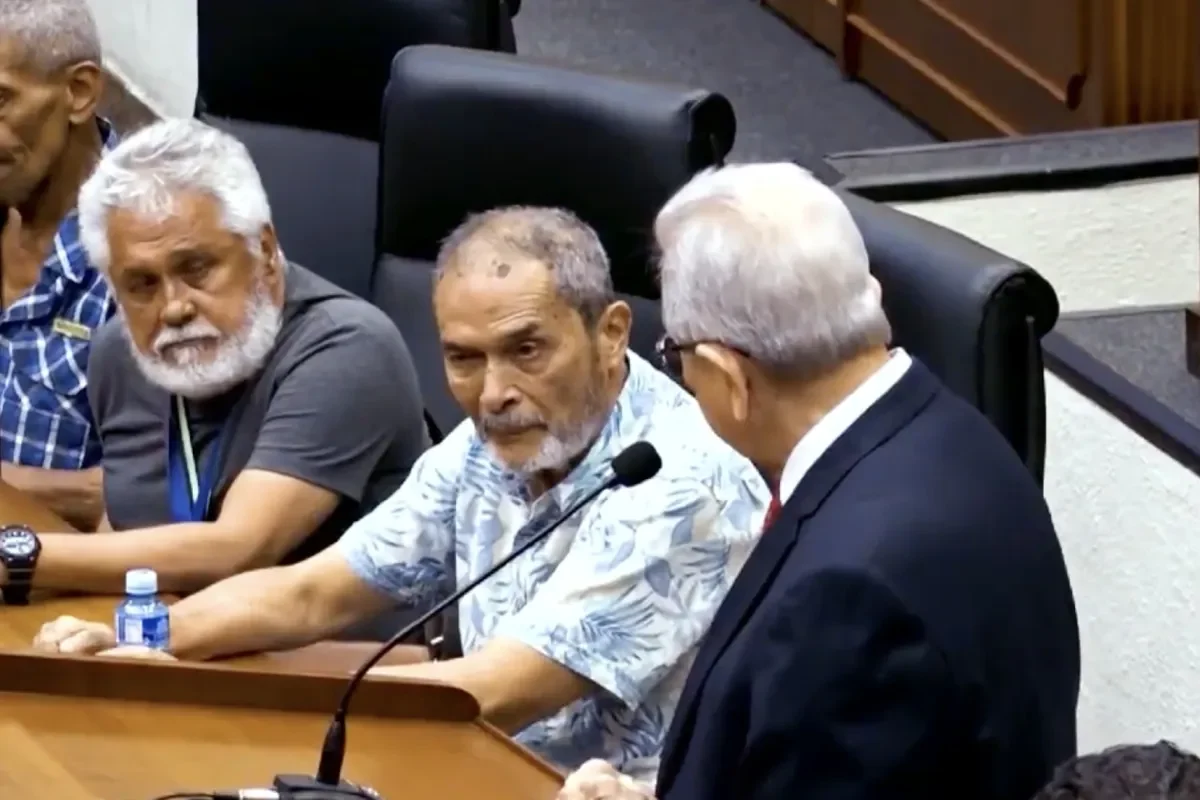
The fate of expanded Panama pensioner discounts now rests with President José Raúl Mulino after the National Assembly approved Bill 226 in its third debate. The legislation would, amongst others, raise the medication discount available to retirees from 20% to 30%, touching off an intense tug-of-war between older Panamanians demanding economic relief and pharmacy owners who warn of serious business consequences.
The Push for Expanded Panama Pensioner Discounts
Supporters of Bill 226 frame the measure as a long-overdue correction to years of eroding purchasing power among the country’s older population. Guillermo Cortés, who represents the Retirees World Movement, urged the president to approve the measure without delay.
“Analyze the project, we know that it complies with everything, sanction the law and be part of that social justice” [Translated from Spanish]
The current benefit structure hasn’t kept pace with Panama’s rising cost of living, advocates argue, particularly in essential areas like healthcare and food. Bill 226’s promoters say the updated percentages would restore meaningful relief for tens of thousands of pensioners who struggle to stretch fixed incomes across increasingly expensive monthly budgets. Many retirees describe the existing 20% medication discount as insufficient when prices for essential drugs continue to climb year after year.

This legislative push arrives at a moment when the cost of living has become a dominant political issue across Latin America. Panama, despite its reputation as a regional economic hub, faces growing inequality and mounting pressure on fixed-income households. For pensioners, the combination of rising food costs, utility expenses, and medical needs creates a persistent monthly squeeze that discount programs aim to partially offset.
Pharmacy Owners Warn of Economic Fallout
Small pharmacy operators paint a much bleaker picture of what a 10-point increase in the medication discount would mean for their livelihoods. Orlando Pérez of the National Union of Pharmacy Owners said the impact wouldn’t be confined to drugstores.
“Automatically it totally affects the economy not of the pharmacies but of the country because when a discount is given, the commercial sectors have to find where to get that discount because discounts are part of the daily cash flow” [Translated from Spanish]
Pérez went further, explicitly requesting that Mulino reject the entire bill rather than sign it into law.
“Bill 226, which we hope God willing the president will totally veto, since it is a law that affects not just pharmacies, but many other guilds” [Translated from Spanish]
The core complaint from business owners centers on margins. Independent pharmacies already operate on thin profit spreads, and absorbing a larger mandatory discount without corresponding compensation could force store closures or reduced hours in neighborhoods that depend on local access to medicine. Pérez stressed that the cash flow implications ripple outward from individual businesses into the broader economy, since commercial sectors must find ways to absorb discounts that represent a direct subtraction from daily operating revenue.

Tax Credit Mechanics and Fiscal Questions
Lawmakers attempted to address some of these concerns through offsetting tax provisions built into the bill. Under the proposed framework, businesses could deduct 100% of the discounts and concessions they grant under the law as a tax credit against income tax obligations. Those credits could also be transferred through assignment, creating a secondary market of sorts for the fiscal benefits.
Yet this mechanism has not quieted opposition from the private sector, which continues to argue that the expanded Panama pensioner discounts would create unbearable cash flow pressures. Business representatives question whether the credit system will function smoothly in practice or whether administrative delays would leave merchants carrying the cost burden for extended periods. The gap between granting a discount today and realizing a tax credit months later represents a real financing challenge for businesses that operate with limited reserves.

Broader Economic Reforms and the Road Ahead
Beyond the immediate fight over Panama pensioner discounts, the debate has surfaced deeper questions about how Panama supports its aging population. Some voices in the discussion have proposed structural measures that would address root causes rather than relying solely on discount programs. Among those ideas are tying retiree incomes more closely to actual cost of living indexes and investing in domestic agrifood production to bring down food prices across the board. Such approaches would tackle the affordability problem from the income side rather than only through price adjustments at the register.
Mulino now faces three clear paths under Panama’s legislative procedure. He can sign the bill into law, reject it entirely, or issue a partial objection targeting specific provisions. Each option carries political weight in a country where older voters represent a significant and highly mobilized electoral bloc, while business associations maintain considerable influence over economic policy debates. The president hasn’t signaled publicly which direction he’ll take, and both camps remain in active lobbying mode as the decision deadline approaches.
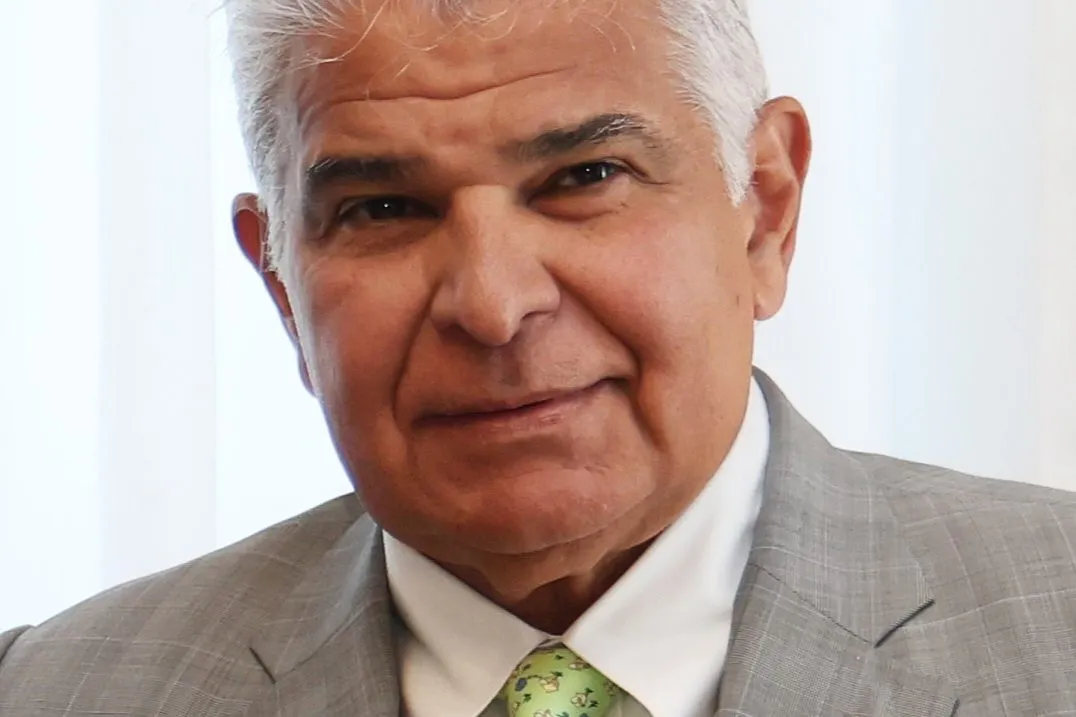
The outcome won’t satisfy everyone. In summary, what happens with Bill 226 will signal whether the current administration prioritizes immediate social relief for pensioners or sides with commercial interests warning of unintended economic damage. Either way, the conversation about how Panama cares for its older citizens has moved firmly to the center of national attention, and the decision will likely reverberate well beyond the pharmacy counter.