


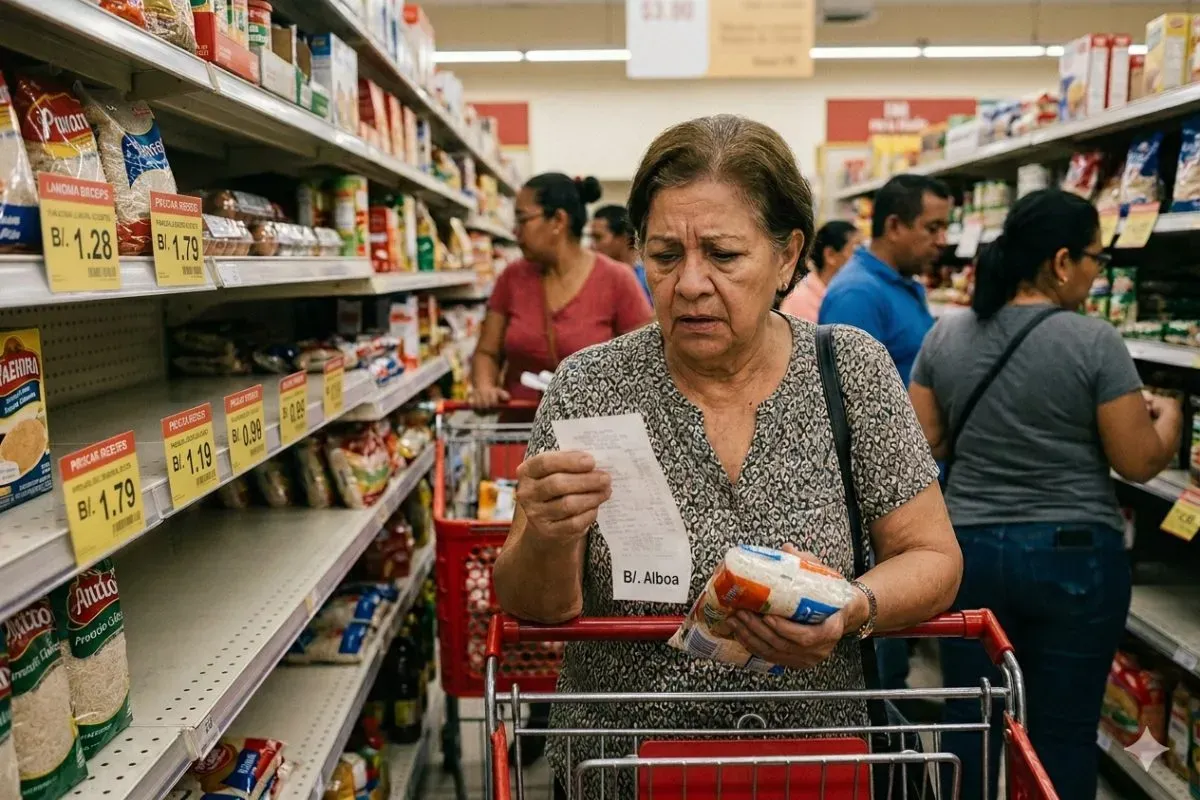
A new study reveals a stark economic gap in Panama. The monthly Panama cost of living now stands at 1,064 dollars. This figure far outpaces the national average salary of 734 dollars. Researchers from the University of Panama released the data on March 3.
The Institute of National Studies, known as Iden, conducted the analysis. It shows the Panama basic food basket costs 357 dollars. That means a typical worker earns roughly 300 dollars less than what they need each month. The situation is worse for private sector employees. Many of them earn below 700 dollars.
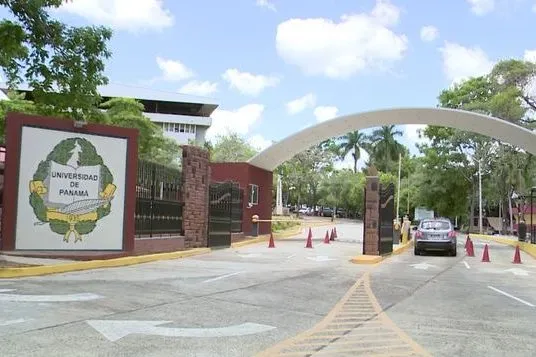
Euclides Antonio Méndez leads the Iden database team. He called the trend concerning. Salaries are not keeping pace with rising expenses.
“For private sector workers, the relationship between median income and the cost of living is worse because people in private companies work for less than 700 dollars,” Méndez said. [Translated from Spanish]
Urban Areas Outside the Capital Feel the Squeeze
The cost of living is climbing in cities beyond Panama City. Researchers found a 122 dollar increase between 2021 and 2024 in these regions. Wages in the interior grow much slower than in the capital.
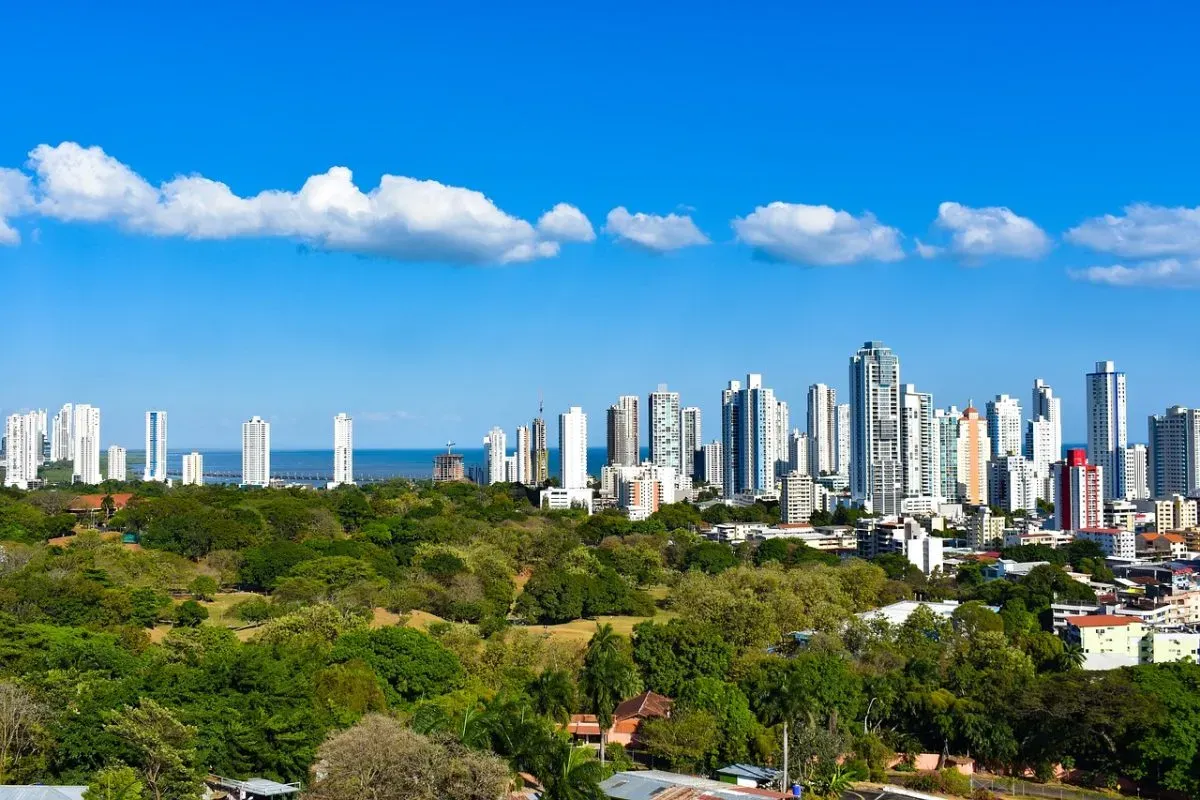
A worker earning the average salary outside the city would need an extra 350 dollars to cover basic expenses. Méndez noted that from October 2023 to October 2024, the overall cost of living jumped by 18 dollars. He described this as a delicate situation. The Panama average salary shows minimal growth across most sectors.
Public sector employees fare slightly better. Their wages are generally higher. But private sector recovery after the COVID-19 pandemic has been painfully slow. Many workers now earn less than 700 dollars per month.
Middle Class Feels the Pressure Most
The study reveals a surprising trend. Middle-class households are experiencing sharper cost increases than lower-income families. Lower-income groups have more stable consumption patterns. They buy fewer non-essential goods.
Middle-class families, however, face rising costs on a wider range of products and services. This puts them in a difficult position. Their incomes have not risen to match their spending needs.
“Inflation will continue to increase because Panama is an importer and what comes from abroad drives up costs,” Méndez explained. [Translated from Spanish]
What Consumers Can Do Now
Méndez offered practical advice for Panamanian households. He suggests cutting back on certain expenses. Consumers should moderate their buying habits and look for sales. Focusing on essential products is key.
The analyst warned that external factors will keep pushing prices up. Panama imports most of its goods. Global price increases hit local markets directly. This leaves families with few options to stretch their budgets.
Experts say the gap between income and expenses will likely widen. Unless wages rise significantly, more families will struggle. The study paints a clear picture of economic strain across the country. cost living strategies like home gardening are gaining popularity as families search for relief.
The data comes at a critical time. Panama’s economy continues to grow in some sectors. But that growth is not reaching the average worker. The gap between the cost of living and the average salary has become a central issue for policymakers and families alike.