


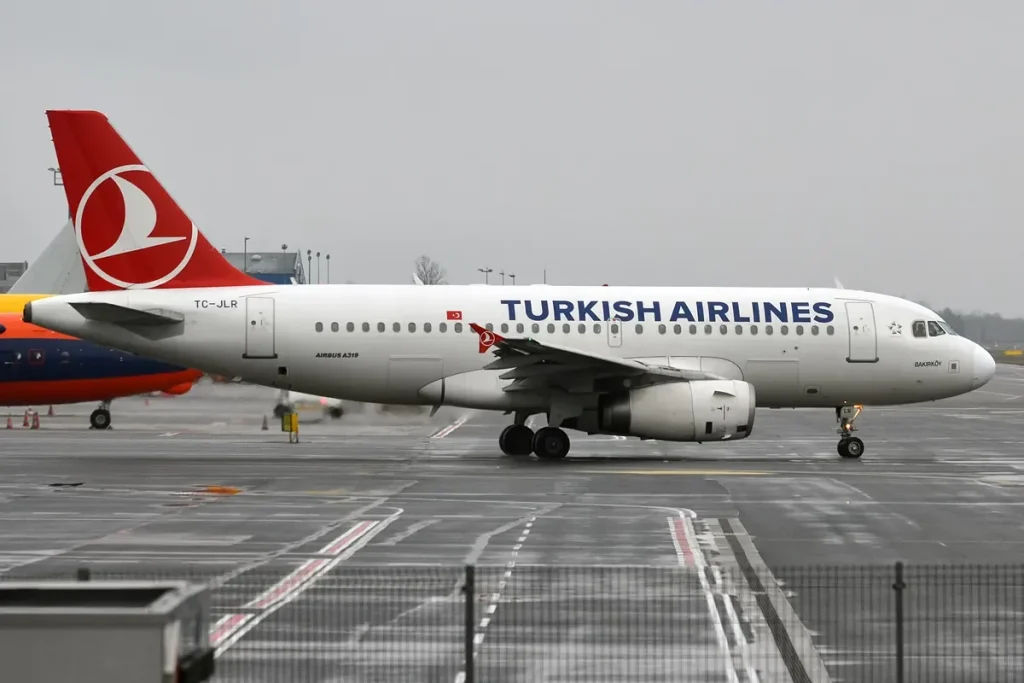
A Turkish Airlines jet touched down at Tocumen International Airport shortly before 7:30 a.m. today, Friday, August 7, and four weary Panamanian men stepped onto home soil. Their arrival sealed a weeklong diplomatic operation that saw 5 Panamanian citizens return safely after months stranded inside the Russian Federation, their lives entangled in the distant war in Ukraine.
The group’s journey back was anything but ordinary. They had been under the protective wing of Panama’s embassy in Moscow while the government scrambled to reverse a situation that had sparked heated debate back home. For officials, the successful repatriation capped an urgent consular push. But the deeper question remained: why had these men been in Russia at all, and what drove them to a conflict zone thousands of miles from the Panama Canal?
5 Panamanian Citizens Return Home After Months in Russia
The final leg of the repatriation unfolded with military precision. Orlando Murillo Murillo, Dionel Villarreta Ovalles, Rennie Blake Gladstone Adolphus, and Emmanuel Isaac Robert’s Bryan were escorted onto the Turkish Airlines flight that carried them from Moscow to Istanbul and finally to Panama City. Their arrival at 7:25 p.m. completed the safe return of all five Panamanians who had been under the care of the diplomatic legation. Two days earlier, Adrián Gabriel González had become the first to fly back, landing on August 5.
Panama’s Ministry of Foreign Affairs released a statement confirming that the repatriation process had concluded. The embassy in the Russian Federation handled the logistics, securing travel documents and coordinating with airline officials amid the chaos of a region reshaped by sanctions and military restrictions. Ambassador Carmen Ávila and her staff received specific praise for what the ministry described as tireless work to guarantee the citizens’ safe passage.
A Different Path: Who Were These Panamanians?
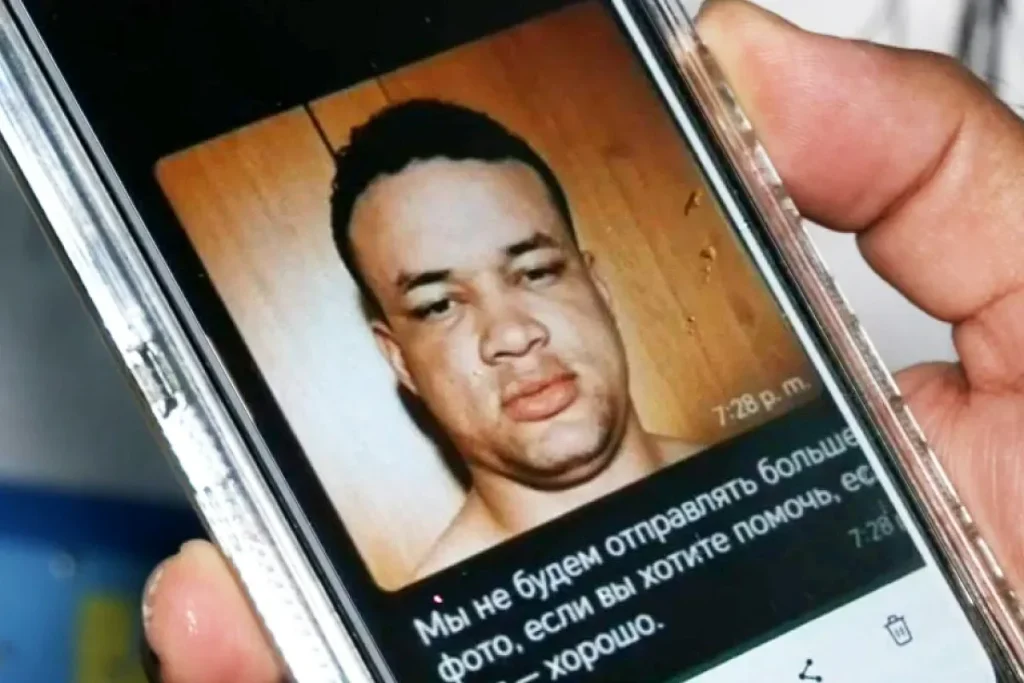
From the moment news broke that Panamanian nationals were in Russia, speculation swirled. Early reports suggested young job seekers had been lured by promises of quick money as mercenaries or support personnel. The national discussion grew louder after a Colón mother went public with a heartbreaking claim that her son had traveled to Ukraine and been killed, texting “my boy is dead” to relatives. That tragedy, still under investigation, added a layer of grief to an already sensitive file.
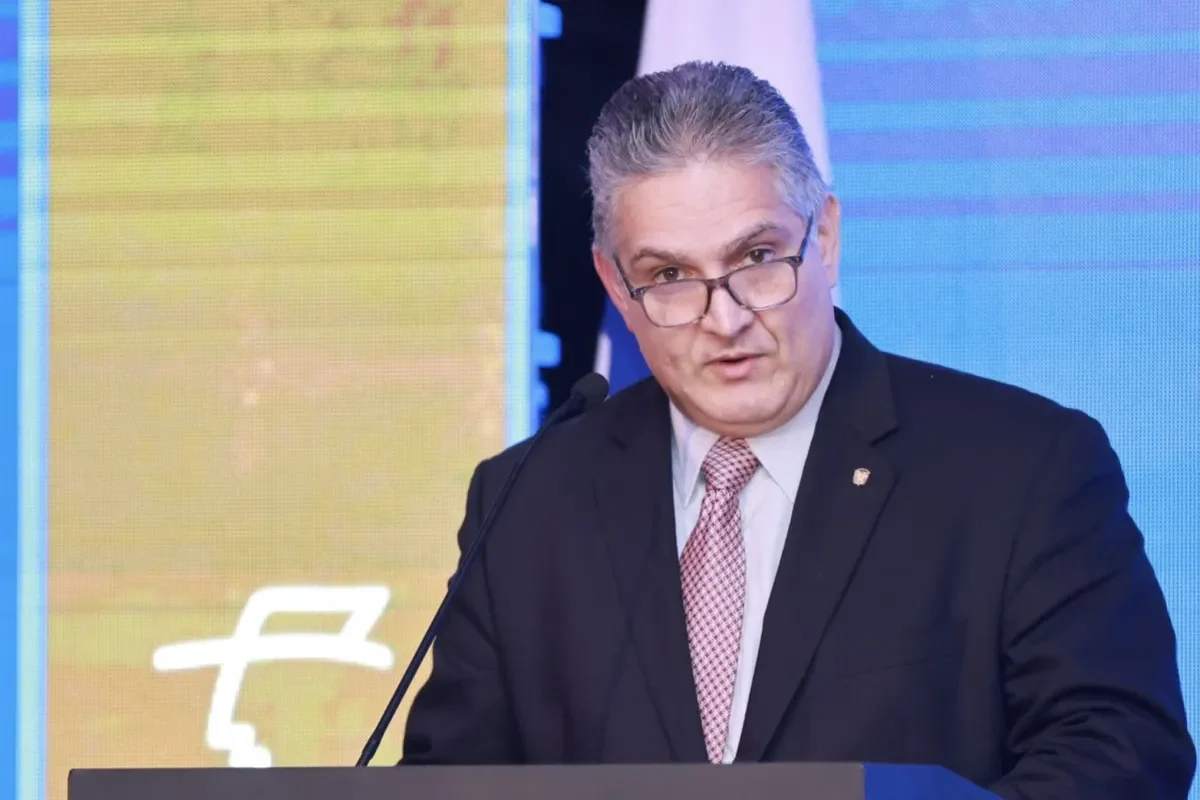
But government leaders quickly pushed back against what they called a distorted narrative. Minister of the Presidency Juan Carlos Orillac delivered a blunt correction during a press interaction, insisting the men were not desperate youths.
“This is a very particular issue for each of them, who made the decision for different reasons, and I believe there has been a distortion in saying that Panamanians, because they didn’t have employment, sought that. These are not young people, they are adults who had certain expertise.” [Translated from Spanish]
Orillac elaborated that many had come out of the security forces.
“A lot of them had left the security services, some because they retired and others because they couldn’t continue in the system for some reason; they weren’t there anymore, but they were the ones who decided to go. But we understand, and they are Panamanians. We’re going to try to provide them help through the Foreign Ministry.” [Translated from Spanish]
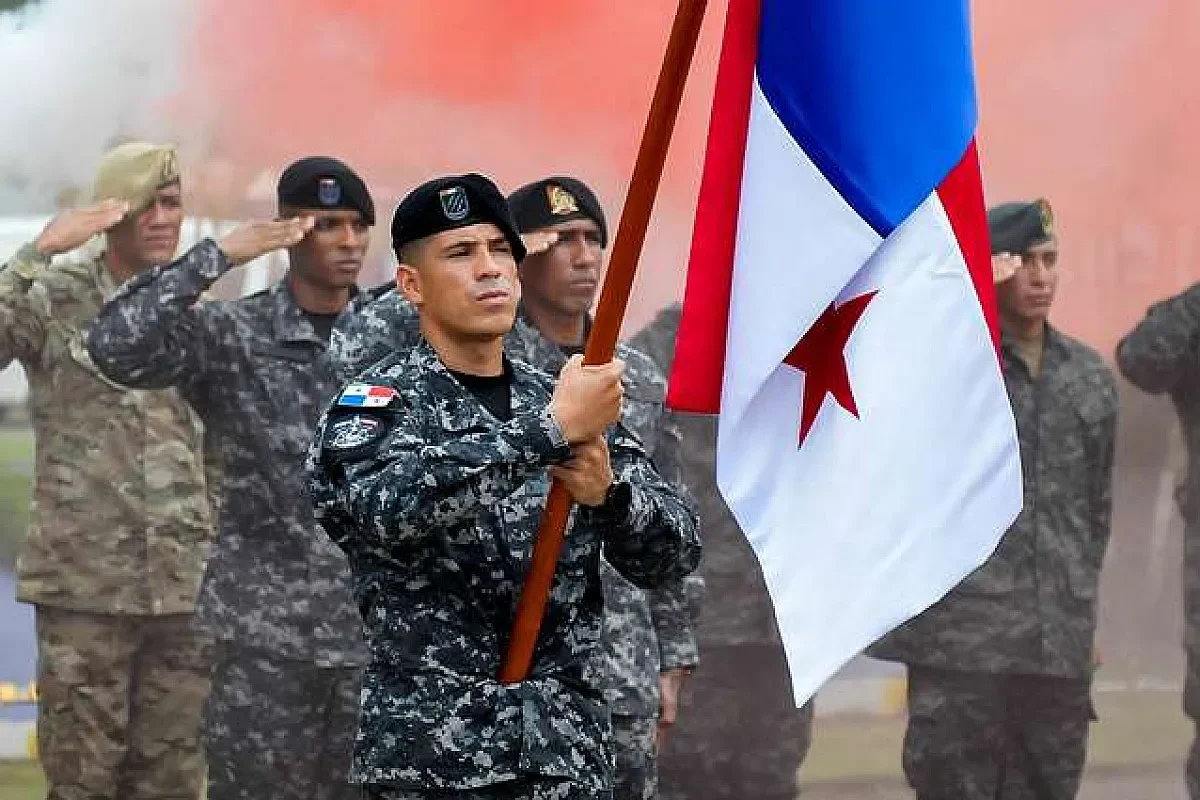
The remarks confirmed that at least part of the group possessed specialized training, a detail that aligned more with the profile of foreign volunteers or contractors drawn to active battlefields than with inexperienced migrants.
Government Denies Economic Desperation Narrative
The minister’s intervention deliberately tore down the idea that Panama’s economic struggles had pushed citizens into foreign wars. He framed the decisions as individual, not systemic. By stressing that the men were seasoned adults with professional backgrounds in security apparatuses, Orillac shifted the conversation away from victimhood and toward personal agency. That positioning was critical for a government that faced accusations of failing to stop what some called a recruitment pipeline.
Still, the administration made clear it would not abandon anyone carrying a Panamanian passport, regardless of the circumstances that put them in harm’s way. The Foreign Ministry reiterated that it would continue strengthening consular assistance and diplomatic actions aimed at supporting nationals abroad. The successful extraction of all five from Russian territory, despite severed air links and visa hurdles triggered by Western sanctions, became a demonstration of that commitment.
Diplomatic Maneuvers in the Shadow of War
Orchestrating the return of 5 Panamanian citizens from Russia during an active war in neighboring Ukraine required delicate footwork. Moscow’s relationship with much of the Western world had frozen solid, and flights to the Americas were scarce. Turkish Airlines emerged as the bridge, its Istanbul hub one of the few transit points still connecting Russian cities to Latin America. Embassy staff in Moscow worked through back channels to secure exit permits and avoid bureaucratic delays that could have trapped the men indefinitely.
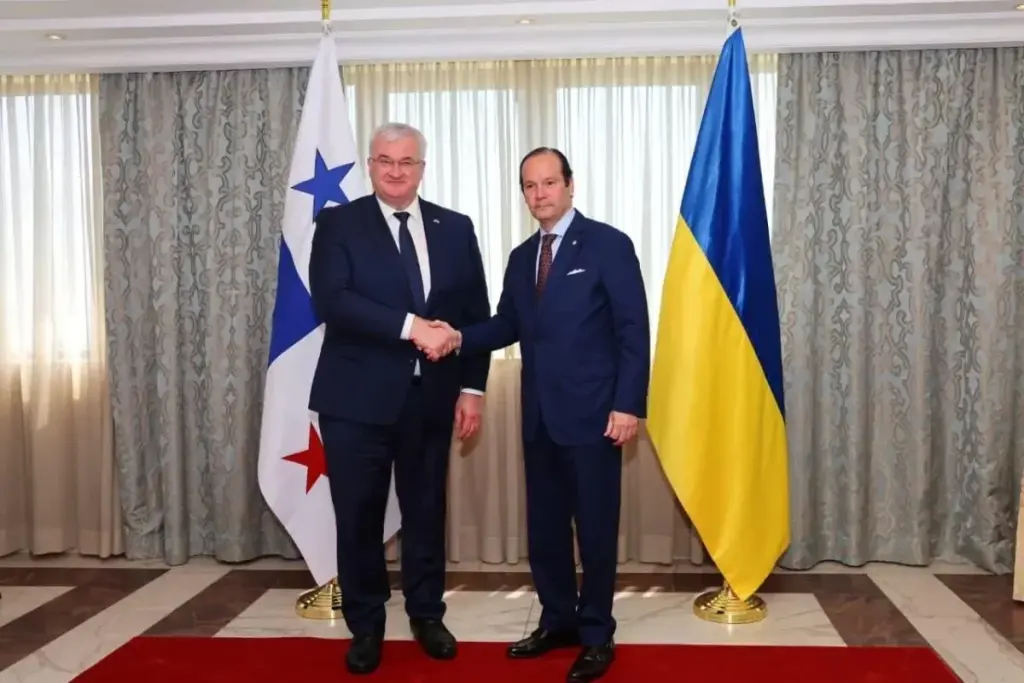
The repatriation also shed light on Panama’s broader diplomatic posture. While the nation has historically maintained a neutral foreign policy, the presence of its citizens near a front line forced a direct confrontation with the human costs of distant conflicts. The successful operation reinforced the value of maintaining embassies in volatile capitals, even when bilateral ties come under strain. Consular networks are often the only safety net for citizens who fall through the cracks, and for a week in August, that net held.
A Lingering Mystery and a Mother’s Search
Even as the final plane landed, unanswered questions hung in the air. The government’s account described five men who had chosen a dangerous path, but it did not reveal what exactly they were doing in Russia or whether they had crossed into Ukrainian territory. The earlier case of the colonense who reportedly lost his life in the conflict underscored the potential stakes. His mother’s search for truth continued, a stark reminder that not every Panamanian who ventured east would come home.
What the country witnessed in early August was a rare closure. A small group of its citizens, caught between their own decisions and the machinery of a foreign war, were pulled out through a combination of diplomatic persistence and logistical creativity. Their return highlighted the thin line between personal freedom and state protection, a line that Panama’s Foreign Ministry had just walked successfully. With all 5 Panamanian citizens return efforts now complete, the government turns its attention to preventing similar scenes from unfolding in the future, knowing that the allure of distant conflicts is not easily extinguished by geography.