


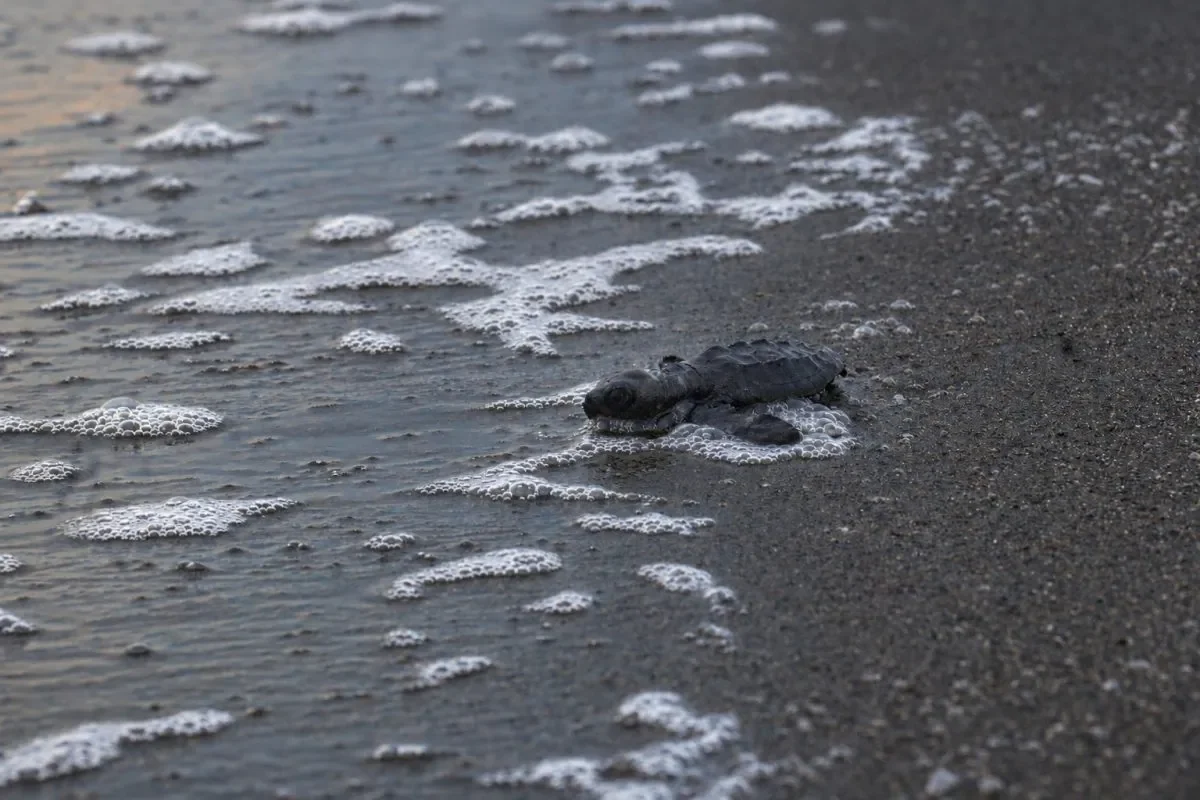
Conservationists along Panama’s Pacific coast report a sharp decline in sea turtle nesting activity weeks after a magnitude 7.5 earthquake struck the Azuero Peninsula and Veraguas region on October 9. The tremor, which hit at 12:56 p.m., altered coastal terrain during the peak of the nesting season, leaving scientists scrambling to understand what happened beneath the water and sand.
Night patrols continue at Isla Cañas Wildlife Refuge in Tonosí, Los Santos province, and at Mata Oscura in Mariato, Veraguas, but the rhythm of nesting has fallen drastically since the earthquake. Researchers are monitoring beach changes and nest counts while investigating how the seismic event affected this critical biological corridor.
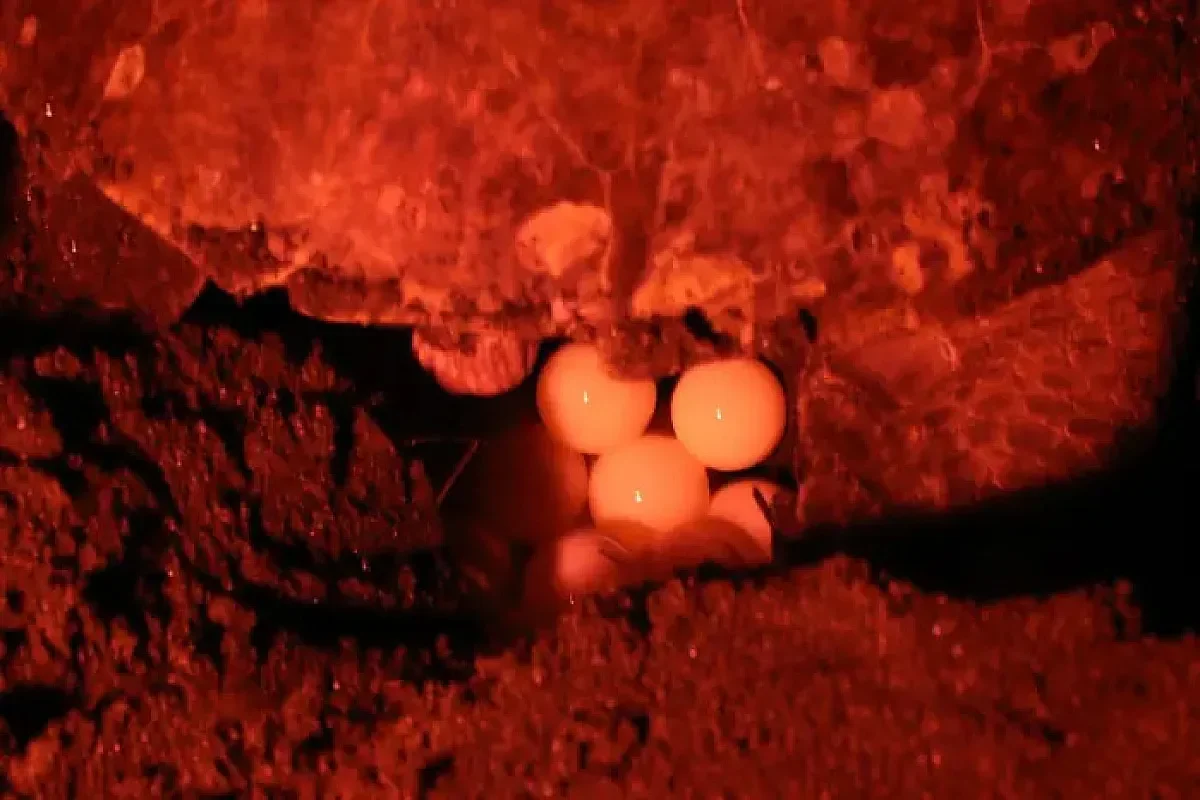
Coastal Shifts Disrupt Sea Turtle Nesting Grounds
The earthquake caused measurable changes to the coastline. The island’s soil sank up to 30 centimeters in some areas, and the sea rushed through estuaries, abruptly reshaping the shore. These sudden alterations matter because sea turtles rely on specific beach conditions to successfully lay eggs. Currents, wave patterns, water depth near shore, and beach profile all determine whether a female can safely come ashore.
At Isla Cañas, olive ridley turtles (Lepidochelys olivacea) and green turtles (Chelonia mydas) are the primary species that arrive to nest. Females emerge from the water at night, dragging themselves across the sand while sensing temperature, humidity, and slope before selecting a nesting spot. Some travel several meters inland before choosing a location; others turn back to the ocean if conditions feel wrong.
El terremoto de magnitud 7.5 del pasado 9 de octubre alteró las costas de Azuero y Veraguas y encendió las alarmas sobre la anidación de tortugas marinas https://t.co/tYMXEJEq7T
— La Estrella de Panamá (@EstrellaOnline) November 22, 2026
Pre-Earthquake Numbers Showed Strong Season
Before the ground shook, the numbers confirmed this corridor’s strategic importance. A Ministry of Environment report dated September 26, 2026, showed the artificial nursery at Isla Cañas protected more than 419 nests, equivalent to 41,982 olive ridley eggs. Nearby, the La Marinera Beach Reserve Zone in Tonosí held an estimated 800,000 eggs. By that date, 8,735 hatchlings had been released at Isla Cañas and 27,910 at La Marinera.
Maintaining those figures requires uninterrupted vigilance from 6 p.m. to 6 a.m. But the earthquake has complicated those efforts. The town near Isla Cañas remains half-empty as residents relocated to shelters following the disaster. Despite the exodus, patrol teams have not stopped their nightly rounds.
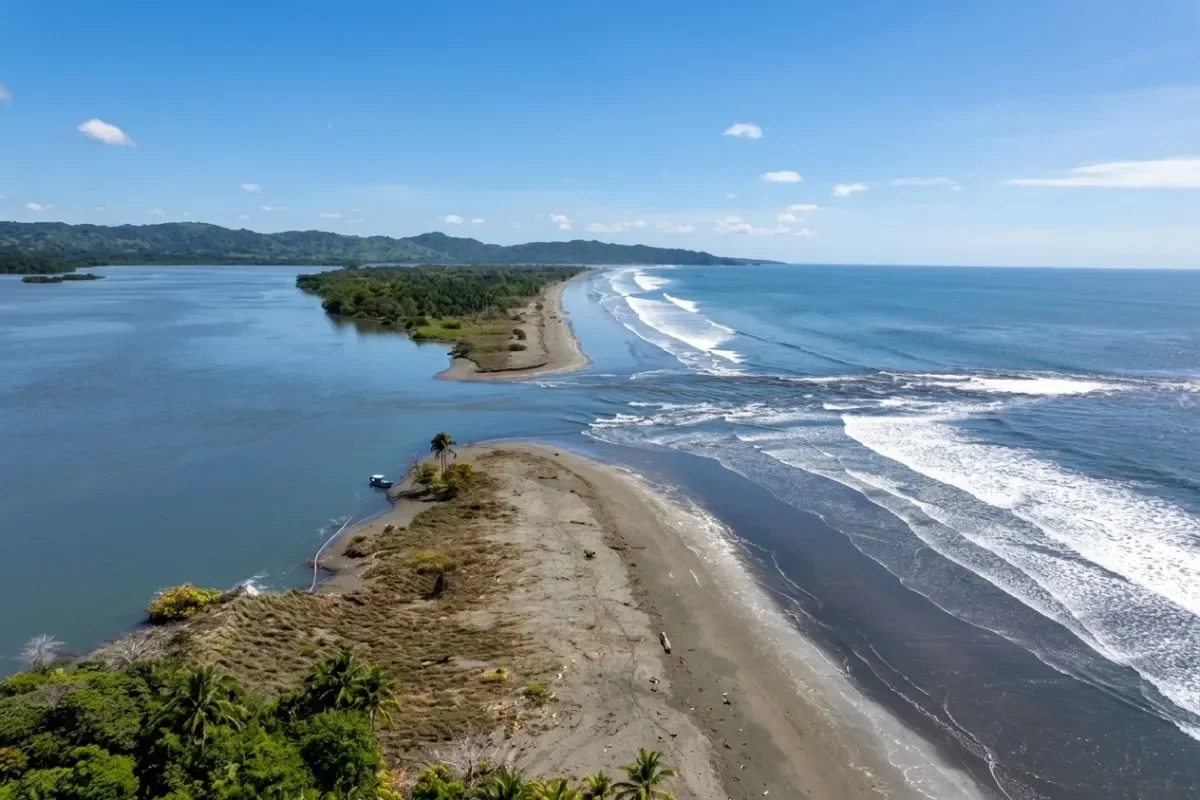
Scientists Seek Answers Beneath the Surface
The nesting decline raises questions about what changed underwater. Sea turtles spend most of their lives feeding and migrating in open ocean before instinct guides them back to their birth beaches. The final approach depends on a functioning marine and coastal system working together. Any sudden shift in coastal relief triggers concern because a beach is not a static stage but a living system shaped by tides, erosion, and crustal movements.
At Mata Oscura, conservationists watch with growing concern as nesting rates dropped sharply after the tremor. The two coasts, separated by a short distance, now share the same unresolved question about how the earthquake affected the turtles that return each year to perpetuate their species. Precise scientific measurements of the new coastal configuration are still pending.
The earthquake’s full impact on this nesting season may not be known for months. Researchers will continue monitoring nest counts, hatchling success rates, and beach conditions as they work to determine whether the decline represents a temporary disruption or a longer-term shift in sea turtle nesting patterns along Panama’s Pacific coastline.