


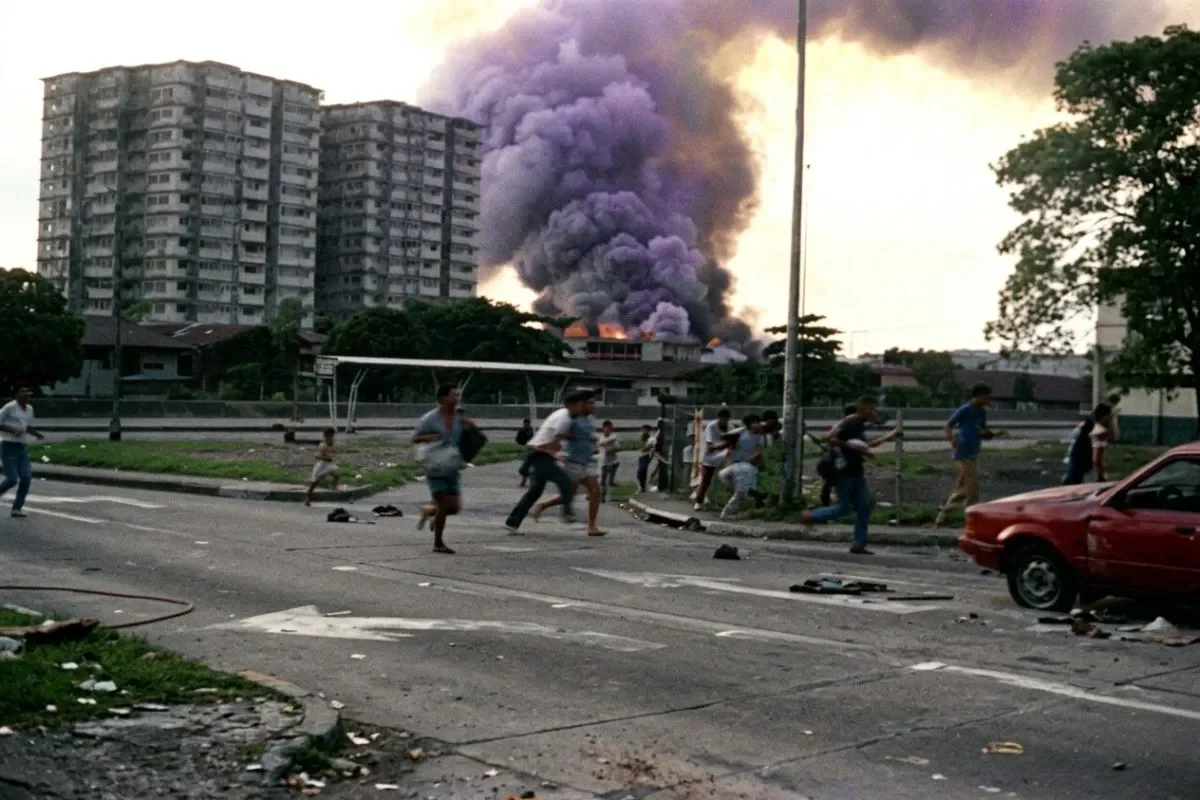
Panama’s December 20 Commission has confirmed 239 Panama invasion victims as of November 2026, while 205 additional cases remain under active investigation nearly four decades after US military forces entered the country. The updated working document includes both confirmed deaths and disappearances tied to the events of December 20, 1989, and the days that followed.
The registry remains open and subject to final review, with officials continuing to verify identities and circumstances through field investigations, genetic testing, and cross-referencing with electoral records. The commission has also removed 11 entries from its investigative list after determining they did not meet the criteria for inclusion.
DNA Testing Confirms Panama Invasion Victims
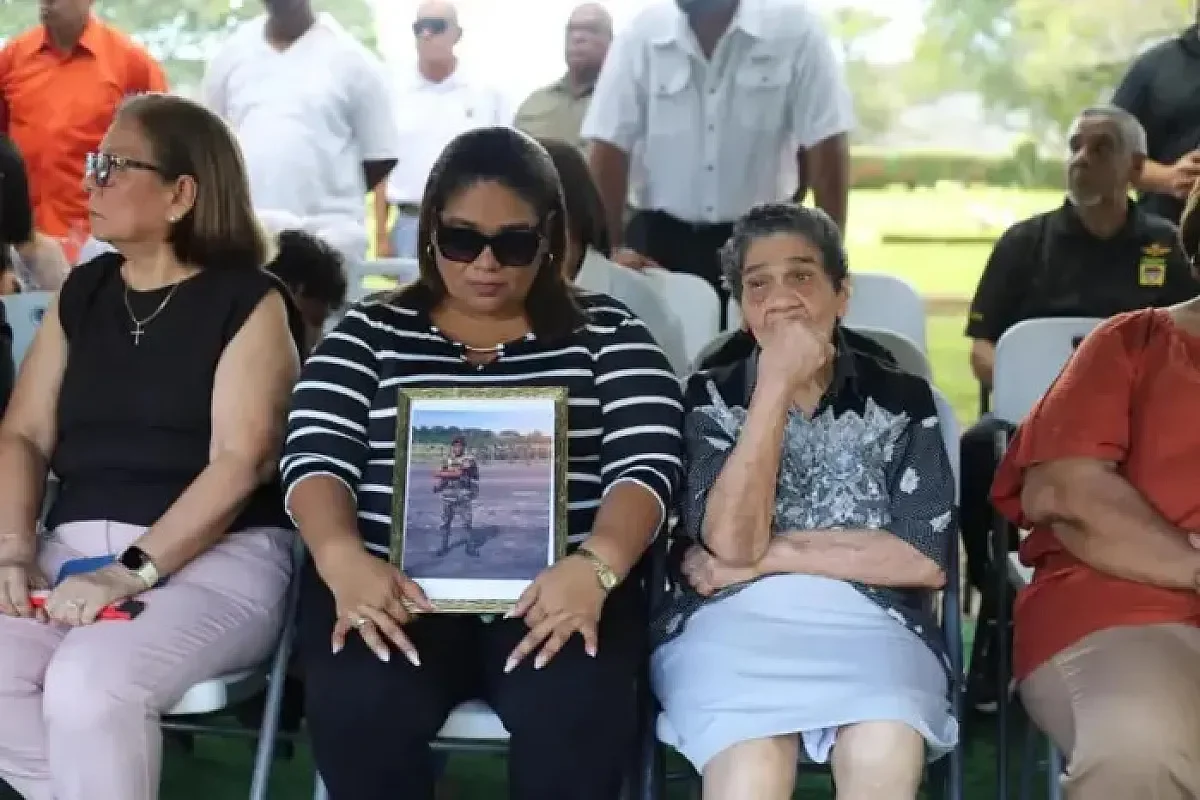
Forensic advances have played a central role in resolving long-pending cases. During 2024, genetic analyses conducted by Panama’s Institute of Legal Medicine and Forensic Sciences (Imelcf) in partnership with the Guatemalan Forensic Anthropology Foundation (FAFG) confirmed multiple identities that had remained unclear for decades.
In September 2025, investigators located remains at the old Cerro Batea Cemetery. Those remains were subsequently transferred to the Jardín de Paz cemetery. These developments mark significant progress in a process that has relied heavily on testimony from family members, human rights organizations, and documentary sources.
The commission continues to validate information against Electoral Tribunal records to determine which files qualify as confirmed cases and which should be excluded. Officials emphasized that all figures remain provisional pending final review.
#Nacionales La Comisión 20 de Diciembre de 1989 informó que ya se encuentra publicado en su página web el Registro Único de Víctimas Mortales de la invasión militar de Estados Unidos a Panamá. La entidad calificó esta actualización como un paso importante en el compromiso con la memoria histórica, el reconocimiento de las víctimas y el derecho de la sociedad panameña a conocer la verdad sobre los hechos ocurridos aquel día. Asimismo, destacó que cada nombre en el registro representa una vida, una familia y una historia que merece ser recordada con dignidad y respeto. La Comisión invitó a los familiares de las víctimas, académicos, investigadores, medios de comunicación y a la ciudadanía en general a consultar y compartir la información, la cual está disponible en el sitio web oficial de la institución. https://t.co/02Z4eSn5se
— Radio Chiriquí (@RadioChiriqui) November 21, 2026
Eleven Records Excluded After Verification
The commission’s vetting process led to the removal of 11 registrations that either duplicated existing confirmed victims or involved deaths of the invasion period. One excluded case involved Gilke Boris Ayarza, who was found alive during a 2023 field investigation by the Public Ministry.
Other exclusions included Sandra Cecilia Celis de Beliz, whose death was determined to be unconnected to the December 1989 events, and Juan Carlos López M., who died in a traffic accident days before the invasion. Julia Mendoza’s file was removed after investigators confirmed she died of cardiovascular disease on December 19, 1989, and that her name appeared twice in the registry under different entry numbers.
Several additional removals involved records that matched victims already counted in the confirmed list. These included duplicate entries for Graciela Mackay de Burgos, Raymond Monroe Dragseth, María del Carmen Montenegro, and Cristóbal Núñez Saens, among others.
Ongoing Investigation and Open Registry
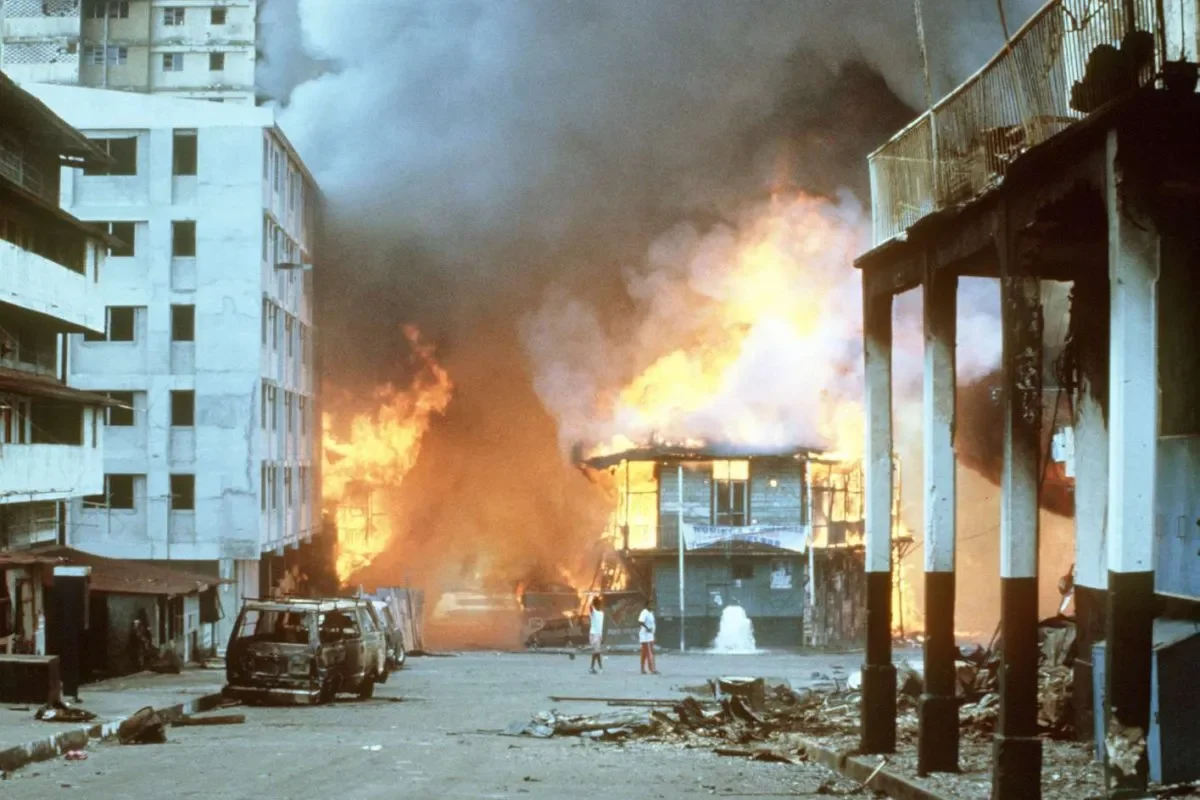
Despite the progress in identification and the cleaning of the registry, more than 200 files still await resolution. The commission’s working document draws on information gathered from victims’ relatives, human rights groups, and archival materials, with verification efforts continuing through multiple government channels.
The December 20 Commission was established to clarify the identities and circumstances surrounding deaths and disappearances during the US military operation that ousted General Manuel Noriega. The invasion, which began on December 20, 1989, resulted in civilian casualties whose exact number has remained contested for years.
The commission maintains that the registry will continue to evolve as investigations proceed. Any changes in classification or new confirmations will be reflected in future updates to the document, which remains the most comprehensive official accounting of Panama invasion victims to date.