


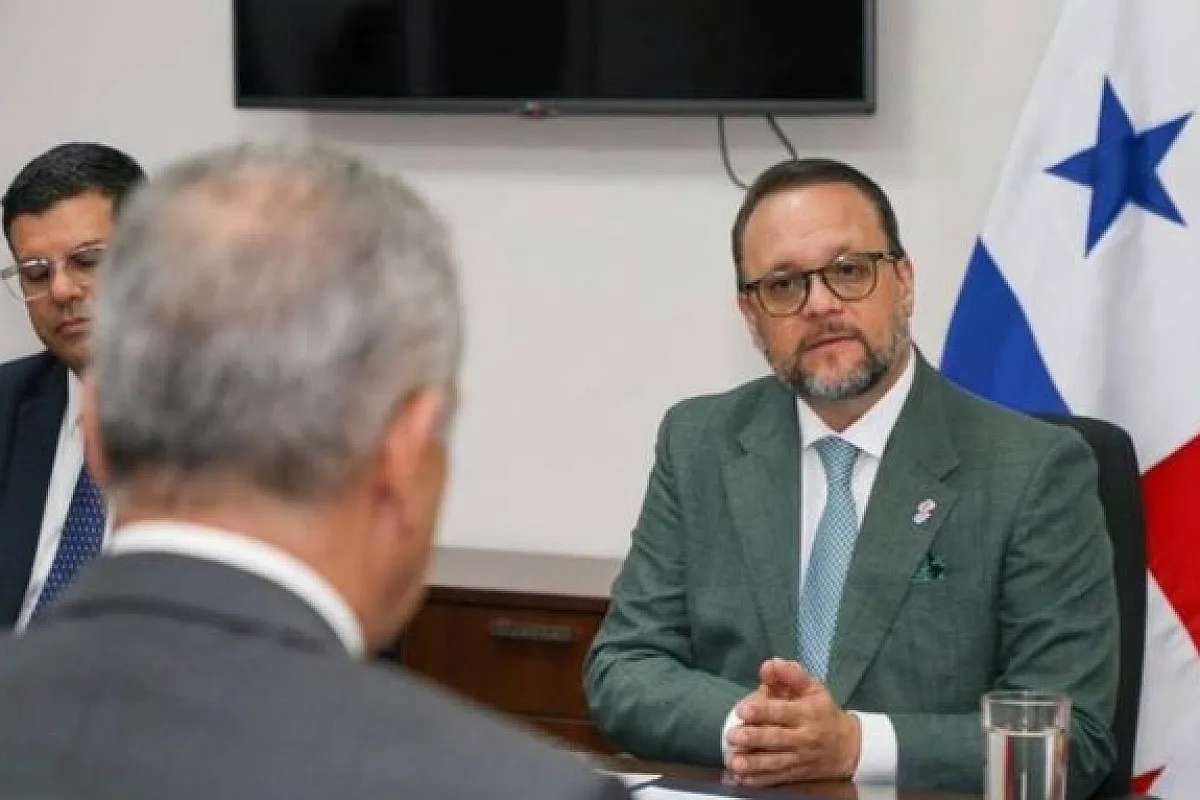
Panama’s government officially launched a formal Panama mining dialogue with First Quantum Minerals on Monday, November 23, 2026, as negotiations over the future of the Cobre Panamá project begin in Donoso, Colón province. The Ministry of Commerce and Industries (MICI) simultaneously announced a digital platform where citizens can submit opinions, observations, and recommendations about alternatives being evaluated for the suspended copper mine.
Minister Julio Moltó confirmed the citizen participation tool during an appearance on Debate Abierto, emphasizing that public input would guide decision-making. The negotiating team includes representatives from the ministries of Commerce, Economy and Finance, and Environment, operating under direct instructions from President José Raúl Mulino.
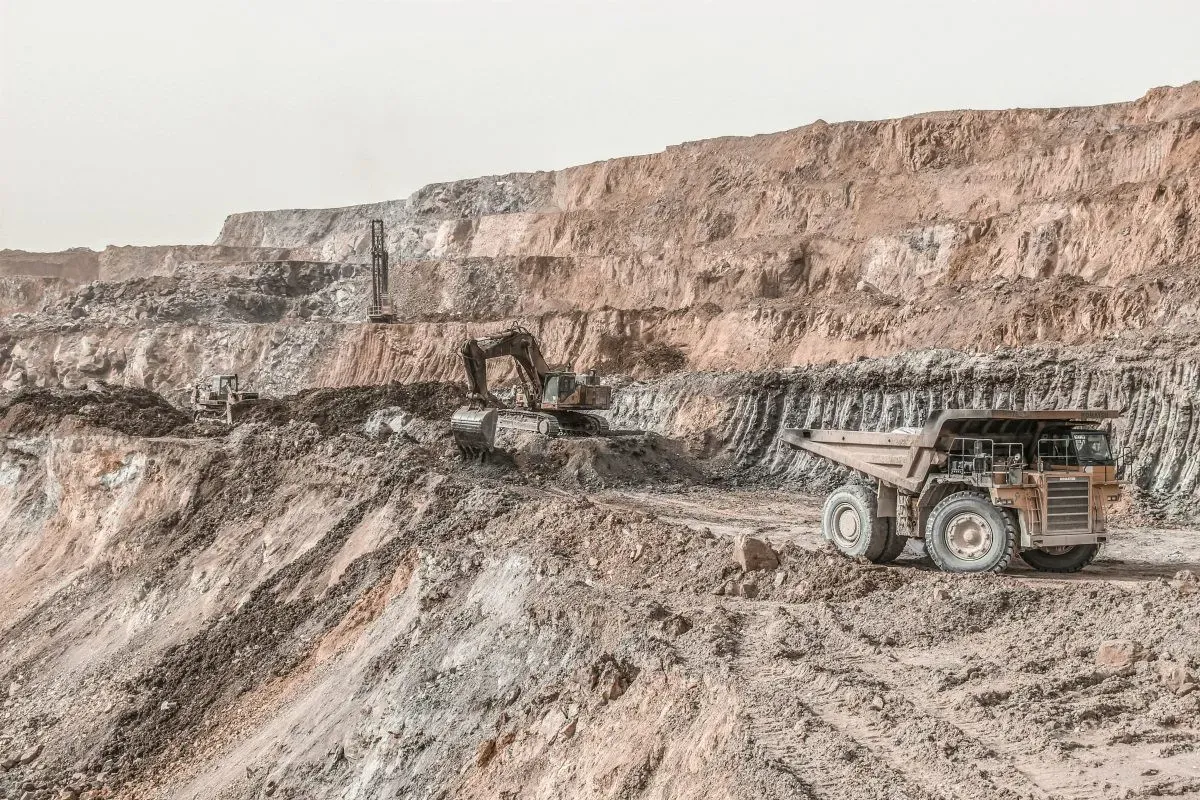
Panama Mining Dialogue Framework and Negotiating Principles
President Mulino has established clear parameters for any potential agreement with First Quantum. The government’s criteria include Panamanian ownership of mineral resources, maximum economic benefit for the state, respect for national sovereignty, environmental protection, and compliance with the Constitution and existing laws.
Any understanding must also address termination of international arbitration cases against Panama. If closure becomes the final scenario, Mulino has insisted the company finance an orderly, verifiable, and definitive shutdown without possibility of extensions. The Executive has clarified that starting conversations does not authorize reactivation of mining operations, describing the current phase as strictly dialogue and evaluation.
El gobierno explicó que no se trata del inicio de la negociación con la empresa, sino la comunicación formal de la apertura de un proceso de escucha y diálogo. https://t.co/aQfq2ybuk0
— El Siglo de Panamá (@elsiglodigital) November 23, 2026
Citizen Participation Under Escazú Agreement Standards
The digital platform aligns with transparency criteria established under the Escazú Agreement, which guarantees access to environmental information and public participation in environmental matters. Moltó stated that authorities will explain how citizen input was considered and what motivated final decisions.
“Listening to Panamanians is a priority” [Translated from Spanish]
The minister assured that opinions from mining supporters, skeptics, and opponents would all be considered, with special attention to communities near the project site. Economy and Finance Minister Felipe Chapman confirmed the process would evaluate available alternatives to determine what serves the country best.
Business Sector Demands Transparency in Negotiations
The Panamanian Association of Business Executives (Apede), led by Alberto López Tom, has called for technical backing and dialogue spaces that build national consensus. The business group wants the negotiating team to explain the legal framework for any potential agreement, how it would align with the November 2023 Supreme Court ruling, and what obligations each party would assume.
Apede also requested oversight mechanisms for state revenues and clarity on how funds would be invested in communities near the project. On environmental matters, the association pointed to deficiencies identified during the comprehensive mine audit, particularly regarding ecological restoration, monitoring, and risks from exposed rock material. The group emphasized that citizens must understand the benefits, costs, and risks of any proposal, along with guarantees that the company would fulfill its commitments.