


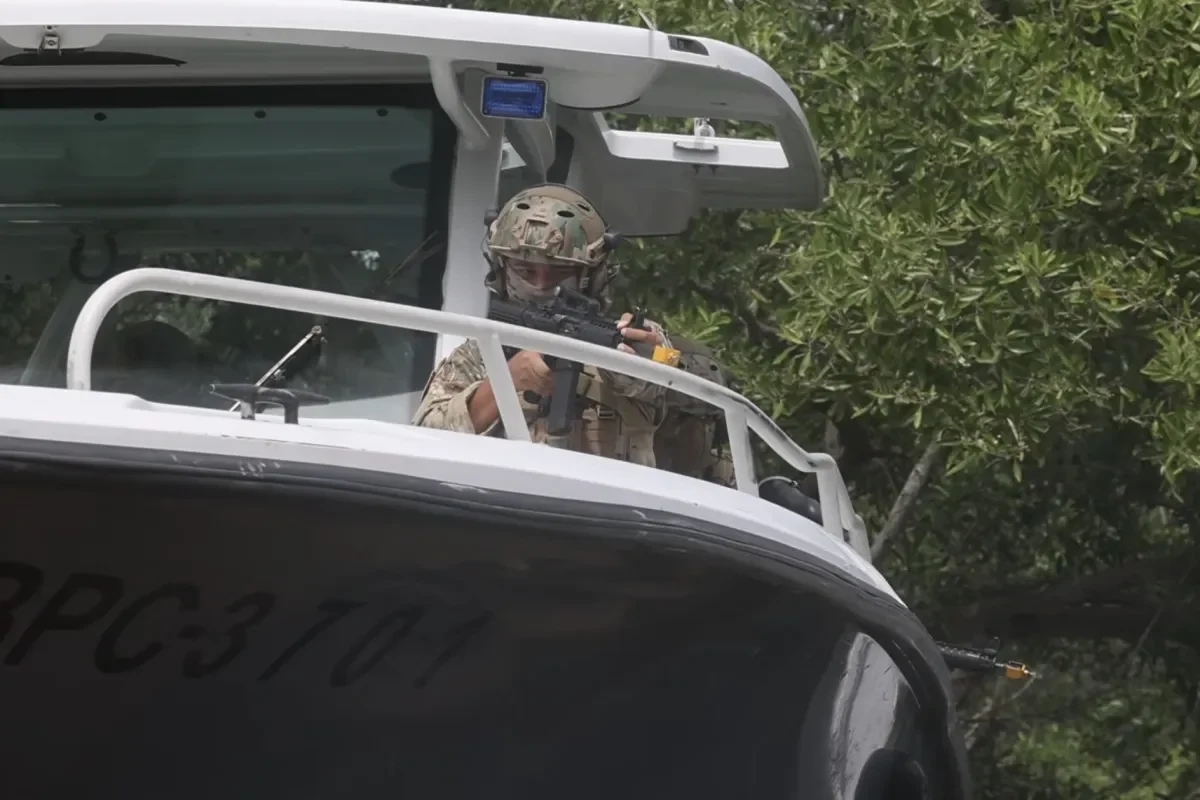
The crackle of simulated gunfire across the Pacific entrance to the waterway signaled a new phase in the multinational canal exercise known as Panamax 2026. Special operations teams from multiple nations converged on a suspicious vessel early this week, replaying a scenario in which intelligence suggested terrorists were attempting to transit the canal with hostile intent. The drill, unfolding since August 3, brought together more than 1,700 personnel from 21 countries to test how allied forces would protect the crucial trade route against evolving security challenges.
Simulated Assault Recreates Vessel Takeover Scenario
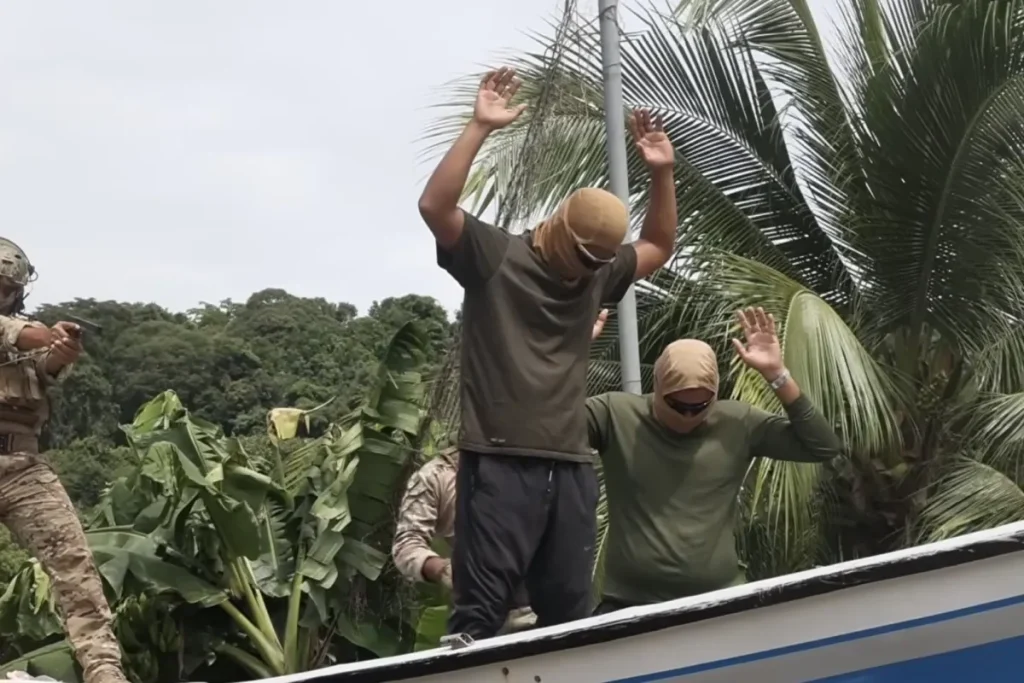
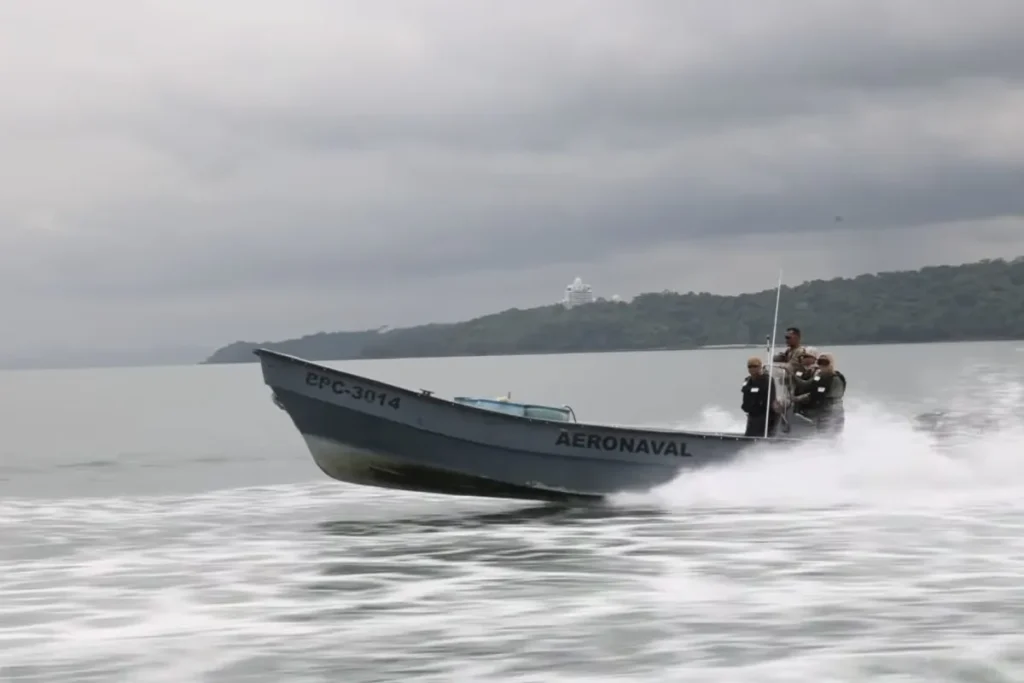
Three tactical boats, each carrying roughly 15 operators, sliced through the water to intercept the flagged ship. After bursts of controlled gunfire rang out, reaction units boarded the vessel and moved swiftly to neutralize the mock attackers. The exercise forced participants to rely on force to gain control of the occupants and secure the craft within a narrow operational window. Cristian Escala, subcommissioner of Panama’s National Aeronaval Service (Senan), described the logic behind such a drill in stark terms.
“A vessel is considered a threat that could, in one way or another, threaten the security of the Panama Canal, if it were to be used as a weapon” [Translated from Spanish]
Escala noted that the opposing force in the simulation used irregular equipment taken from public security arsenals, with personnel acting as members of a group he referred to as “BML,” a stand-in for extremist violent actors. The high-stakes rehearsal underscored how quickly canal defense forces must pivot from routine patrol to full-throttle intervention.
The Clock Behind Canal Security Operations
Authorities don’t measure response times in hours, they measure them in minutes. Protocols activated during the multinational canal exercise dictate that any vessel triggering a threat alert must be engaged within 15 to 30 minutes. Full command and control of the ship, from initial breach to final securing of all compartments, should be completed in roughly one hour, with a hard ceiling of 90 minutes. The tight timeline reflects the reality of the waterway’s geography: a disabled or weaponized ship drifting into locks or narrow passages could paralyze a conduit that handles about 5 percent of global maritime trade.
That speed requirement drove the choreography observed this week. After the first shots were heard, the reaction group didn’t hesitate, moving directly into the vessel to isolate and contain the threat. Observers noted that the drill also forced coordination between airborne surveillance, maritime interceptors, and on-shore command centers, each feeding real-time data to the teams in the water.
Multinational Canal Exercise Broadens Its Scope Beyond Combat Drills
While the vessel takedown grabbed attention, Panamax 2026 is designed as a sprawling test of joint capabilities. The exercise weaves together land-based security actions, aerial tracking, and use of detection technology to locate potential hazards before they reach critical infrastructure. Organizers also injected humanitarian assistance and rescue operations into the program, pushing participating forces to switch gears from neutralizing threats to evacuating civilians and delivering aid. The mix of scenarios aims to evaluate how seamlessly the 21 nations can combine their command structures when the canal and its surrounding areas face strategic risks.
This year’s edition continues a tradition stretching back to 2003, when regional defense planners conceived the Panamax series to safeguard a chokepoint indispensable to the global economy. The combined force now routinely rehearses everything from counterinsurgency sweeps along jungle banks to digital warfare responses, reflecting an awareness that the next real crisis might not announce itself with gunfire.
Escala emphasized the importance of that unpredictability. He said the portion where public force units simulated an extremist faction helped stress-test instincts that no standard checklist can fully capture. In his words, the drill forced participants to confront the messy reality that a threat group may
“utilize equipment that our own units commonly operate, making identification in the heat of the moment much harder.”
Regional Stability and the Realities of Canal Operations
The exercise arrived against a backdrop of continuous operational adjustments along the interoceanic route. Just days earlier, the Panama Canal Authority announced that draft limits for neopanamax vessels would tighten again starting at the end of August, a response to the prolonged rainfall deficits that have challenged water levels in the lake system. Although un
to the security maneuvers, the draft announcement highlights the dual pressure the canal faces: protecting its physical infrastructure from climatic shocks while simultaneously hardening it against human threats.
For participating nations, the drills offer more than a tactical tune-up. Countries as far-flung as Brazil, Colombia, and the United States send personnel who return home with improved familiarity with Panama’s specific waterways, lock systems, and jungle corridors. That institutional knowledge is something no manual can transfer, and it becomes vital if a future emergency demands rapid reinforcement from abroad.
By the time the last team extracted from the hull and the cease-fire signals echoed across the water, the exercise had again demonstrated why the Panama Canal remains a key guarded stretches of commerce on earth. Planners will now pick apart every error and delay, using the lessons to rewrite procedures long before the next multinational canal exercise weaponizes a new set of what-if scenarios.