


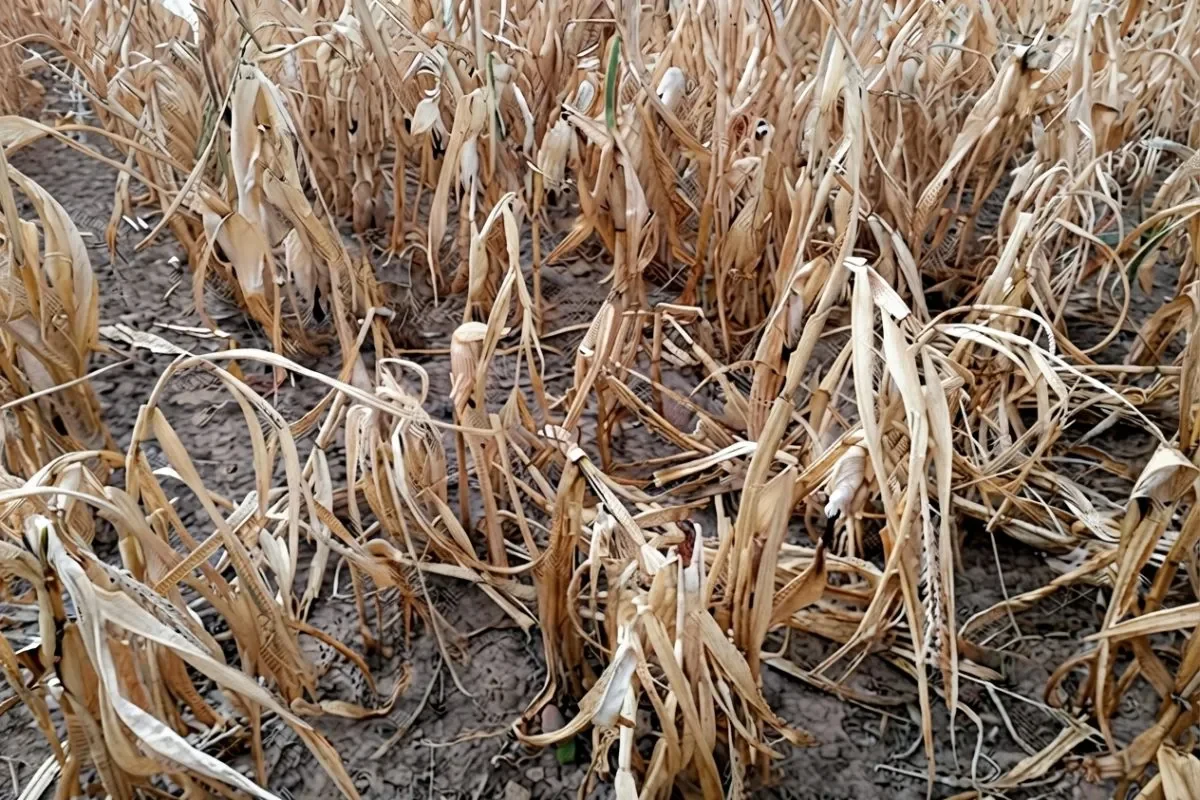
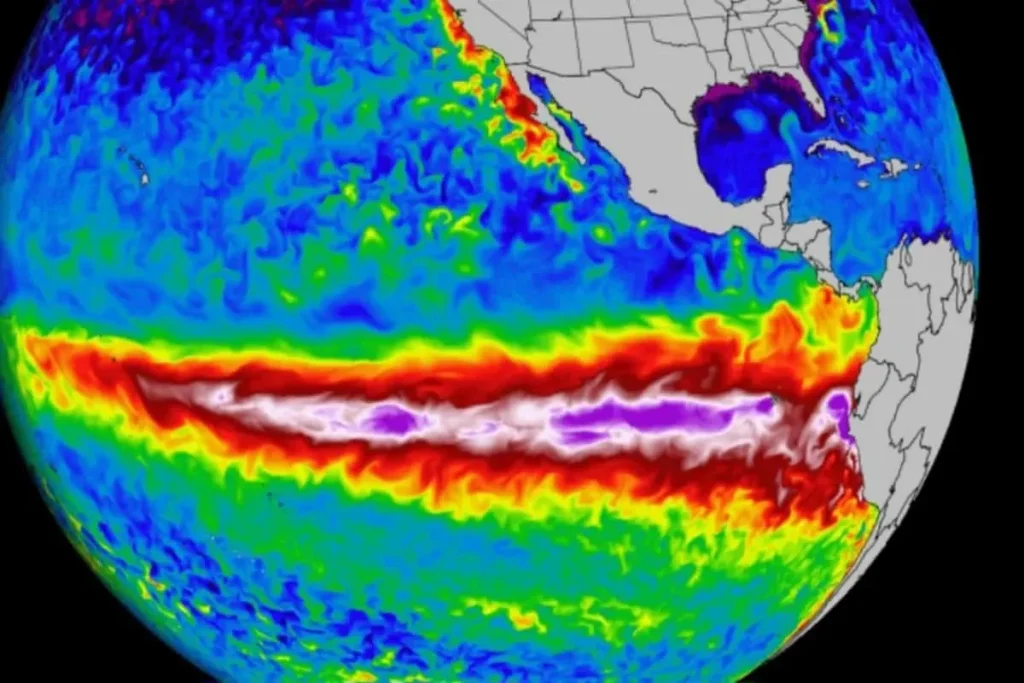
More than two months of insufficient rainfall have placed severe strain on rice crops in Natá, Coclé province, leaving small-scale producers in the community of Olivo facing potential total loss of their annual investment. The drought, linked to ongoing El Niño conditions, has dried out soil across the region and stunted plant development at a critical growth stage.
Local farmers report that rain has fallen only twice during the entire period, with neither event delivering enough water to sustain the rice paddies. The affected zone lies within the El Caño corregimiento, where agricultural families depend almost entirely on seasonal rainfall for irrigation.
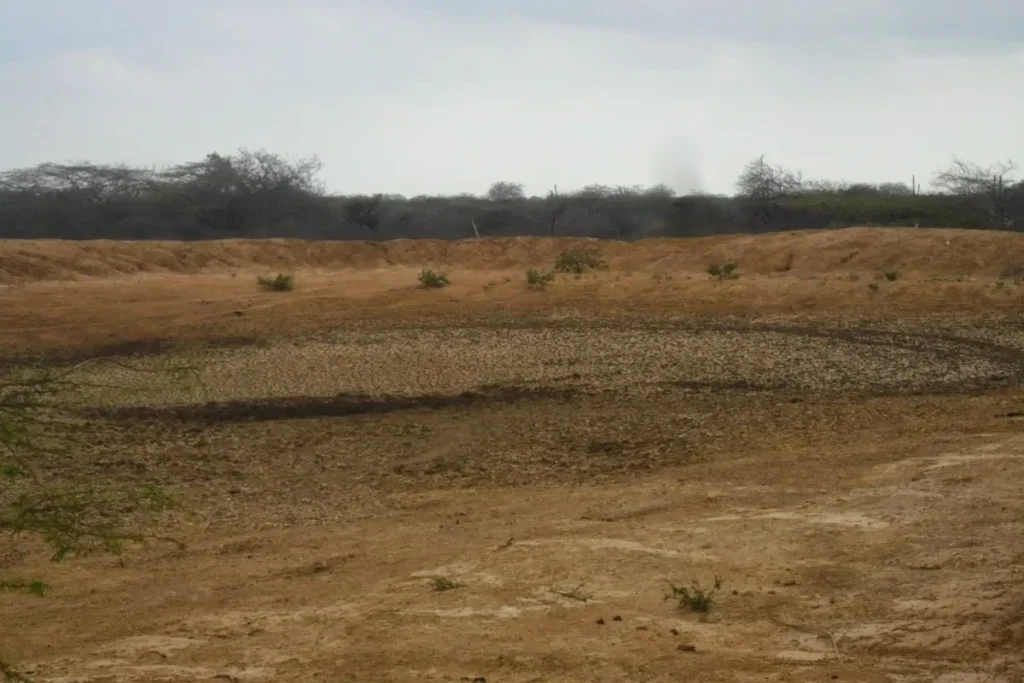
Cocle Farmers Affected by Prolonged Dry Spell
The dry conditions have already produced visible damage across planted parcels. Soil moisture has dropped to levels that prevent proper nutrient absorption, and young rice plants show clear signs of stress. Without immediate rainfall, producers say the harvest cannot recover.
Farmers in Olivo have cultivated more than 10 hectares of rice, investing approximately $2,000 per hectare. Individual plots range from 1.5 to 2 hectares, though some producers manage larger areas. These smallholders typically finance operations through personal savings accumulated over the previous year, making the current drought a direct threat to household financial stability.
Economic Losses Mount for Small Rice Producers
The financial exposure extends beyond the cost of seed and labor. Producers have already exhausted available resources attempting to salvage their fields. Additional irrigation is not feasible given the lack of accessible water sources and the prohibitive cost of pumping equipment for small operations.
Agricultural experts note that El Niño patterns typically reduce rainfall across Panama’s Pacific slope during the latter half of the year. The current dry spell aligns with those predictions, though its duration has exceeded local expectations. Farmers who planted anticipating normal September rains now confront the reality of a failed season.
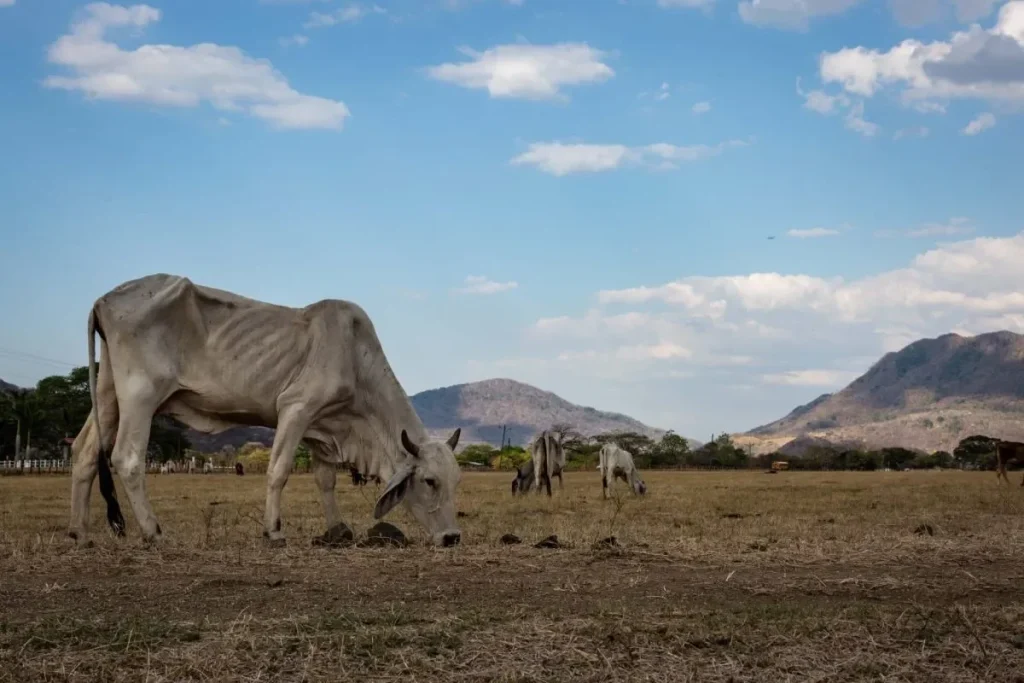
Government Support Requested as Crisis Deepens
Producers have formally requested assistance from the national government. They seek programs or strategies that would allow them to recover at least a portion of their invested capital and maintain productive capacity for the next planting cycle.
The situation in Natá reflects broader climate pressures affecting Panama’s agricultural sector. Rice remains a staple crop for domestic consumption, and prolonged production shortfalls could influence food prices in coming months. For now, the immediate concern rests with families in Olivo who watch their fields deteriorate without relief in sight.