


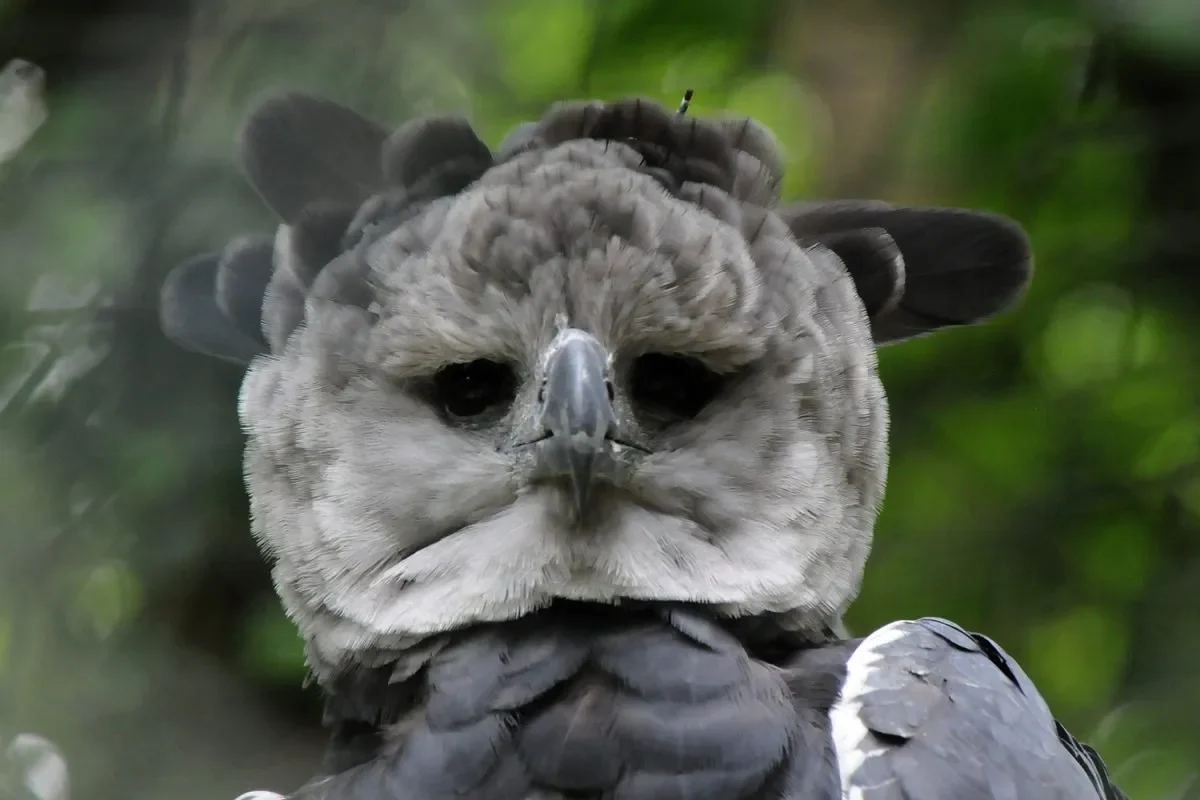
Panama City is marking a major milestone for harpy eagle conservation this Sunday, September 20, as the country’s beloved avian ambassador turns 17 years old. The celebration unfolds at the Botanical Garden and Summit Municipal Park, where “Panamá,” the eagle who has become the face of her species’ survival, has resided since arriving from Zoo Miami in June 2013.
The Alcaldía de Panamá organized the day-long event starting at 10:00 a.m., designed to draw families, residents, and international visitors into the conversation about protecting this endangered raptor. Admission includes access to environmental stands, children’s games, and recreational trails that wind through one of the city’s most important green lungs.
Why Harpy Eagle Conservation Matters in Panama
The harpy eagle stands as the largest and most powerful raptor in the Americas, with talons comparable in size to grizzly bear claws. Panama designated this species as a national symbol precisely because its presence indicates a healthy, intact forest ecosystem. Yet deforestation and habitat fragmentation have pushed the bird toward local extinction in many regions, making captive ambassadors like “Panamá” critical for public education.
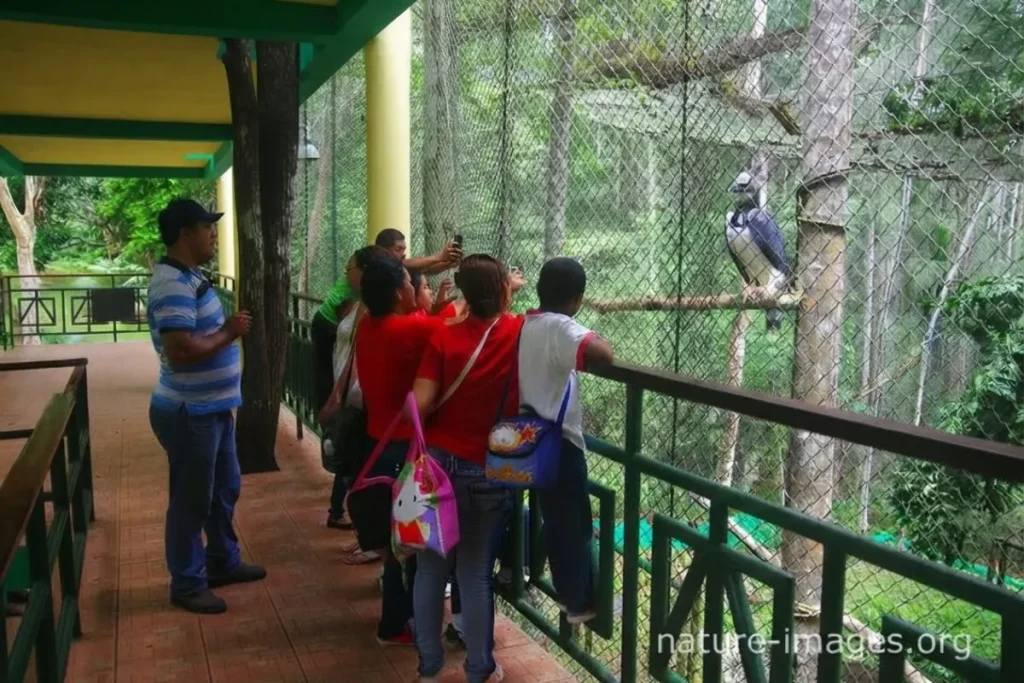
Born in September 2009 at Zoo Miami, the eagle arrived in Panama as a juvenile and has since become a living classroom. Her specialized enclosure at Summit Park allows visitors to observe her immense wingspan and distinctive double crest up close, something nearly impossible in the wild. Biologists working with the park emphasize that each visitor who leaves understanding the eagle’s role in controlling monkey and sloth populations becomes an advocate for forest protection.
Summit Park and Gamboa Offer Unique Wildlife Access
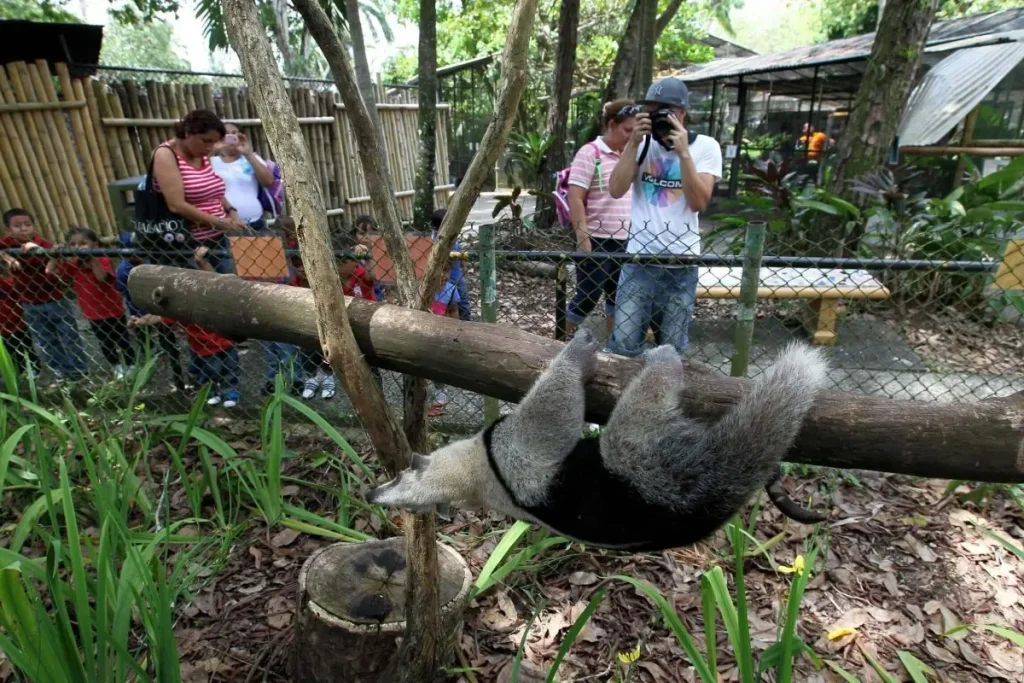
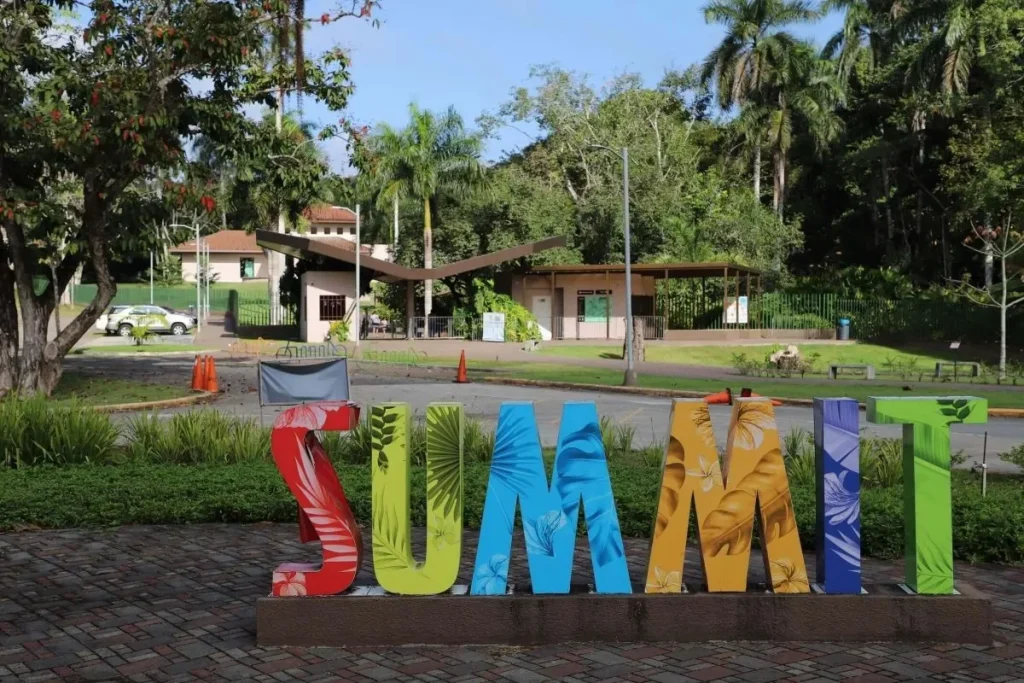
Summit Municipal Park sits approximately 30 minutes from downtown Panama City along the Gaillard Highway, functioning as both a botanical garden and a rehabilitation center for native wildlife. Unlike a traditional zoo, Summit focuses on species recovery and environmental education, with enclosures integrated into secondary forest habitat. The park’s elevation and rainfall patterns support collections of tropical plants that attract birdwatchers year-round.
Just 20 minutes further lies Gamboa, a former Canal Zone town at the meeting point of the Chagres River and the Panama Canal. Gamboa serves as the gateway to Soberanía National Park, where wild harpy eagles still nest in the canopy. Expats and tourists frequently combine a Summit visit with a Gamboa boat tour or a ride on the aerial tram, creating a full day of ecological immersion without venturing far from the capital.
Adventure Activities and Community Engagement
This year’s birthday celebration introduces Summit Xtremo, an adventure zone featuring zip lines, a ropes course, and a climbing wall. Younger attendees can access inflatables and water slides, while a cultural gastronomy area showcases Panamanian food vendors. The combination of adrenaline activities and conservation messaging represents a deliberate strategy by city officials to reach audiences who might not otherwise attend an environmental event.
“Panamá” was born in September 2009 at Zoo Miami in the United States. She arrived in the country in June 2013 and was placed in a special space prepared at Summit Park. [Translated from Spanish]
Organizers expect strong attendance from both local families and the expat community, many of whom live in nearby Clayton and Albrook. The event runs through the afternoon, giving visitors time to explore the park’s extensive trail network after participating in the scheduled activities. Conservation groups will staff informational booths throughout the day, providing resources on how residents can support habitat protection in the Canal watershed and Darién province, where the country’s last viable harpy eagle populations remain.