


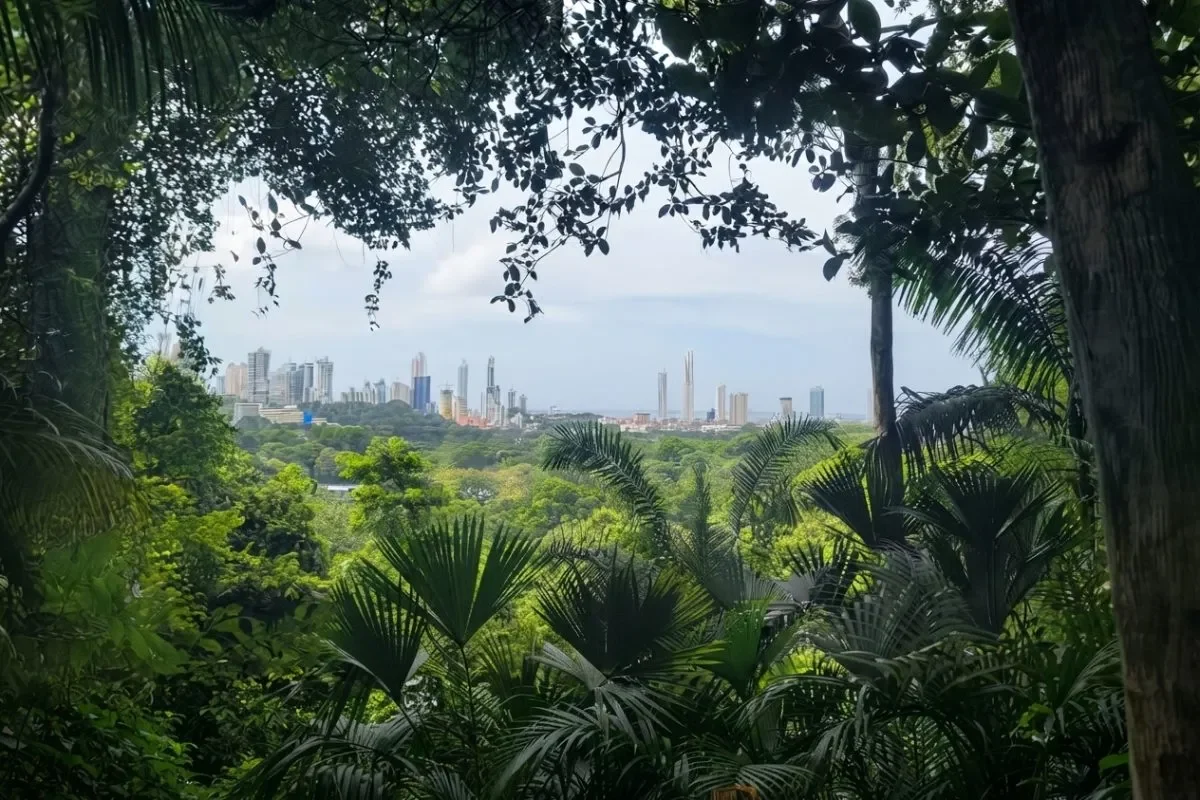
Panama has already surpassed the international target of conserving 30% of its terrestrial and marine areas by 2030, with protected areas management now covering 33% of its land territory and 54% of its territorial waters, according to government officials preparing for a major biodiversity conference next year.
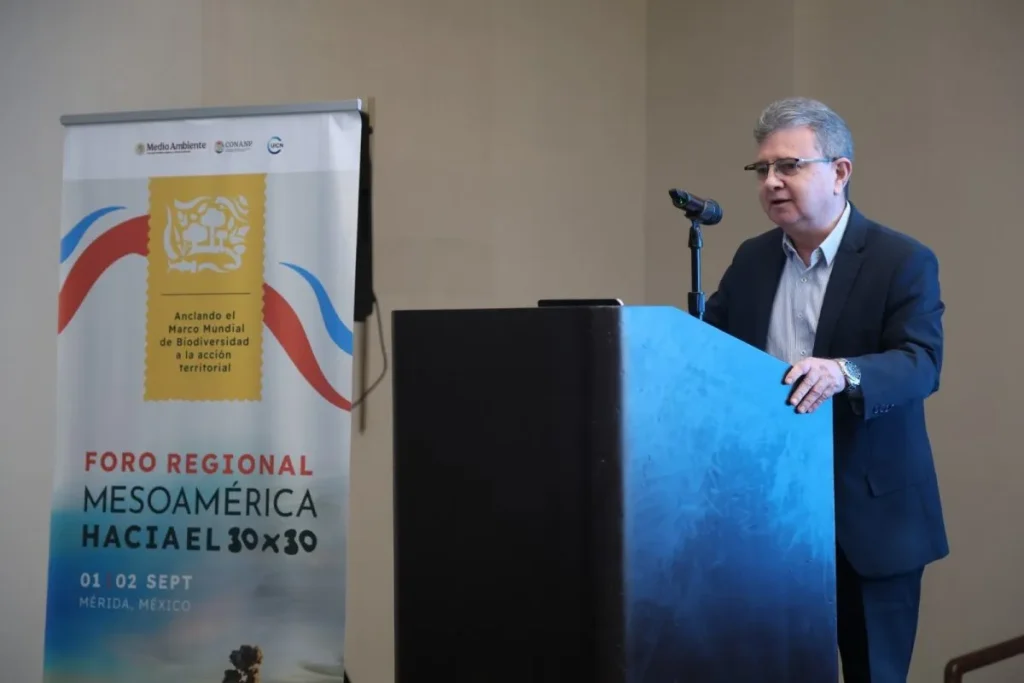
The announcement came as Environment Vice Minister Oscar Vallarino presented the country’s progress at the Regional Forum “Mesoamerica towards 30×30” held in Mérida, Mexico. The gathering focused on building a roadmap to fulfill Target 3 of the Kunming-Montreal Global Biodiversity Framework.
Protected Areas Management and Regional Cooperation
Panama’s conservation strategy extends beyond domestic borders. Vallarino highlighted joint efforts with Costa Rica in managing the La Amistad International Park (PILA), a binational conservation territory administered through coordinated mechanisms between both countries. The Binational Technical Unit, known as UTEB-PILA, enables shared governance and technical coordination across the frontier.
“Currently, both countries have a Binational Management Plan that guides joint actions in control, surveillance, monitoring, research, climate change, community participation and institutional strengthening,” Vallarino said [Translated from Spanish]. The plan concentrates on protecting the area, tracking ecosystem health, and maintaining ties with local communities.
Funding and Institutional Support
The Central American Landscape Linking Program has contributed $851,789.08 since 2021 to strengthen management effectiveness, connectivity, and governance of PILA and San San Pond Sak. The initiative receives financing from the German Development Bank with execution handled by the International Union for Conservation of Nature (IUCN).
Vallarino also emphasized the role of the Panama Natural Fund in advancing measures tied to the 30×30 objective and supporting populations living near conserved territories. The regional forum was organized by IUCN, Mexico’s Secretariat of Environment and Natural Resources, and the National Commission of Natural Protected Areas, with backing from the Global Environment Facility, the German Development Bank, and the Government of Canada.
Preparing for the 2027 World Congress
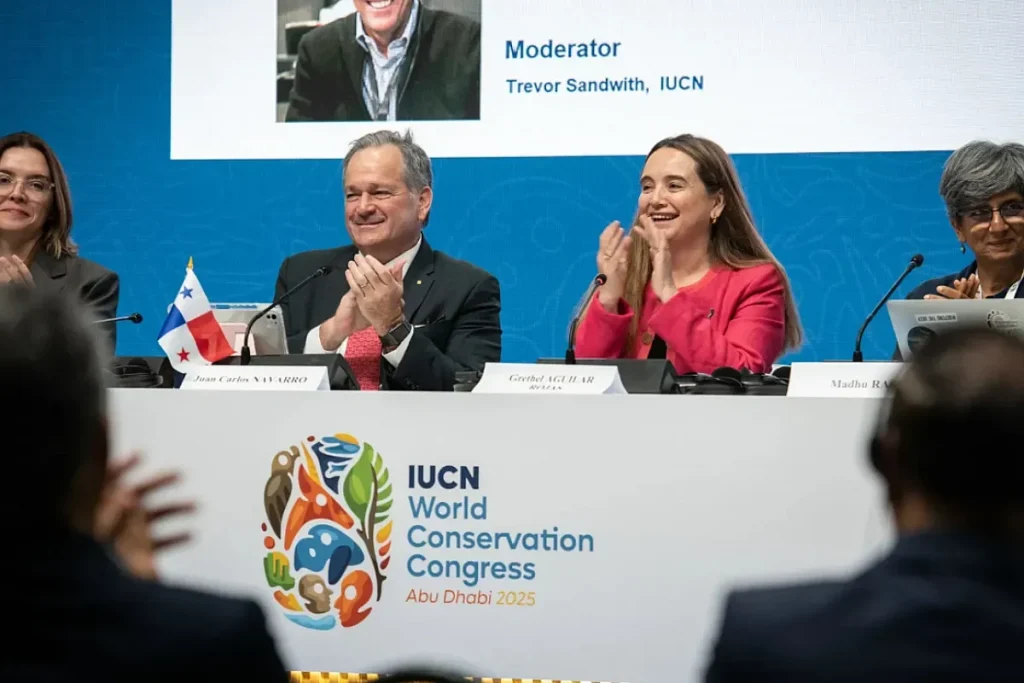
The country now turns its attention to hosting the World Congress on Protected and Conserved Areas in September 2027. The event will bring together representatives from the international biodiversity protection community, positioning Panama as a regional leader in conservation efforts.
Despite surpassing the 30×30 target, authorities acknowledge persistent challenges. Panama seeks to improve ecological connectivity, monitoring systems, and overall management of its protected zones. Officials emphasize the need for territorial presence, sustainable resources, and community participation to achieve permanent conservation outcomes.
The forum in Mérida brought together environmental authorities, indigenous representatives, scientists, and cooperation agencies to coordinate regional approaches to biodiversity protection. Panama’s participation signals its commitment to transforming regional commitments into concrete conservation measures, financing mechanisms, and community support programs.