


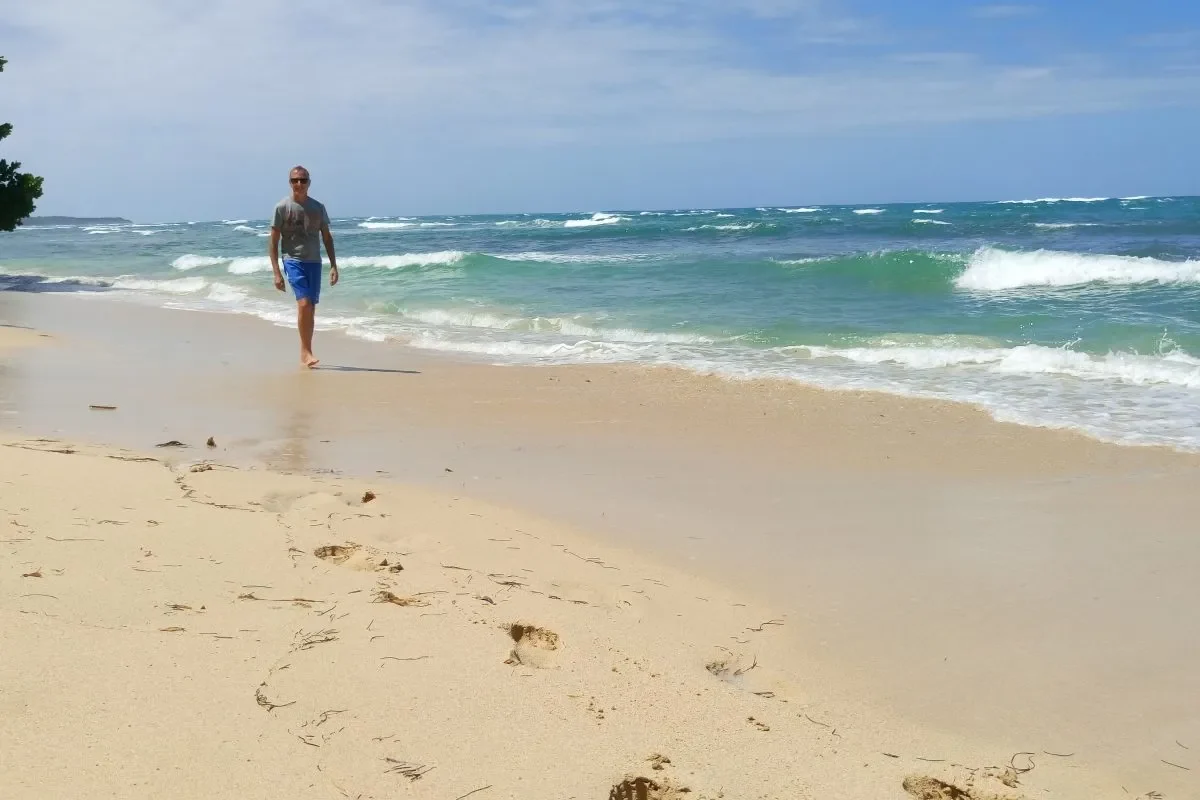
Panama expat housing advice echoes through expat forums, relocation seminars , and social media groups with almost religious certainty: rent for at least a year before buying property anywhere in the country. It sounds prudent, responsible, even obvious. But the reality of Panama expat housing decisions rarely fits neatly into universal prescriptions. Two expats can arrive with identical budgets, similar timelines, and comparable dreams, yet make completely opposite choices, and both can be entirely right. The difference lies not in the advice itself but in what each person actually knows about themselves and the life they’re trying to build.
📑 Table of Contents
- The Couple Who Knew Exactly What They Wanted
- The Single Man Who Rented and Dodged a Costly Mistake
- Understanding the True Value of Renting in Panama Expat Housing
- Why Buying Immediately Can Be the Right Panama Expat Housing Decision
- How Personal Knowledge Shapes the Rent or Buy Equation
- Making the Decision That Fits Your Circumstances
Consider the divergent paths of Robert and Susan versus David, whose experiences illustrate why the rent-versus-buy question deserves far more nuance than most guidance suggests. One couple bought immediately with zero regrets. One single man rented first and dodged what could have been a costly mistake. Neither followed the same playbook, yet both ended up precisely where they needed to be.
The Couple Who Knew Exactly What They Wanted
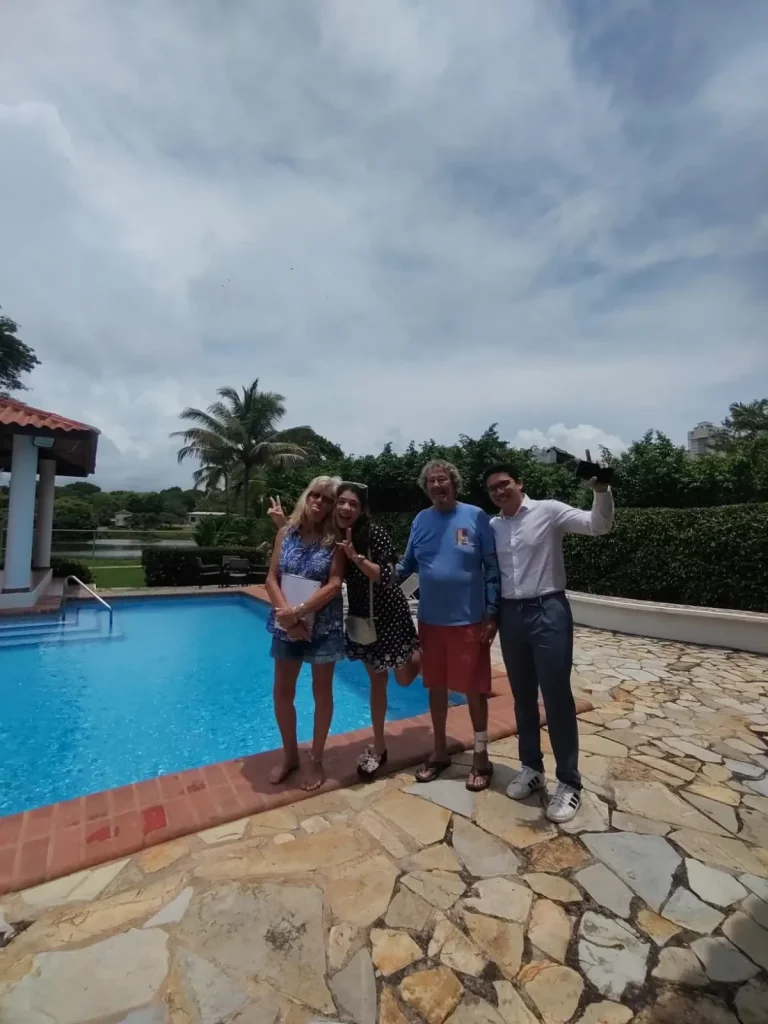
Robert and Susan had heard the standard advice countless times. Friends, online acquaintances, even casual conversations with other expats all pointed toward the same conclusion: wait, rent, explore, then commit. But their circumstances didn’t align with that timeline. They had visited Panama repeatedly over several years, exploring different regions, experiencing different seasons, and gradually narrowing their focus. They weren’t considering Panama City‘s urban bustle or the mountain coolness of Boquete or a beachfront condominium in a resort community. They wanted a house in Coronado, and they wanted it to be their permanent home.
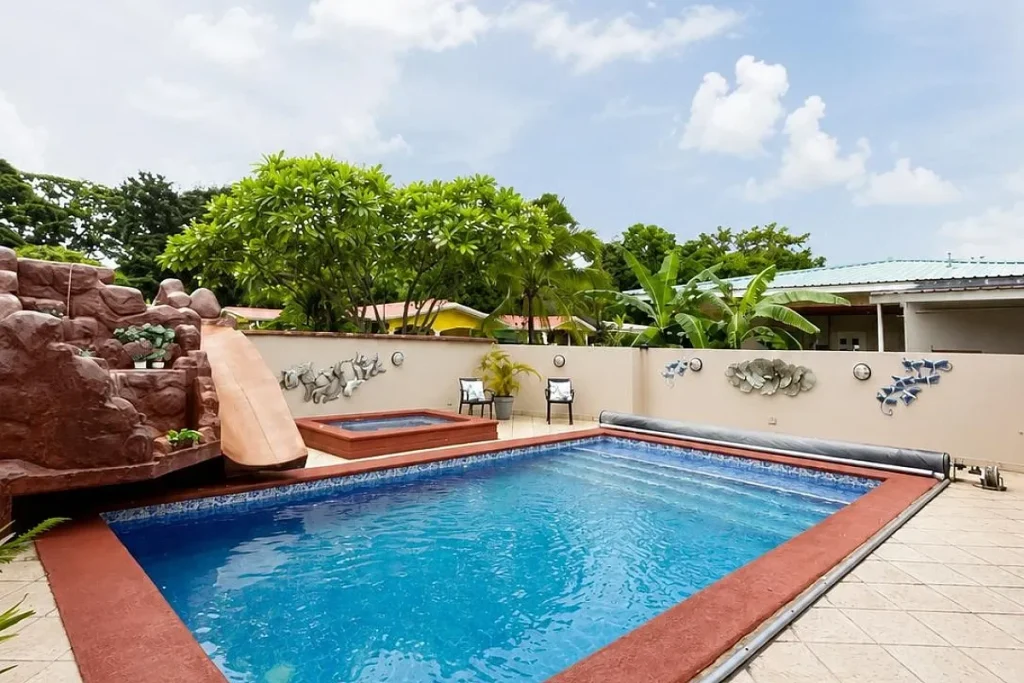
For them, renting would have meant postponing a decision they had already made through years of firsthand experience. They didn’t want to negotiate with a landlord over whether they could paint the walls or replace outdated fixtures. They didn’t want to wonder whether a lease would be renewed or whether the owner might decide to sell. And perhaps most importantly, they didn’t want to live surrounded by someone else’s furniture, chosen for someone else’s tastes, in a space that never quite felt like theirs. The furnished rentals they toured were perfectly adequate, but adequate wasn’t what they were seeking. They wanted a home, not a temporary accommodation.
Their repeated visits had already answered the questions that a year of renting is designed to resolve. They knew the traffic patterns, understood the seasonal rhythms, had identified their preferred grocery stores and healthcare providers, and had developed genuine friendships in the community. Buying wasn’t a leap of faith for them. It was the logical culmination of a decision they had been making incrementally for years. They purchased their Coronado home and never looked back.
The Single Man Who Rented and Dodged a Costly Mistake
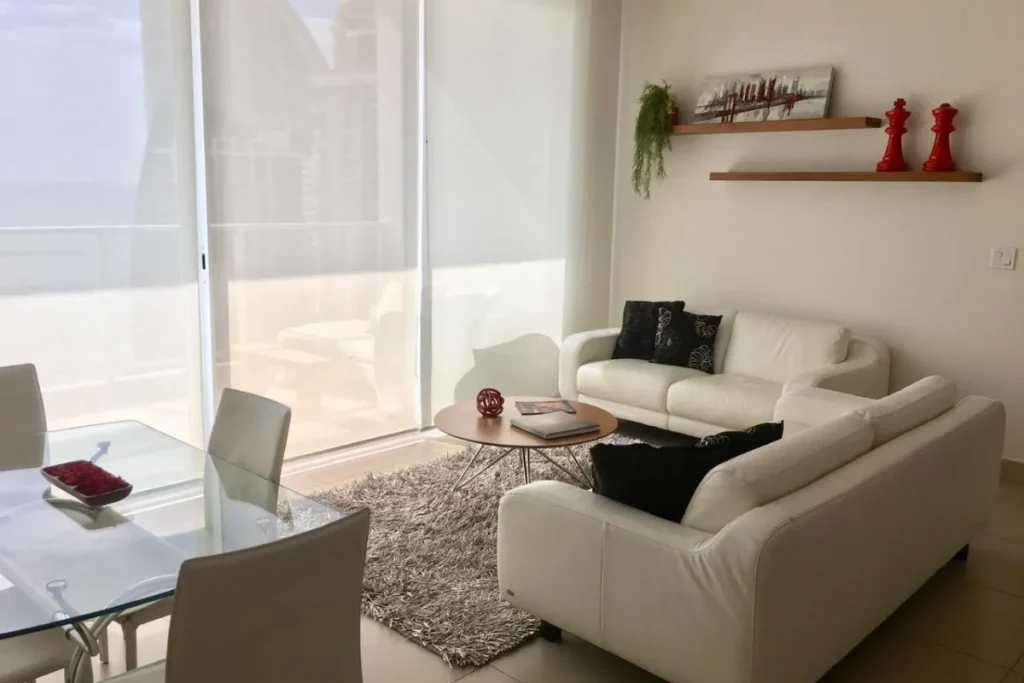
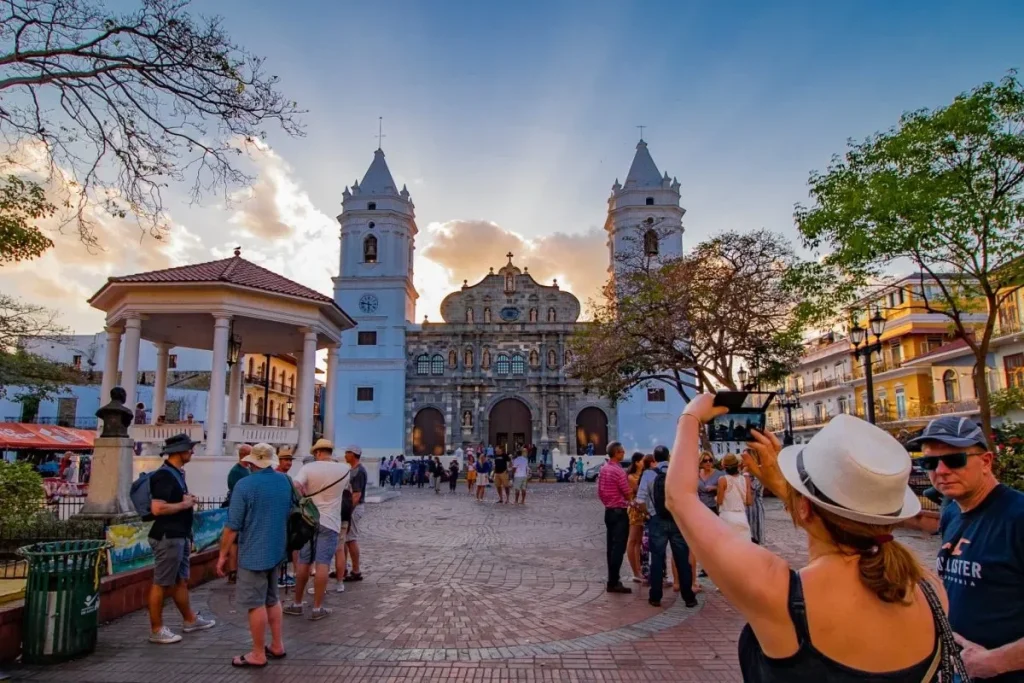
David’s story unfolded almost as a mirror image. He had never set foot in Panama before deciding to relocate. The idea of living in Panama City appealed to him on paper. He considered himself an urban person, someone who thrived on energy and convenience. He imagined himself in a modern high-rise apartment, enjoying skyline views and easy access to restaurants, cultural events, and the rhythms of a capital city. He initially planned to buy, confident that he understood what he wanted.
Friends intervened with the very advice Robert and Susan had rejected. Rent first, they urged. Give yourself time to see whether the reality matches the fantasy. David reluctantly agreed, and within months, two of his core assumptions crumbled. He discovered that the constant noise of the city grated on his nerves rather than energizing him. And he realized he genuinely disliked living high above the street in a tower. He had never lived in a high-rise before and had mistaken the appeal of apartment living for the appeal of vertical living. What he actually wanted was an apartment in a low-rise building in a quieter neighborhood, a distinction he could only have discovered through experience.
Had David purchased immediately, he would have committed substantial capital to a home and lifestyle that fundamentally didn’t suit him. Selling would have involved transaction costs, market uncertainty, and the emotional weight of admitting a significant mistake. Renting gave him the freedom to course-correct without financial penalty. His story validates the conventional wisdom in the clearest possible terms, yet it doesn’t invalidate Robert and Susan’s choice. Both approaches worked because both were matched to the individual’s level of firsthand knowledge.
Understanding the True Value of Renting in Panama Expat Housing
Renting serves a purpose that extends far beyond having a place to sleep. It functions as a low-risk laboratory for testing assumptions about daily life in a new country. The person who enjoys Panama City during a weeklong vacation may discover that traffic congestion, street noise, and the rhythms of apartment living feel entirely different after three months of ordinary Tuesdays. Someone drawn to a quiet coastal community may eventually miss the healthcare access, restaurant variety, and cultural activity of a larger urban center. These discoveries rarely announce themselves during a scouting trip.

A lease creates room for those revelations to emerge organically. Newcomers can learn whether a neighborhood stays quiet at night or hosts roosters that begin crowing at 4 a.m. They can discover how long routine errands actually take, whether they enjoy the rainy season’s daily downpours, and how frequently they genuinely want to travel to other parts of the country. These aren’t questions that can be answered through research alone. They require lived experience.
The financial flexibility of renting also carries genuine value, even if it never appears as equity on a balance sheet. A tenant typically needs a security deposit, advance rent, and moving expenses, but doesn’t need to liquidate investments or tie up substantial capital in a property purchase. For retirees who want to preserve savings for healthcare, travel, or unexpected expenses, keeping money accessible can be a significant advantage. Renting also shifts responsibility for major structural repairs to the landlord, eliminating the risk of surprise expenses for roof replacement, plumbing failures, or air conditioning breakdowns.
But that flexibility cuts both ways. The tenant has the freedom to leave, but the landlord retains ownership and may have different plans for the property. Lease terms, renewal negotiations, and permissible rent increases can introduce uncertainty into what should be a stable living situation. Tenants may face restrictions on pets, renovations, painting, or even replacing furniture. Even when a rental is attractive and well maintained, it may never feel entirely like home, a reality that matters more to some people than others.

Rent or Buy in Panama: Expat Housing Trade-Offs Compared
| Consideration | Renting | Buying |
|---|---|---|
| Upfront commitment | Deposit, advance rent and moving costs. | Purchase funds, due diligence and closing expenses. |
| Freedom to move | Generally easier when lease terms permit. | May require selling, renting out or retaining the property. |
| Personalizing the home | Subject to lease terms and landlord approval. | Greater control, subject to applicable rules. |
| Furniture and style | Furnished units may reflect the owner’s tastes. | Freedom to create your own living space. |
| Building equity | No ownership equity. | Potential to build equity; property value can also fall. |
| Maintenance | Responsibilities depend on the lease. | Owner bears maintenance and repair obligations. |
| Monthly cost certainty | Rent may change at renewal. | Taxes, fees, insurance and repairs may change. |
| If the location disappoints | Can move when lease terms permit. | May need to sell or become a landlord. |
| Access to your capital | More savings can remain accessible. | Funds are tied up in the property. |
| If you need to leave Panama | Resolve the lease and move. | Resale may take time; carrying and selling costs continue. |
| The question to ask | What do I still need to learn about living here? | Am I comfortable owning this property for several years? |
Keep in mind: This is a decision guide, not a prediction of property values or resale times. Actual costs and obligations depend on the property, lease, financing and individual circumstances.
Source: see article above
Why Buying Immediately Can Be the Right Panama Expat Housing Decision
Robert and Susan wanted something that renting couldn’t easily provide: the ability to settle into a property on their own terms. They wanted to choose their own furniture, make changes to the house, and create a space that reflected their tastes rather than adapting to the preferences of an owner they had never met. That sense of control is one of the strongest nonfinancial arguments for buying, and it resonates deeply with people who view their home as an expression of identity rather than merely a shelter.
An owner can generally make more decisions about a property, subject to applicable laws, community rules, and any condominium or development restrictions. There’s no landlord deciding whether the family can repaint a room, replace an aging sofa, or install shelving in the garage. For someone who expects to remain in one location for many years, that freedom can matter as much as any financial consideration. The ability to plant a garden, adopt a pet without seeking permission, or simply know that no one will ask you to leave creates a psychological stability that renting rarely matches.
Buying also eliminates a specific kind of uncertainty that weighs on long-term renters. Lease renewals in Panama’s expat-heavy markets can bring rent increases, changes in terms, or even non-renewal if the owner decides to sell or repurpose the property. For retirees on fixed incomes, that unpredictability can be stressful. A purchased home, assuming the buyer can manage ongoing costs like property taxes, maintenance, and community fees, provides a level of predictability that renting cannot guarantee.
The financial case for buying rests on assumptions about appreciation, but those assumptions don’t always hold. Panama’s real estate market has seen periods of strong growth, particularly in areas like Coronado, Boquete, and certain Panama City neighborhoods. But appreciation is never guaranteed, and transaction costs, property taxes, and maintenance expenses can erode returns. The strongest arguments for buying are often personal rather than financial: the desire for permanence, the freedom to customize, and the comfort of knowing that no landlord can alter your living situation.
How Personal Knowledge Shapes the Rent or Buy Equation
The critical variable in the rent-versus-buy decision isn’t financial sophistication or risk tolerance. It’s the depth of firsthand knowledge each person brings to the table. Robert and Susan had spent years visiting Panama, building relationships, and refining their understanding of where and how they wanted to live. Their decision to buy immediately wasn’t impulsive; it was informed by experience that many renters spend their first year acquiring. David, by contrast, had no firsthand knowledge at all. His mental image of Panama City was constructed from photographs, videos, and other people’s descriptions, and that image proved incomplete in important ways.
This distinction suggests a more useful framework than the universal “rent first” rule. People who have already done the exploration, whether through repeated visits, extended stays, or genuine familiarity with a specific community, may be ready to buy immediately. People who are relocating based primarily on research, imagination, or the recommendations of others would be wise to rent first. The question isn’t how long someone has been in Panama, but how much they actually know about the life they’re choosing.
That knowledge extends beyond geography and climate. It includes understanding one’s own tolerance for noise, need for social connection, preferences for urban versus suburban living, and comfort with the rhythms of daily life in a different culture. Some of these preferences can only be discovered through experience, which is why renting remains essential for many newcomers. But others can be known in advance, particularly for people who have spent meaningful time in the country and paid attention to their own reactions.
The Panama expat housing market offers options across the spectrum, from furnished apartments in Panama City high-rises to single-family homes in gated beach communities to mountain cottages in Boquete. The diversity of choices reflects the diversity of expat preferences, and there’s no single right answer for everyone. The key is honest self-assessment about what you actually know and what you’re still guessing about.
Making the Decision That Fits Your Circumstances
The stories of Robert and Susan and David offer complementary lessons rather than competing ones. Robert and Susan demonstrate that buying immediately can be the right choice for people who have done their homework and know what they want. David demonstrates that renting first can prevent costly mistakes for people who are still discovering what they want. Both approaches worked because both were matched to the individual’s level of firsthand knowledge and personal priorities.
For anyone wrestling with the rent-or-buy question in Panama, the most productive first step is honest self-assessment. How much time have you actually spent in the country? Have you experienced it during different seasons? Do you understand the practical realities of daily life in your preferred location, from grocery shopping to healthcare access to transportation? Are you confident about your tolerance for the specific conditions you’ll encounter, whether that’s Panama City traffic, coastal humidity, or mountain rainfall? The answers to these questions matter more than any universal rule.
Financial considerations also deserve careful attention. Buying involves upfront costs including down payment, closing costs, and often furniture and appliances. Selling involves transaction costs and market uncertainty. Renting involves ongoing payments that build no equity but preserve flexibility and capital. The right choice depends on your financial situation, your timeline, and your tolerance for risk. A financial advisor familiar with Panama’s real estate market can help clarify the numbers, but the personal dimensions of the decision ultimately rest with you.

The rent-or-buy question in Panama isn’t a test with one correct answer. It’s a decision that should flow from genuine self-knowledge and honest assessment of your circumstances. Robert and Susan bought immediately and built the home they wanted. David rented first and discovered what he actually needed. Both found their way to the right outcome, not because they followed the same advice, but because they understood themselves well enough to make the choice that fit their unique situations. That’s the real lesson for anyone considering Panama expat housing: know yourself first, then decide.