


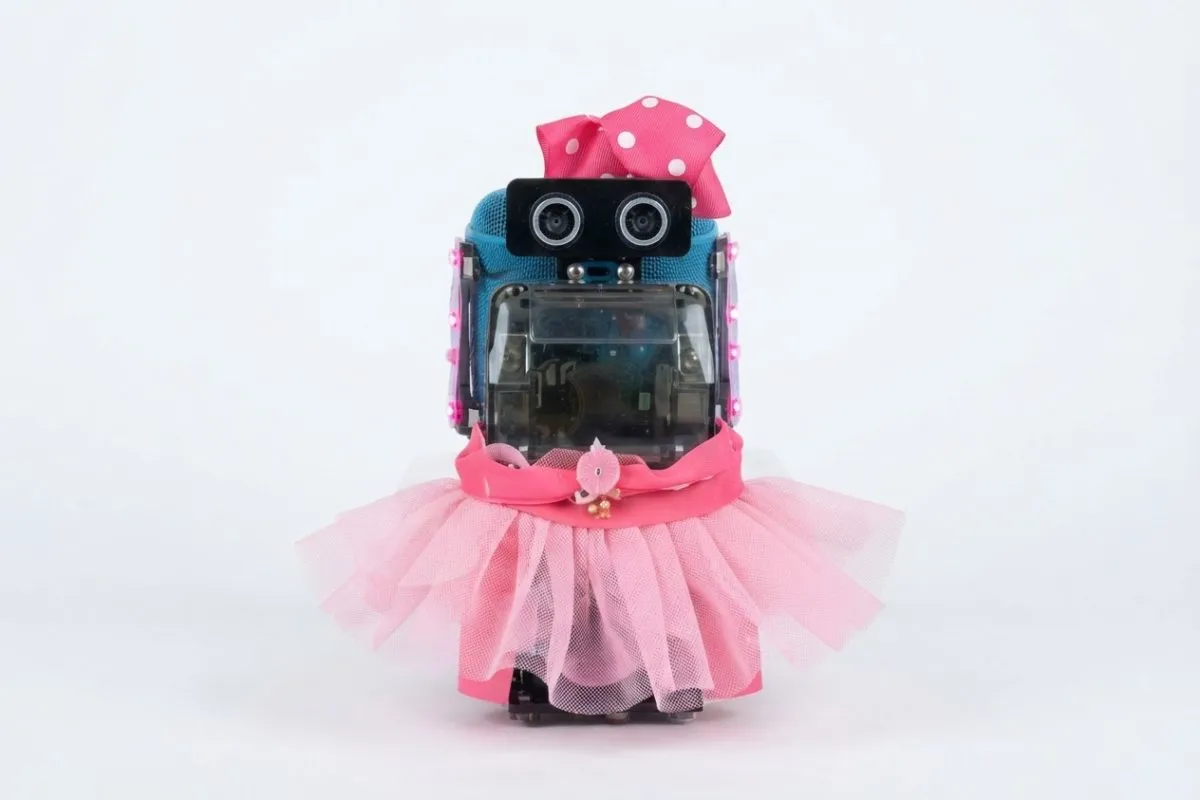
A student-built AI archaeology robot named Cloe Aurora 2.0 is changing how museum visitors in Coclé province experience Panama’s ancient history. The prototype, unveiled this week, uses sensors, a camera, and artificial intelligence to identify archaeological artifacts and project recreated images of how pre-Columbian communities lived and crafted their objects.
The six-month project involved students and their families working collaboratively to design a tool that goes beyond static displays. Instead of simply reading plaques, visitors can now see visual recreations tied directly to specific pieces, offering a more immersive understanding of the region’s indigenous heritage.
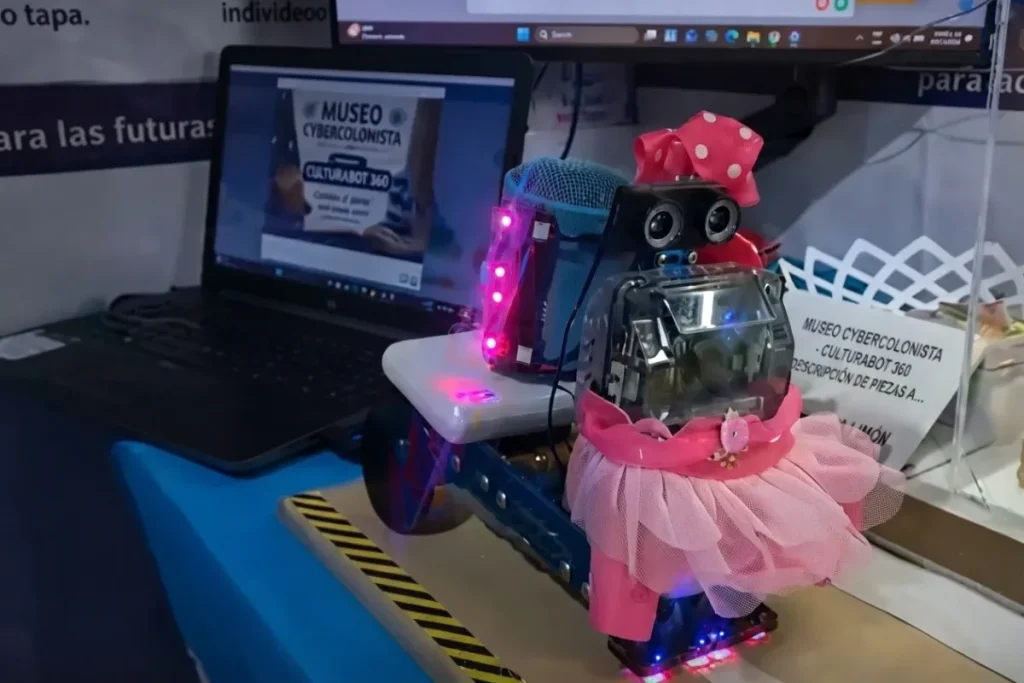
How the AI Archaeology Robot Works
The robot’s core function relies on its integrated sensor array and actuators, which allow it to detect nearby artifacts. Once an object is identified, its AI-powered camera processes the item and generates contextual imagery. During a demonstration, students showcased the technology using a “limón” vessel, a type of pre-Columbian funerary urn common to the region.
The system aims to support museum guides during tours, providing an interactive layer that supplements traditional narration. Developers explained that the robot doesn’t just present facts about an artifact. It reconstructs scenes of daily life, showing how ancient inhabitants produced tools, pottery, and ceremonial objects. This approach transforms passive observation into active learning.
Construction began in March, with iterative improvements made over approximately half a year. Families contributed diverse skills, from programming to historical research, making the initiative a community-driven educational effort rather than a purely academic exercise.
Bridging Technology and Cultural Heritage
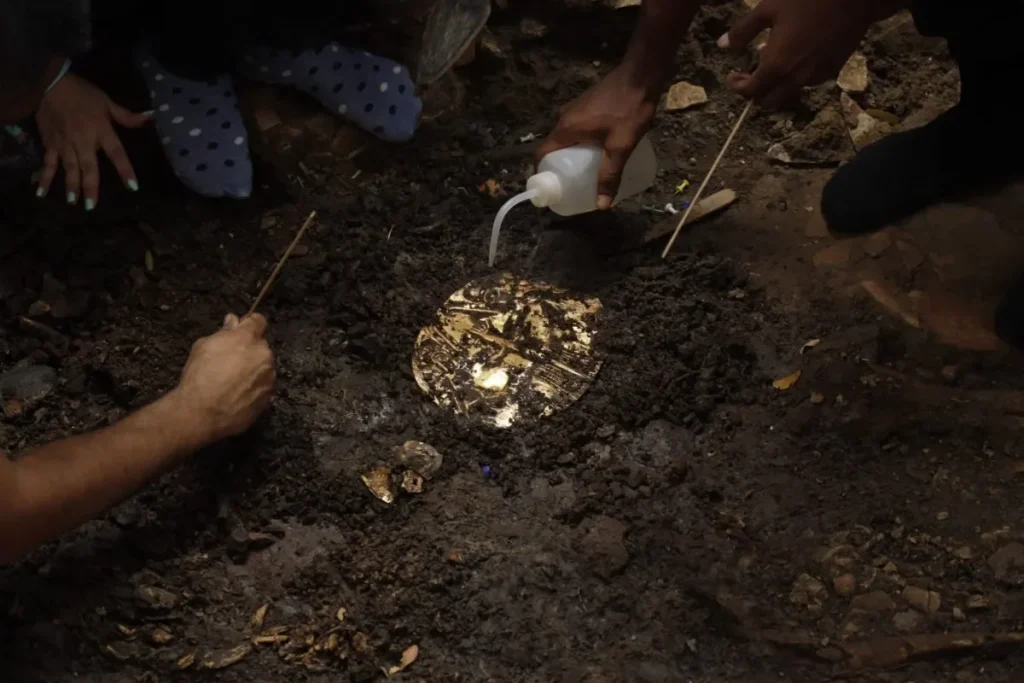
The project draws directly from research into the pre-Columbian cultures of Coclé, a province known for its rich archaeological record. Students studied the legacy of indigenous peoples who inhabited the area, aiming to preserve and disseminate that knowledge through accessible technology.
Organizers said the broader goal is to ensure younger generations connect with Panama’s past in ways that feel relevant. By merging creativity, education, and engineering, the prototype serves as a model for how schools can engage with cultural institutions. The robot’s interactive design also addresses a common challenge in museums: keeping younger audiences engaged while maintaining historical accuracy.
During the presentation, students from various educational centers across Coclé observed the creation process and tested the robot’s functionality. The event highlighted the potential for cross-school collaboration on technology-focused heritage projects.
Future Applications for Museum Education
The team behind Cloe Aurora envisions the prototype becoming a permanent fixture in spaces dedicated to archaeological conservation. Its ability to visually reconstruct historical contexts could prove valuable for institutions lacking extensive multimedia resources. By offering a relatively low-cost, adaptable platform, the robot provides an alternative to expensive interactive exhibits.
Educators involved in the project noted that the hands-on development process taught students valuable skills in robotics, artificial intelligence, and historical methodology. The dual focus on technical and cultural education sets the initiative apart from standard classroom projects.
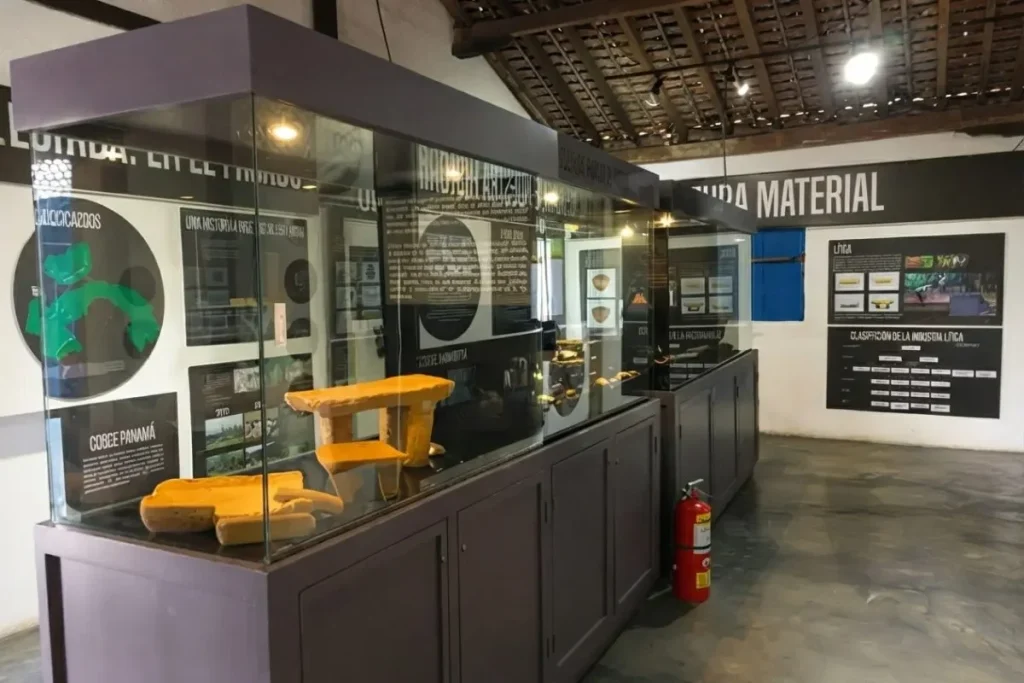
The prototype’s success in Coclé may inspire similar efforts elsewhere in Panama, where regional museums often operate with limited budgets. If replicated, the model could help smaller institutions modernize their offerings without significant infrastructure investment.
In summary, Cloe Aurora 2.0 represents a practical fusion of artificial intelligence and cultural preservation. Its creators have demonstrated that student innovation can produce tools with real-world applications, offering a fresh pathway for engaging the public with Panama’s pre-Columbian legacy.