


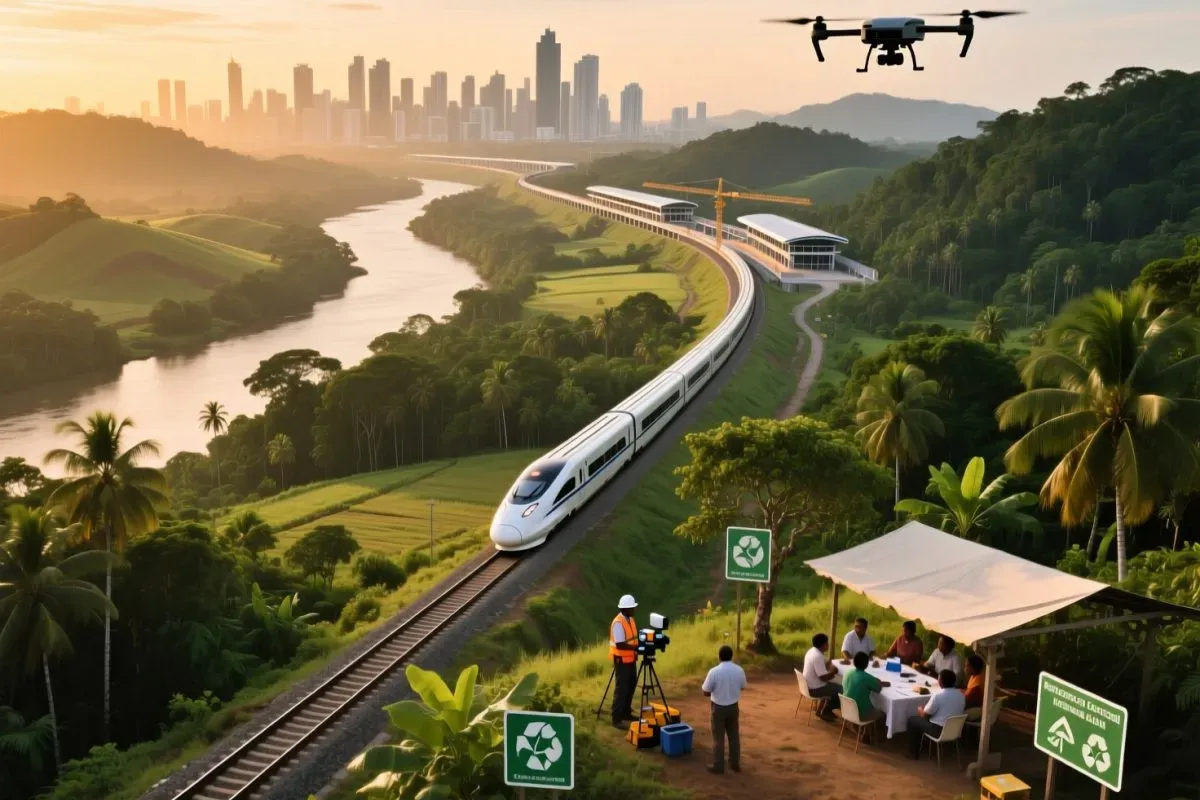
The feasibility study for the Panama David railway has been formally delivered to Panama’s Ministry of Economy and Finance (MEF) and now sits under active review, officials confirmed during a binational gathering in David, Chiriquí. This milestone, announced September 9, 2026, marks a critical step forward for an initiative that aims to link western Panama with southern Costa Rica and, eventually, other Central American markets.
Manuel Arias, who represents the Ferrocarril Panamá-Chiriquí, said the MEF has the document in hand and is evaluating it carefully. The ministry’s review process also involves multilateral organizations tasked with validating the technical and economic assumptions behind the study. That validation, Arias explained, is essential before the project can advance to subsequent planning stages and new working tables focused on deeper analysis.

Panama David Railway Feasibility Review Underway
Speaking at the third binational encounter between Panama and Costa Rica, Arias described the current phase as one of patience and due diligence. The MEF’s review represents a gatekeeping function, ensuring that any future investment decisions rest on solid ground. He noted that once the evaluation concludes, stakeholders expect to convene fresh discussions about the next round of studies and preparatory work.
The involvement of multilateral organizations adds a layer of credibility to the process. These institutions typically assess everything from environmental impact to long-term financial sustainability. For a project of this magnitude, such scrutiny is standard practice, particularly when cross-border rail infrastructure could transform regional trade patterns.
Binational Logistics Platform and Economic Complementarity
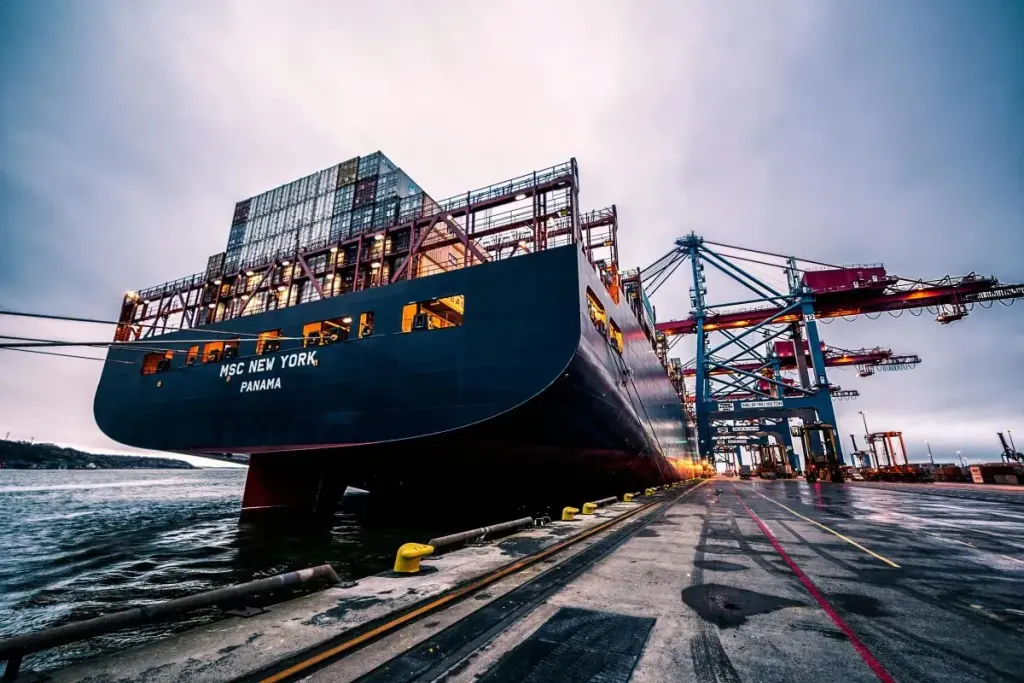
During the same meeting, Felipe Rodríguez of the Western Region Competitiveness Center framed the railway as part of a larger strategic vision. He pointed to the complementary strengths of both territories: Panama excels in logistics infrastructure, while Costa Rica has built a strong reputation in agricultural and industrial production. Together, he argued, the two countries could create a binational logistics hub that leverages those respective advantages.
“Connectivity between southern Costa Rica and western Panama, based on a binational logistics platform, is the core theme of this meeting” [Translated from Spanish]
Rodríguez added that the proposed hub would not merely connect two regions but would allow them to function as a single economic corridor. The idea involves coordinating port activities, distribution networks, and customs procedures to reduce friction for goods moving in both directions.

Border Development and Multimodal Transport Vision
Óscar Méndez, executive secretary of the Panama-Costa Rica Convention, emphasized that preparatory actions in the border zone are already under discussion. These measures would lay the groundwork for the eventual railway connection by improving local infrastructure, streamlining mobility, and creating conditions that benefit communities on both sides of the frontier.
“The idea is to now seek mechanisms like this border agreement for the strictly frontier zone, how to develop some actions at the border that allow connecting that train in the future and then seek the potential of tourism, commerce, and mobility of people from both countries and the Central American region” [Translated from Spanish]
Officials view the Panama David railway as one component of a broader multimodal transportation strategy. That strategy encompasses strengthened port operations, improved road networks, and coordinated logistics planning. By integrating rail with maritime and land transport, planners hope to position the Panama-Costa Rica border region as a strategic node in Central American commerce.
The binational meeting also underscored the importance of community-focused development. Planners stressed that infrastructure projects must deliver tangible benefits to border communities, not simply serve as transit corridors. Economic development for both nations and the wider Central American region remains the ultimate objective, with rail connectivity serving as a catalyst for deeper integration and shared prosperity.
