


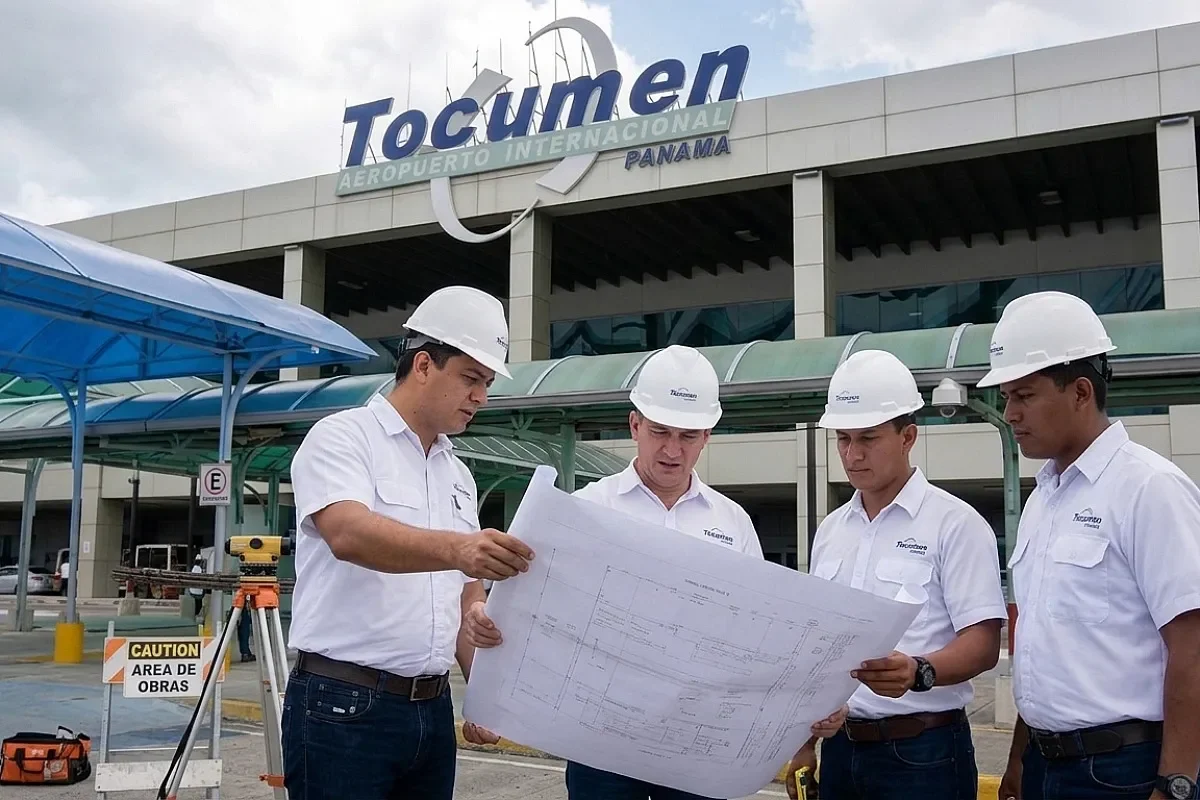
Engineers inspecting the concrete beneath Terminal 2 at Panama’s busiest airport discovered pavement deformations that fundamentally reshaped a construction project initially conceived as a routine capacity increase. The Tocumen airport expansion now carries a combined investment of $306.75 million, split between two separate initiatives that address both immediate infrastructure failures and long-term growth demands at the country’s primary aviation gateway.
Airport authorities confirmed the scope of the work extends well beyond adding new boarding areas. The larger project, valued at $208.75 million, focuses on expanding the Terminal 2 South Pier, while a second initiative worth $98 million targets airfield improvements. Together, these investments signal a strategic push to modernize essential airport systems and prepare for sustained increases in passenger traffic over the coming decade.
Infrastructure Failures Drive the Tocumen Airport Expansion
Before any new gates could be planned, inspectors had to confront a problem hiding in plain sight. The Technological University of Panama conducted extensive studies and tests on the pavement structures around Terminal 2 and delivered their findings to airport management. Those findings revealed deformations in existing platforms that demanded immediate attention.
Specialists in airport pavement engineering analyzed the root causes of those deformations and recommended a comprehensive solution. Rather than patching the affected areas, Tocumen authorities decided to remove the existing flexible pavement entirely and replace it with rigid concrete. The decision carries significant financial implications but offers greater durability and reduces the need for recurrent interventions that can disrupt airport operations.
The pavement replacement forms part of a broader overhaul of the aircraft movement areas surrounding Terminal 2. New taxiways will be constructed around the South Pier, and the existing taxiway providing access to the runway will be extended. The project also includes fuel supply systems, platform lighting, visual aids for pilots, and storm drainage infrastructure, all designed to strengthen the connection between new aircraft positions and the airport’s movement system.
Terminal 2 South Pier Adds Ten Contact Gates
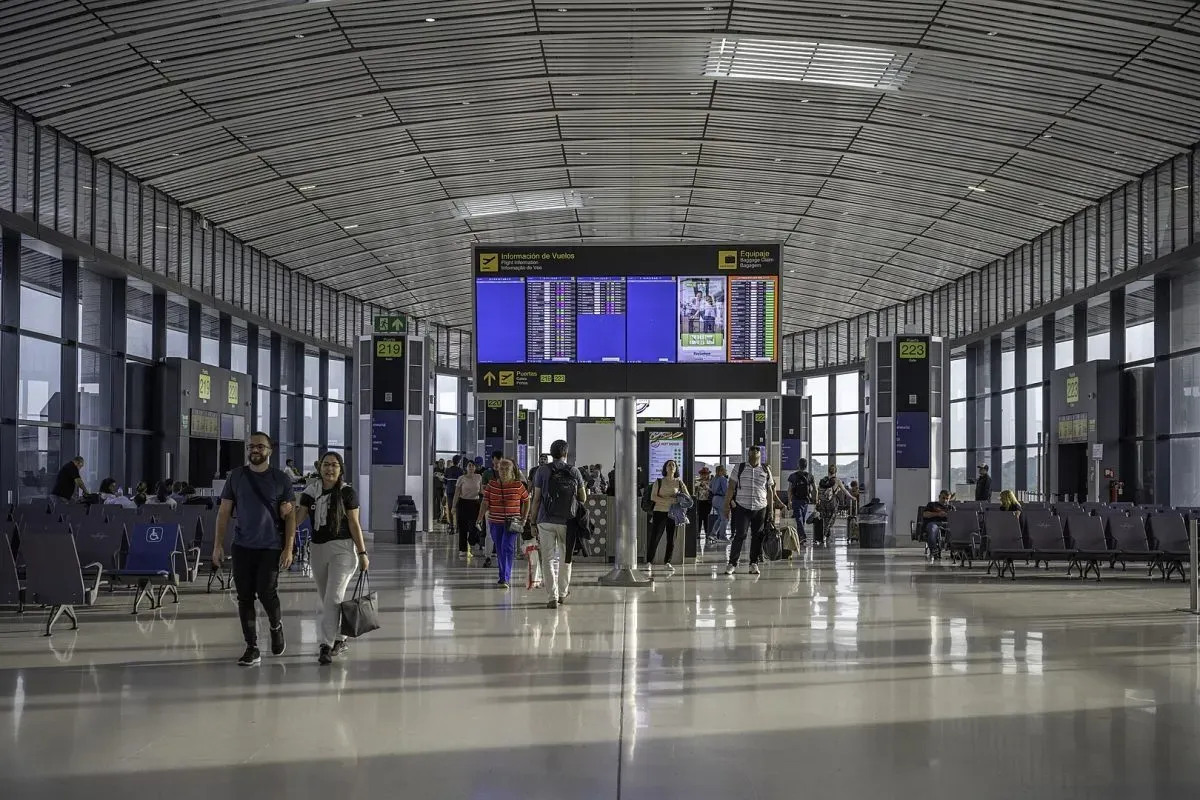
The centerpiece of the construction effort involves a new building spanning approximately 21,097 square meters distributed across three levels. The structure, formally described as the study, design, construction, and equipment for the Terminal 2 South Pier expansion, must connect physically and functionally with the existing terminal complex.
Once completed, the addition will introduce 10 new boarding gates for contact positions, allowing passengers to board aircraft directly through jet bridges. Four additional gates will serve remote positions, where passengers are transported to their aircraft by bus. The design also incorporates a multi-use area that will house a security control point operating under the One Stop Security scheme, a system designed to streamline specific passenger flows through the facility.
The execution timeline allows 30 months from the delivery of the order to proceed, followed by a 12-month maintenance period. Tocumen has set the reference price at $208.75 million, exempt from the ITBMS sales tax. Under the bidding rules, contractors may submit proposals up to 20 percent above that figure, which pushes the maximum admissible offer to $250.5 million. Any bid exceeding that ceiling will be automatically rejected.
Competitive Bidding Process Extends Timeline
The tender process has generated significant interest across the construction industry. Tocumen published the call on the PanamaCompra portal on July 16, 2026, using the Best Value Bidding mechanism. The original schedule called for proposal submissions and openings on August 31, but that deadline proved unrealistic for many interested parties.
Ten companies formally requested a 60-day extension, while the Portuguese construction firm Mota-Engil asked for an additional 30 days. In response, Tocumen issued Adenda 2, which amended the schedule and pushed the submission deadline to September 28. So far, 26 companies and professionals have expressed interest in participating in the process, a figure that underscores the project’s attractiveness to both local and international contractors.
The competitive dynamics of this tender reflect broader trends in Latin American infrastructure development, where large-scale airport projects have drawn significant attention from specialized construction firms. The Best Value Bidding mechanism used for this project allows Tocumen to evaluate proposals based on technical merit and long-term value rather than price alone, a detail that could prove decisive given the complexity of the work involved.
Airfield Modernization and the 98 Million Dollar Project at Tocumen Airport
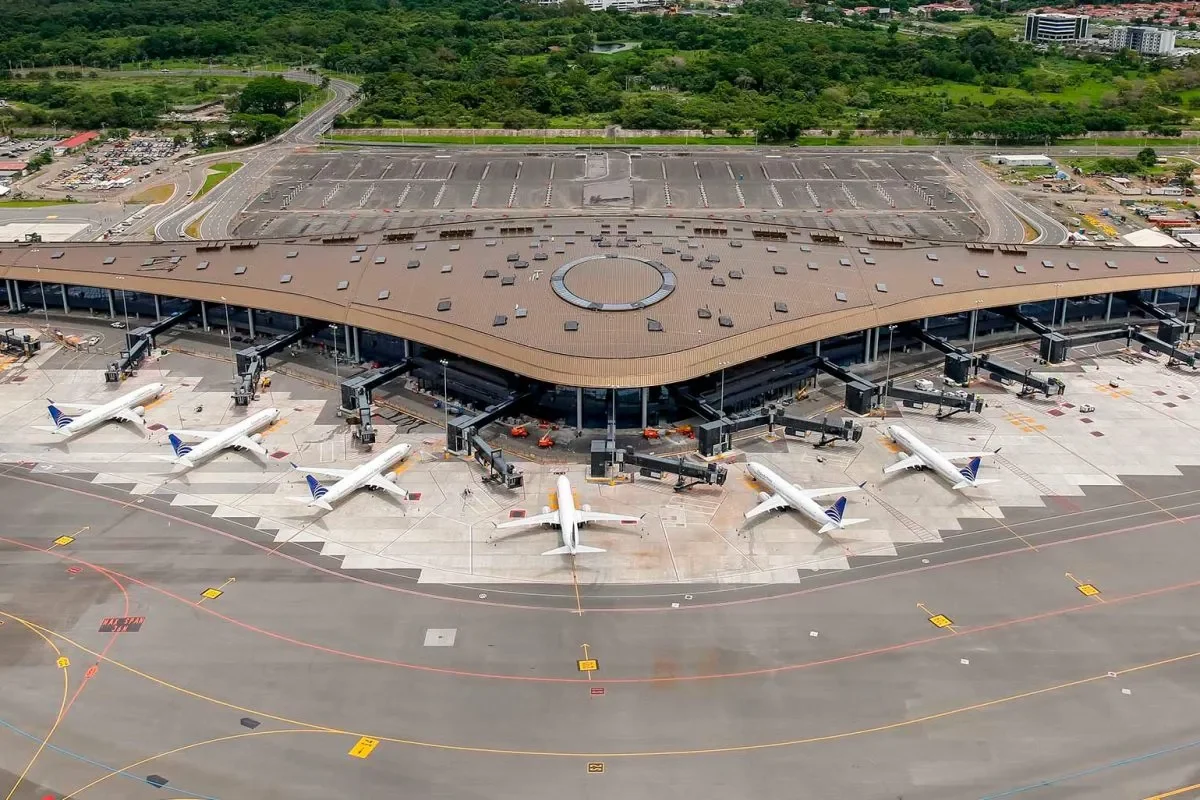
Beyond the terminal building itself, the South Pier expansion carries substantial airfield components that are easy to overlook. The project includes construction of a new platform for contact aircraft parking, along with new taxiways designed to accommodate the added gate positions. The existing taxiways around Terminal 2, currently built with flexible pavement, will be reconstructed using rigid concrete.
The airfield work extends to the runway access system. The project calls for extending the taxiway that connects aircraft to the main runway, a modification that will improve traffic flow between the new South Pier positions and the airfield’s movement system. New fuel supply infrastructure, platform lighting, and visual navigation aids round out the aviation systems included in the 208 million dollar package.
The second project, budgeted at $98 million, focuses specifically on improving the airfield. While details of that initiative remain in earlier planning stages, airport officials have framed it as part of a coordinated strategy to modernize essential operational areas. The combination of new terminal facilities and upgraded airfield infrastructure positions Tocumen to handle higher frequencies of both wide-body and narrow-body aircraft operations.
Panama’s Aviation Hub Strategy Gains Momentum
Jose Ruiz Blanco, general manager of Tocumen International Airport, placed the investment in a larger strategic context.
“The objective is not just to expand a building. We are developing a strategic and comprehensive intervention that will increase airport capacity, improve operational efficiency and strengthen security conditions to accompany Tocumen’s growth.” [Translated from Spanish]
Ruiz Blanco emphasized that the new contact boarding gates, remote positions, expanded platform, and recovered taxiways will provide infrastructure prepared for the needs of the coming years. His framing reflects Panama’s long-standing ambition to solidify its position as the Hub of the Americas, a role that depends on maintaining efficient connections between North and South America, the Caribbean, and Europe.
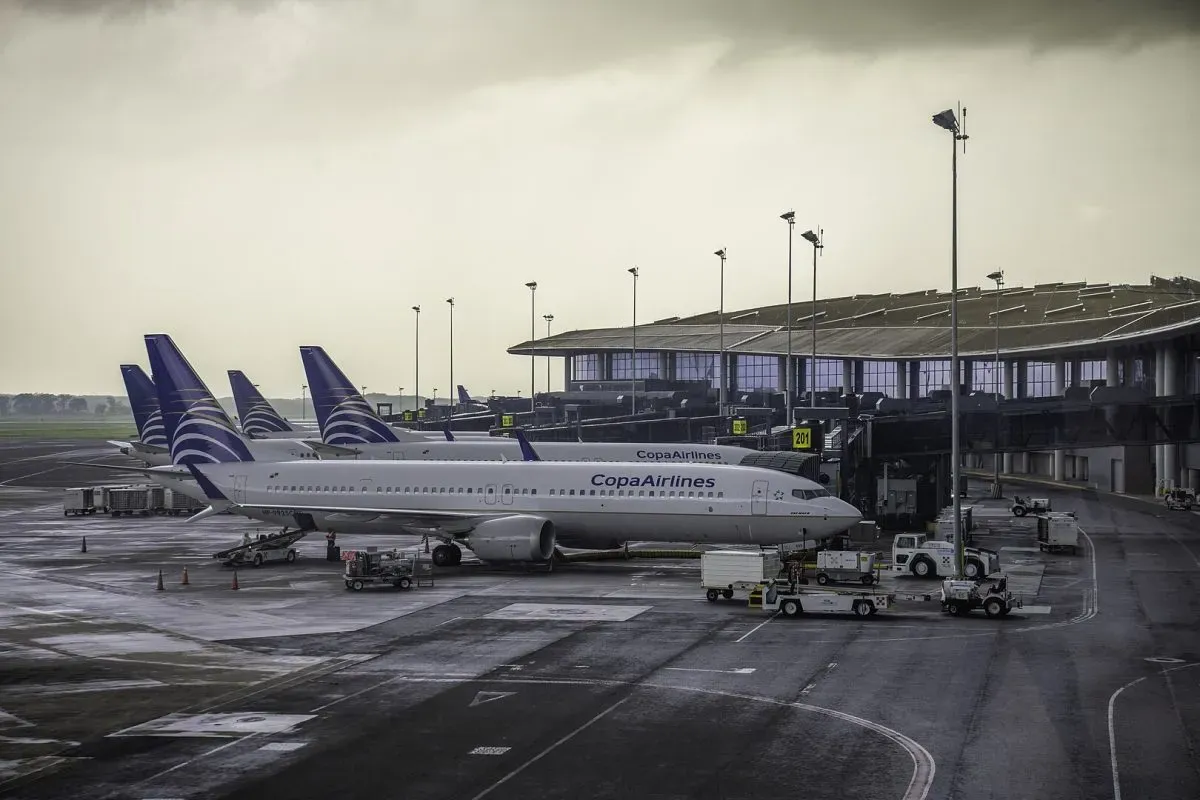
Tocumen International Airport has served as the primary hub for Copa Airlines and has historically ranked among the busiest airports in Central America. The airport’s strategic geographic position allows airlines to operate efficiently across the hemisphere, and the expansion of Terminal 2 aligns with growth projections that anticipate continued demand for connections through Panama City.
The infrastructure investments also address operational resilience. By replacing problematic pavements with more durable concrete and expanding aircraft movement areas, Tocumen reduces the risk of operational disruptions caused by deteriorating surfaces. That resilience matters not just for daily operations but also for the airport’s ability to respond to emergencies, weather events, and unexpected surges in traffic.
The bidding extension granted by Tocumen suggests a deliberate approach to attracting the strongest possible field of contractors. By allowing additional time for proposal preparation, the airport increases the likelihood of receiving technically sophisticated bids that can deliver the complex integration between new construction and an active operating environment. Managing construction activities at a functioning international airport requires careful coordination to avoid disrupting daily flight operations.
Ultimately, the dual projects represent a significant bet on the future of Panamanian aviation. The combined 306.75 million dollar investment touches every aspect of airport operations, from passenger processing to aircraft movement. By addressing both current infrastructure deficiencies and anticipated growth, Tocumen’s management is positioning the airport to maintain its competitive standing in a region where aviation hubs compete aggressively for connecting traffic. The work ahead spans more than two years of construction, but the strategic payoff extends far beyond the completion date.