


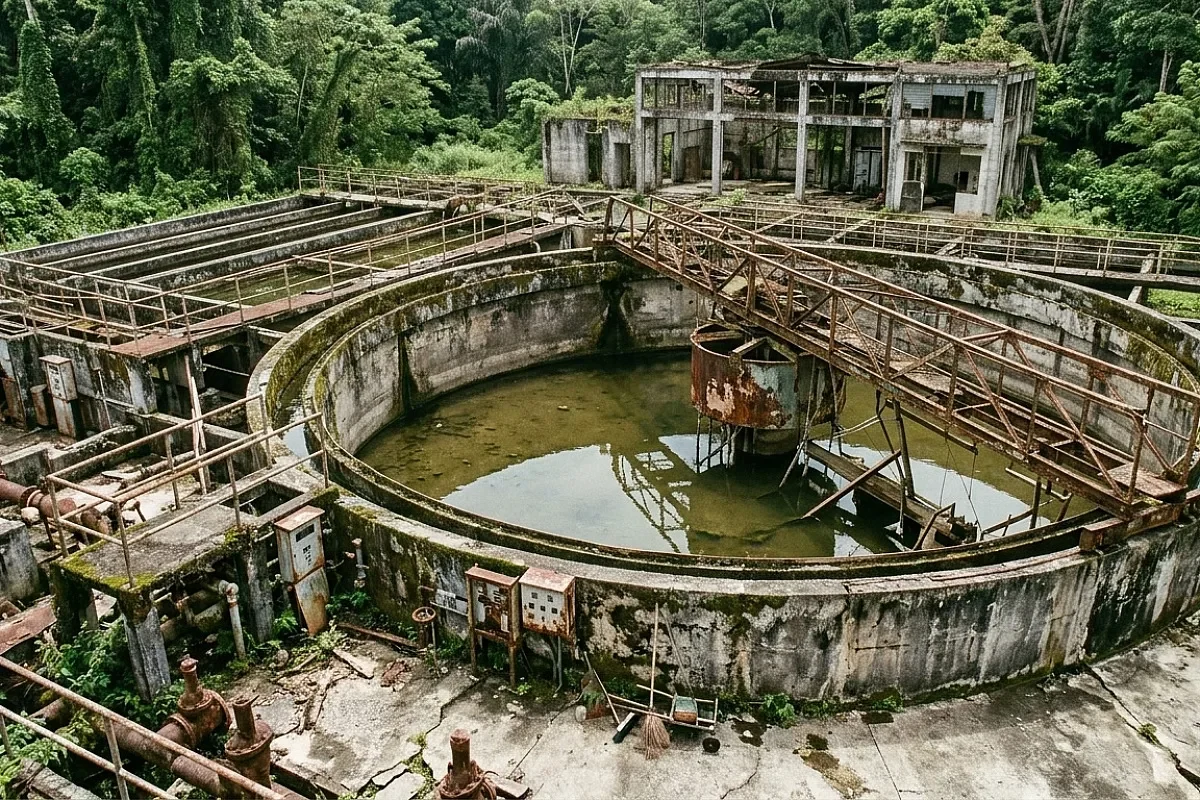
Panama’s Ministry of Environment has confirmed plans to intervene in 17 abandoned treatment plants located near critical drinking water intakes, a move officials say is designed to prevent a public health emergency. The announcement comes as newly released figures reveal that approximately 1,200 such systems may sit neglected across the country, and the real number could be even higher.
Abandoned Treatment Plants Threaten Critical Water Sources
Marilyn García Paredes, director of Environmental Performance Verification at MiAmbiente, said the targeted facilities are positioned in the upper reaches of the raw water intakes that feed the Jaime Díaz Quintero potabilizadora and the Panama Canal watershed. That placement makes the risk especially acute for communities that depend on these supplies.
“We are going to intervene in 17 treatment systems that are in a state of abandonment and whose location is high risk because they are in the upper part of the raw water intakes of the Jaime Díaz Quintero water treatment plant and of the Panama Canal watershed” [Translated from Spanish]
The problem extends well beyond these 17 sites. García Paredes said technicians have documented roughly 1,200 abandoned treatment plants nationwide, though she acknowledged the actual tally may be larger. Many of the facilities have operated without oversight for a decade or more, leaving regulators and residents alike without clear accountability.
Legal Limbo Leaves Communities Exposed
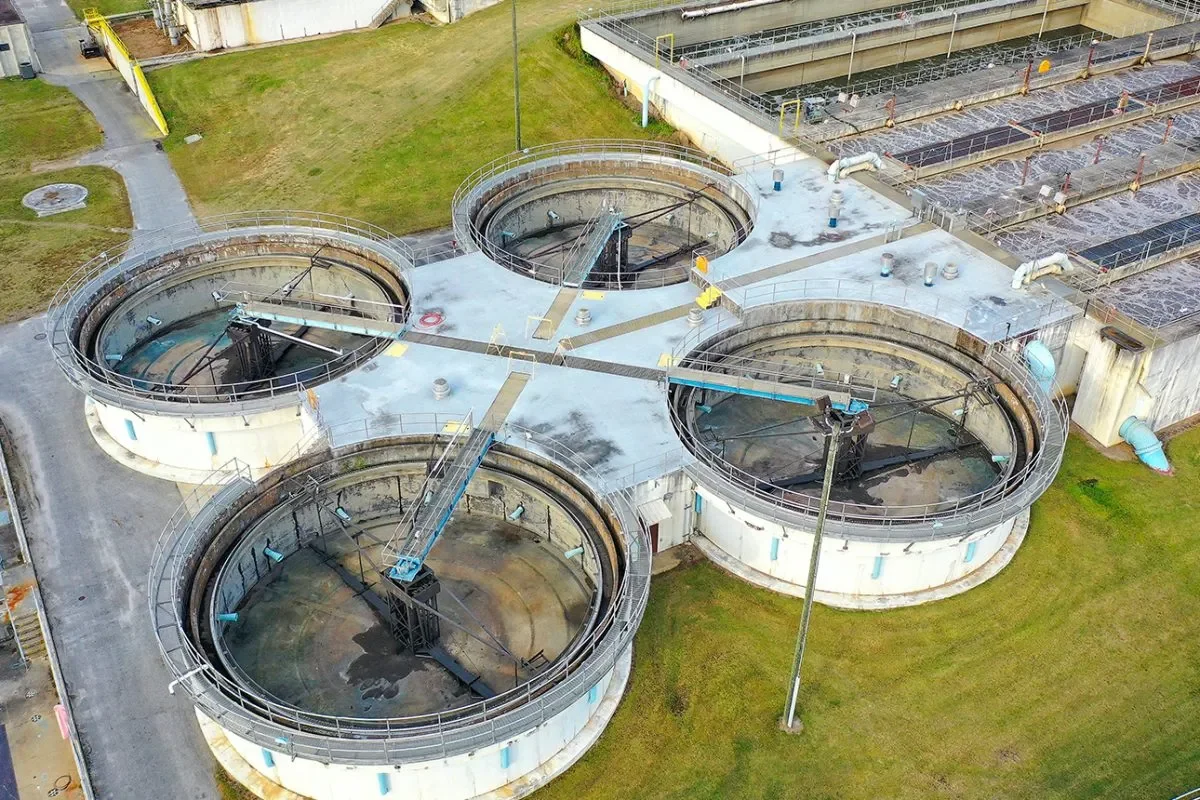
Many of the abandoned treatment plants have fallen into what García Paredes described as a legal limbo. Some of the companies that built or operated them went bankrupt, dissolved, or simply lost their legal representatives. Without an identifiable owner, the sites drifted into disrepair while nearby waterways absorbed the consequences.
“These are environmental liabilities; these are 17 systems that for more than 20 years, 10 years have been abandoned, there is no responsible party, they are in a legal limbo” [Translated from Spanish]
That institutional vacuum has real human costs. García Paredes emphasized that residents bear the brunt of the contamination, which is why the government is stepping in.
“It is the community that is suffering the situation and the State is going to intervene to give a rapid response to these people” [Translated from Spanish]
Scientific Monitoring and Regulatory Reform
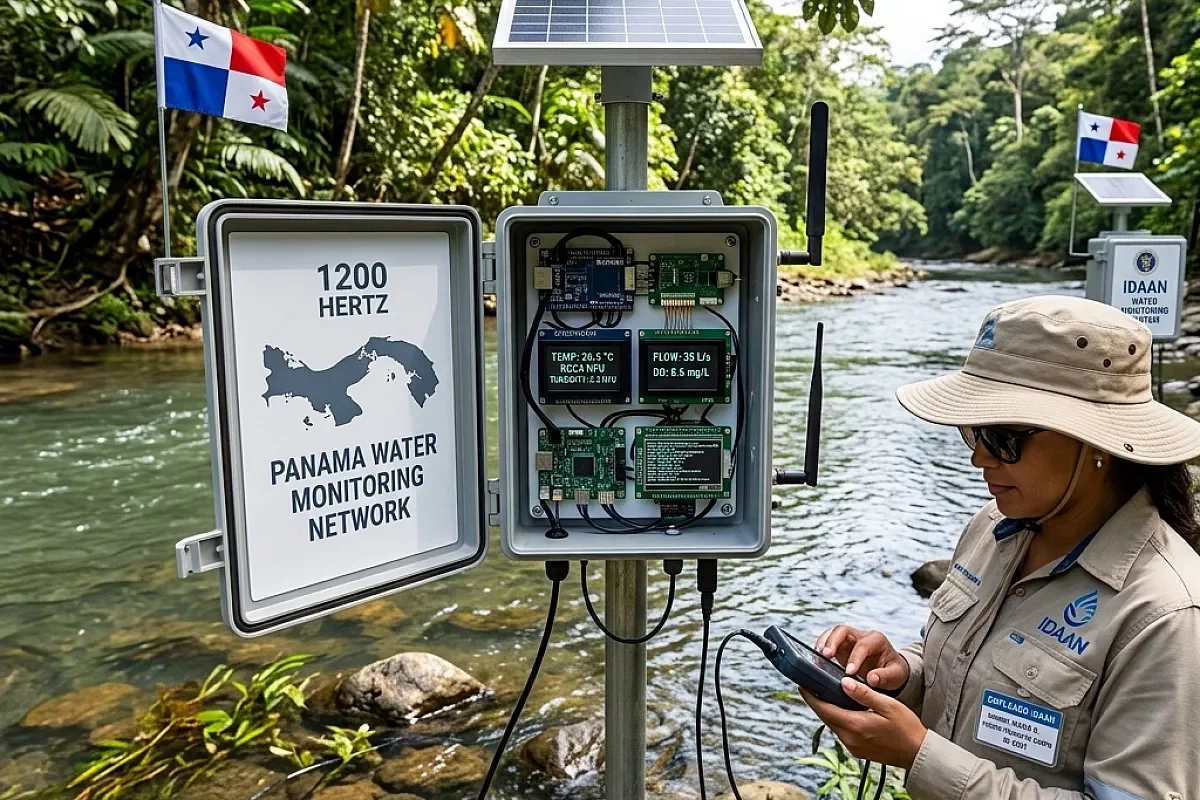
MiAmbiente didn’t arrive at this intervention plan by guesswork. The agency has been working with the Gorgas Institute of Health Studies and the National University to evaluate 62 priority water intakes around the country. Researchers are studying macroinvertebrates and other fauna in rivers and streams to understand how pollution is altering aquatic ecosystems.
That scientific data helped justify the plan, according to García Paredes. She also warned that contamination has stripped some rivers and creeks of their natural ability to clean themselves.
“We have detected that in some cases the river or the stream, whether permanent or intermittent, does not have its self-purification capacity” [Translated from Spanish]
Beyond the immediate intervention, MiAmbiente is collaborating with the Institute of Aqueducts and Sewers, the Ministry of Health, and municipal governments to update the rules that govern treatment systems. A public consultation on the matter is also in the works.
Enforcement Actions and Public Reporting Channels
The abandonment issue unfolds against a backdrop of tougher enforcement. García Paredes said MiAmbiente has imposed a $1,115,000 sanction for pollution of the bay and another $900,000 penalty against a company that contaminated the Curundú River. Across the country, the agency has collected more than $100,000 in fines tied to water body contamination.
Even so, officials argue that prevention remains the priority.
“Before it becomes a health crisis. That is, we are acting preventively, it has to be done, we have to intervene, and we are going to do it” [Translated from Spanish]
García Paredes acknowledged that the full scope of the problem is still coming into focus. “For the moment it is 1,200, but there could be more in this situation” [Translated from Spanish]. Residents who spot problems with treatment plants, septic tanks, or other systems can file reports through contactociudadano@miambiente.gob.pa, the agency said.
Ultimately, the decision to act on these 17 high-risk sites reflects a broader shift toward using scientific monitoring, citizen complaints, and regulatory enforcement to confront environmental liabilities that have festered for years. The challenge will be sustaining that momentum across a country where hundreds more abandoned treatment plants still await attention.