


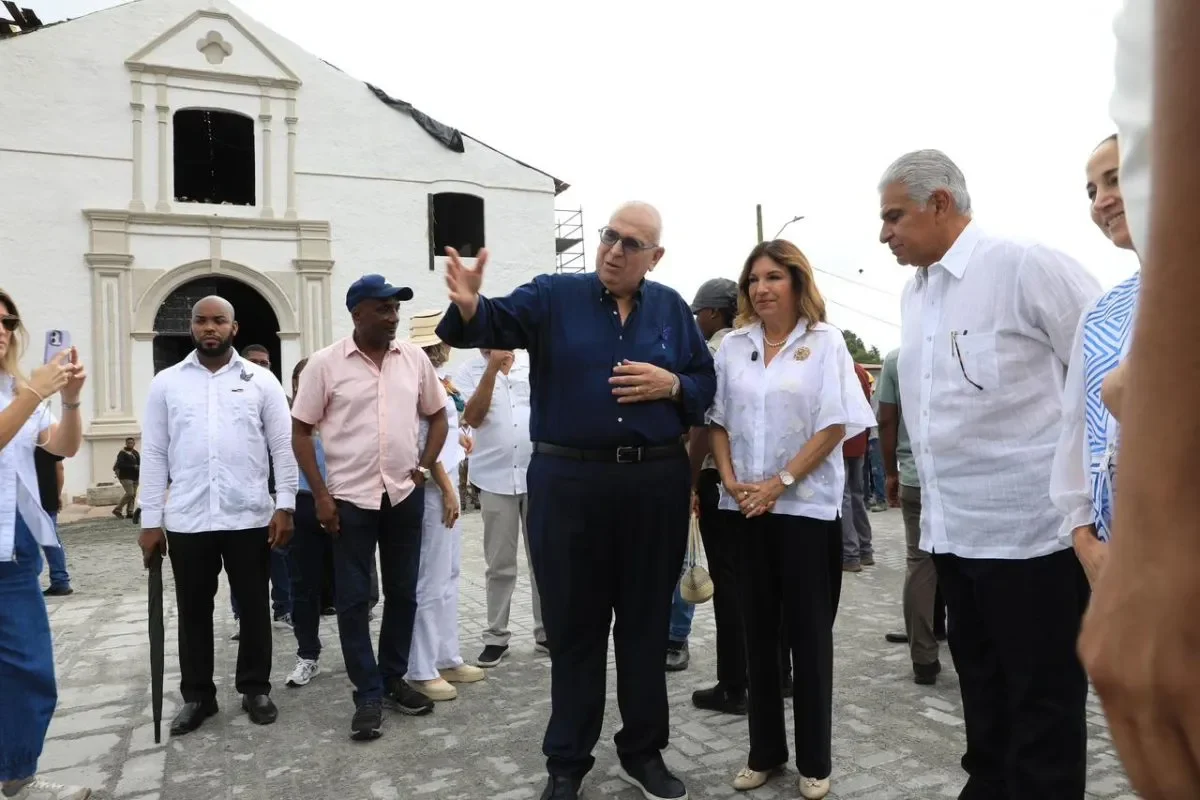
The Portobelo church restoration has reached 56 percent completion, a development that brings President José Raúl Mulino back to a promise he made on the campaign trail. Speaking during an inspection visit to the Atlantic coast town, Mulino recalled telling residents before the election that he would restore their beloved San Felipe Church if he won. Now, with tens of workers on site and major structural elements already transformed, that commitment is taking visible shape.
Presidential Inspection and Community Employment in Portobelo
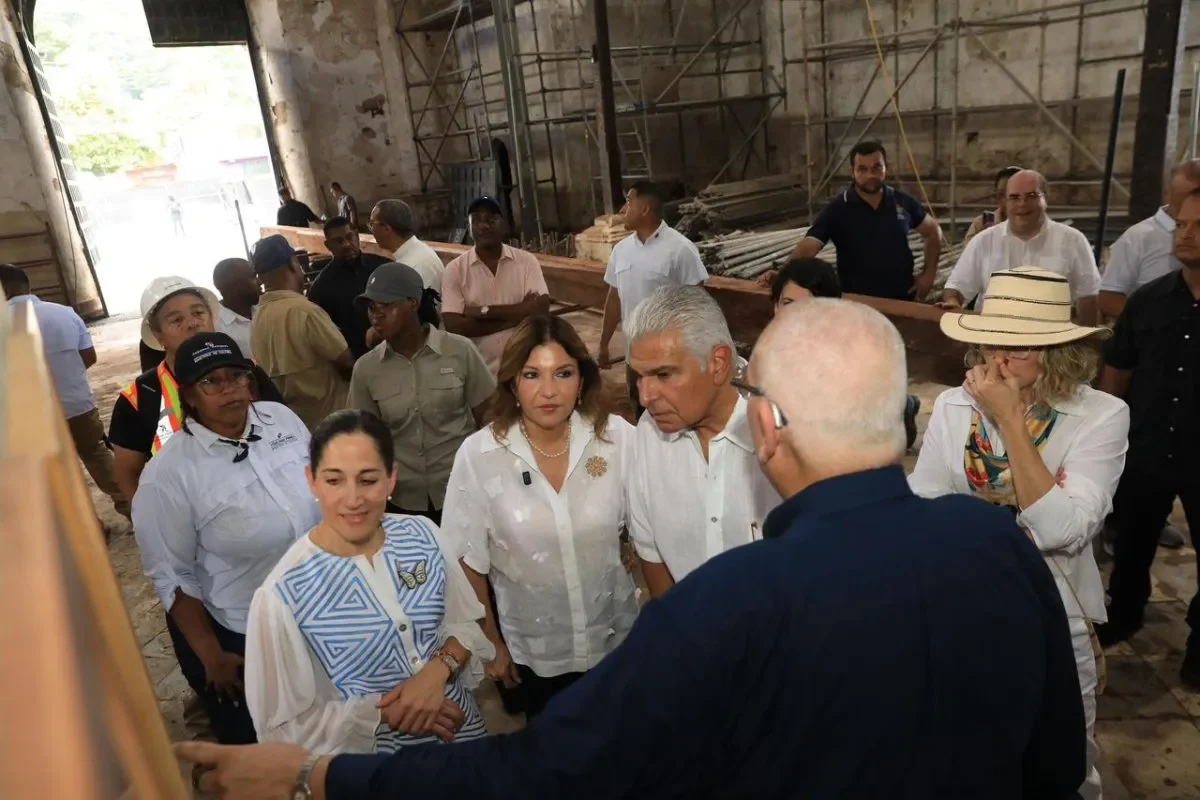
Mulino walked through the active construction zones on Thursday, stopping to talk with laborers and local residents who have watched the project transform their historic center. The visit underscored both the physical progress and the human dimension of a restoration that employs 64 people, nearly 90 percent of them from Portobelo itself. Eleven women from the community are among the workforce, authorities confirmed, creating what officials describe as a direct transfer of skills and economic opportunity to local families.
The president framed the effort as a personal obligation.
“I told them that if I won, I would build the church” [Translated from Spanish]
Mulino said, reflecting on the pledge that now anchors a B/.12.2 million public investment in one of Panama’s most culturally significant coastal settlements.
Church Restoration: Scope and Construction Timeline
The consortium Unidos por El Nazareno de Portobelo, S.A. is executing a comprehensive intervention that extends well beyond the church walls. The scope covers restoration of the San Felipe Church facade, installation of a new roof, and recovery of interior spaces, along with major work on the main altarpiece, the presbytery, a side door, and the access route to the San Juan de Dios Chapel. The project also includes construction of front and lateral plazas, restoration of the chapel itself, improvements to surrounding streets, an annex building, and a new museum.
Officials laid out a phased delivery schedule tied to cultural and religious milestones. By the October 21 festivities, which draw thousands of pilgrims to venerate the Black Christ, the main and lateral facades plus the new plazas should be complete. The annex building is slated for December 2026, while the San Felipe Church itself should be fully finished in January 2027. Streets around the site will follow in February of that year. The San Juan de Dios Chapel has already achieved a key milestone, with its facade and roof fully restored.
Cultural Heritage and the Museum Hospitalitas Civitas
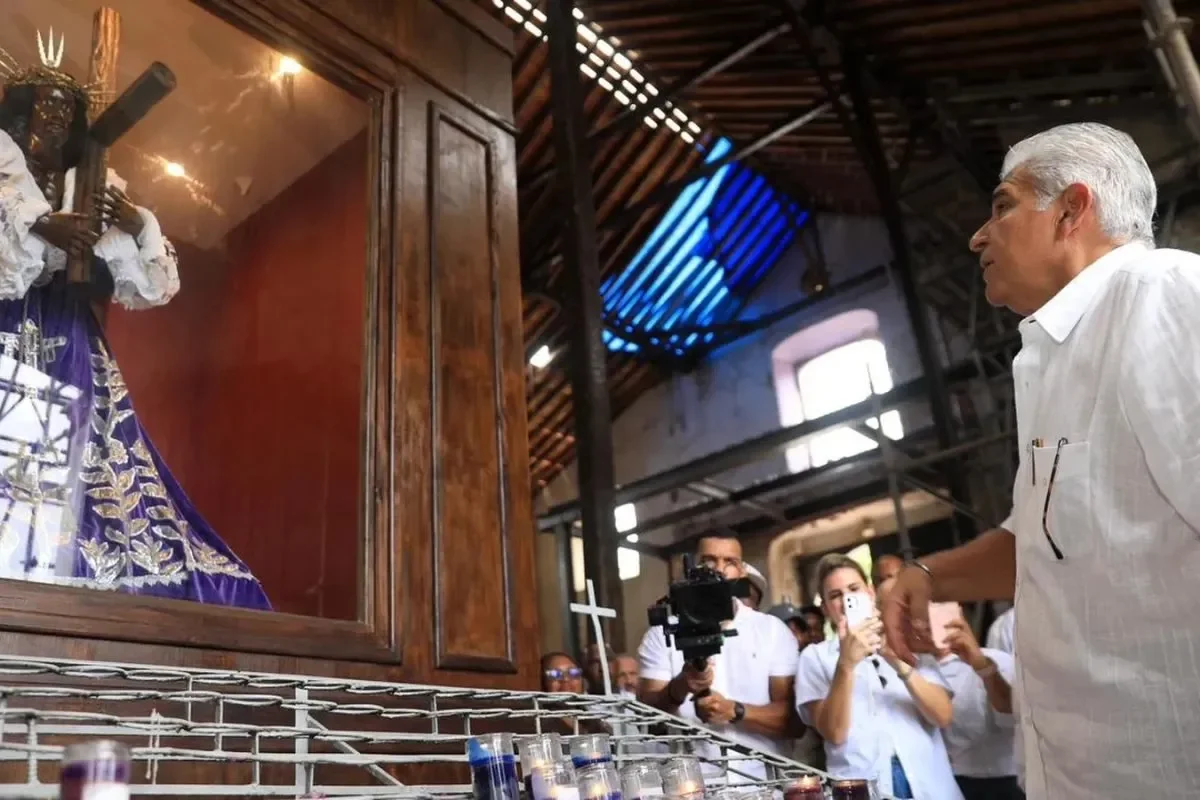
Beyond the structural work, the restoration carries deep significance for the religious and architectural identity of Portobelo. Each October, the town becomes a destination for thousands of devotees who travel to honor the Cristo Negro, the dark wooden statue housed in the church. The restoration project seeks to protect that pilgrimage tradition while preserving a colonial-era complex recognized as a vital reference point for the region’s history.
Crews are currently outfitting the interior of the new museum, named Hospitalitas Civitas, with furniture and specialized equipment. The museum represents an expansion of the site’s cultural function, creating a space that can educate visitors about the legacy of Portobelo beyond the annual feast day. When completed, the full ensemble of church, chapel, plazas, museum, and improved streets will offer a cohesive heritage corridor through the heart of the community.
Economic Ripple Effects and Future Outlook
The restoration’s local hiring strategy has turned a heritage project into an engine for community development. With nine out of ten workers coming from Portobelo, wages circulate directly through local households and businesses. The inclusion of women in construction roles also signals a shift toward broader workforce participation in a field traditionally dominated by men, a detail officials highlighted during the president’s visit.
The completed project will reshape the visitor experience in Portobelo, potentially extending the economic benefits of religious tourism beyond the crowded October celebrations. Better plazas, restored streets, and a functioning museum could encourage longer stays and year-round visitation. For a town whose identity is inseparable from its church, the restoration of San Felipe and its surroundings marks a turning point that blends faith, heritage, and economic survival into a single ongoing effort.