


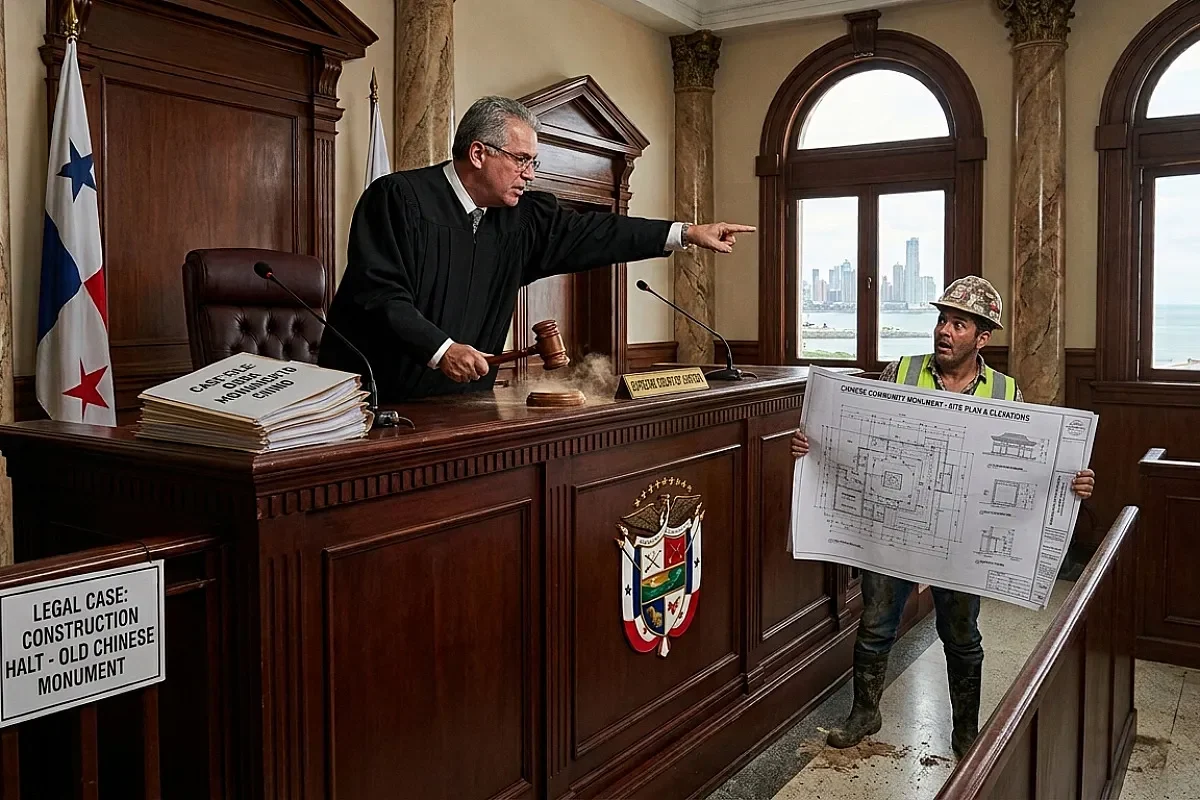
The Chinese community monument that once overlooked the Pacific entrance to the Panama Canal is now at the center of a growing legal battle, as a Panamanian court has frozen all activity at the demolition site while prosecutors investigate whether the mayor of Arraiján abused her authority. The Court of Guarantees issued the precautionary order on Friday, September 4, 2026, at the request of the Superior Anti-Corruption Prosecutor’s Office, bringing an immediate halt to any construction, renovation, or intervention at the Mirador of the Bridge of the Americas.
Chinese Community Monument Demolition Triggers Criminal Investigation
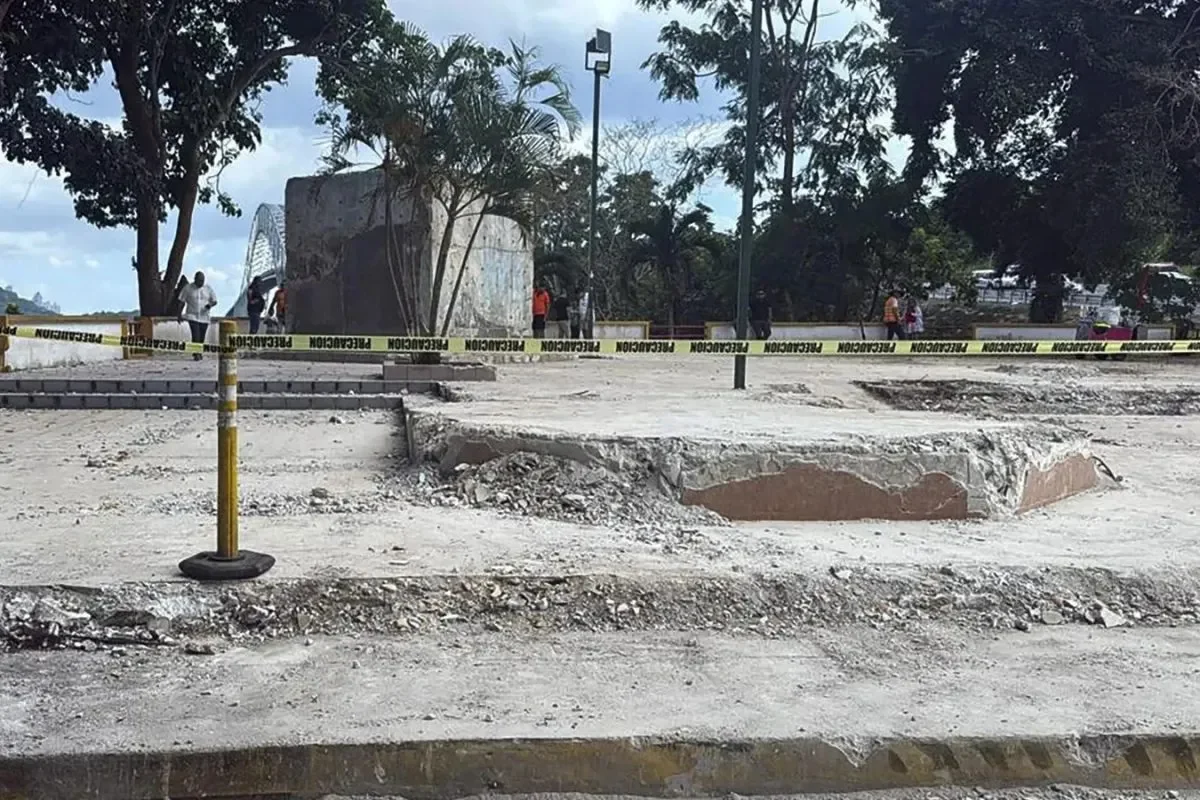
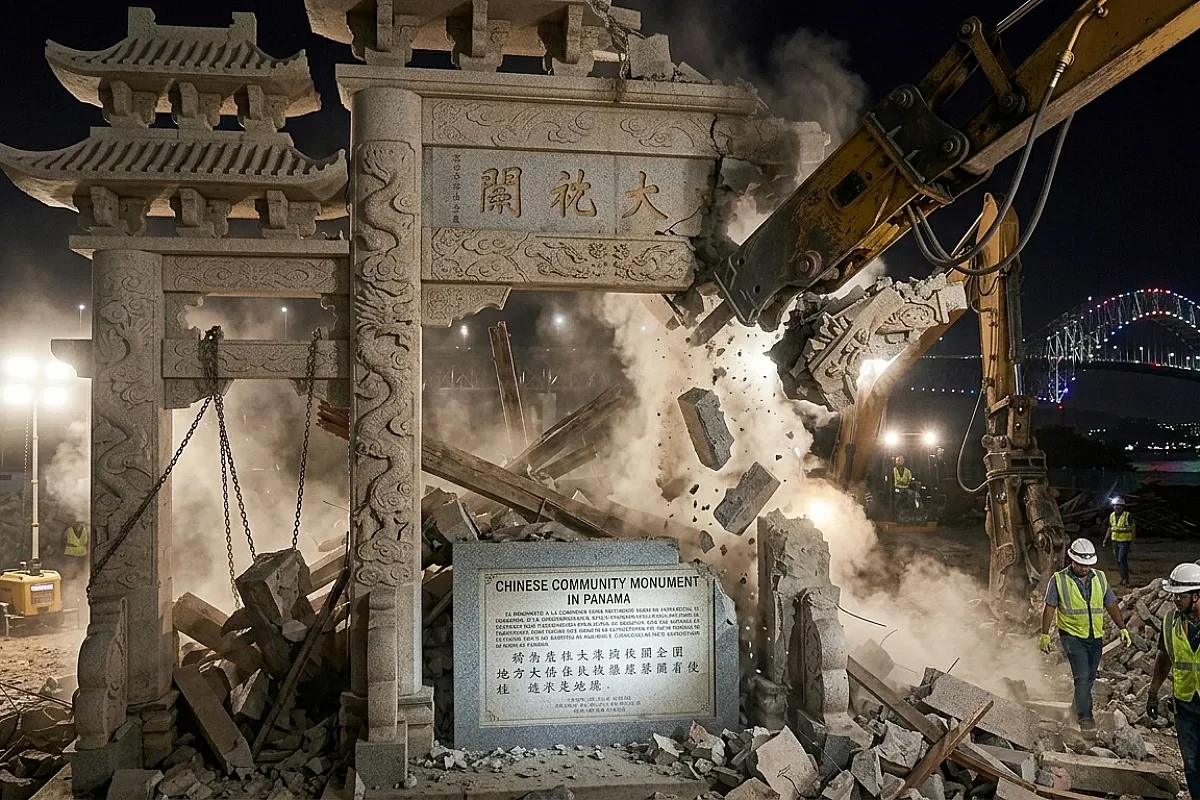
The structure that stood at the viewpoint commemorated 150 years of Chinese presence in Panama. That heritage stretches back to the mid-1850s, when Chinese laborers first arrived to help build the Panama Railroad, establishing communities that would later contribute to the canal’s construction and Panama’s broader economic development. On the night of December 27, 2025, the monument was demolished, leaving only rubble where the commemorative structure had stood.
News of the demolition spread quickly, generating public criticism and formal complaints to the Public Ministry. The Superior Anti-Corruption Prosecutor’s Office responded by opening an investigation into Mayor Stefany Peñalba of Arraiján, examining whether she committed the crime of abuse of authority under Panama’s administrative code. Prosecutors moved to secure the site as evidence while the legal process unfolds, ensuring that no further changes to the property could obstruct their investigation. The Chinese community monument had been a visible landmark for drivers crossing the Bridge of the Americas, a constant reminder of the community’s longstanding place in Panamanian society.
Court-Ordered Protections for the Bridge of the Americas Site
The judge’s ruling suspends any act, project, or activity within the property where the monument once stood. It also prohibits any intervention of any nature at the location until the investigation concludes. These precautionary measures, contemplated in Article 270 of the Criminal Procedure Code, effectively bar the municipality from advancing any plans for the viewpoint overlooking the Bridge of the Americas, which spans the Pacific entrance of the Panama Canal at Balboa.
The hearing took place on Friday morning after the Anti-Corruption Prosecutor’s Office asked the Court of Guarantees to validate the protective measures. Legal experts note that such orders are designed to preserve the physical integrity of a site under investigation and prevent further actions that could complicate the case. The decision marks a significant limitation on the mayor’s authority while the probe continues, and it sends a clear signal that the demolition won’t simply be followed by new construction without legal review.
Mayor’s Safety Claims Meet Community Rebuttal
Mayor Peñalba has defended the demolition by pointing to structural concerns at the monument. Her office argued that the structure presented risks and that safety considerations drove the decision to remove it from the viewpoint. The mayor’s team maintains that acting quickly was necessary to protect visitors to the popular lookout point, which offers sweeping views of ships entering and leaving the Panama Canal.
The Chinese community in Panama has pushed back firmly against that narrative. Community representatives said they received no advance notice before the demolition and had actually submitted requests to the municipality to renew the land use authorization and carry out maintenance work on the structure. Rather than being consulted about potential structural issues, they said, community members discovered the monument had already been reduced to rubble during that December night.
Cultural Heritage and the Path Forward
The destruction of the Chinese community monument carries profound symbolic weight for Panama’s Chinese diaspora, which has played an integral role in the country’s economic and cultural life for more than 150 years. From the construction of the transcontinental railroad to the building of the canal and the growth of Panama City as a commercial hub, Chinese Panamanians have contributed to nearly every major chapter of the country’s modern history.
Preservation advocates and legal observers are watching the case closely, noting that decisions affecting public monuments should involve proper consultation and transparent procedures. The investigation will examine whether the mayor’s decision followed legal requirements for the removal of structures on public land and whether the safety concerns she cited were substantiated through proper engineering assessments or merely asserted after the fact.
The judicial order ensures the site remains untouched as the anti-corruption investigation proceeds. Whatever the outcome, the case has already sparked a broader conversation about community consultation, cultural preservation, and the limits of executive power in Panama’s municipal governments. The Chinese community’s response has demonstrated that the monument was far more than stone and concrete. It represented a shared history that many believe deserved protection, and its fate now rests in the hands of Panama’s judicial system.