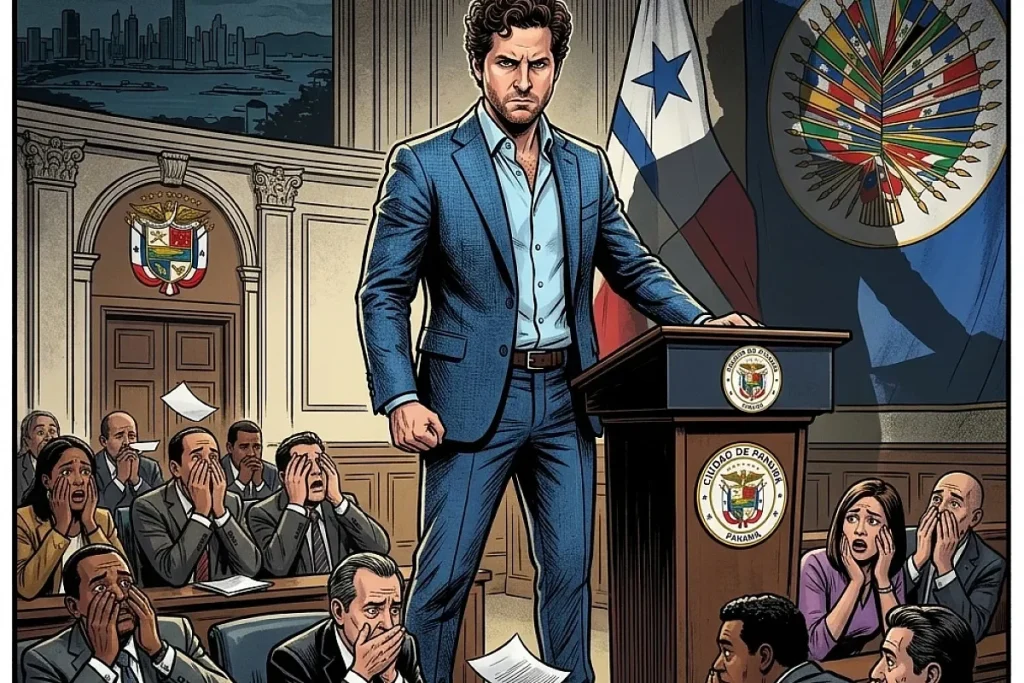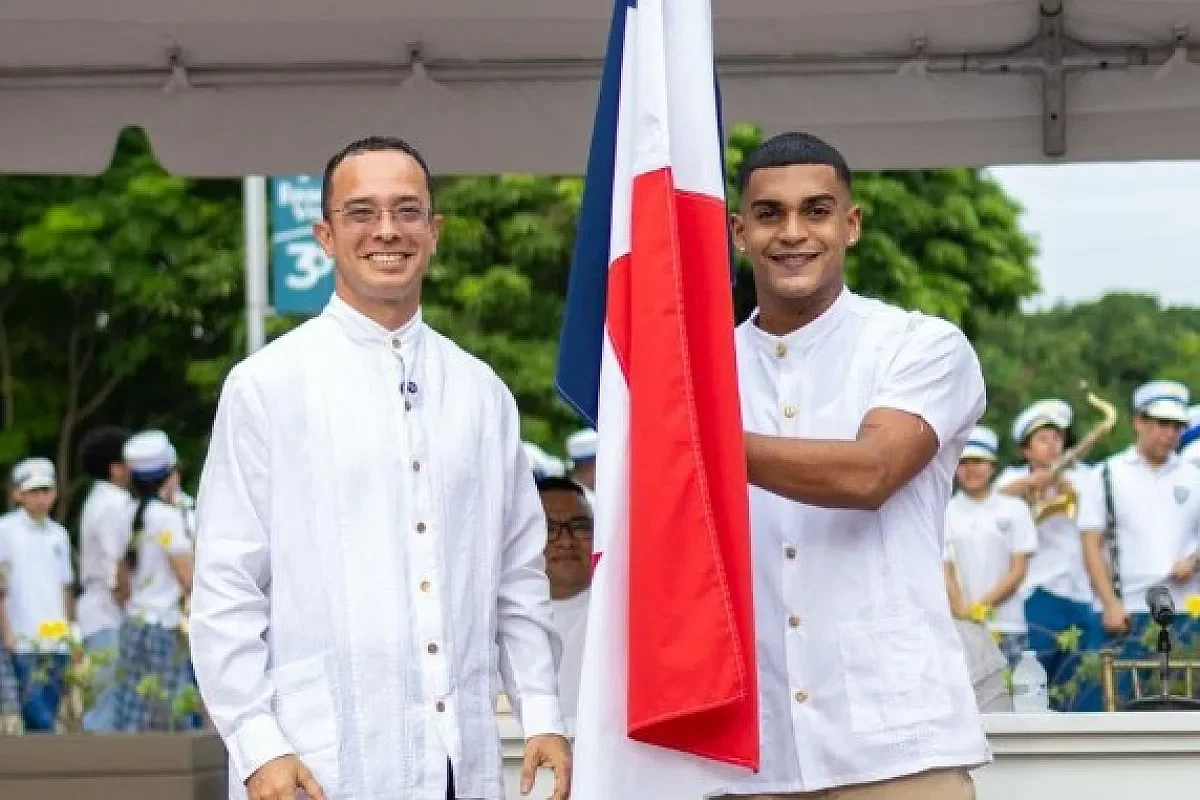
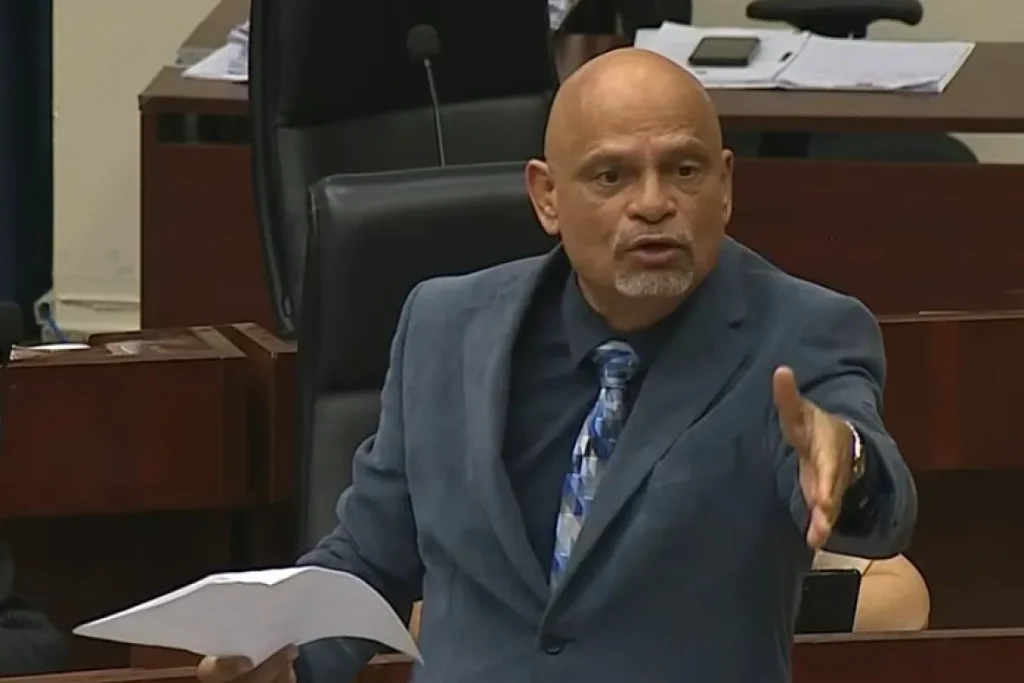
Rody Rodríguez Olmos didn’t expect to become the lone voice of dissent on the Panama City Council when mentioning the ‘fear of mayor’. The representative for Parque Lefevre watched as a $560,000 year-end party sailed through budget discussions while his district’s daycare center sat shuttered for more than a year. He saw $2 million allocated for “smart crosswalks” without a single location identified. And when he asked basic questions about these expenditures, colleagues who privately agreed with him stayed silent. The reason, he says, is simple. There’s a palpable fear that drives the Panama city council afraid of mayor dynamic now defining municipal politics under Mayer Mizrachi’s administration.
“They’re afraid to go against the mayor,” Rodríguez said in a recent interview, describing a voting bloc that commands 19 of 26 council seats and routinely approves measures without reading the underlying reports. [Translated from Spanish] The fear, he explains, isn’t abstract. It flows from the mayor’s control over project funding and resources distributed among the capital’s districts. For representatives who fall in line, there are pools to renovate and infrastructure projects to announce. For those who don’t, there’s silence, exclusion, and a district left waiting.
The Mechanics of a Panama City Council Fear of Mayor Mizrachi
The political arithmetic favors the administration. Rodríguez identifies the bloc as led by members of Realizando Metas (RM) and the Partido Revolucionario Democrático (PRD), with support from Cambio Democrático, the Panameñista Party, and even colleagues from his own Movimiento Otro Camino (Moca) coalition. What unites them, he argues, isn’t ideology but access. Projects ranging from $2 million to $12 million have flowed to districts like Tocumen, Juan Díaz, and Don Bosco. Pools in Betania, Calidonia, and San Francisco are getting repairs. Parque Lefevre’s pool remains untouched.
“The only pool not being repaired is in Parque Lefevre,” Rodríguez noted, adding that his district also holds the distinction of having the only daycare center closed for over a year under the current administration. [Translated from Spanish]
The pattern, he says, sends an unmistakable message to any representative considering opposition. Voting against the mayor’s priorities means watching your district fall to the bottom of the project list. It’s a form of political discipline that doesn’t require explicit threats.
The dynamic crystallized during a recent Finance Committee session. Rodríguez recalls colleagues abstaining from votes because they didn’t have the required report in front of them, yet refusing to vote against the measure.
“They said they didn’t want to vote against it despite not having the report in front of them,” he recounted. [Translated from Spanish]
For Rodríguez, this represents a fundamental failure of council oversight. The committee that controls municipal spending, he argues, has become a rubber stamp where projects are presented but never meaningfully debated.
The $2 Million Crosswalk Question Nobody Could Answer
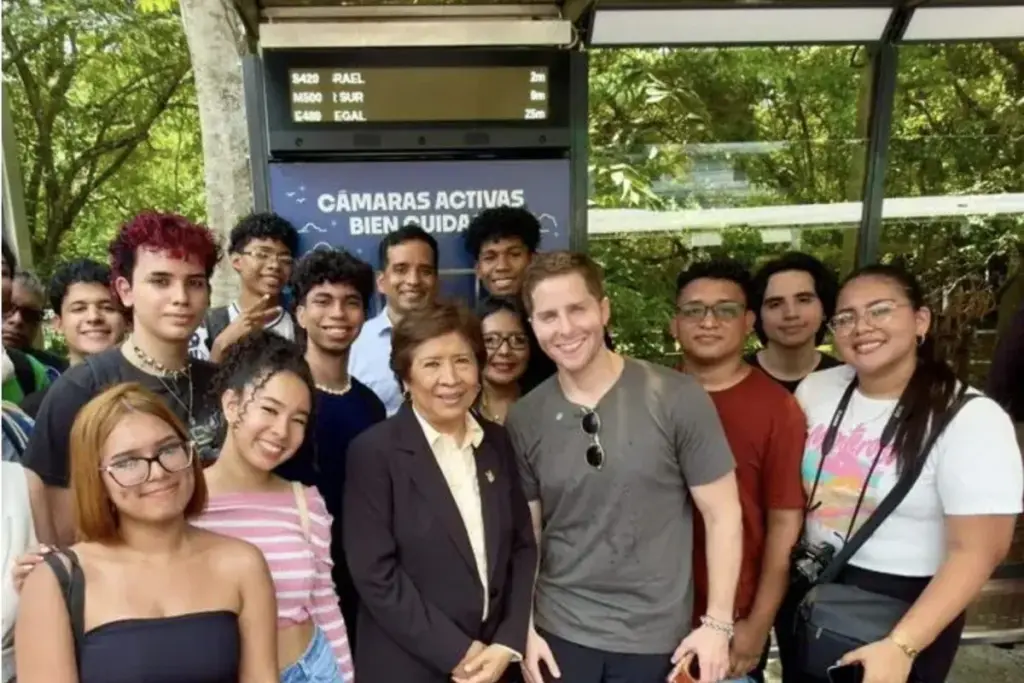
Perhaps the clearest illustration of the oversight breakdown came when the administration requested $2 million for “smart crosswalks.” Rodríguez asked the obvious questions. Where would they be installed? How many would there be? What was the execution plan for the spending? The response from the administration, according to Rodríguez, was essentially to approve first and figure out details later.
“First they approve it and then we’ll see where we put them,” was how he characterized the answer. [Translated from Spanish]
His own calculations suggest the figure is wildly inflated. At roughly $20,000 per smart crosswalk, the $2 million allocation would fund 100 installations. Rodríguez argues the city could install 10 and redirect the remaining funds to urgent repairs elsewhere. But when he pressed the point, the committee’s reaction wasn’t engagement. It was anger. The message was clear that questioning spending priorities, even on basic logistical grounds, wasn’t welcome.
The Star PTY year-end celebration offers another data point. The $560,000 budget request for an open-air event on the Cinta Costera struck Rodríguez as excessive, especially against the backdrop of unmet basic needs in his district.
“It seems like too much money for a year-end party,” he said. [Translated from Spanish]
His contrast is stark. If there’s no money to fix a daycare center or repair a pool, how is there money for a celebration? The answer, he suggests, lies in the mayor’s promotion of the Star PTY brand, which blurs the line between municipal spending and personal marketing.
Panama City Council Afraid of Mayor and the Toxic Room Dynamic
Beyond formal sessions, Rodríguez describes an informal space he calls “the little room” where the mayor converses casually with aligned council members. For those holding different opinions, he describes the atmosphere as “extremely toxic.” [Translated from Spanish] This informal power center, he argues, reinforces the fear dynamic by creating an insider-outsider divide. Those inside the room get projects and access. Those outside get excluded.
Rodríguez’s own relationship with Mizrachi has deteriorated to the point of non-existence.
“I really don’t have a relationship with the mayor, we don’t talk,” he admitted. [Translated from Spanish]
The final break came after he shared a news article in the council’s group chat about Attorney General Luis Gómez Rudy’s position that changing the Municipal Police’s functions fell outside the council’s authority and was unconstitutional. Shortly after, Rodríguez says, he was removed from the group and hasn’t been added back since.
That removal followed an earlier clash over the mayor’s proposal to expand Municipal Police functions. The project entered through the urgent pathway, without prior consultation or broad debate. Rodríguez refused to support it on procedural grounds, telling the mayor directly that he wouldn’t back a project, But good it seemed, that hadn’t been properly consulted. The response, he says, was Mizrachi’s anger and the bloc’s predictable support.
Decentralization Funds and the Real Cost of Dissent
The financial consequences of opposition extend beyond project lists. Rodríguez points to the decentralization funds allocated to his district’s operations, which dropped from $10,000 to $3,000 monthly when the new administration arrived. The difference, he says, was redistributed among other districts. For a representative trying to serve constituents, that’s a 70 percent cut in operational capacity, a concrete penalty for independence.
Yet Rodríguez frames the harm in broader terms. The daycare center closure, the unrepaired pool, the reduced operating funds, these don’t primarily hurt him as a politician. They hurt the residents of Parque Lefevre, the voters who elected him to represent their interests.
“It affects the citizens, the voters of Parque Lefevre, everyone who lives there,” he said. [Translated from Spanish]
The political retaliation, in his telling, ultimately punishes ordinary people for the representative’s willingness to ask questions.
The broader irony, Rodríguez notes, is that this austerity discourse coexists with record revenues.
“The collections of the last two years have been the largest in the mayor’s office historically,” he stated. [Translated from Spanish]
So the issue isn’t a lack of resources. It’s a question of priorities. The administration, he argues, directs funds toward “superfluous topics like parties or smart crosswalks” while ignoring the city’s real problems. [Translated from Spanish]
The result is a governance model where loyalty matters more than need, and where the council’s oversight function has been hollowed out by fear.
What emerges from Rodríguez’s account is a portrait of municipal democracy under strain. When 19 of 26 representatives vote in lockstep without reading reports, when questions about spending trigger anger rather than answers, when informal rooms replace formal debate, the institutional checks designed to protect public resources erode. The Panama city council afraid of mayor dynamic isn’t just about one politician’s frustration. It’s about whether the capital’s legislative body can still perform its most basic function, holding the executive accountable for how public money is spent. For now, Rodríguez stands alone in asking. The question is whether others will find the courage to join him, or whether the fear will continue to govern the room.