


Starting a business in Panama City just got considerably cheaper. The municipality has approved a sweeping municipal tax exemption that eliminates 100 percent of taxes on commercial and lucrative activities for newly formed entrepreneurship companies, a benefit that can last up to two full years.
The measure, rooted in Municipal Agreement 142 dated May 19, 2026, targets entrepreneurs reporting annual gross income of no more than B/. 200,000.00. City officials emphasized that no other municipality in the country has ever activated such a mechanism, making the capital district a pioneer in reducing the initial tax burden for startups.
Municipal Tax Exemption Details and Eligibility Rules
Under the new framework, qualifying entrepreneurship companies registered in the District of Panama can keep every balboa that would otherwise go toward municipal taxes on their commercial operations. The exemption applies for a maximum period of two years, giving founders a significant runway to stabilize their ventures before facing full tax obligations.
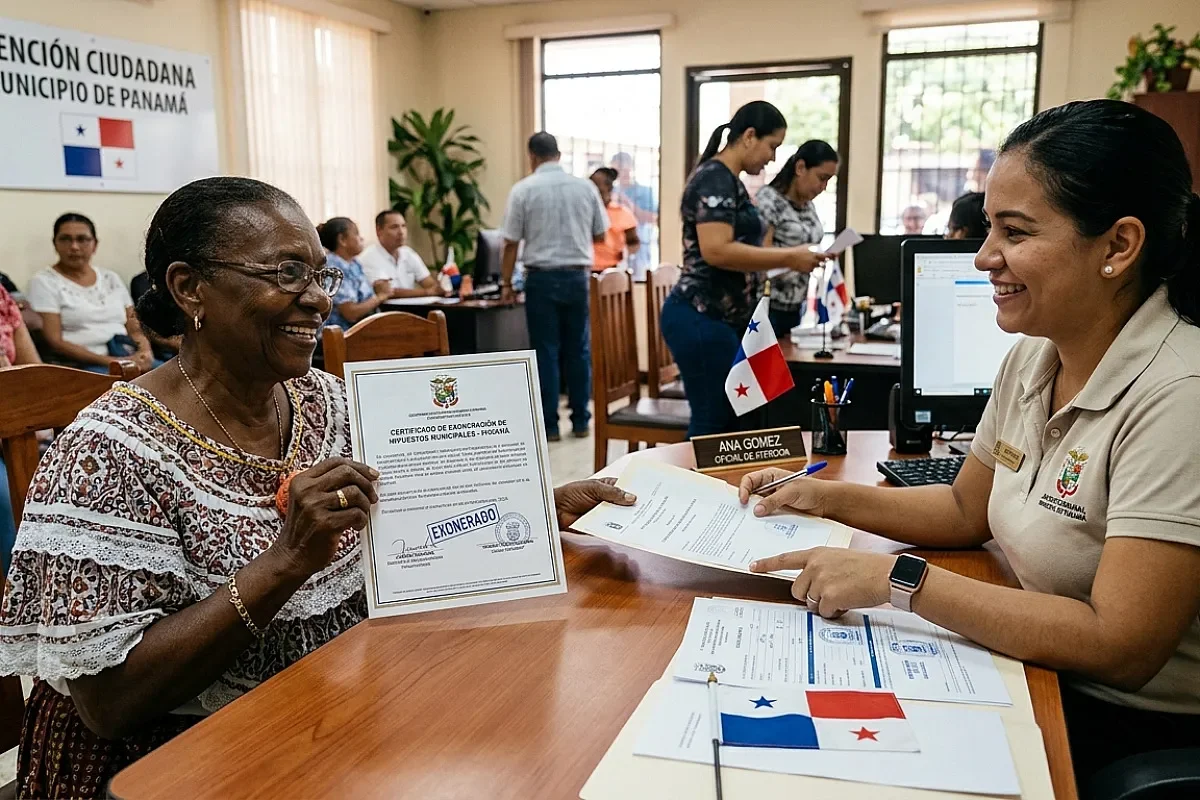
The income cap of B/. 200,000.00 in annual gross revenue ensures that the program focuses on small and emerging businesses rather than established corporations. Panama City‘s municipal government sees this as a strategic investment in the local economy, one that could reshape how new companies approach their early operational decisions.
Officials from the Mayor’s Office stressed that the program represents an unprecedented step for local governance in Panama. Municipalities across the country have traditionally relied on commercial activity taxes as a steady revenue stream, so offering a full exemption for two years signals a fundamental shift in how the capital district views its role in fostering economic development.
Signage Tax Relief and Delinquency Moratorium
Beyond the core exemption on commercial activity taxes, the agreement also extends to signage taxes. Entrepreneurs running assessed companies can apply for a 100 percent exemption on the sign tax, provided they maintain their good standing certificate, remain properly registered, and keep all tax obligations current.
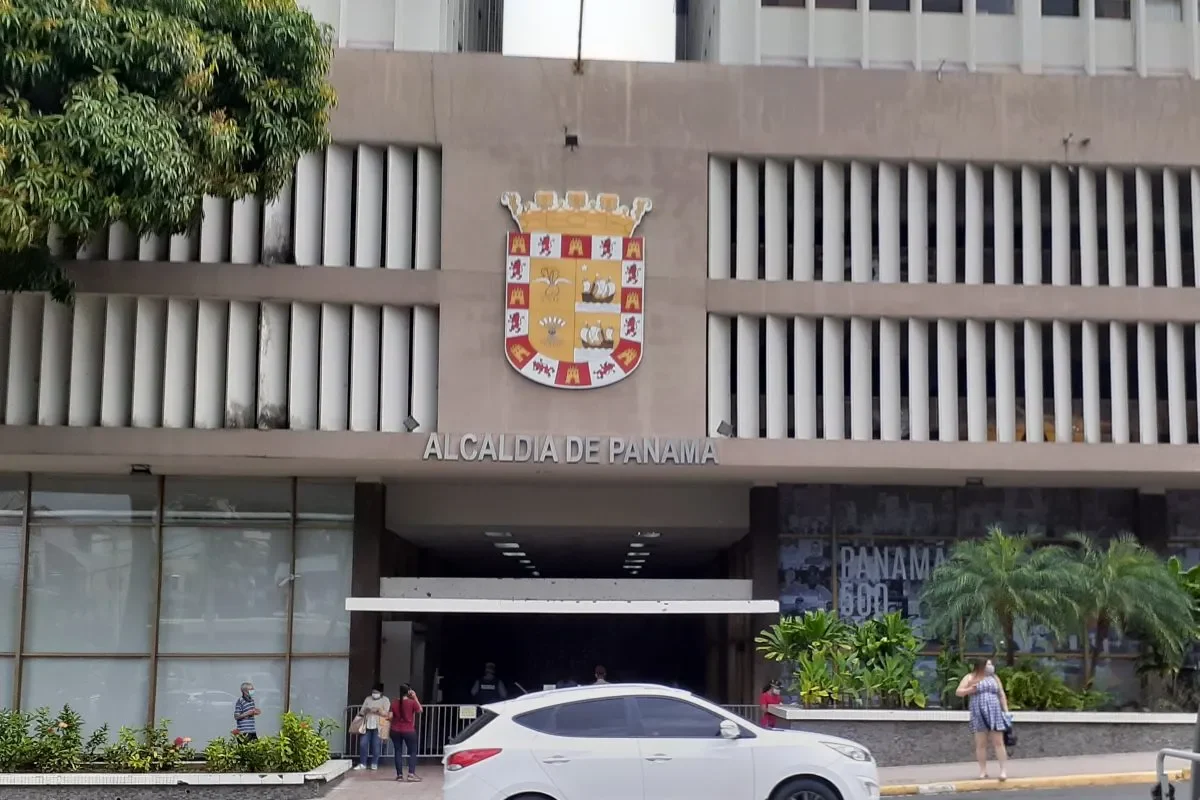
For businesses that have fallen behind, the city offers a separate path. Companies with outstanding debts can take advantage of a three month moratorium during which all fines, surcharges, and interest charges get waived. This reconciliation window aims to bring delinquent societies back into compliance without the crushing weight of accumulated penalties.
The dual track approach reflects a pragmatic understanding of the challenges facing small business owners. Some entrepreneurs need help from day one, while others need a way to fix past problems and move forward. The municipality has now created mechanisms for both scenarios.

Mayor Mizrachi’s Vision for Capital Reinvestment
Panama City Mayor Mizrachi framed the initiative as a direct stimulus for job creation and business growth. His administration wants entrepreneurs to redirect the money they would normally spend on municipal taxes toward building stronger companies.
“This mechanism, never applied before, is designed to encourage the development of entrepreneurship so that this money allows them to reinvest in human capital, infrastructure and operational expansion, directly contributing to job generation in the district of Panama” [Translated from Spanish]
The mayor’s emphasis on human capital and infrastructure signals a broader strategy to strengthen Panama City’s position as a hub for innovation and small business development in Central America. By removing early stage tax pressure, the municipality hopes to attract founders who might otherwise choose other jurisdictions.
Economic development specialists have long argued that startup friendly policies can generate outsized returns over time. When new companies hire employees, purchase local goods, and expand their operations, the resulting economic activity often produces more municipal revenue through other channels than the original tax exemption ever would have collected.
Panama’s Growing Entrepreneurship Ecosystem
Current data from the Mayor’s Office reveals approximately 740 active entrepreneurship companies operating in the capital district. That figure represents a solid foundation, but officials expect the new tax incentives to spur a noticeable increase in new registrations.
Across Latin America, municipal governments have experimented with various tax relief programs to lure startups, but few have implemented a full two year exemption of this scope. Panama City’s approach aligns with global trends that recognize early stage businesses need breathing room to achieve profitability before shouldering heavy tax loads.
The initiative also addresses the informal economy challenge. By making formal registration more financially attractive, the municipality creates a powerful incentive for entrepreneurs to bring their businesses into the legal fold. That shift could expand the tax base over time, even as it sacrifices short term revenue from new startups.

What This Means for the Region
Panama’s capital district now stands out as a key startup friendly municipalities in the region. The combination of a two year tax holiday, signage relief, and a debt forgiveness window for delinquent firms sends a clear message about the city’s commitment to private sector growth.
The real test will come in the coming months as the municipality tracks new business registrations and measures whether the municipal tax exemption translates into sustained job creation. Early signs from the Mayor’s Office point to optimism, with projections indicating meaningful growth in the number of formal entrepreneurship companies.
For aspiring business owners in Panama City, the window of opportunity has rarely been wider. With the first ever municipal tax exemption of this kind now in place, the capital district is betting that today’s fledgling startups will become tomorrow’s major employers and economic anchors.
