


President José Raúl Mulino has intervened personally in a growing disagreement over how the Panama Maritime Authority manages access to its institutional records, pushing the topic of maritime transparency Panama into the national conversation. The AMP confirmed it will convene an extraordinary session of its Board of Directors on Tuesday, September 1, to revisit Resolution JD No. 012-2026, a measure that declared certain agency files off-limits for a full decade.
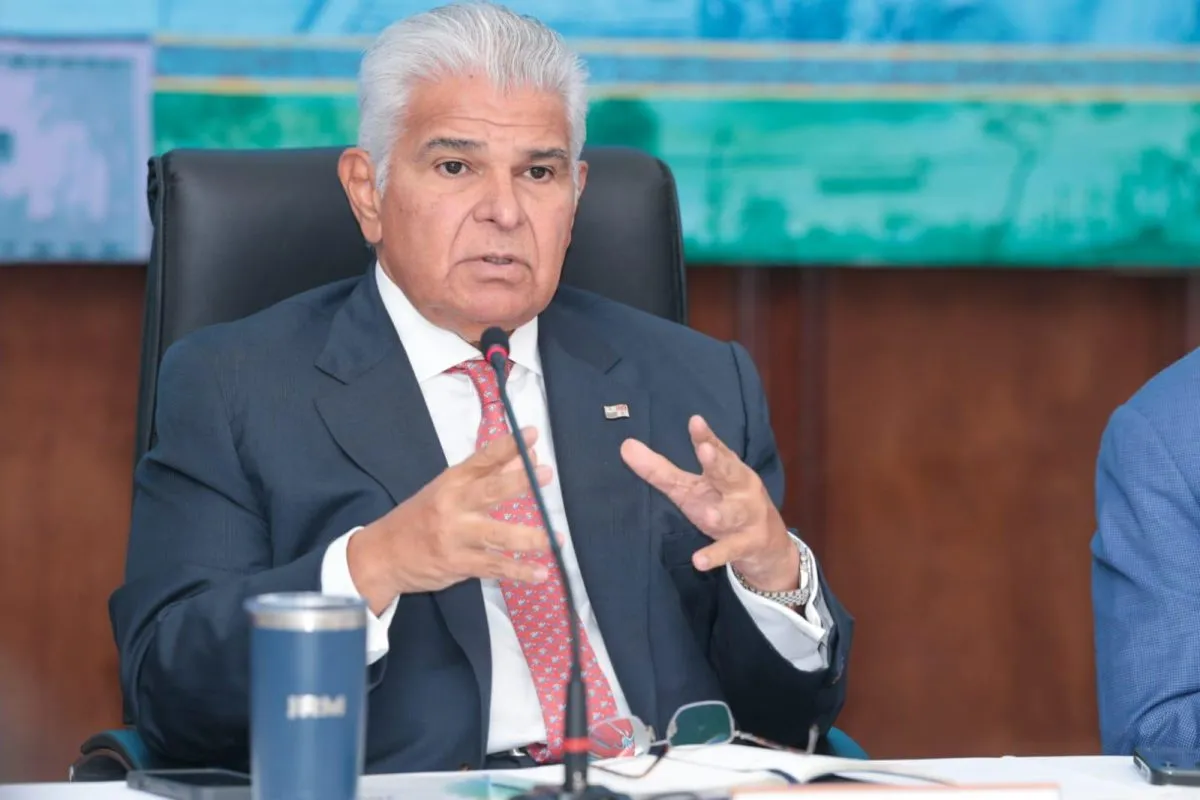
The president voiced his objections on X on Monday, saying he did not understand why the maritime agency would classify specific information as confidential or restricted.
“I don’t know the reasons why AMP considers certain information of the entity as confidential or of restricted access. I respectfully ask you to reconsider that,” [Translated from Spanish]
Mulino wrote. The resolution in question appeared in Official Gazette No. 30600 on Friday, August 28, just days before the presidential appeal.
Files Covered by the Ten-Year Reservation Order
Resolution JD No. 012-2026 restricts access to documentation, proceedings, and technical, administrative, and legal reports contained in files managed by the General Directorate of Ports and Auxiliary Maritime Industries. For the established ten-year period, consultation and reproduction of these records would remain available only to parties formally accredited in each procedure and to competent authorities.

The affected files touch on several economically sensitive areas, including concessions of maritime areas, operating licenses for auxiliary maritime services, and administrative investigations into possible infractions within the directorate’s scope of responsibility. These categories sit at the heart of Panama’s maritime economy, a sector that benefits enormously from the country’s position astride the Panama Canal and its network of ports on both the Atlantic and Pacific coasts.
In announcing its decision to review the measure, the AMP cited the principles of transparency and strict legality. The agency also referenced Law 6 of January 22, 2002, the legal framework that governs public information access in Panama, suggesting the review aims to establish more efficient mechanisms that guarantee the public’s right to know. Panama’s transparency framework has evolved significantly since that law took effect more than two decades ago, setting baseline expectations for how public institutions should handle documentation.
Maritime Transparency Panama Board Responds to Executive Request
The extraordinary board session represents a swift institutional response to the presidential appeal. In an official communication, the AMP reaffirmed its commitment to working with open doors, strengthening confidence among national and international investors, and preserving competitiveness and clarity in administrative management.
Governance specialists note that Panama has spent years building a reputation as a responsible hub for international maritime trade. The country manages one of the world’s largest merchant marine registries and processes a significant share of global shipping through the Canal. That status depends in part on clear rules and predictable institutional behavior, qualities that information disclosure helps reinforce. The debate over maritime transparency Panama officials now engage in reflects broader questions about institutional accountability.
Private Sector Leaders Demand Clarity and Correction
The Panamanian Association of Business Executives (Apede) contacted the AMP separately to request an explanation and rectification of the resolution. The organization argued that a blanket reservation severely limits public scrutiny over decisions and operations connected to a strategic sector of the national economy. Their concern underscores the private sector’s expectation that maritime administration remain open to examination.
Apede’s intervention reflects wider business sentiment that transparency strengthens long-term competitiveness rather than weakening it. The maritime industry in Panama generates thousands of jobs and attracts substantial foreign direct investment, meaning decisions about information access ripple well beyond government offices. Business leaders appear to view the resolution as potentially damaging to the country’s reputation among international partners.
Ultimately, the board’s decision on Tuesday will signal how Panama reconciles the need for confidentiality in certain administrative matters with the public’s right to examine how its maritime institutions operate. The outcome carries implications not just for the AMP but for the broader culture of transparency across Panama’s public administration.