


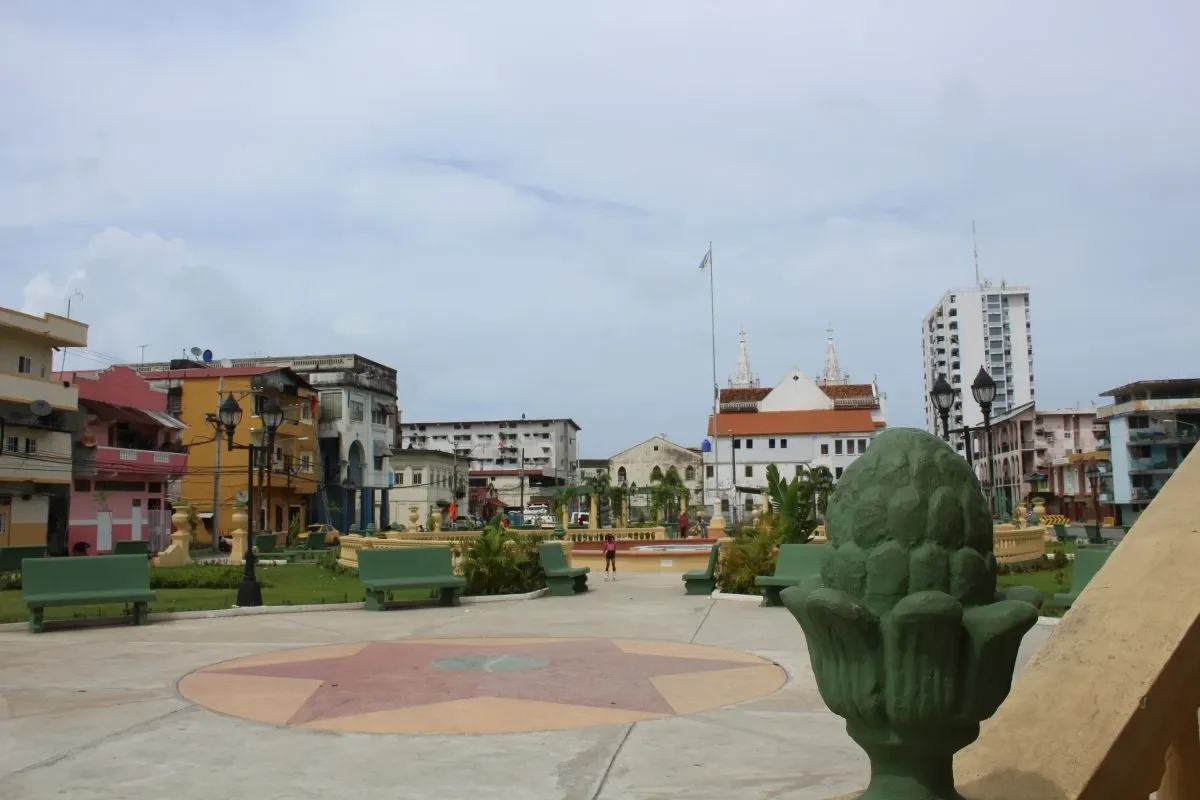
More than 16,000 residents of David Cabecera in Chiriquí have spent months without anyone legally empowered to sign documents, approve spending, or call community meetings. The David legal limbo mirrors a parallel breakdown in Colón’s Barrio Norte, pushing the combined number of Panamanians living under this administrative uncertainty past 28,000. What began as a corruption investigation has spiraled into a governance emergency that exposes glaring gaps in Panama’s municipal framework.
Thousands Stranded by Community Board Vacancies
Community boards, known locally as juntas comunales, serve as the first line of local governance in Panama. They manage small infrastructure projects, organize neighborhood consultations, and control millions in decentralization funds. When their elected leaders disappear into the criminal justice system, the machinery of everyday municipal life grinds to a halt.
The scale of the problem became clear as both affected municipalities scrambled for answers. Barrio Norte counts 12,320 inhabitants according to the 2023 census, while David Cabecera registers 16,051. More than a year after the 2024 general elections, neither community has a functioning elected authority in place. Residents can’t get permits processed, community projects approved, or official meetings sanctioned.
Panama’s decentralization experiment, which began in earnest over a decade ago, was designed to bring decision-making closer to citizens. The juntas comunales became the visible face of that promise. But the current crisis reveals how fragile the system remains when its legal foundation meets unexpected circumstances. Both cities have now turned to the Procuraduría de la Administración for guidance, hoping a legal opinion might unlock a path forward. So far, the responses have left more questions than answers.
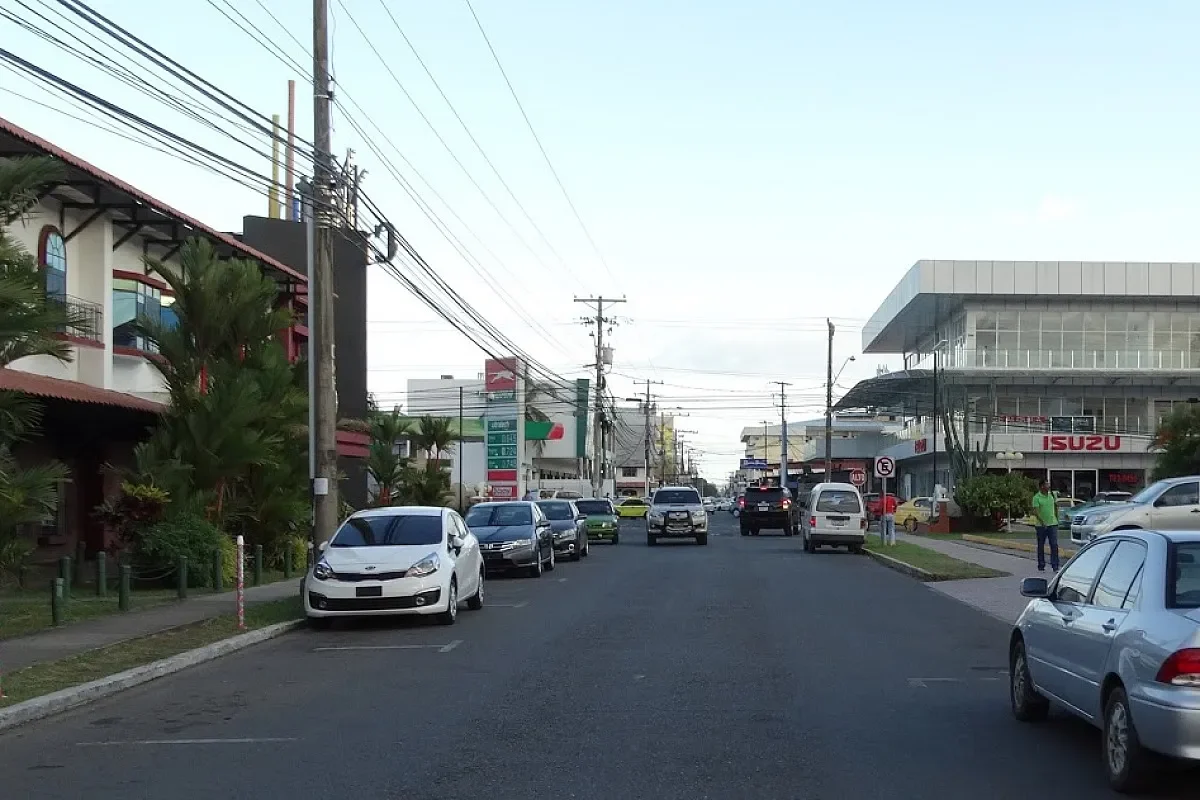
David Legal Limbo Leaves 16,000 Residents in Suspense
The situation in Chiriquí province deteriorated after authorities detained representative Jorge Eduardo Montenegro Vallarino and placed his alternate, Sandra Jiménez, under house arrest. Both face charges
to the alleged mishandling of public money. With the principal in preventive detention and the substitute confined to her residence, the junta comunal has effectively lost its entire elected leadership.
Mayor Joaquín De León said he plans to formally consult the Procuraduría about how the board should operate while both elected officials remain legally barred from exercising their duties.
‘We will consult the Administrative Attorney’s Office about how the community board should operate’ [Translated from Spanish]
His stated goal is to determine who can temporarily assume the junta’s responsibilities and guarantee continuity of services without violating the presumption of innocence or due process rights of the accused. That balancing act sits at the heart of the legal puzzle. Both Montenegro Vallarino and Jiménez remain innocent under Panamanian law until proven guilty, yet their precautionary measures make it impossible for them to execute their official functions.
The practical consequences touch everything from street repairs to social programs. Community boards in Panama typically approve local projects, validate citizen requests, and coordinate with national agencies on small-scale development. Without a legitimate authority, that entire pipeline stalls. David Cabecera‘s 16,051 residents are left attending to their own local problems while waiting for some resolution.
Barrio Norte Faces Parallel Governance Breakdown
The Colón case followed a different route into the same dead end. Jairo Salazar won the Barrio Norte representative seat in 2024 running under the Partido Revolucionario Democrático banner. He simultaneously secured a deputy position in the National Assembly and chose the legislative seat, passing the community representation to his alternate, Javier Lynch.
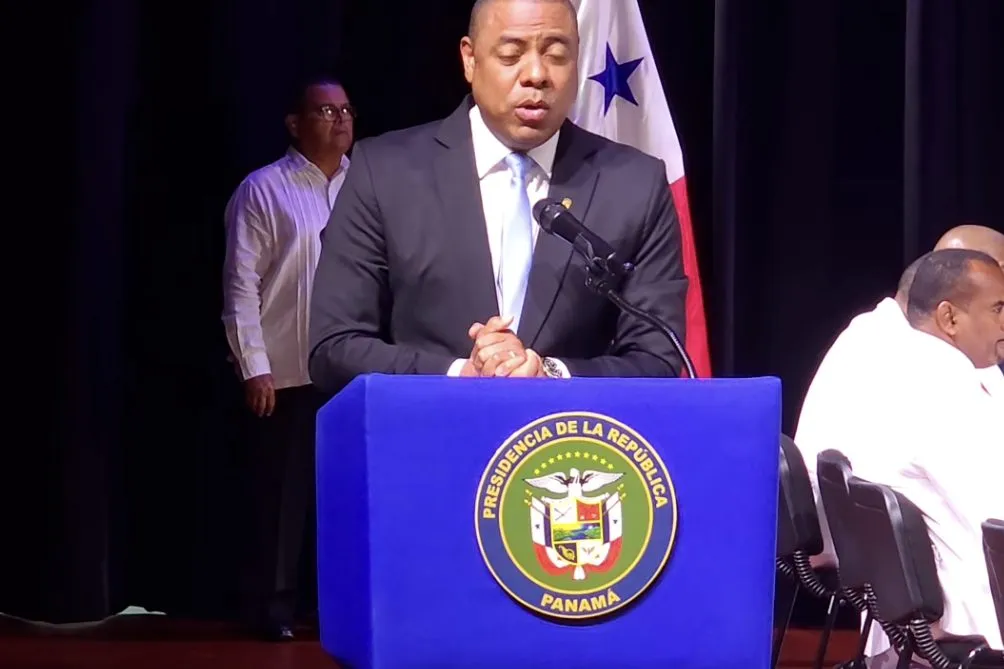
That arrangement collapsed in April when Judge Ángel Santos charged Lynch with embezzlement and ordered his preventive detention. Lynch was recently transferred to the Coiba Island prison facility while his judicial process advances. The junta was left with no elected authority capable of acting.
Colón’s mayor, Diógenes Galván, described a stopgap arrangement where the municipal government maintains operational control of the board. Employees remain under city jurisdiction, and the administration continues coordinating basic services like street cleaning and maintenance.
‘The officials are under municipal jurisdiction and the administration continues coordinating cleanliness and maintenance work’ [Translated from Spanish]
But the deeper question of who can authorize spending and conduct the citizen consultations required by decentralization rules remains unresolved. Galván added that the municipality stays in contact with the National Decentralization Authority to explore how the mayor’s office could directly carry out those consultations without violating the legal framework for decentralization funds.
Millions in Decentralization Funds Under Scrutiny
Both troubled boards share a common thread. The allegations involve the so-called parallel decentralization program, formally known as the Social Development and Interest Programs, or PDIS. Prosecutors say these discretionary funds became a conduit for corruption across multiple municipalities during the previous administration.
The Public Ministry’s latest report paints a stark picture. Investigators have filed charges against 118 people connected to the PDIS cases. Of those, 17 remain in preventive detention, 16 are under house arrest, and 82 face periodic reporting requirements. The remaining defendants received no precautionary measures.
The amounts flowing through the most scrutinized boards reveal why the stakes feel so high. Belisario Porras in San Miguelito received $8 million, the largest allocation. Barrio Norte came second at $6.9 million, followed by Amelia Denis de Icaza in San Miguelito with $5.5 million, Salud in Colón with $4.6 million, and David Cabecera with $4.4 million. Every one of those boards was controlled by PRD representatives.
The concentration of cases in PRD-led communities reflects the timing of the alleged schemes. The PDIS operated during the previous administration, when the PRD held the presidency under Laurentino Cortizo and controlled dozens of local boards across the country. That political context adds another layer of complexity to an already tangled situation, as the current government grapples with the administrative fallout from its predecessor’s programs.
Legal Framework Offers No Clear Path Forward
Panama’s municipal code addresses what happens when a representative and their alternate suffer permanent absences. Death, resignation, or final conviction trigger clear succession rules. But the law says nothing about the current limbo, where both elected officials face precautionary measures but remain technically in office with their cases unresolved.
Narciso Machuca, legal advisor for the Association of Municipalities of Panama, acknowledged the gap directly.
‘The legislation contemplates what happens when there is a permanent absence of the representative and their alternate, but it does not clearly establish what to do when both face precautionary measures’ [Translated from Spanish]
The Procuraduría de la Administración has already signaled its limits. In response to Colón’s earlier consultation, the agency stated it lacks competence to resolve disputes involving elected positions, saying those determinations belong to the authorities constitutionally empowered to make them.
‘It lacks competence to resolve disputes
to popularly elected positions, whose definition corresponds to the constitutionally empowered authorities’ [Translated from Spanish]
That answer, while legally precise, left the municipality without the practical guidance it sought. For now, both boards drift in administrative purgatory. David Cabecera residents can’t get a community meeting sanctioned. Barrio Norte’s municipal government patches over the void with city resources. The National Decentralization Authority continues reviewing how funds might be released without violating consultation requirements.
The crisis has drawn attention far beyond the two affected communities. Local government associations, opposition figures, and civil society groups have all questioned how a democratic system can leave thousands of citizens without representation for months on end. The answer may require legislative action, but Panama’s National Assembly has yet to take up the matter.
As the judicial processes against Montenegro Vallarino, Jiménez, and Lynch move forward, the communities they were elected to serve wait for clarity. The David legal limbo has become more than a technical legal problem. It is a test of whether Panama’s decentralization experiment can survive its own design flaws. Until a judge rules, a law changes, or a clear administrative opinion emerges, more than 28,000 Panamanians will continue living without the local government their constitution promises.