


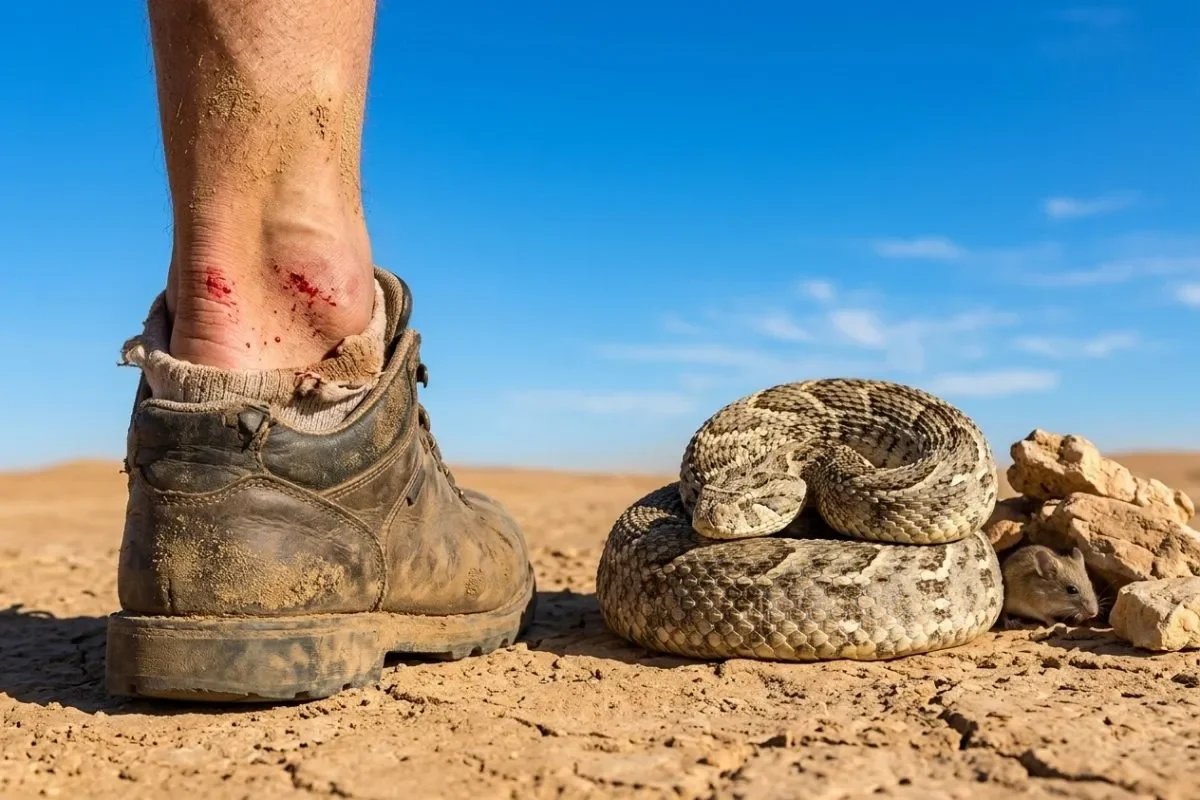
Across Panama’s lowland farms and forested edges, a silent health emergency continues to unfold every time a farmer, child, or domestic animal crosses paths with a venomous snake. Health officials say snakebite prevention Panama must stay at the center of rural public health planning, even as new data show a modest decline in total cases. The national incidence rate sits near 50, which represents improvement compared with earlier periods but still reflects a persistent threat for communities in Chiriquí, Coclé, Veraguas, and Darién. Humberto Vanegas Pereira, a general physician with the Ministry of Health (Minsa), underscored that Panama’s tropical forests and humid conditions keep the danger alive throughout the year. He also pointed to a defining global moment in 2017, when the World Health Organization classified snakebite envenoming as a neglected tropical disease.
Mapping the Human and Geographic Toll
Between 2021 and 2025, Panama recorded 7,338 snakebite incidents, according to Minsa bulletins. Veraguas topped the list with 1,667 cases, followed by Chiriquí with 1,458 and Coclé with 835. Vanegas said no fully consolidated figure for 2026 exists yet because officials must complete exhaustive provincial measurements. Still, the pattern remains consistent. Chiriquí, Coclé, Veraguas, and Darién repeatedly surface as the highest-risk provinces, driven by agricultural work, rural housing, and proximity to forest habitats.
The death toll also reveals a sharp gender and geographic imbalance. From 2019 through 2025, Panama reported 49 male deaths and 25 female deaths linked to snakebites. Vanegas confirmed that two deaths have been recorded in the current monitoring period. He explained that fatalities rarely occur because antivenom is completely unavailable. Instead, they happen because patients wait too long before traveling to a hospital. In the latest epidemiological week, authorities logged 33 new cases, compared with 26 in the same week of 2025. The cumulative total for 2026 stands at 857, down from 997 cases during the equivalent period last year.
Venomous Species and the Biology of Risk
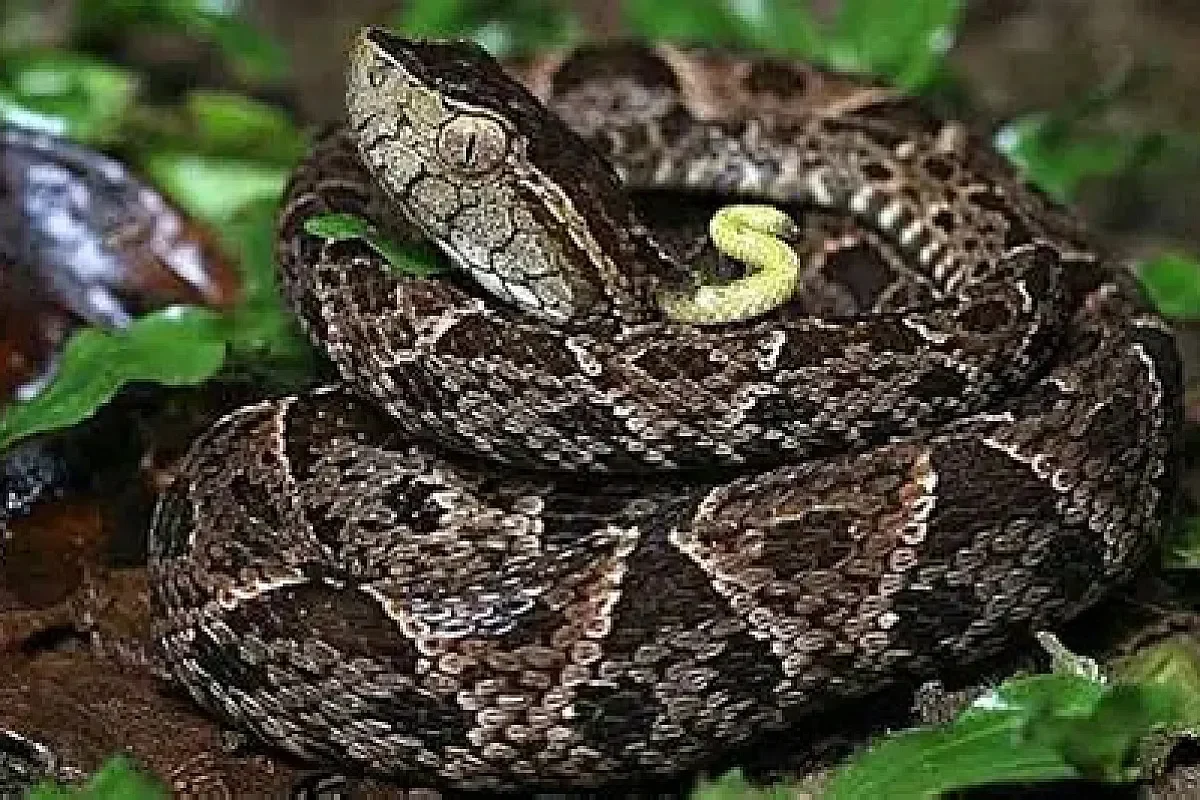
Biologist Marcelo Mack Prado explained that Panama hosts 14 genera of venomous snakes, but two species cause the greatest alarm. The fer-de-lance, called equis or terciopelo locally and known scientifically as Bothrops asper, and the patoca, especially Porthidium lansbergii, produce bites with severe medical consequences. Mack Prado described how weather shapes snake movement. Heavy rains push the animals to search for refuge and dry spaces, while droughts drive them toward cool, wet locations near human settlements.
Medical workers group Panama’s dangerous snakes into two main families because their venoms attack the body in different ways. Viperidae species, including the terciopelo, can produce kidney and vascular damage, systemic bleeding, shock, microhemorrhages, and severe hemorrhages. Elapidae bites may trigger blurred vision, weakness in the throat, and respiratory paralysis, along with injuries to other organ systems. Vanegas said local reactions range from mild to severe. The most critical cases involve generalized edema, blood that will not coagulate, falling blood pressure, and massive hemorrhages. He noted that communities benefit from learning to identify the two families, because understanding the venom type reinforces the urgency of immediate hospital care.
Antivenom Access and Emergency Care Gaps
Every region in Panama has antivenom stocks, but the supply chain still faces weak points in remote areas such as Darién. Vanegas acknowledged that shortages can occur there, requiring transfers to larger hospitals when patients need rapid neutralization of toxins. Minsa officials want every clinic and hospital to have the proper capacity and reliable access to antivenom. That objective is not abstract. For snakebite victims, early antivenom application is the single most important factor in avoiding severe outcomes, according to Dr. Rosa E. De Núñez, a veterinarian who treats ophidian accidents in animals.
‘Every snakebite must be considered a medical emergency and treated immediately in a center prepared for snakebite accidents’ [Translated from Spanish]
Dr. De Núñez stressed that antivenom specifically neutralizes the toxins present in venom. Delays allow those toxins to destroy tissue, disrupt coagulation, and damage vital organs. The same principle applies to animals. Dogs often investigate snakes with their noses, while cattle step on them accidentally in pastures. These encounters are not as common as some people assume, but they remain a real risk in agricultural zones. Immediate veterinary treatment helps control intoxication and determines whether antivenom is necessary. Dr. De Núñez warned against home remedies, which waste critical time and can worsen the injury.
Snakebite Prevention Panama and Practical Rural Response
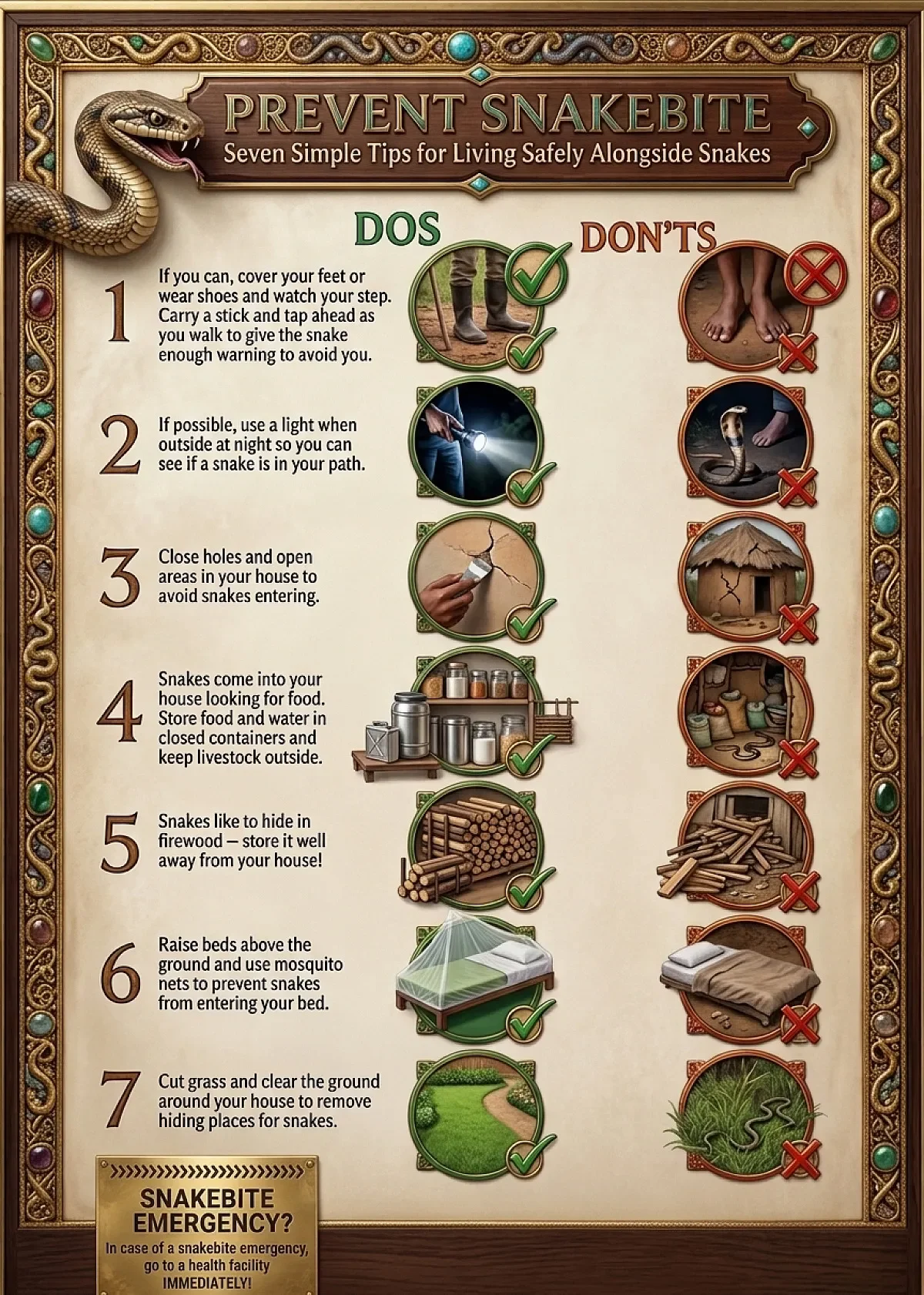
Health specialists and biologists agree that prevention and community education can reduce the burden of snakebite accidents. Dr. De Núñez noted that agricultural expansion into lowland and tropical areas increases human and animal contact with venomous species. The terciopelo adapts to both humid and dry environments, while patocas occupy similar lowland zones. That adaptability makes farmworkers, rural families, and livestock particularly vulnerable. Simple precautions, such as checking clothes, boots, bedding, and work tools before use, can lower the chance of a surprise encounter.
Vanegas encouraged residents to learn basic differences between Viperidae and Elapidae snakes, even though professional medical care remains essential for every bite. Recognizing whether a bite may cause bleeding complications or neurological symptoms can help first responders and doctors act with greater speed. The Ministry of Health continues to strengthen antivenom distribution and local emergency protocols. But experts say the first hour after a bite is usually decided at the community level. Moving quickly to the nearest suitable facility, rather than waiting to see if symptoms appear, saves lives.
Global health agencies have set ambitious targets to reduce snakebite deaths and disability by 2030, and Panama’s local efforts fit within that broader campaign. The country has recorded roughly 857 cases so far in 2026, a number that shows progress against last year’s pace. Yet climate variability and continued agricultural expansion could erase those gains. For a nation shaped by tropical forests and rural livelihoods, snakebite prevention Panama remains both a medical challenge and a daily act of household and community caution.