


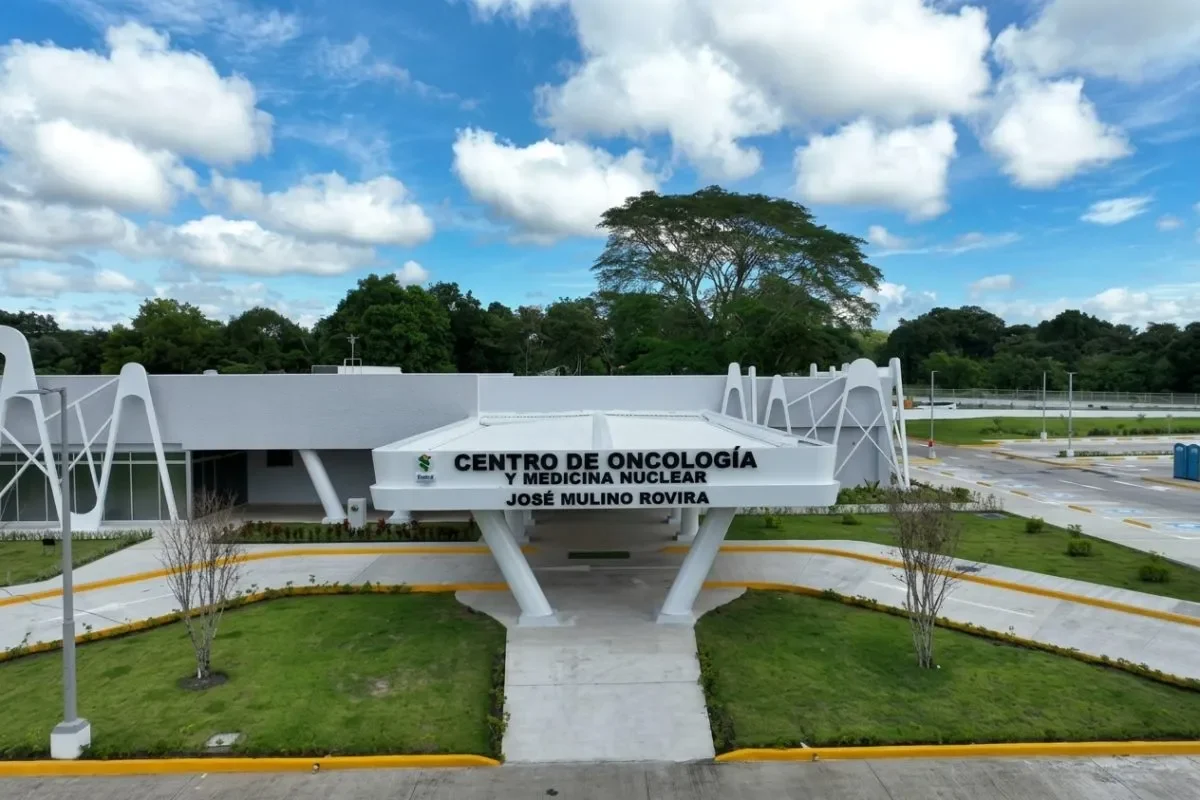
Panama inaugurated a new oncology and nuclear medicine facility in Bugaba on Friday, a move that significantly expands cancer treatment access for residents of Chiriquí, Bocas del Toro, Veraguas, and the Ngäbe-Buglé indigenous region. President José Raúl Mulino led the opening ceremony at the center, which operates within the Hospital José Félix Espinosa Barroso complex.
The facility, named José Mulino Rovira, represents a $46 million investment designed to eliminate the need for thousands of patients to travel to Panama City for specialized cancer care. Health officials said the center can accommodate 45 patients simultaneously across its treatment areas.
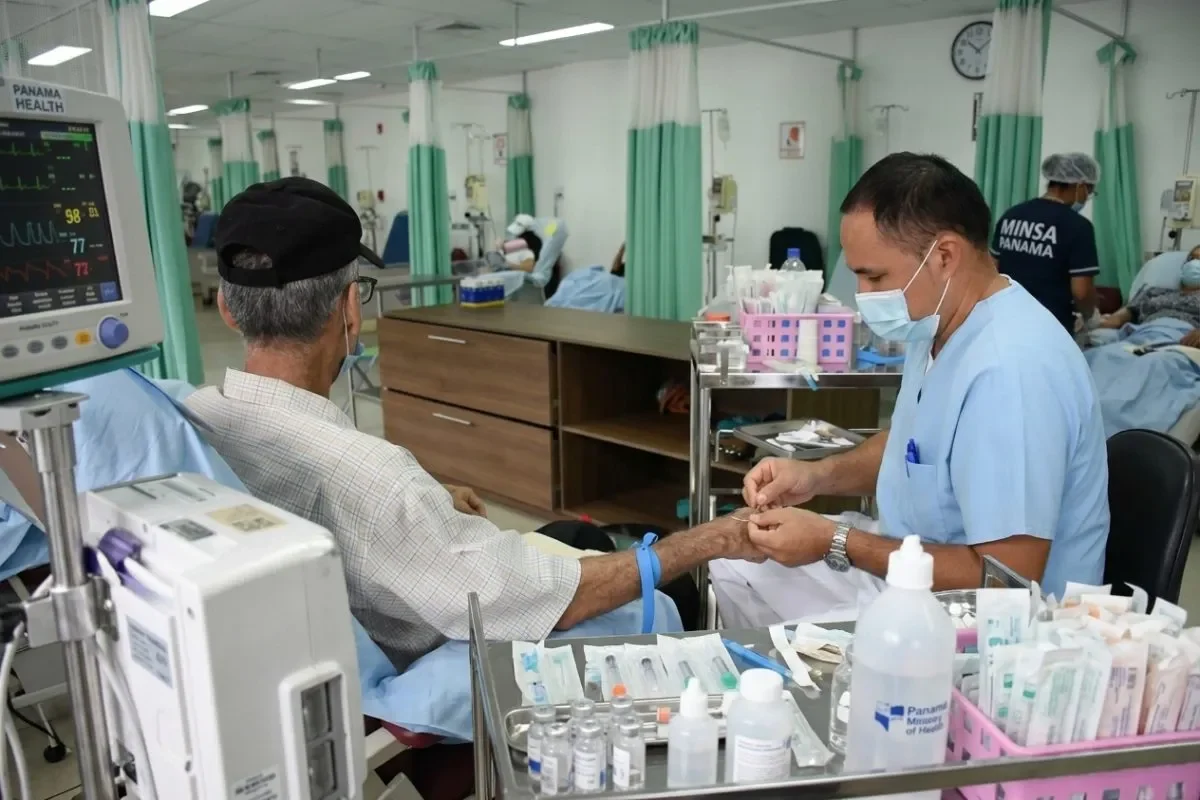
Expanding Cancer Treatment Access Across Western Panama
For years, patients diagnosed with cancer in Panama’s western provinces faced a grueling journey to the capital for radiotherapy, chemotherapy, and nuclear medicine services. The new center changes that reality by bringing advanced oncology infrastructure directly to the region where roughly half a million people live outside the metropolitan area.
The installation includes two linear accelerators for radiation therapy, 15 chemotherapy chairs, and 15 dialysis stations. This equipment allows for comprehensive cancer management without requiring patients to relocate or endure repeated cross-country travel during treatment cycles.
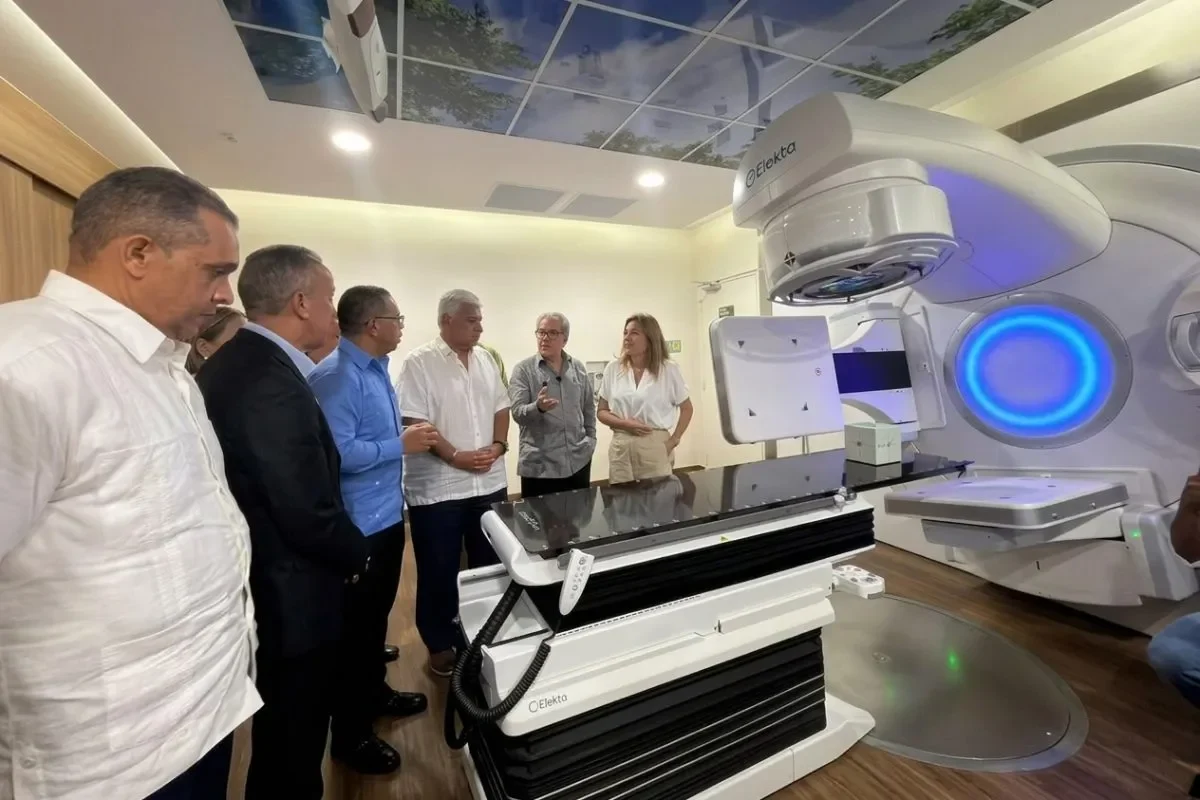
Equipment and Capacity at the Bugaba Facility
The center’s design prioritizes simultaneous patient care across multiple treatment modalities. The two linear accelerators enable precise radiation therapy delivery, while the chemotherapy unit provides infusion capacity for 15 patients at once. The dialysis stations address kidney complications that often accompany cancer treatment.
Minister of Health Fernando Boyd attended the inauguration and confirmed that the facility forms part of a broader government strategy to decentralize specialized medical services. The investment targets a persistent gap in regional healthcare infrastructure that has historically forced patients from Chiriquí and neighboring areas to seek treatment in the capital.
Regional Impact for Chiriquí and Ngäbe-Buglé
Residents of the Ngäbe-Buglé comarca, one of Panama’s most underserved regions for healthcare, stand to gain significantly from the new center. Indigenous communities in that region face some of the country’s highest poverty rates and longest travel distances to reach medical facilities. The Bugaba location reduces those barriers considerably.
Boyd also announced that construction of a hospital in Tonosí will begin before the end of 2026, with a projected 24-month completion timeline. That project extends the government’s push to bring specialized care to provinces outside the Panama City metropolitan corridor.
Official Statements and Future Healthcare Expansion
During the ceremony, Boyd emphasized the government’s commitment to regional healthcare equity.
“This center ensures that patients from Chiriquí, Bocas del Toro, Veraguas, and the Ngäbe-Buglé region no longer have to travel to Panama City for cancer treatment” [Translated from Spanish]
The inauguration marks one of the largest single investments in oncology infrastructure outside Panama City in the country’s history. Health officials indicated that staffing and operational protocols are already in place to begin receiving patients immediately following the opening.
The center’s location within an existing hospital complex allows for integrated care, meaning patients can access surgical services, laboratory testing, and emergency care alongside their oncology treatment without transferring between facilities. This coordination reduces delays that often complicate cancer care in decentralized settings, and most importantly, can save thousands of lives.