


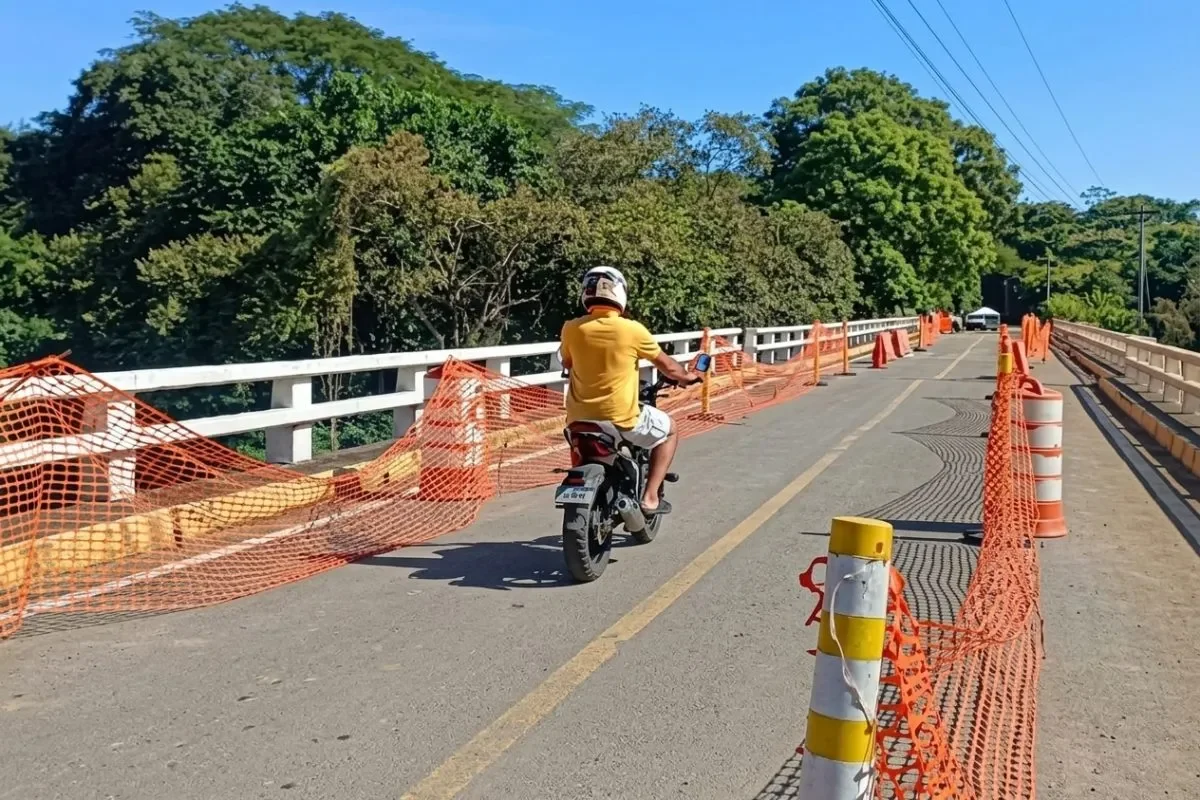
The Ministry of Public Works (MOP) reopened the Oria Arriba bridge in Pedasí on Monday, restoring the Pedasi bridge reopening as a critical link for vehicles traveling toward Tonosí district in Los Santos province. The move comes as emergency crews work to deliver humanitarian aid to communities shaken by the 7.4 magnitude earthquake that struck Panama on October 9.
Officials confirmed that vehicle circulation resumed immediately, allowing both residents and relief convoys to reach affected areas without lengthy detours. The bridge had been closed for structural assessment following the seismic event, which damaged roads and infrastructure across the Azuero Peninsula.
Three Routes Now Open to Tonosí
MOP officials confirmed three fully operational routes connecting communities to Tonosí. The first runs through Macaracas, Llano de Piedra, and into Tonosí. A second route links Las Tablas with La Miel and Flores. The third corridor, which includes the newly reopened Oria Arriba bridge, runs from Las Tablas through Pedasí and onward to Tonosí.
The restoration of the Pedasí crossing eliminates a significant bottleneck for emergency vehicles. Before the reopening, aid trucks faced hours-long detours on secondary roads ill-suited for heavy cargo. Now, food, water, and medical supplies can move directly into the hardest-hit rural areas.
El @MOPPma restableció la circulación vehicular por el puente ubicado en Oria Arriba, Pedasí, facilitando la movilidad hacia Tonosí. Este acceso ayudará al traslado de ayuda humanitaria a las comunidades afectadas por el sismo. Las rutas que se encuentran habilitadas son: * Macaracas–Llano de Piedra–Tonosí. * Las Tablas–La Miel–Flores. * Las Tablas–Pedasí–Tonosí.
— Telemetro Reporta (@TReporta) October 17, 2026
Earthquake Damage Assessment Continues
The October 9 earthquake caused widespread structural concerns across Los Santos province. Engineers from MOP prioritized the Oria Arriba bridge for inspection due to its role as a primary artery for the region’s agricultural economy. The structure passed safety checks, allowing the ministry to authorize immediate reopening.
Beyond the Pedasí bridge, crews continue evaluating other infrastructure including schools, health centers, and municipal buildings. The government has not yet released a full damage estimate, but local officials report dozens of homes with cracked walls and collapsed roofs in rural communities near the epicenter.
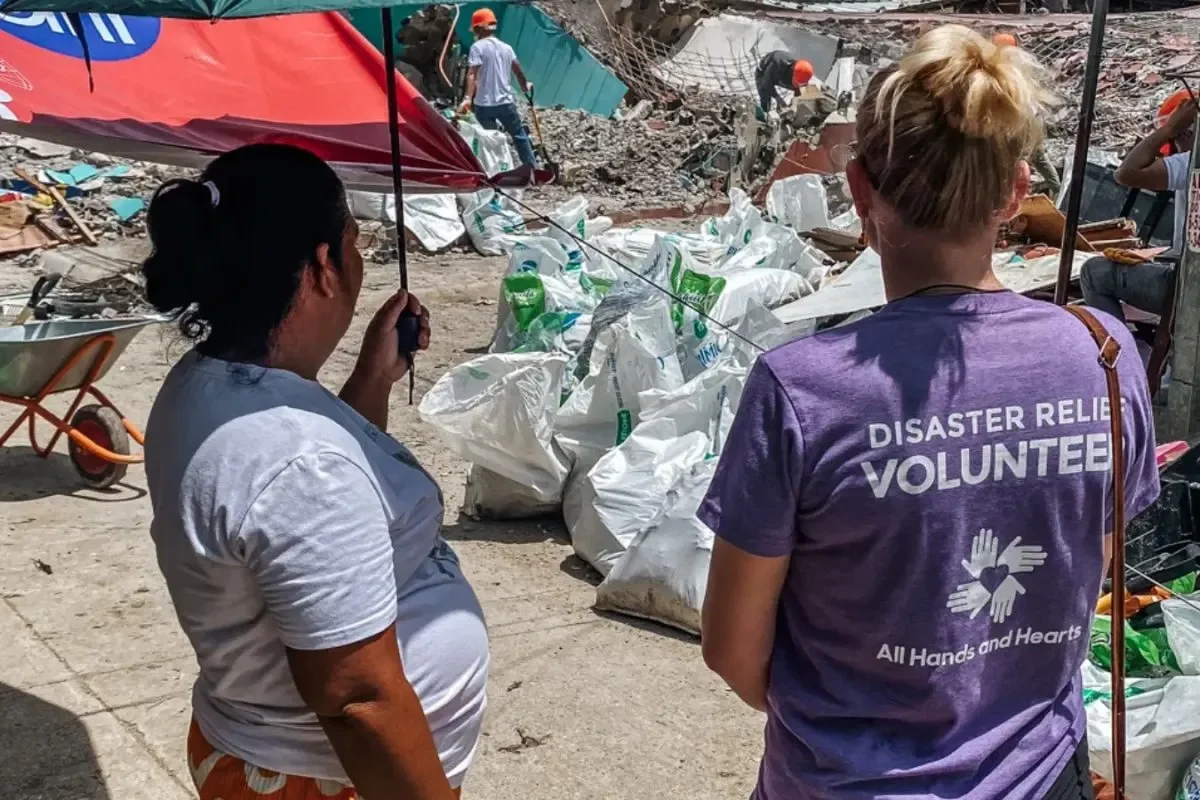
Humanitarian Aid Flow Improves
With the Pedasi bridge reopening complete, relief organizations can now coordinate distribution from multiple entry points. The three open routes create redundancy, ensuring that if one road becomes impassable due to aftershocks or landslides, supplies can still reach Tonosí through alternative corridors.
MOP stated that maintenance crews will remain stationed along all three routes to address any new damage quickly. The ministry also urged drivers to exercise caution, as some road surfaces show hairline cracks from the earthquake that could worsen with heavy rain.
Residents in Pedasí and surrounding communities have welcomed the reopening, noting that the bridge closure disrupted daily commutes, school transport, and farm-to-market deliveries. The Azuero region produces significant quantities of corn, rice, and livestock, making road access essential for economic stability during the recovery period.