


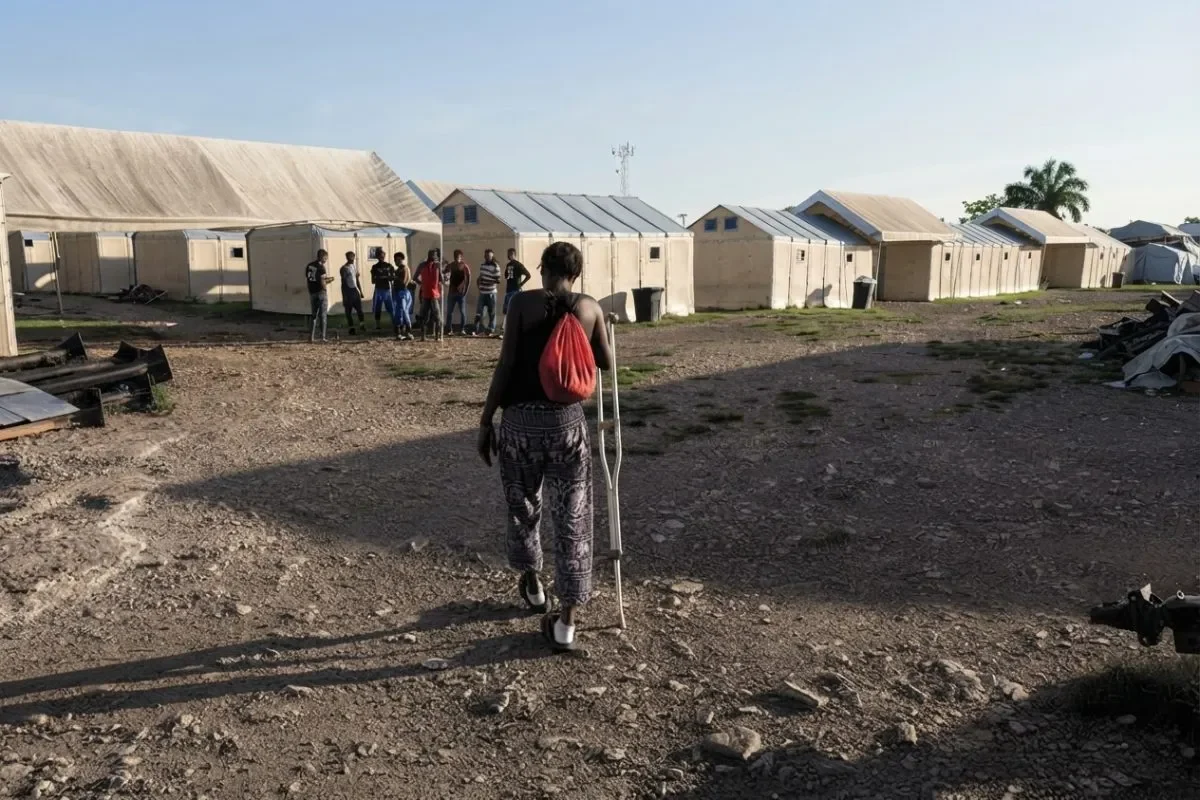
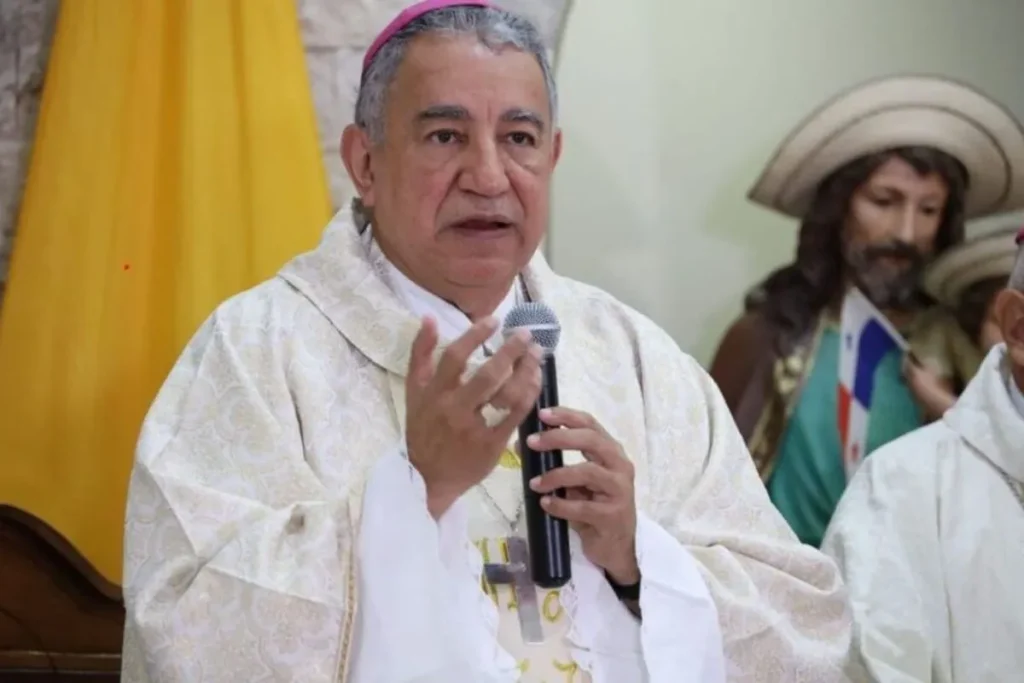
Panama’s top Catholic leader called Sunday for a renewed focus on foreigner acceptance Panama policies that prioritize human dignity, warning that migration statistics can dehumanize people and that border security must not turn foreigners into enemies. Archbishop José Domingo Ulloa delivered the message during a Mass marking the Month of the Migrant at the Metropolitan Archdiocese of Panama.
Ulloa acknowledged Panama’s right to organize and protect its borders but argued that enforcement measures cannot come at the cost of compassion. He spoke directly to both authorities and ordinary Panamanians, urging them to see migrants as brothers and sisters rather than abstract numbers or threats.
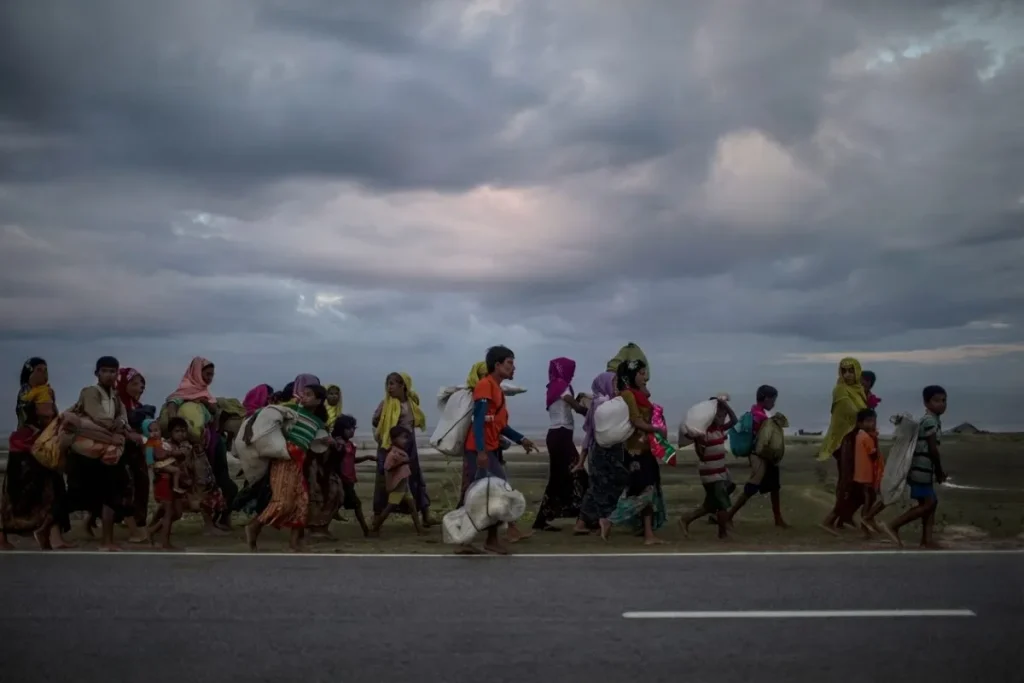
Foreigner Acceptance Panama and the Human Face of Migration
The archbishop challenged the public tendency to discuss migration exclusively through statistics, noting that figures often obscure the personal realities behind population movements. ‘We have become accustomed to talking about migration with numbers, so many thousands crossed the border, so many arrived, so many returned, so many were deported,’ Ulloa said [Translated from Spanish].
While acknowledging that data helps policymakers understand the scope of migration, he cautioned against letting metrics erase individual stories. Behind every number, he said, stands a person with family ties, fears, memories and aspirations. The archbishop described migrants arriving at church shelters as tired men and women, mothers with children and entire families who left their homeland carrying uncertainty alongside hope.
‘Behind every number there is a face, a family and a history marked by hope’ [Translated from Spanish]
Concrete Actions Beyond Words
Ulloa insisted that Christian hospitality must translate into tangible responses rather than remaining purely rhetorical. Preparing a bed, offering food, listening to personal stories and accompanying families all form part of a humane answer to migration, he said. For people in transit, finding an open door represents far more than a simple gesture of solidarity.
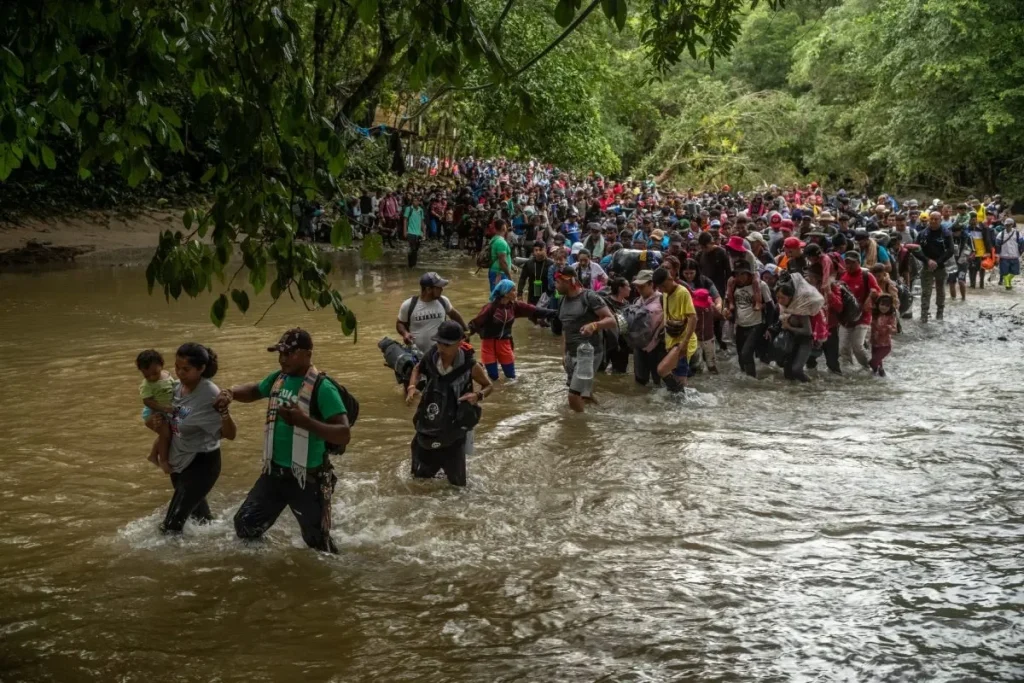
The archbishop’s remarks come as Panama continues to grapple with significant migrant flows through the Darién Gap, the dense jungle region connecting South and Central America. Thousands of people cross annually, many heading north toward the United States, while others remain in Panama seeking work or temporary shelter.
Policy Implications and Moral Responsibility
The archbishop’s message carries weight in a country where the Catholic Church maintains considerable social influence. His framing of migration as both a policy challenge and a moral test reflects broader regional debates about how nations should respond to unprecedented population movements across Latin America.
Ulloa stopped short of criticizing specific government measures, instead emphasizing principles that should guide decision-making. He urged Panamanians to remember that migrants are people first, with inherent dignity that no immigration status can erase. The challenge, he concluded, lies in managing migration responsibly without losing sight of shared humanity.
Panama has historically positioned itself as a transit hub and host country, with a diverse population shaped by waves of immigration over generations. The archbishop’s call for balanced approaches to foreigner acceptance Panama resonates with that heritage while addressing current tensions around border management and social integration.