


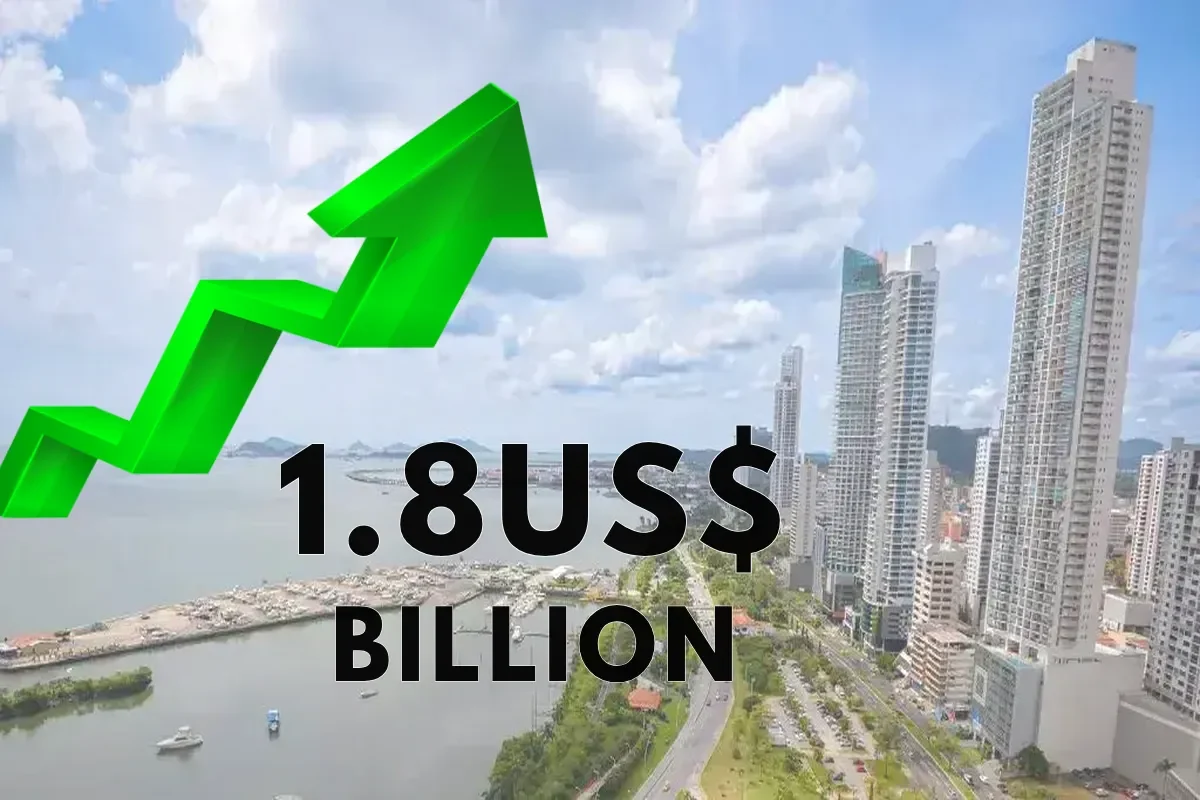
In the first three months of 2026, buyers from the United States committed $33.6 million to residential real estate in Panama, a 53 percent jump from the same period a year earlier. That surge pushed the United States past Colombia and Venezuela for the first time in the country’s modern property market. Behind that shift sits a far larger phenomenon: expatriate market growth now valued at more than $1.8 billion, according to consulting firm Indesa. The money moves through real estate transactions, yes, but also through restaurants, legal advisors, wellness services, and the daily spending of thousands of international residents.

Panama’s Expatriate Market Growth Reshapes Housing Demand
Foreign investment in Panama’s residential market crossed $841 million in 2025, Indesa Analytics reported. The total represented a 53 percent increase over 2019 and grew faster than domestic demand in properties priced above $120,000. By the first quarter of 2026, acquisitions by foreign nationals reached $205 million, a 17 percent rise year over year.
That activity now gives international buyers a 57 percent share of the residential segment above $120,000. It is the highest level recorded in the firm’s data series. Most foreign participants look for a hard asset investment or a retirement residence, the consultancy said. The trend has prompted developers and real estate agencies to adjust their offerings, adding English speaking staff, virtual tours, and legal support tailored to overseas clients.
The segment’s strength is particularly notable because it runs counter to broader regional patterns. Several Latin American markets have struggled with high borrowing costs and political uncertainty, while Panama continues to draw interest thanks to its dollarized economy and stable financial system.
United States Buyers Reshape Foreign Demand Patterns
For years, Colombia and Venezuela anchored foreign housing demand in Panama. Their buyers, often with close family and business ties to the country, set the pace in the market. The early 2026 numbers changed that narrative. United States buyers completed $33.6 million in residential transactions during the quarter, up 53 percent from a year earlier.
Median prices reveal a split among buyer groups. American purchasers paid a median of $259,000, while European buyers reached $310,000. These figures point to strong interest in mid range and upper mid range properties that offer walkable neighborhoods, ocean views, or access to modern amenities. Panama City remains the primary destination, though beach communities and mountain towns are gaining visibility.
Panama’s legal framework reinforces the appeal. Residency pathways for retirees and investors have existed for decades, and a territorial tax system means foreign sourced income generally stays untaxed. North American buyers often cite those conditions, along with the use of the US dollar, as reasons to shift savings into Panamanian property. The rise also aligns with broader global mobility patterns. Remote work has untethered many professionals from their home countries, while retirees from North America increasingly look to Latin America for lower living costs and warmer climates.
Tourism Pipeline and Residency Incentives
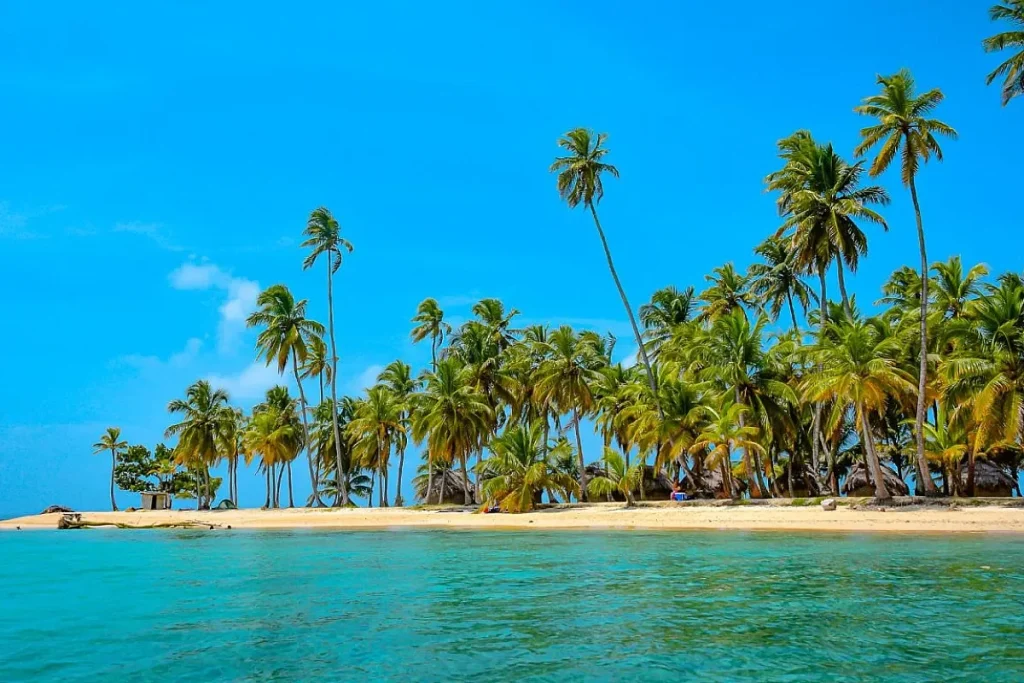
Indesa’s study frames expatriate market growth as a sequence that begins with tourism. Visitors arrive, some extend their stays, and a share of those eventually invest or settle. The pipeline grew stronger in early 2026, with tourist flow rising 19.7 percent year over year in the first quarter. That followed an 11.6 percent increase during 2025.
Copa Airlines’ Stopover program contributed to the acceleration, according to the consulting firm. The program allows travelers to add a multi day stay in Panama at no extra airfare, turning a layover into a short vacation. Tourism now ranks as Panama’s main source of foreign exchange after the Colon Free Zone, and each new visitor wave replenishes the pool of potential expatriates.
For many visitors, the first exposure leads to a longer stay. Short term rentals become extended leases. Extended leases become property searches. That progression has made the tourism sector a quiet but powerful recruitment engine for the real estate market.

Beyond Real Estate Spending and Services
Expatriate market growth extends well beyond deeds and mortgages. Indesa calculates that foreign residents earning more than $4,000 per month generate approximately $990 million in annual current spending. The money flows toward wealth management and immigration advice, residential services, wellness options, and premium consumer goods.
The consultancy stressed that international residents require support across every stage of their arrival. Buying a home is only one part of a broader market.
‘The acquisition of a property is only one part of a broader market, which depends on the ease of processing documents, finding housing, and accessing services adapted to that profile.’ [Translated from Spanish]
Countries that can simplify paperwork, match residents with suitable housing, and offer services tailored to expatriate expectations will capture a larger share of regional demand for mobility, retirement, and residential investment, Indesa argued. Panama currently holds an advantage, but the pace of service sector adaptation will likely determine how much of the opportunity the country converts into lasting economic gains.
What This Means for the Region
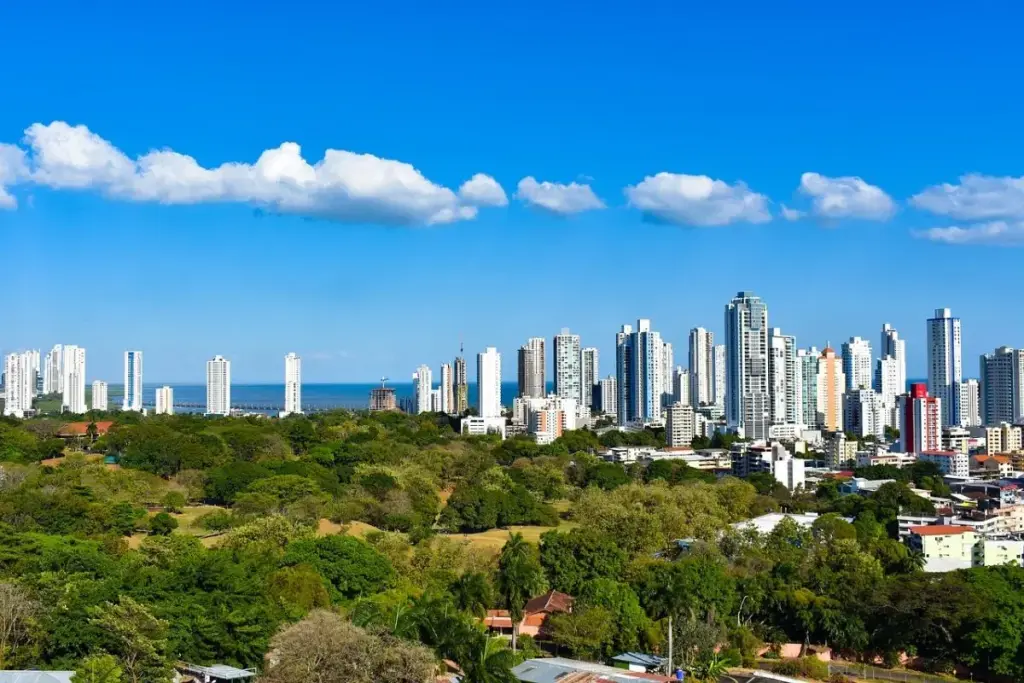
Panama’s experience offers a useful case study for Latin American countries hoping to turn tourism into long term residency and investment. A dollarized economy, modern infrastructure, and strong air connectivity give Panama structural advantages that neighbors cannot easily replicate. The first quarter of 2026 showed the market diversifying across nationalities and price points, with buyers from North America, Europe, and South America all active.
If tourism keeps expanding, the next phase of growth could spread beyond Panama City into coastal provinces and highland communities. That would distribute expatriate spending more broadly and create new demand for local services, construction, and hospitality. But growth also brings pressure to balance foreign demand with housing affordability for Panamanian citizens.
Ultimately, the numbers tell a clear story. Panama’s expatriate economy has matured into a full service, multi billion dollar ecosystem. The country now faces the task of scaling its infrastructure and services without losing the qualities that made it attractive in the first place.