


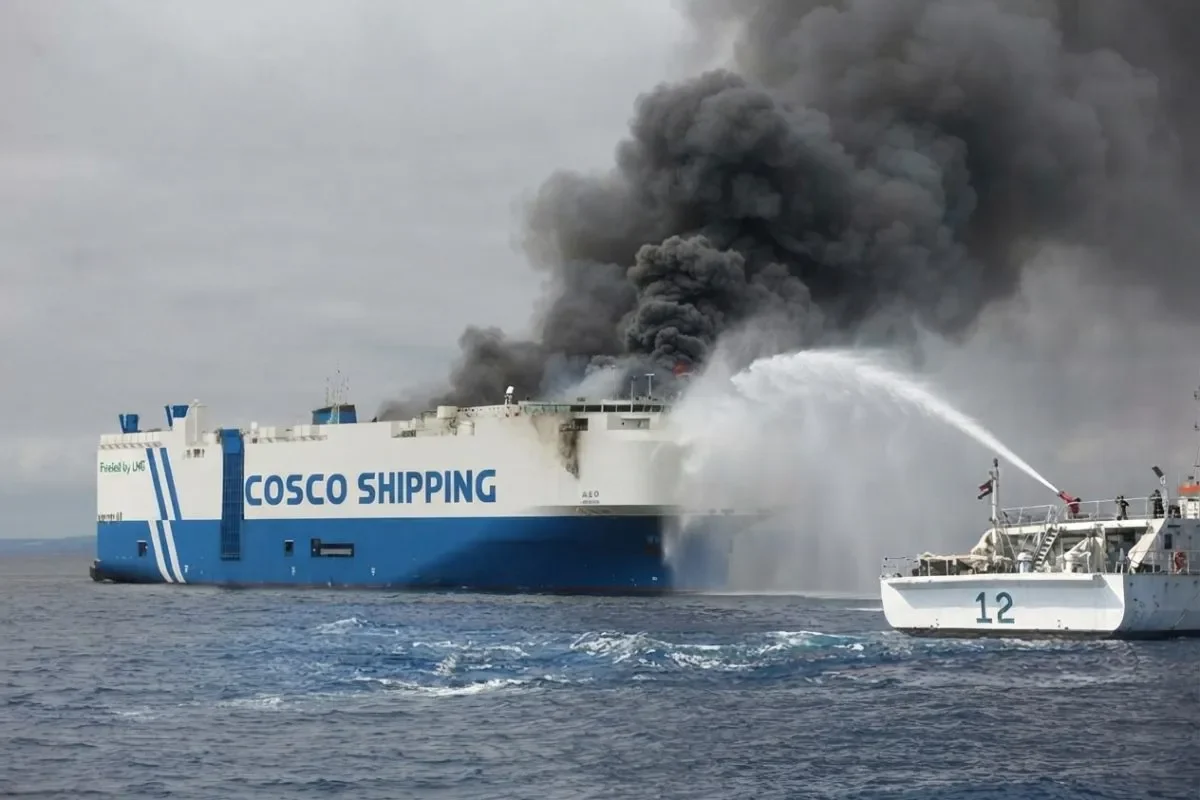
A Marshall Islands-flagged cargo vessel sits powerless and uncrewed in Panamanian waters this week as specialized salvage teams work to cool its heated hull following a serious ship fire roughly 600 nautical miles from the Central American nation. The Min Jiang Kou, a roll-on/roll-off carrier designed to transport automobiles, trucks and heavy machinery, entered Panamanian jurisdiction after its contracted salvage company requested permission to stabilize the vessel for an eventual tow to an Asian shipyard.
Ship Fire Emergency Response and Salvage Operations
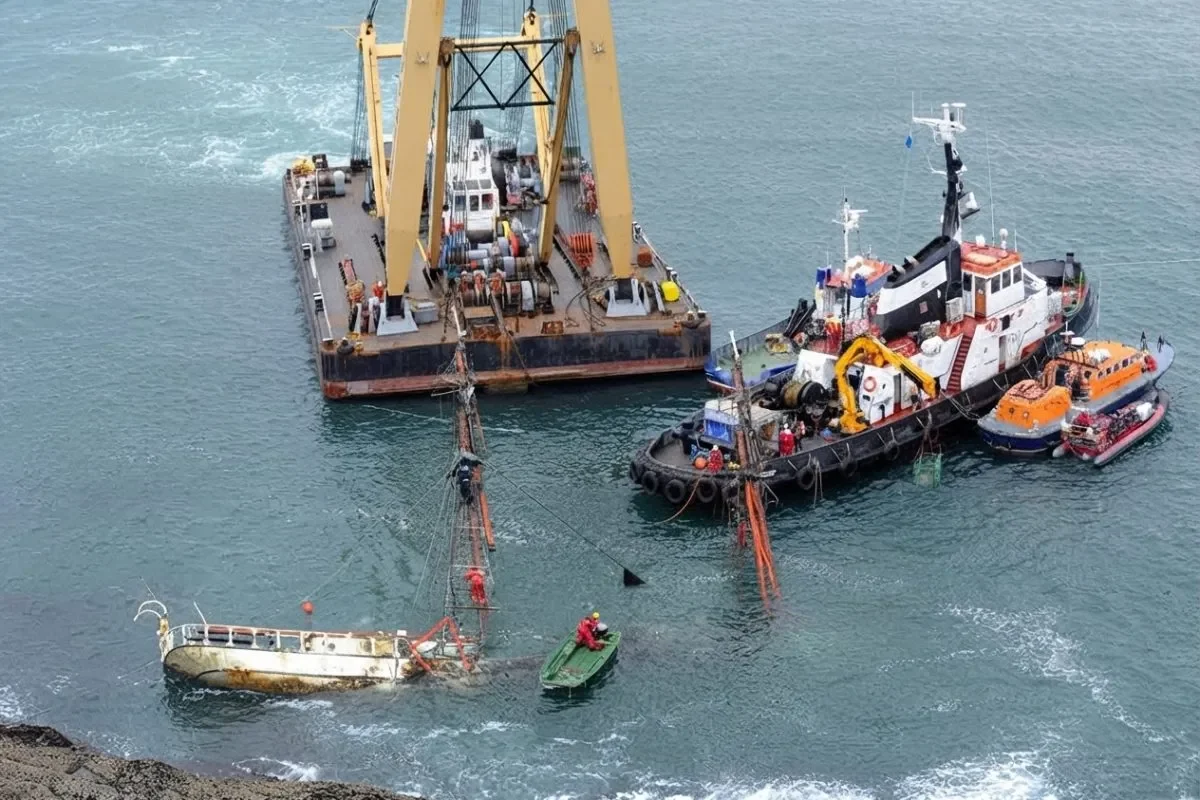
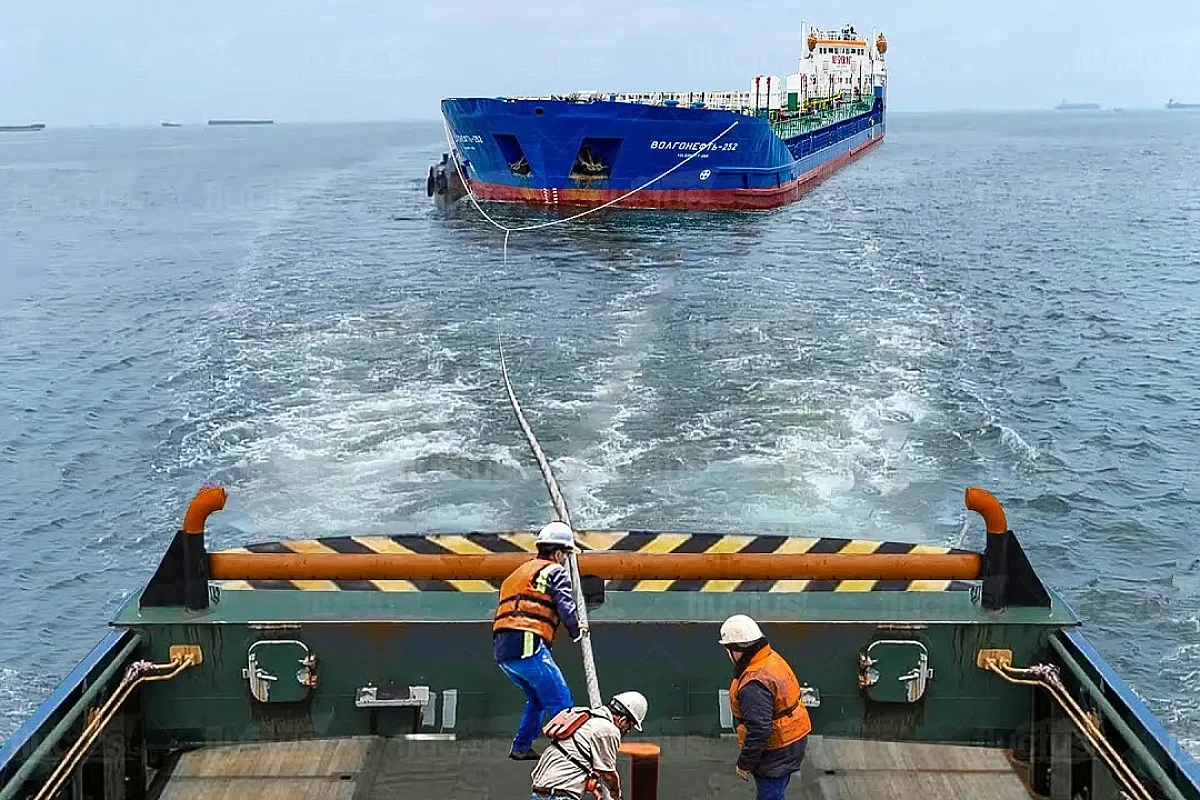
Three tugboats now surround the stricken vessel, participating in coordinated efforts to bring the situation under control. The Panama Maritime Authority confirmed that the salvage company responsible for the incident formally sought access to national waters so crews could perform the maneuvers needed to stabilize the ship and establish safe conditions before the long journey across the Pacific Ocean.
During the night of September 7, monitoring teams detected a notable temperature increase across certain sections of the ship’s deck areas. That thermal spike triggered immediate cooling operations targeting the hull, with crews applying water to bring surface temperatures down. Officials from the maritime authority said the cause of that temperature surge remains under active technical evaluation, and investigators have not yet determined whether it stems from residual fire activity, chemical reactions within the cargo, or another source.
The situation underscores the particular dangers associated with Ro-Ro vessels, where large open decks allow flames to spread rapidly and make firefighting efforts significantly more complicated. Maritime safety records show that vehicle carriers face unique risks because their design prioritizes cargo capacity over compartmentalization, a tradeoff that can accelerate the spread of fire once one ignites.
Technical Assessment of the Unmanned Vessel
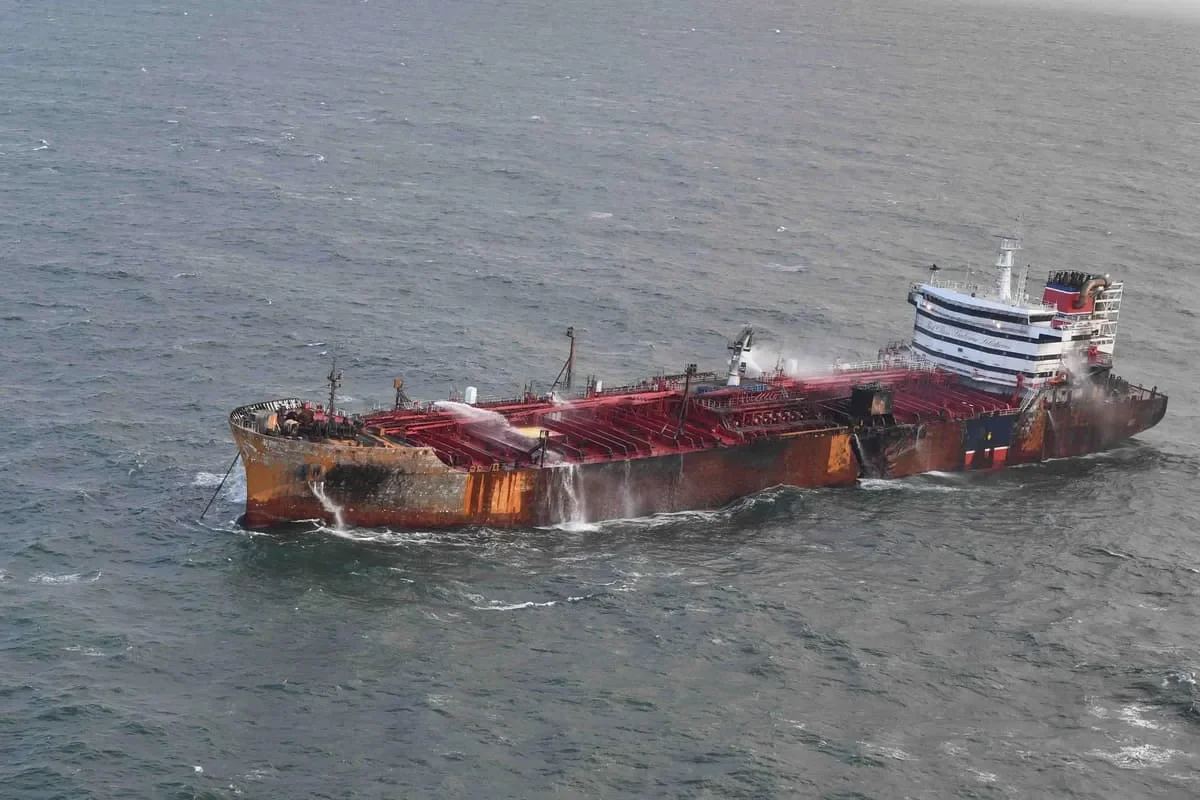
The Min Jiang Kou currently drifts without a crew aboard and remains in a blackout condition, meaning no electrical power supply exists anywhere on the ship. That total power loss complicates salvage work because onboard systems used for fire suppression, bilge pumping and stability control cannot operate without external support. Salvage teams have had to rely entirely on equipment brought by tugboats and other support craft.
The temperature increase recorded on September 7 has become the primary technical concern for responders. Cooling operations continue around the clock while engineers evaluate data from thermal imaging and hull sensors to identify hot spots. The Ro-Ro carrier’s condition also raises questions about cargo status, though authorities have not disclosed whether vehicles or other cargo remain inside the vessel’s decks. Panama Maritime Authority personnel maintain direct coordination with the specialized salvage firm to monitor safety conditions throughout the operation.
Flag state responsibilities for the Marshall Islands registry also enter the picture. As one of the world’s largest ship registries, the Marshall Islands operates under international conventions that require it to oversee safety investigations and ensure proper handling of vessels flying its flag. That oversight typically happens in cooperation with coastal states like Panama when incidents occur near their shores.
Panama’s Strategic Position in Global Maritime Safety
Panama’s involvement in this incident reflects the country’s outsized role in international shipping. The Panama Canal and surrounding waters serve as a critical chokepoint for global trade, and the Panama Maritime Authority routinely handles vessel traffic, emergency responses and salvage coordination across vast stretches of the eastern Pacific. When vessels suffer mechanical failures, fires or structural damage near these routes, Panamanian waters often become the nearest safe harbor for stabilization work.
The decision to allow the Min Jiang Kou into Panamanian waters highlights the practical realities of maritime emergencies. Coastal states frequently grant access to damaged vessels despite environmental and safety risks because denying entry could leave a stricken ship adrift, creating a larger hazard for navigation and marine ecosystems. Panamanian authorities conditioned the entry on continued salvage operations and safety monitoring, a standard approach that balances humanitarian and environmental concerns with international legal obligations.
Regional maritime traffic has seen a rise in emergency incidents involving large cargo carriers in recent years, driven by expanding fleet sizes and changing trade patterns. Ship fire events aboard vehicle carriers have drawn particular attention from insurers and safety regulators, who have pushed for improved fire detection systems and crew training following several high-profile losses at sea.
What Comes Next for the Damaged Ro-Ro Carrier
Once cooling operations stabilize the vessel and technical teams complete their assessment, the Min Jiang Kou will begin its tow toward an Asian shipyard for repairs. Salvage crews must first ensure the hull remains structurally sound enough to withstand open ocean conditions, a determination that will likely require several days of inspection and monitoring. The blackout condition means towing arrangements must include supplementary power sources for navigation lights and emergency systems during transit.
The Panama Maritime Authority will continue overseeing the salvage work until the vessel leaves its jurisdiction, maintaining documentation of the incident and coordinating with the Marshall Islands registry as needed. For now, the priority remains straightforward, bring the ship fire fully under control, cool the hull, and prevent any environmental damage to Panamanian waters while setting the stage for a safe departure across the Pacific.