


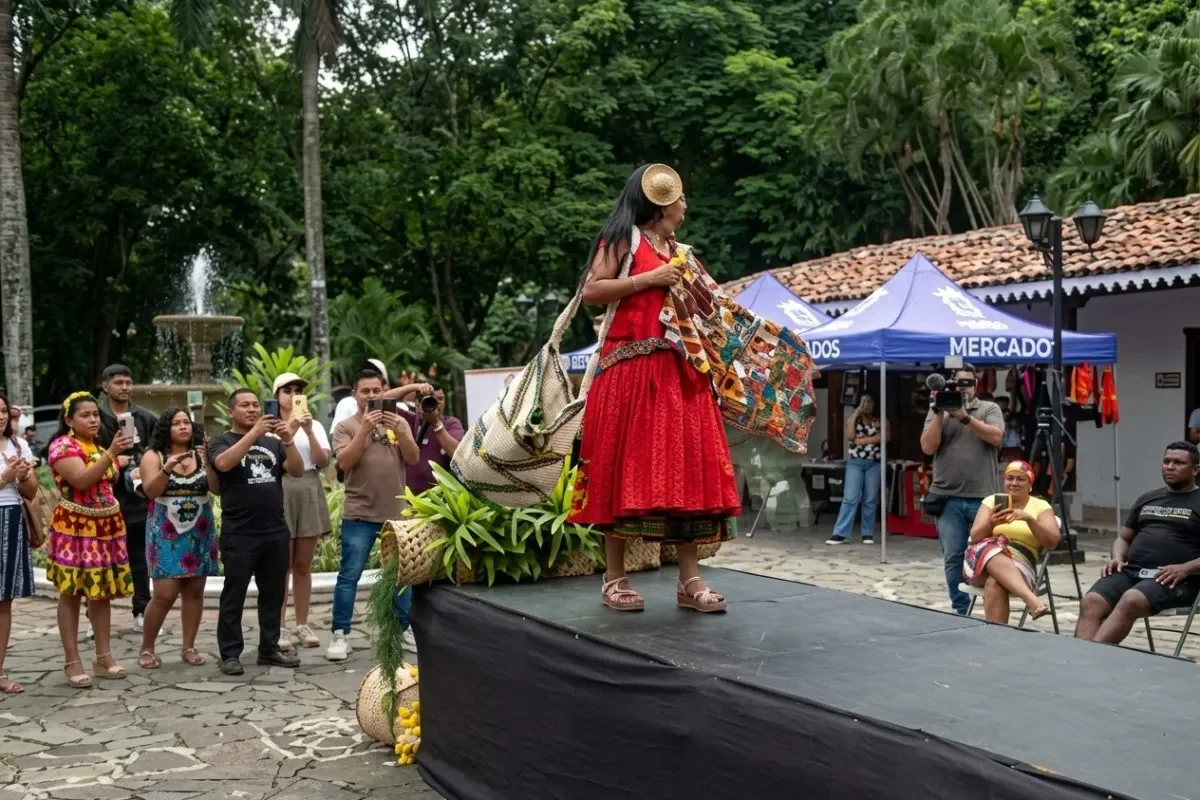
The runway may have been in Panama City, but the ambition stretched far beyond national borders. On September 6, designers from the Guna, Emberá, and Ngäbe communities brought their heritage to a cultural catwalk at Mi Pueblito Interiorano, proving that Panama indigenous fashion carries a global resonance. Their recent appearance in Washington and upcoming presentations at international institutions signal a pivotal moment for artisans who have long woven identity into every stitch.
Panama Indigenous Fashion Finds International Stages
For years, the mola and other Indigenous garments remained largely tied to local markets and tourism. That’s changing quickly. Yhanissell Chávez, a Ngäbe designer, revealed that the group recently showcased their work in Washington and has plans to present at various embassies, the Organization of American States, and the United Nations. These aren’t casual invitations. They represent institutional recognition of a design language rooted in centuries of tradition.
“Recently we were in Washington, soon we will be at different embassies, at the OAS, at the UN, and these are spaces where we can speak about our culture in a positive way” [Translated from Spanish]
This international momentum reflects a broader trend across Latin America, where Indigenous fashion is increasingly seen as both cultural heritage and contemporary art. Curators and cultural institutions have begun treating traditional weaving and embroidery not as static folklore but as living creative practice. The Panamanian designers are part of that shift, carrying techniques passed down through generations into spaces that once excluded them.
Ancient Techniques Behind Modern Silhouettes
The event, organized by the Culture Directorate of the Panama Mayor’s Office and titled “Women Who Weave Identity,” brought together fashion, artistic performances, photography exhibitions, crafts, and traditional gastronomy. The clothing itself merged traditional elements with modern cuts designed for people of all ages. Rather than simply replicating historical garments, the designers reimagined them for contemporary wardrobes.
Emberá designer Katleen Dorigima emphasized that understanding each piece requires knowing its origins. She pointed to the paruma, a traditional Emberá garment, and explained how her ancestors once used the bark of the rubber tree in their clothing traditions. These materials and methods carry stories that a simple fabric label could never communicate.
“First of all, so that the person knows where each design comes from” [Translated from Spanish]
Verónica Arosemena Méndez, representing the Mayor’s Office, described the work as emerging directly from ancestral heritage. The designers aren’t borrowing inspiration from distant cultures or seasonal trends. They’re translating their own communities’ visual languages into forms that resonate with modern audiences, both at home and abroad.
Economic Opportunity Through Creative Entrepreneurship
For Indigenous women, fashion design has become more than an artistic outlet. It’s a pathway to economic independence. Guna designer Yali Rondan spoke candidly about this dimension, framing design knowledge as a tool for opening creative and financial spaces for women. She argued that learning the craft allows women to create unique pieces and casual garments that all Panamanians can wear.
“Fashion design is also an ally: learning, gaining knowledge so we can then give women the opportunity to create unique pieces through fashion design, casual pieces that everyone can wear, that Panamanians can wear, because I believe the mola belongs to all of us Panamanians” [Translated from Spanish]
That inclusive vision challenges the notion that Indigenous fashion belongs only to specific communities. Rondan’s words position the mola as a national treasure, something every Panamanian can appreciate and wear. The event included entrepreneurship displays alongside the runway show, reinforcing the connection between cultural expression and sustainable livelihoods.
Preserving Culture One Garment at a Time
Dorigima put it plainly when she said the work aims, above all, to preserve their culture. Every paruma sewn, every mola stitched, every modern adaptation shown on a runway represents an act of cultural survival. These designers operate in a country where Indigenous communities have fought for recognition, land rights, and the simple dignity of having their traditions respected.
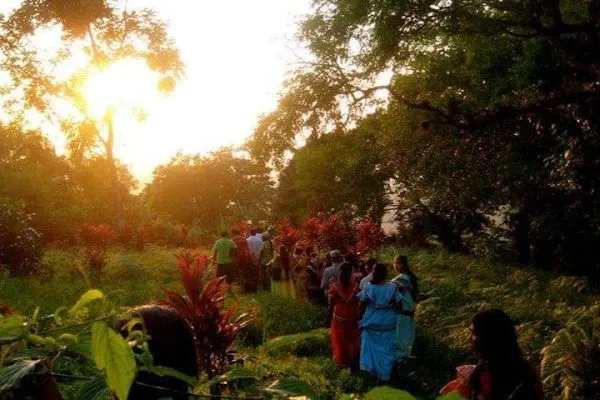
The gathering at Mi Pueblito Interiorano also featured a discussion session with the three designers, offering attendees a chance to hear directly about the meanings embedded in their work. Photo exhibitions documented the creative process, while traditional food and crafts provided a fuller sensory context for understanding the communities behind the clothing. The orchestra of visual and culinary elements created an immersive cultural experience that extended well beyond fashion.
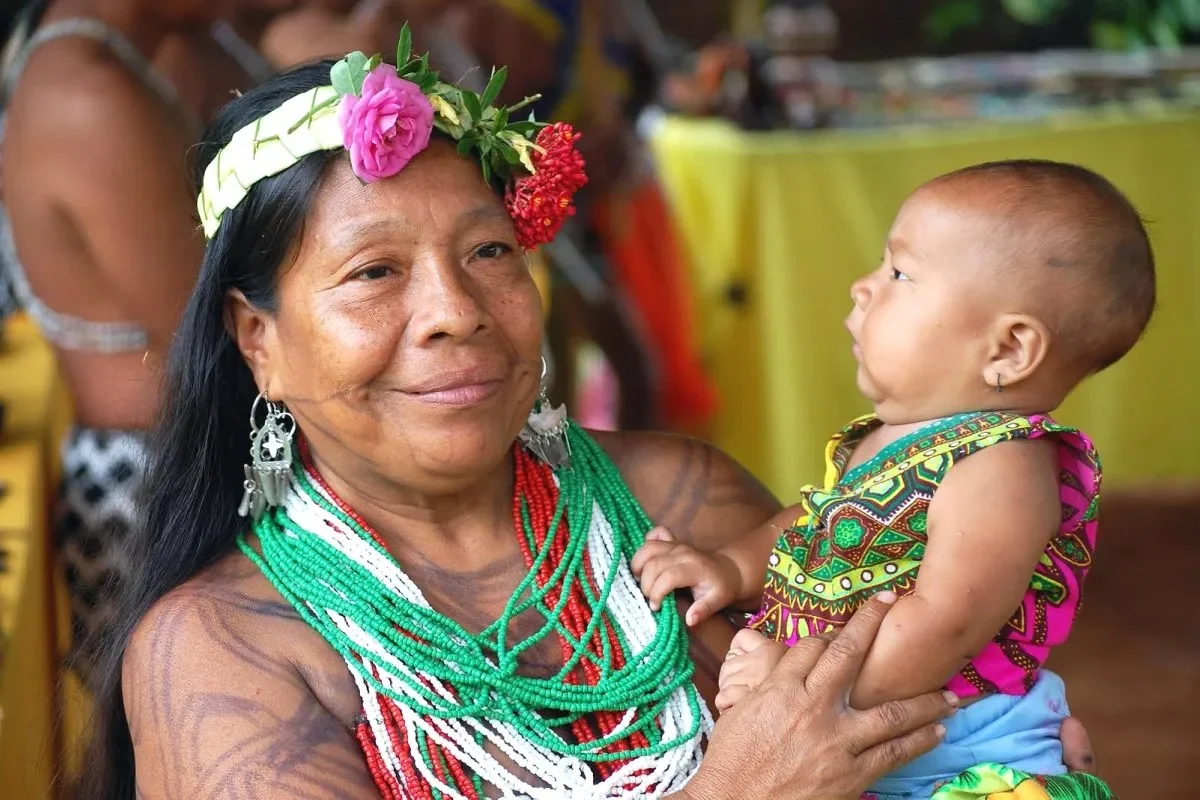
What’s emerging from Panama is a model where Indigenous women lead their own representation. They choose which techniques to preserve, which elements to modernize, and which international doors to walk through. Their upcoming appearances at the OAS and the UN aren’t just about showcasing beautiful garments. They’re about asserting that Panama indigenous fashion deserves a permanent seat at the table of global design, not a temporary spotlight. As these women continue weaving, stitching, and speaking, they carry entire communities into conversations that have too often excluded them. The runway, it turns out, can be a powerful platform for self-determination.