


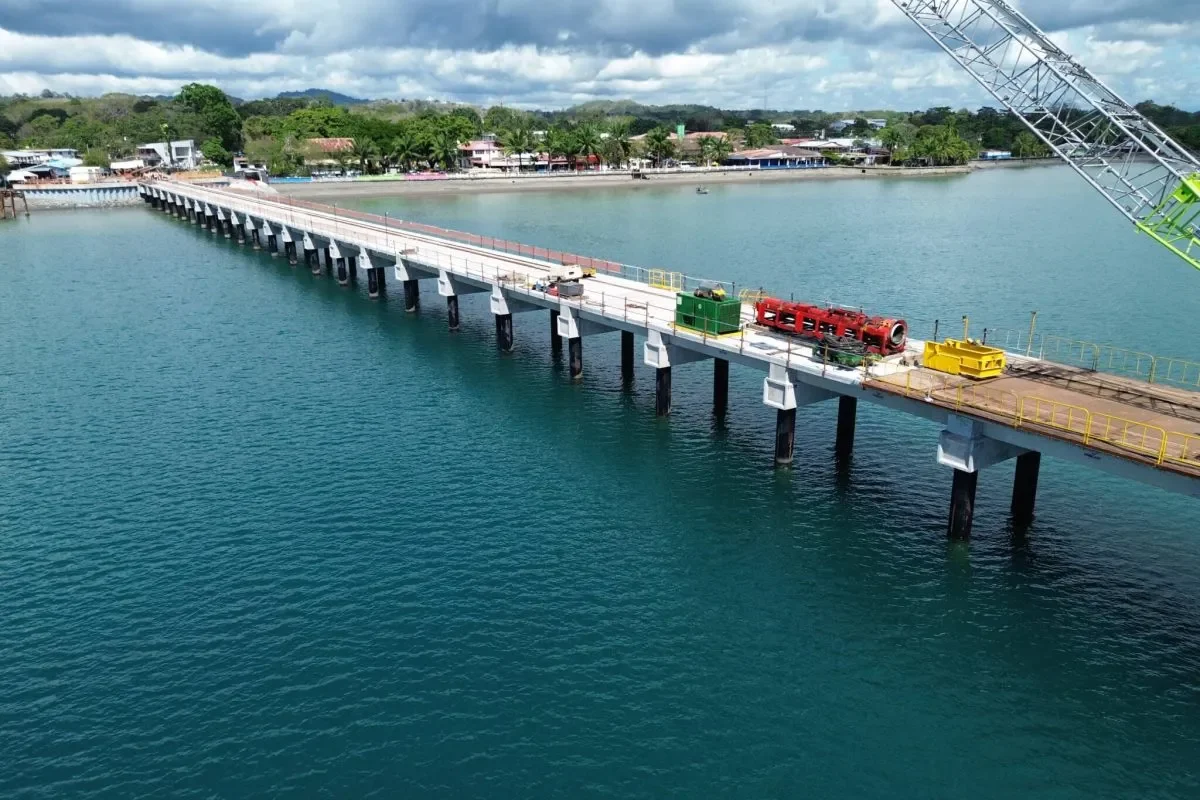
The Panama Maritime Authority (AMP) has launched a formal maritime infrastructure consultation to gather market intelligence before commissioning technical studies and designs for six ports across the country. The request for information, published September 4 on the Panama Compra platform, targets engineering firms, consultants, and specialized providers with expertise in port development.
The consultation covers ports in Coquira (Panama province), Mensabé and Arenal (Los Santos), Hicaco (Veraguas), and Pedregal and Remedios (Chiriquí). AMP officials said the process will remain open for 20 calendar days and does not constitute the start of a bidding process.
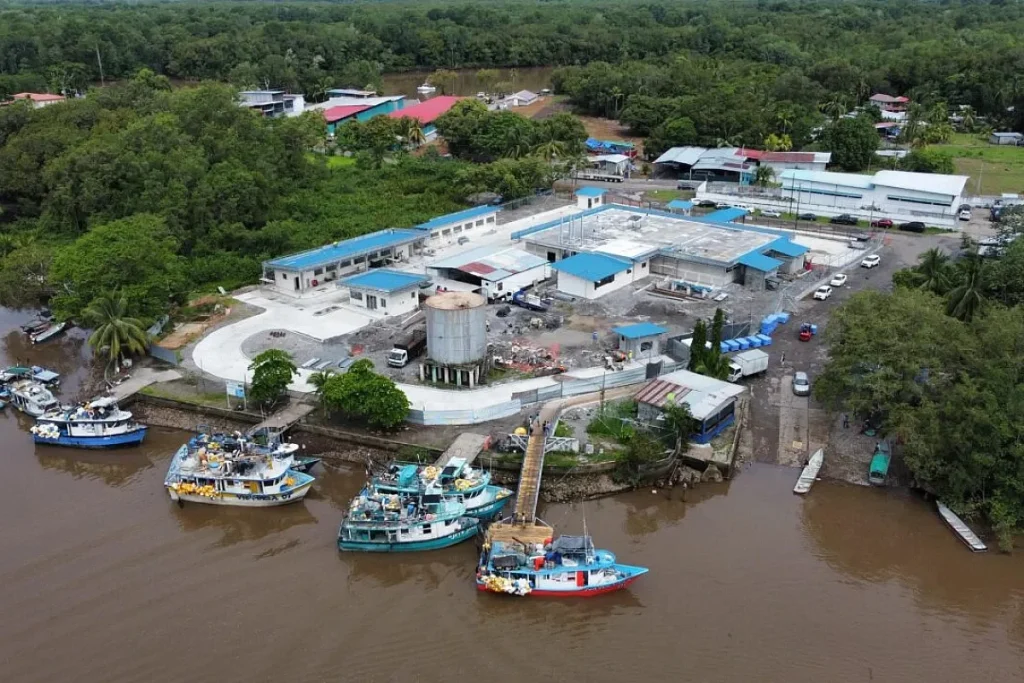
Scope of the Maritime Infrastructure Consultation
The AMP seeks technical, commercial, economic, and contractual data to structure future port infrastructure projects. Required information includes the feasibility of conducting topographic, bathymetric, geological, and oceanographic investigations, as well as requirements for processing environmental impact studies.
The authority clarified that participation in this consultation grants no advantages, preferences, or rights in any eventual contracting process. The information collected will be used exclusively for planning, evaluation, and preparation of future tender documents.
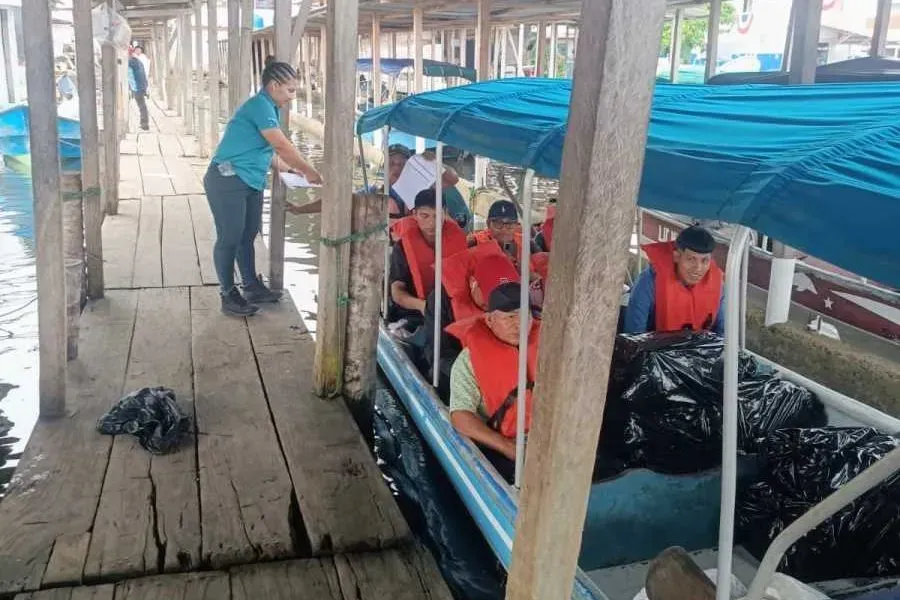
Six Ports Targeted for Technical Studies
The six ports span Panama’s Pacific coast, from Coquira near the capital to Remedios in the western province of Chiriquí. The geographic distribution suggests an effort to strengthen regional port connectivity beyond the established hubs of Balboa and Cristóbal.
Mensabé and Arenal in Los Santos province serve fishing communities and small-scale commerce, while Pedregal and Remedios in Chiriquí could support agricultural exports and regional trade. Hicaco in Veraguas rounds out the list of sites requiring technical evaluation.
Market Research Phase and Next Steps
The AMP framed this as a preliminary market research exercise rather than a procurement action. By soliciting information from the private sector first, the authority aims to calibrate its technical requirements and budget estimates before issuing formal tender specifications.
No timeline was provided for when actual design contracts might be awarded. The consultation’s findings will inform the preparation of bidding documents, environmental permitting requirements, and engineering scope definitions for each port site.