


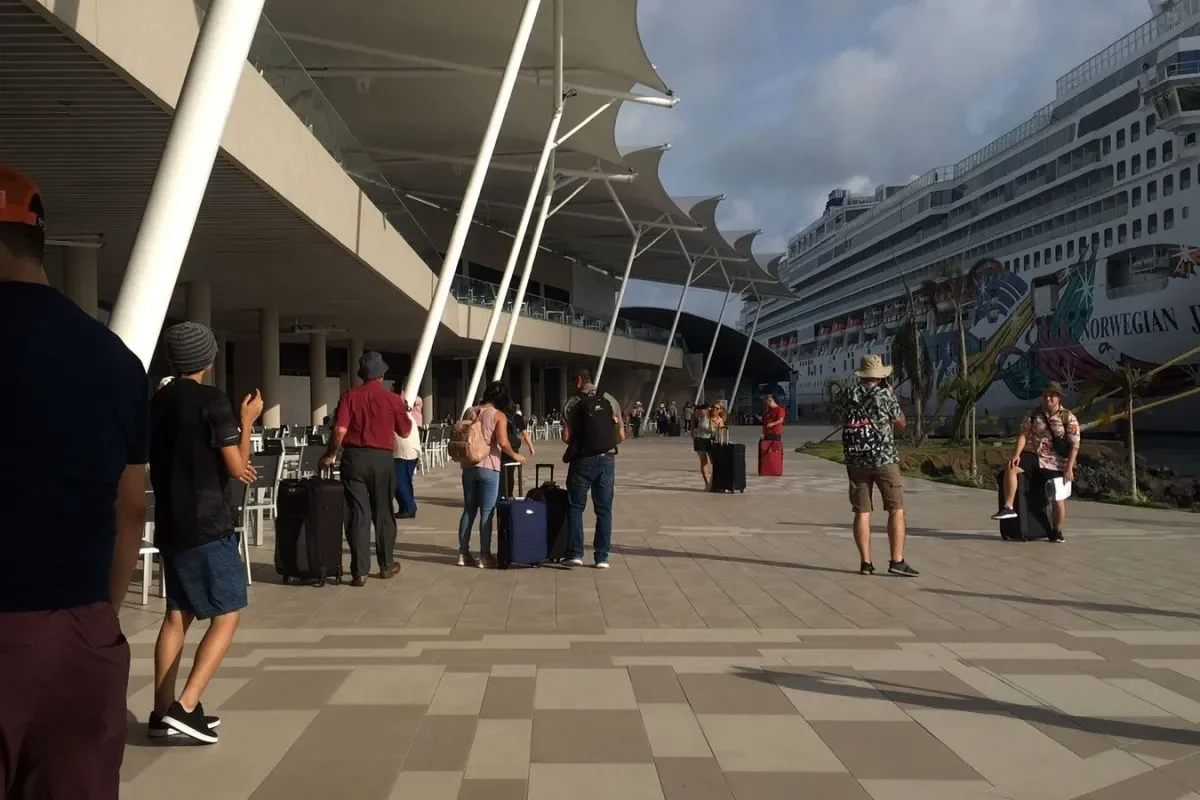
Panama’s tourism sector is signaling support for a proposed cruise disembarkation fee that would charge $5 per passenger arriving in Colón, a move backers say could inject desperately needed funding into the Caribbean province. Ernesto Orillac, former president of Panama’s Tourism Chamber (Camtur), endorsed the interinstitutional dialogue proposed by Colón Mayor Diógenes Galván to study the levy.
The proposal comes as Colón struggles with infrastructure decay and limited public resources despite hosting thousands of cruise visitors annually. A five dollar charge, supporters argue, is negligible for travelers spending hundreds or thousands on a cruise vacation but could collectively generate meaningful revenue for local development.

Why the Cruise Disembarkation Fee Makes Financial Sense
Orillac framed the discussion around three core questions that need answers before implementation. He stressed the importance of analyzing the impact regardless of the amount charged, understanding exactly how the funds would be used, and establishing a formal interinstitutional table to define the tax’s specific purpose.
“First, I think it’s important to analyze the impact independently of what is going to be charged. Two, understand really what the use of the funds is for. And three, I think the right direction is to create an interinstitutional table and discuss really what is specifically wanted with that tax to understand” [Translated from Spanish]
For a tourist paying $800 to $3,000 for a cruise, $5 represents less than one percent of the total trip cost. Yet for Colón, a city with high unemployment and crumbling public services, even modest per-passenger revenue could fund sanitation, security, and tourism infrastructure improvements that would make the destination more attractive long-term.
Private Sector Identifies Nine Major Tourism Projects
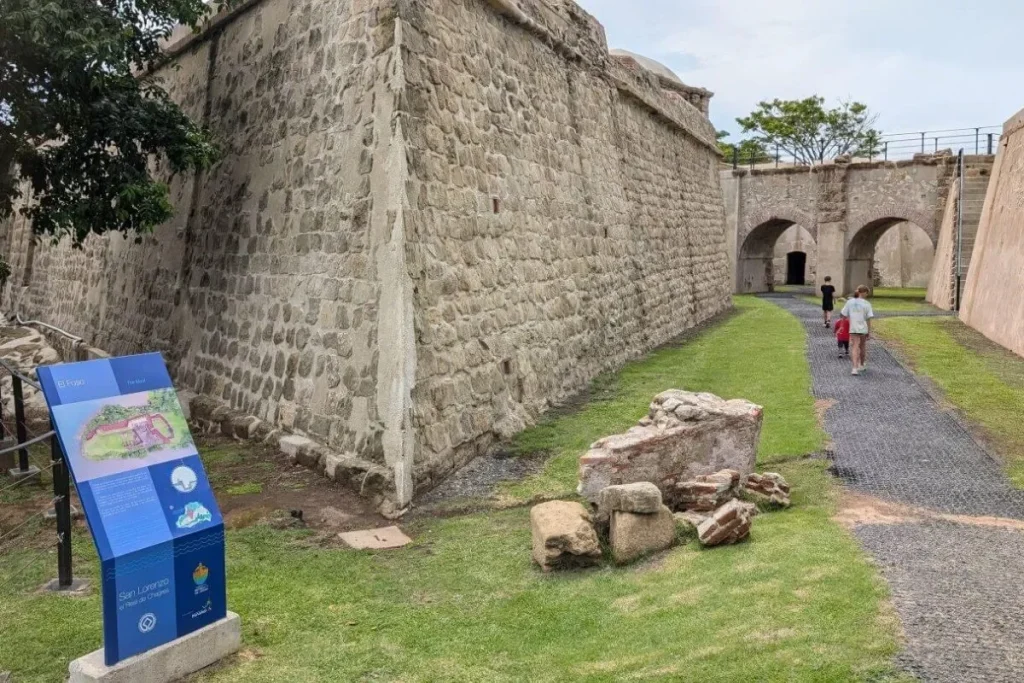
Beyond the fee discussion, Orillac revealed that private investors have already mapped out more than nine large-scale tourism projects for Colón’s Costa Arriba region. This signals that business interests see untapped potential in the province, provided basic infrastructure and safety conditions improve.
The proposed interinstitutional table would bring together municipal authorities, tourism officials, cruise operators, and community representatives. Such coordination could align the new revenue stream with concrete development priorities rather than leaving funds vulnerable to mismanagement.
“Of course, I believe that is the correct measure; it must be discussed, analyzed, and all points considered” [Translated from Spanish]
Colón’s Need for Sustainable Funding Sources
Colón has long been overshadowed by Panama City despite its strategic location at the Atlantic entrance to the Panama Canal. The province hosts a free trade zone and major port operations, but local communities often see little direct benefit from the commerce passing through their shores.
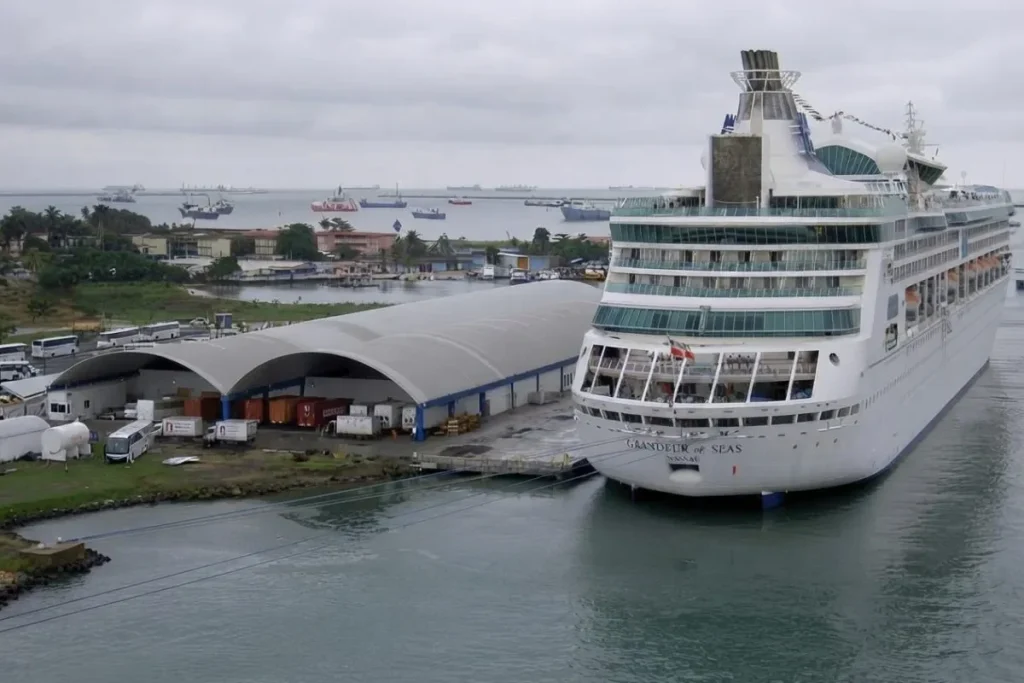
A dedicated cruise passenger fee would create a direct link between tourism activity and community benefit. Every ship that docks would generate immediate, calculable revenue for local government. With cruise arrivals projected to grow in the coming years, the fee could become a stable funding source rather than a one-time windfall.
Orillac cautioned against imposing charges without clear justification, but his support for the dialogue process suggests the tourism industry recognizes Colón’s funding crisis requires creative solutions. The $5 fee, he implied, cannot be dismissed without first examining what it could accomplish.
The next step rests with Mayor Galván’s office to convene the interinstitutional table. If the fee moves forward, Colón would join other Caribbean destinations that already charge per-passenger levies to fund port maintenance and local development. For a province in need, five dollars per visitor might be the difference between continued decline and meaningful recovery.