



A proposed 15 percent levy on vacation rentals booked through platforms like Airbnb could reshape Panama’s lodging market and drive up costs for travelers. The measure, part of a broader tourism incentive package submitted to the National Assembly by the Panama Tourism Authority (ATP), targets the estimated 13,000 short-term rental units currently operating without specific taxation or registration.
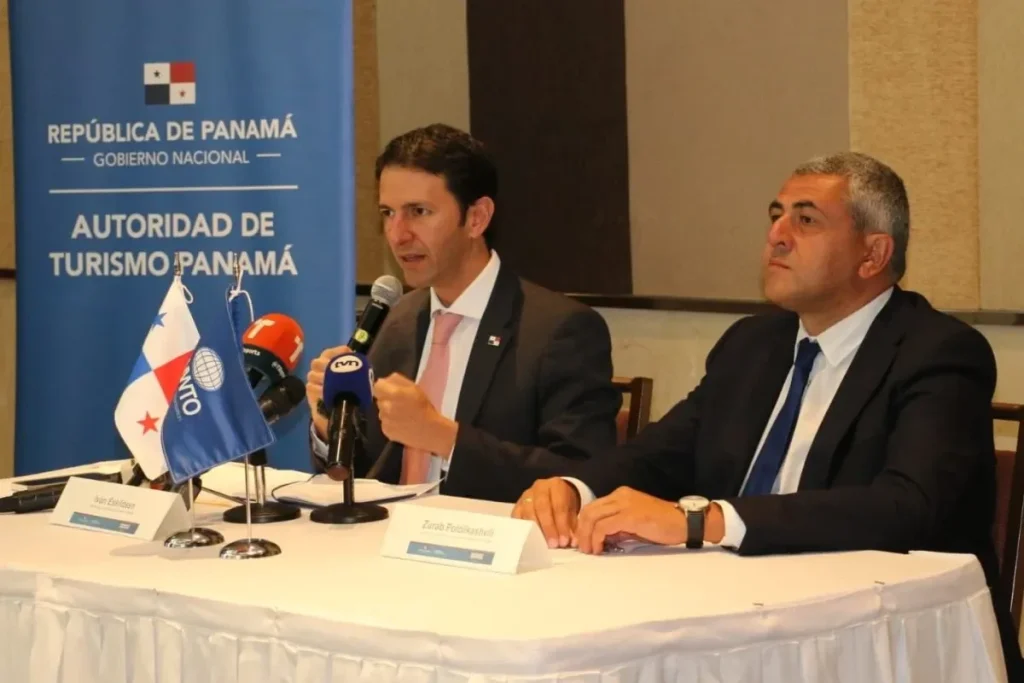
The Panama tourist tax proposal emerged after consultations with the Panamanian Hotel Association (APATEL), which recommended the 15 percent rate for vacation rentals. ATP administrator Gloria De León confirmed the rate was incorporated into the bill before its submission to lawmakers, where it must pass three legislative debates.
Panama Tourist Tax Collection and Platform Responsibilities
The ATP is considering a model where digital platforms themselves collect the 15 percent tax during transactions and remit funds to the state. This approach would shift the compliance burden away from individual property owners, though De León stressed that implementation details remain undefined until the bill passes and subsequent regulations are drafted.
Currently, Airbnb listings in Panama operate outside any tourism registry or tax framework. Property owners face no requirement to report their locations, capacities, or responsible parties to authorities. The proposed legislation addresses this gap by creating mechanisms for registration, collection, and oversight of electronic intermediaries.

Market Imbalance Between Hotels and Vacation Rentals
The scale of the unregulated sector has drawn sharp attention from hotel operators. ATP data shows approximately 13,000 Airbnb units across Panama compared to roughly 25,000 hotel rooms nationwide. That ratio means short-term rentals now represent more than half the formal hotel inventory, a shift that has eroded the competitive position of regulated accommodations.
Hoteliers have long argued that vacation rentals enjoy an unfair advantage by avoiding taxes, licensing requirements, and safety standards that traditional lodging must meet. The 15 percent rate sought by APATEL aims to narrow that gap, though it remains unclear whether the tax alone will satisfy demands for stricter operational controls.
Tourism Sector Risks and Implementation Challenges
Critics warn the new tax could dampen demand among budget-conscious travelers who choose Airbnb and others specifically to avoid hotel costs. A 15 percent surcharge on top of existing platform fees may push some visitors toward unregulated alternatives or reduce overall spending during their stays.
De León acknowledged that passing the tax would not automatically legalize short-term rental operations. Separate registration and compliance requirements would follow through regulation, creating additional hurdles for hosts. The proposal also includes tax incentives and investment promotion measures targeting underdeveloped tourism regions, but those benefits may not offset the immediate cost increases for the short-term rental segment.
The bill’s fate in the National Assembly remains uncertain. A previous attempt to tax electronic platforms, including Airbnb, was withdrawn from the government’s agenda. This new effort ties the levy directly to tourism legislation rather than broader digital services taxation, a strategic shift that could improve its chances but also concentrates opposition from property owners and platform operators.