


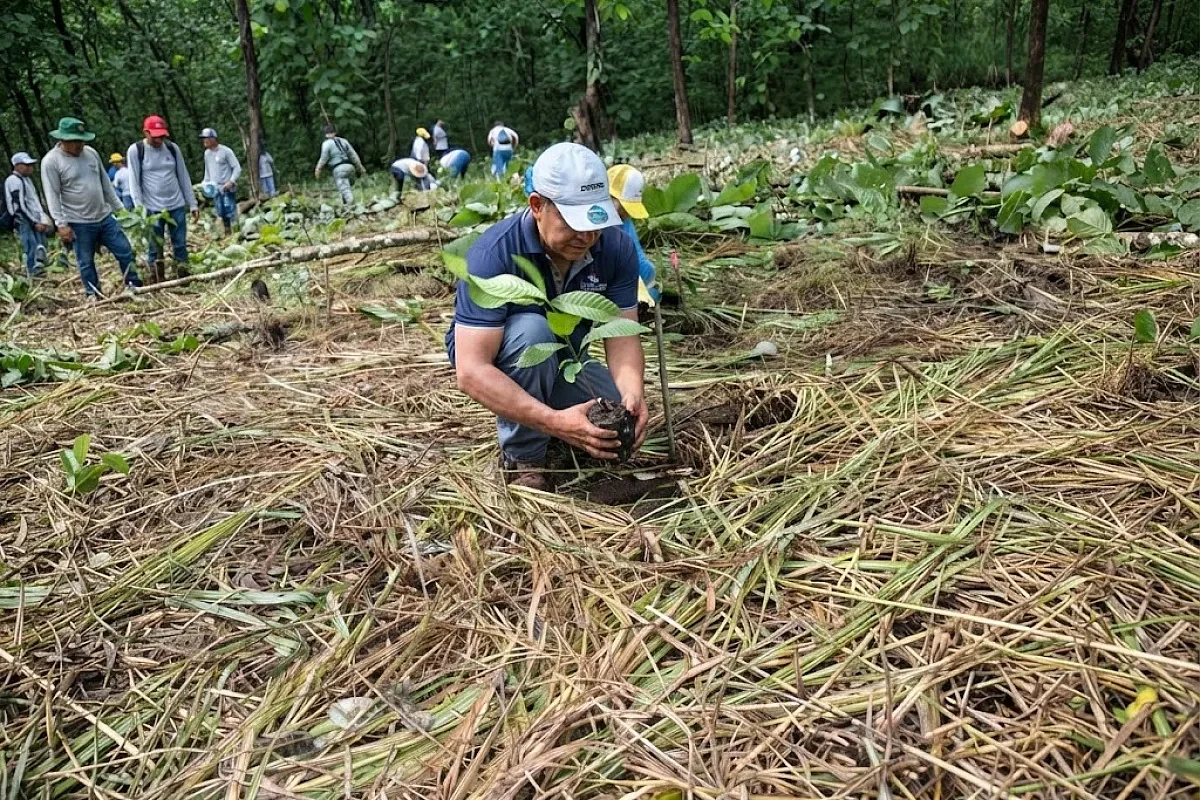
A symbolic planting of 42 native tree seedlings marked the 42nd anniversary of Chagres National Park this week, as officials and residents gathered in the El Charco sector of Chilibre to reinforce Panama biodiversity conservation efforts in one of the country’s most critical water reserves.
The commemoration, held October 6, brought together community organizations, government institutions, and local residents for a day focused on ecosystem protection and public participation in environmental stewardship.
Chagres Park Role in Water Security and Canal Operations
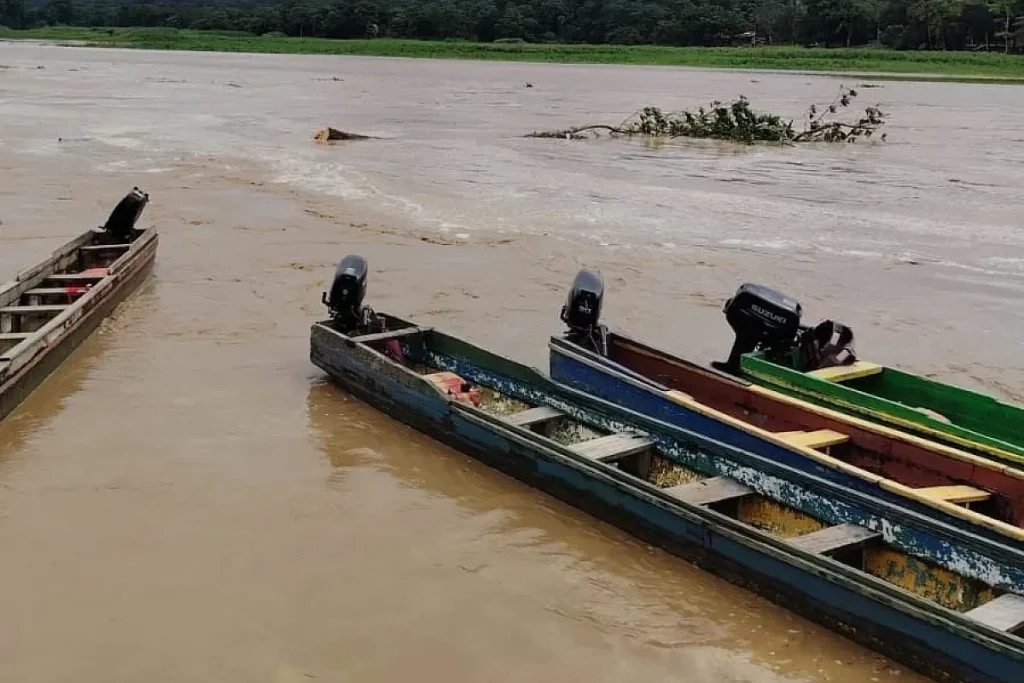
Chagres National Park serves as a primary freshwater reservoir for Panama, supplying drinking water to the metropolitan region while protecting the hydrological sources that keep the Panama Canal operational. The protected area spans critical watersheds that feed both Lake Alajuela and the canal system.
Park administrators emphasized that the anniversary planting aimed to raise public awareness about forest protection and the biodiversity contained within the reserve. Native species were selected for the planting to maintain ecological integrity and support local wildlife habitats.
Community Engagement and Environmental Education Fair
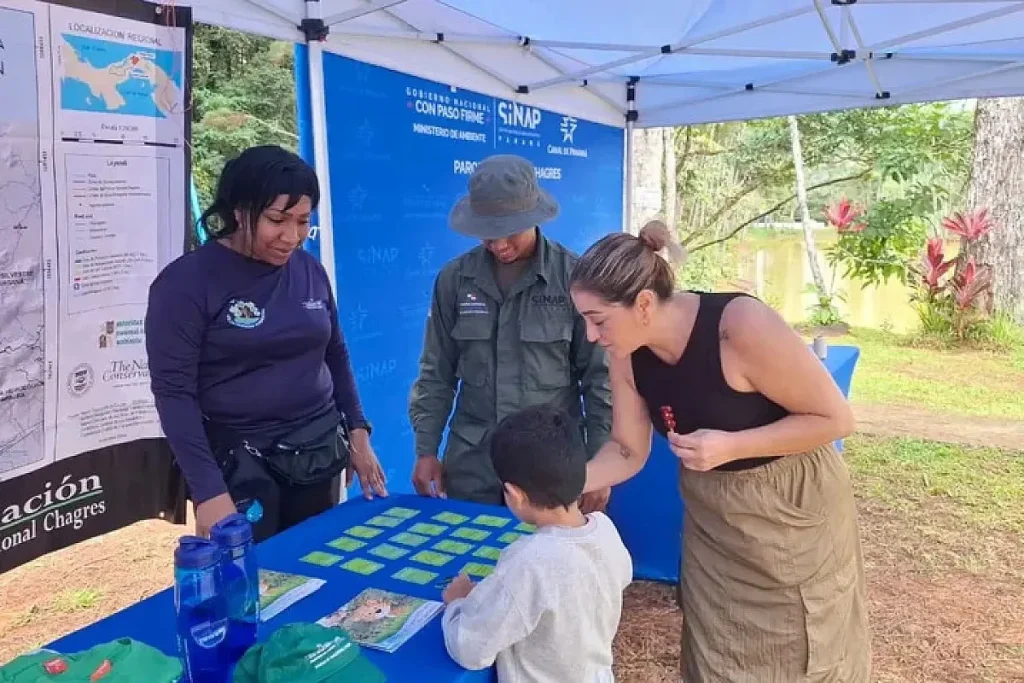
Following the planting ceremony, activities moved to Casa del Lago in Cerro Azul, where organizers hosted an Environmental Fair centered on citizen participation, culture, and environmental education. The gathering provided a space for residents and community groups to exchange knowledge about conservation practices.
The fair highlighted how environmental education and community involvement strengthen long-term sustainability efforts. Organizers stressed that protecting natural resources requires ongoing collaboration between authorities and the people who live near protected areas.
Panama Biodiversity Conservation Through Local Partnerships
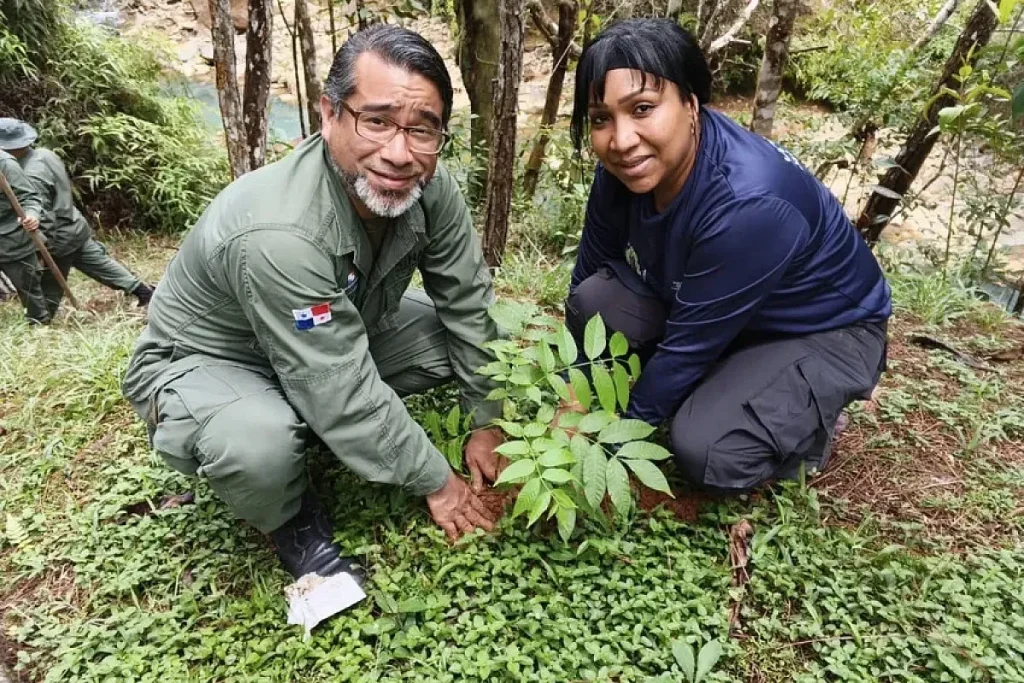
The event was coordinated by the Regional Directorate of Panama’s Ministry of Environment for Panama Norte, working alongside Chagres National Park administration and the community-based organization EcoAmbiente Inclusivo. This partnership model reflects a broader strategy to integrate local voices into conservation planning.
Officials noted that Chagres National Park remains essential for maintaining water quality and regulating flow to the canal, which depends on consistent freshwater levels. The anniversary served as a reminder that protecting forested watersheds directly supports both public health and economic activity tied to canal transit.
The Ministry of Environment continues to evaluate conditions within the park, recently reopening access after assessing river and Lake Alajuela conditions. Those assessments ensure visitor safety while preserving the ecological functions that make Chagres a cornerstone of Panama’s environmental infrastructure.