


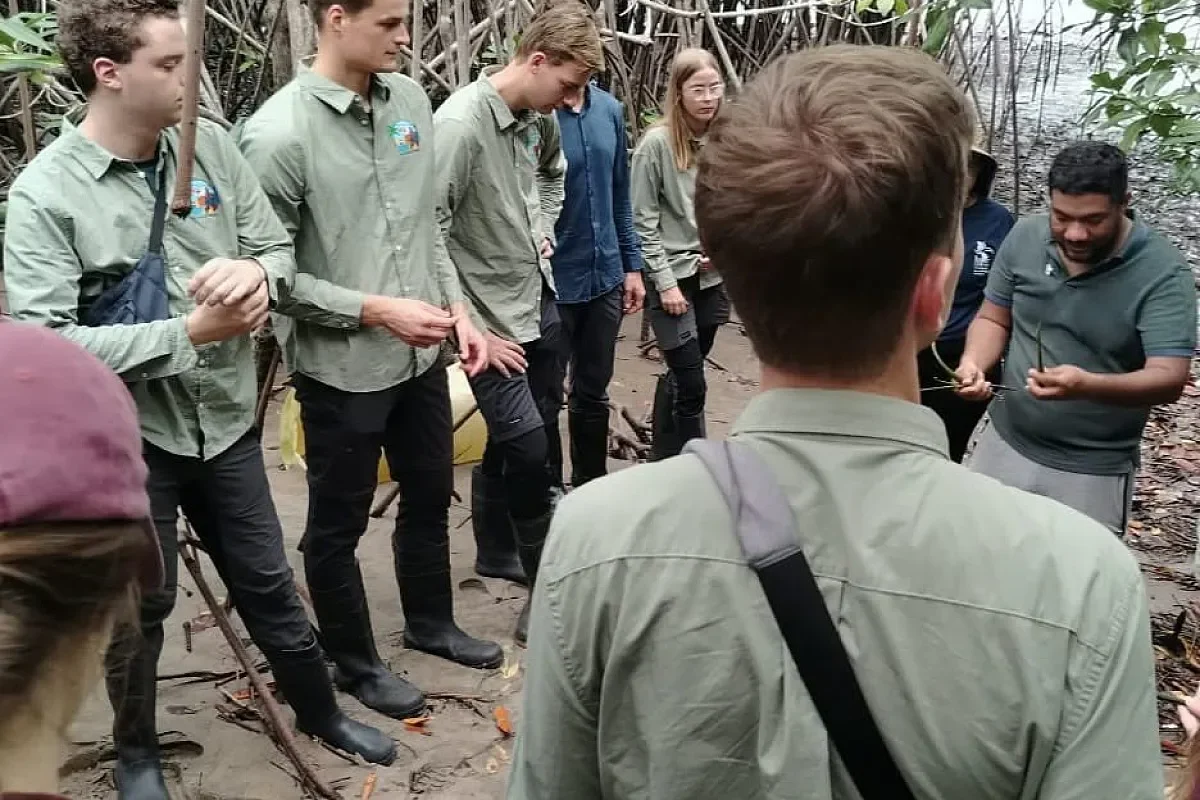
A group of 21 university students from the Netherlands took part in a hands-on environmental education program this week inside the protected mangroves of Chame Bay, located in Panama Oeste province. The session, coordinated with the Ramsar Regional Center for the Western Hemisphere and park rangers from Panama’s Ministry of Environment, focused on direct restoration work and ecological training.
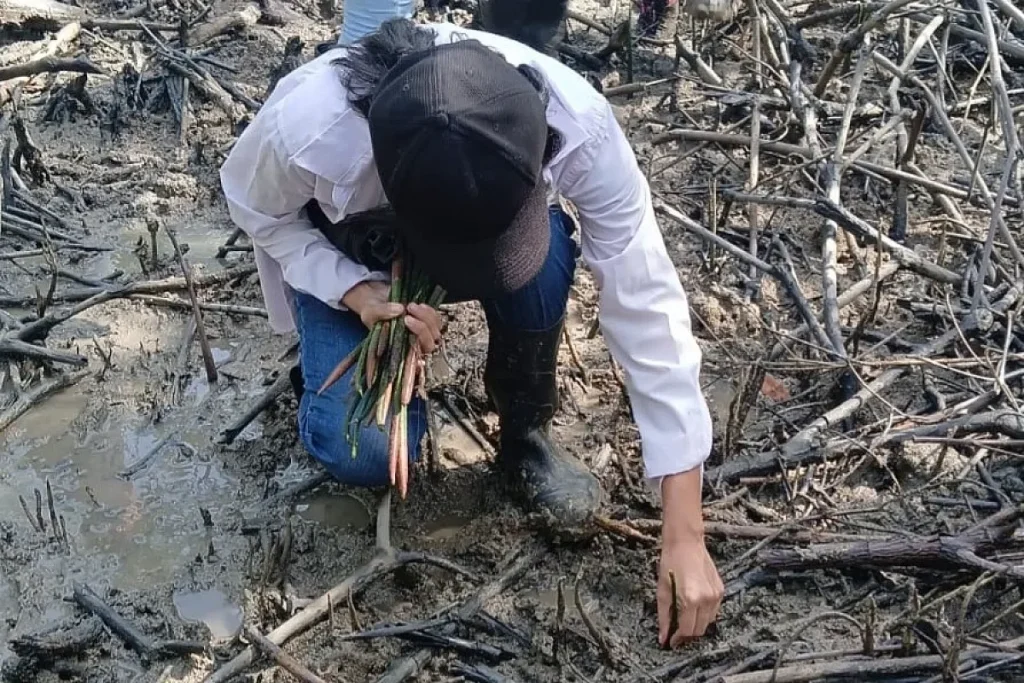
The students collected and planted red mangrove propagules while learning how these coastal forests sustain marine biodiversity. Officials said the activity aimed to connect international academic groups with local conservation priorities in one of Panama’s most ecologically sensitive zones.
Why Mangrove Habitats Demand Urgent Protection
Mangroves act as natural shields against storm surges and coastal erosion, a critical function for low-lying communities along Panama’s Pacific shoreline. Beyond physical protection, these ecosystems serve as nurseries for fish, crustaceans, and bird species that support both local fisheries and tourism economies.
Panama has lost significant mangrove coverage in recent decades due to urban expansion, agriculture, and illegal logging. Protected areas like Chame Bay represent a strategic response, combining legal safeguards with active reforestation. The involvement of foreign students highlights how conservation challenges cross national borders, especially as climate change intensifies sea-level rise and extreme weather across Central America.
📍Panamá Oeste | 21 estudiantes universitarios de Holanda vivieron una jornada educativa junto al equipo del Centro Regional RAMSAR Panamá y guardaparques del Área Protegida Manglares de la Bahía de Chame. 🌿🇵🇦 Recolectaron y plantaron propágulos de mangle rojo, mientras aprendían a identificar estos árboles y conocían su importancia para la biodiversidad y la protección de nuestros ecosistemas marino-costeros del Pacífico. 🌱🌊 #MiAMBIENTEestáEnElCampo 🌱
— Ministerio de Ambiente de Panamá (@MiAmbientePma) October 1, 2026
Environmental Education Program Builds Global Partnerships
The Chame Bay initiative forms part of a broader push to integrate scientific research with community-based restoration. Ramsar designation for the site underscores its international importance under the Convention on Wetlands, a treaty Panama ratified to protect critical waterbird habitats and coastal wetlands.
For the Dutch participants, the field session offered direct exposure to tropical ecosystem management, contrasting with Europe’s temperate wetland restoration models. Ministry officials emphasized that such exchanges strengthen technical capacity and raise awareness among future environmental professionals about the value of mangrove conservation in developing nations.
Long-Term Impact on Coastal Resilience
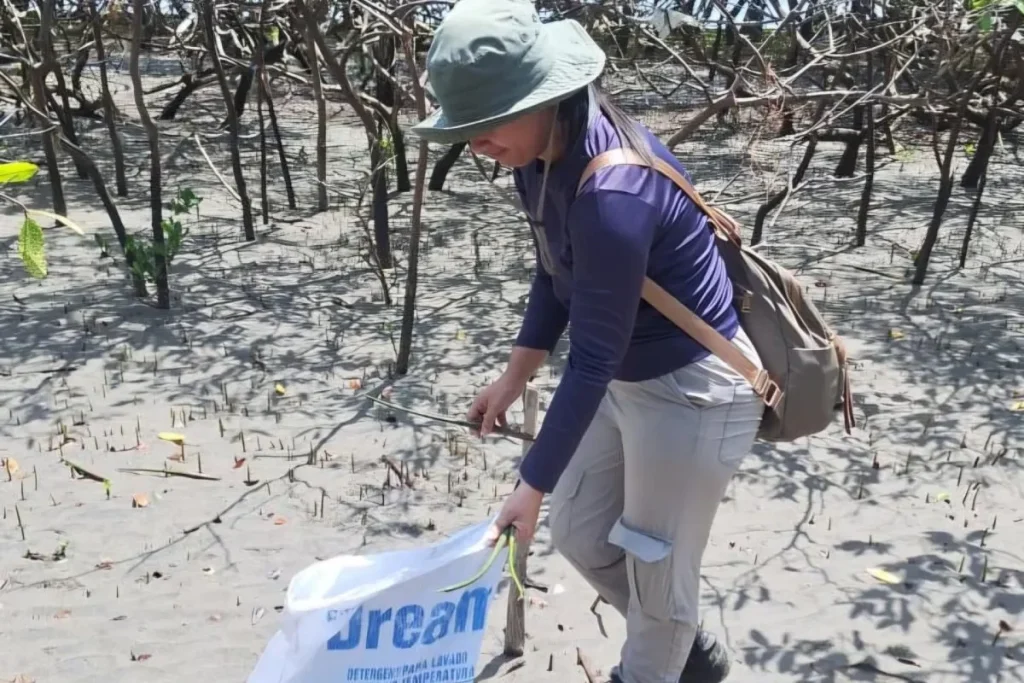
Replanting red mangroves delivers benefits that compound over decades. Mature trees stabilize sediment, filter pollutants, and sequester carbon at rates far exceeding most terrestrial forests. Each propagule planted by the students contributes to a living barrier that can reduce wave energy during extreme tides and protect inland freshwater sources from saltwater intrusion.
Local rangers will monitor the newly planted areas for survival rates and growth patterns. The Ministry of Environment reported that similar reforestation efforts in Chame have shown promising results, with survival rates improving when planting occurs during the rainy season and when local communities participate in follow-up care. Ultimately, sustained investment in these habitats determines whether Panama’s coastal ecosystems can adapt to mounting environmental pressures.