


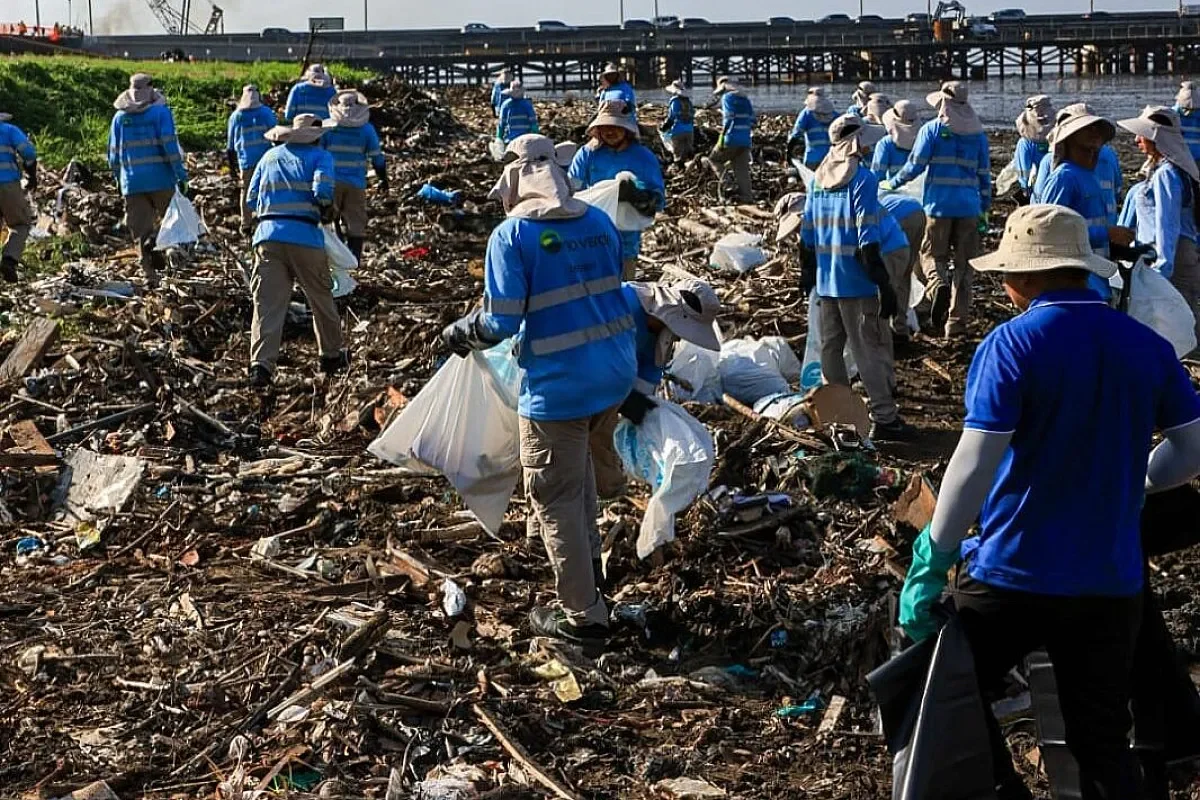
A fleet of drones is scanning the capital’s shoreline for trash clusters while workers pull solid waste from river channels and mangrove roots, launching a visible Panama Bay recovery push on August 13. The operation stretches from the Amador Causeway to Costa del Este and aims to intercept garbage before it reaches the Pacific.
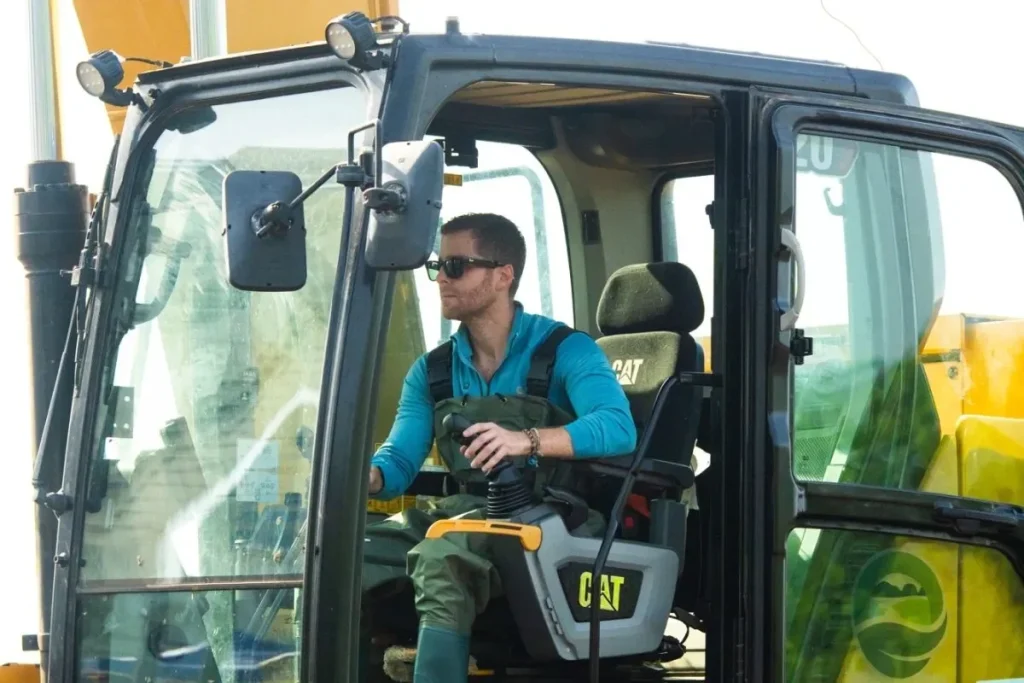
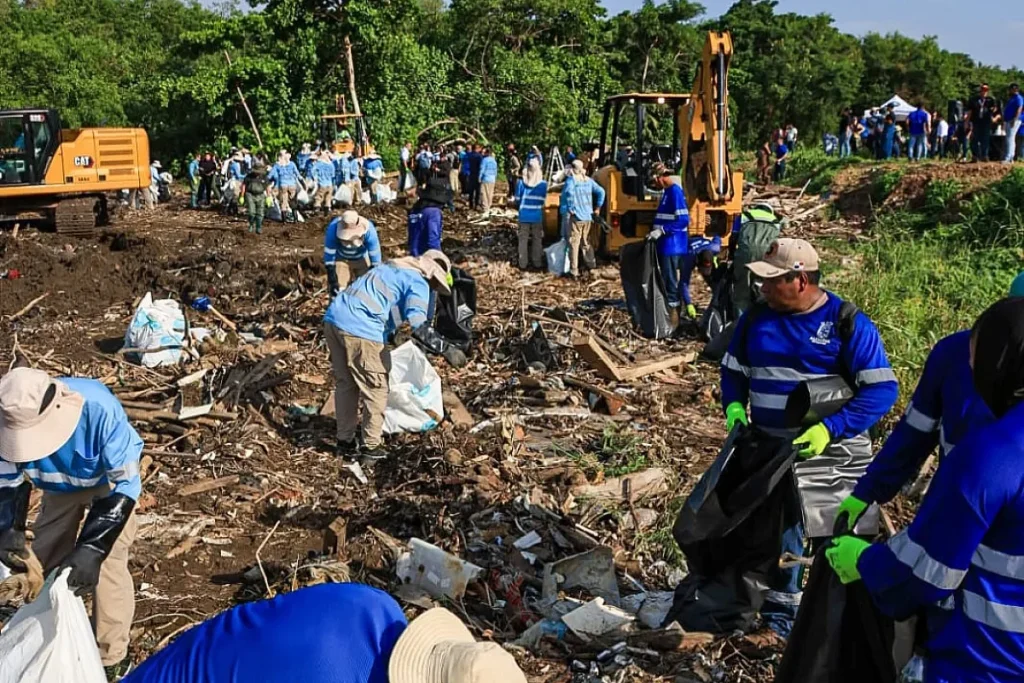
City officials said crews began sanitation and recovery work in the Matías Hernández and Río Abajo rivers, along with coastal zones, mangroves and sectors of Panama Bay. The immediate tasks include collecting and extracting solid waste, cleaning contaminated areas, restoring mangrove cover and responding to critical points that regularly channel debris into the sea.
Panama Bay Recovery Combines Drones and Manual Cleanup
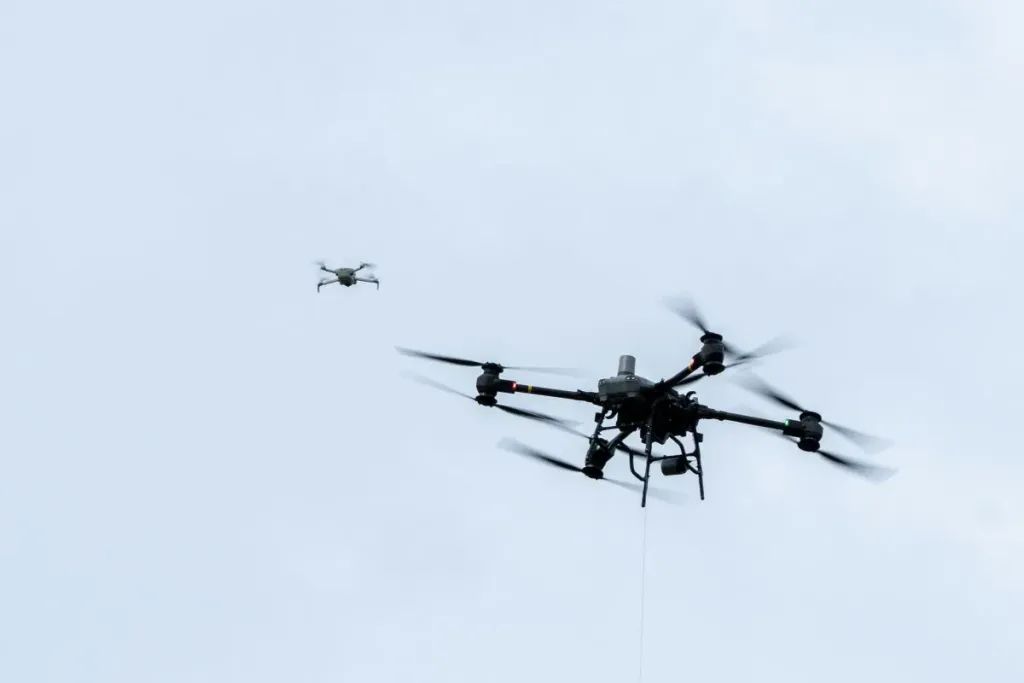
Teams deployed across the intervention zone are using both traditional labor and aerial surveillance. Drones help identify waste accumulations that are difficult to spot from the ground, document areas before and after intervention, and track progress over time. Officials emphasized that the mission is to reduce the volume of solid waste entering river channels and eventually the ocean.
The Matías Hernández and Río Abajo rivers have long carried urban runoff and trash into the bay. Workers are focusing on these waterways because they act as direct corridors from inland neighborhoods to the marine ecosystem. By pulling plastics, tires, household waste and other materials from the riverbeds and banks, crews expect to lower pollution loads on mangroves and coastal habitats.
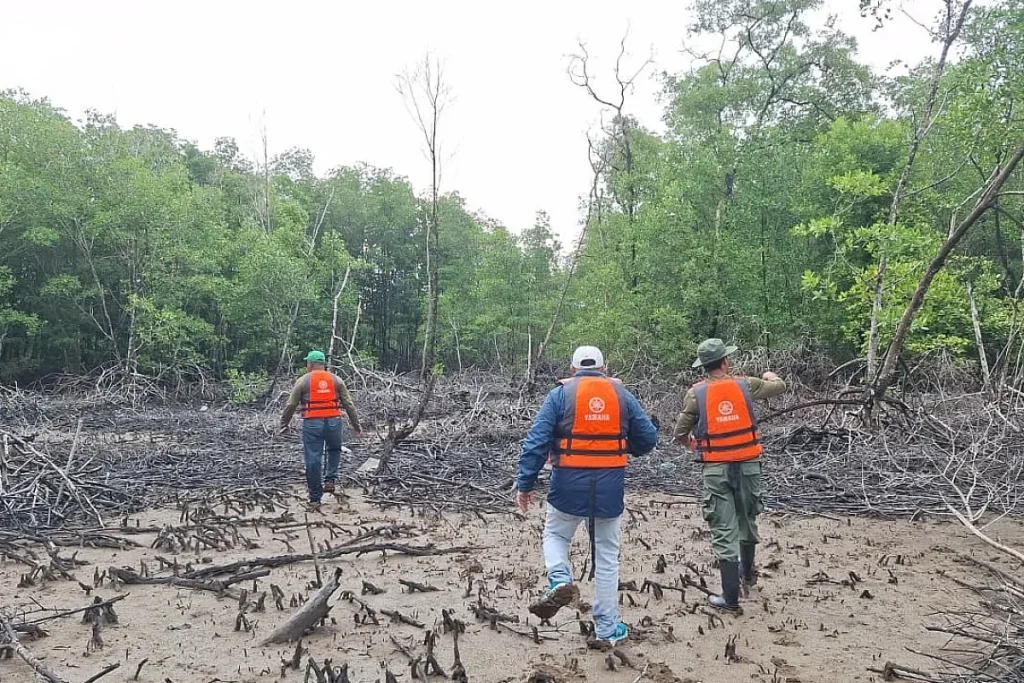
Mangrove recovery forms another central piece of the operation. The plants serve as natural barriers against erosion and as nurseries for fish and crustaceans. In many parts of Panama City, garbage has smothered mangroves or development has cut them back, which makes the active cleaning and restoration work particularly urgent for bay health.
Government Agencies and Volunteers Unite for Ecosystem Health
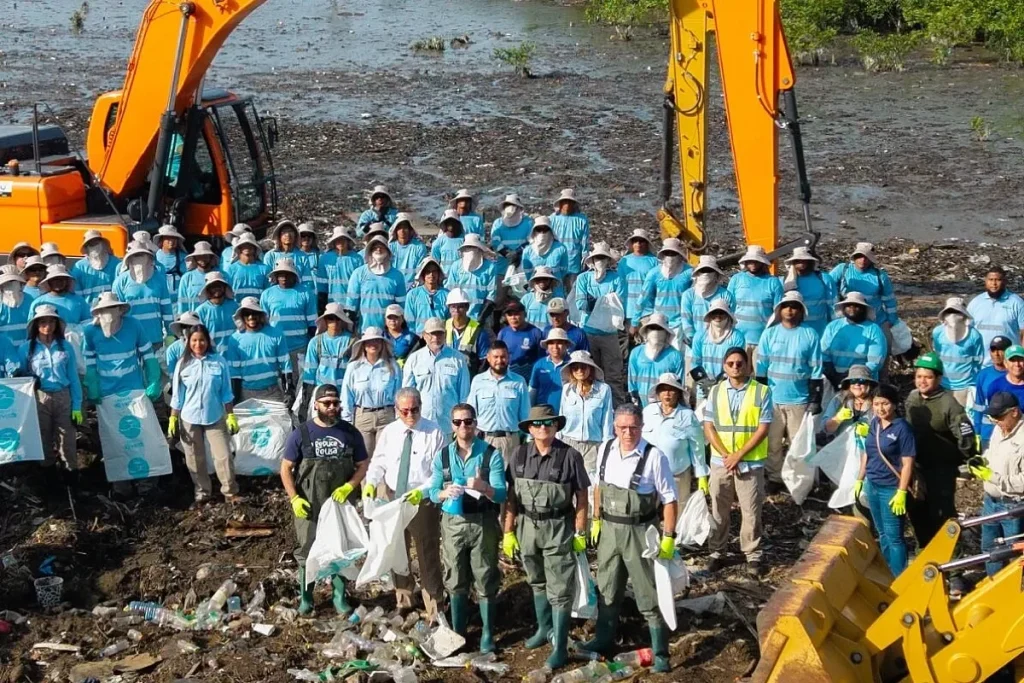
The broader Panama Bay recovery operation brings together several public institutions and private partners. Environment Minister Juan Carlos Navarro and Health Minister Fernando Boyd Galindo joined the effort, along with Ovil Moreno Marín, administrator of the waste authority, and representatives from the Río Verde Consortium. Environmentalists, volunteers and operational staff are also working across the identified points.
Mayor Mayer Mizrachi accompanied the crews alongside a group of children who took part in environmental education activities. He framed the effort as more than a physical cleanup.
“Today we are recovering our rivers, beaches and mangroves, but we are also planting awareness. We want children to be part of this change because caring for our natural resources is working for the Panama we will leave them,” [Translated from Spanish]
The presence of health officials reflects the project’s dual purpose. Stagnant water and accumulated waste can create breeding grounds for mosquitoes, including the species that transmits dengue. Removing garbage and improving drainage helps reduce those risks while also restoring natural landscapes.
Environmental Education and Dengue Prevention in Focus
Beyond the removal of waste, the initiative includes a preventive health component. Teams are working to eliminate potential mosquito breeding sites as they clean. Panama has faced repeated dengue outbreaks, and public health authorities have long linked improper waste disposal to standing water in tires, bottles and other discarded containers.
Educational activities with children form part of the same strategy. The city wants residents to understand how trash discarded far from the coast can still end up in rivers and mangroves. Changing household waste habits, officials argue, matters just as much as the machinery used to extract debris from sensitive areas.
Local environmentalists have welcomed the coordinated focus on rivers and mangroves, areas that often receive less attention than beaches or tourist zones. The stretch from the Causeway to Costa del Este includes high-value urban real estate, but it also contains critical wetland zones that support birds and marine life. The involvement of volunteers suggests the administration is trying to build a broader base of public support for long-term maintenance.
Protecting a Ramsar Wetland and a Growing Capital
Panama Bay is not just a scenic backdrop for the city; it holds international recognition as a Ramsar wetland. The bay’s mudflats and mangroves support migratory shorebirds, fish nurseries and coastal protection functions. Scientists have warned for years that untreated sewage, solid waste and land reclamation are degrading these ecosystems. The current Panama Bay recovery push targets one piece of that problem, the solid waste flowing from urban watersheds into the marine environment.
A cleanup of this scale can produce immediate visual results, but experts caution that sustained maintenance is the real test. Without regular collection, community participation and enforcement against illegal dumping, garbage will return with the next heavy rain. The city’s use of drones and documentation may help create a baseline to measure progress and identify repeat problem zones.