


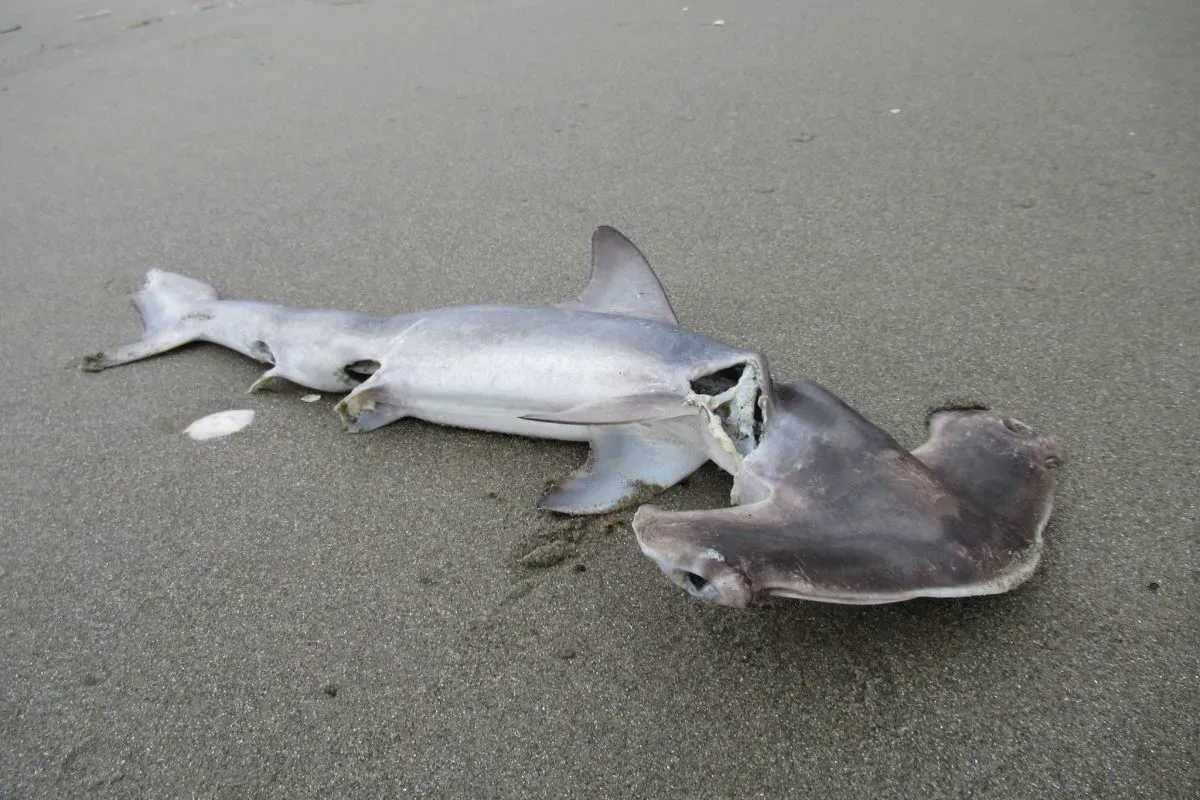
Deep in the mangroves of Panama Bay, hammerhead shark pups swim through waters choked with plastic bottles and discarded refrigerators. This startling image of endangered species navigating urban waste illustrates the scale of a crisis that has been decades in the making. Now a coalition of environmental groups is fighting back with an ambitious plan called the Seven Basins project.
The initiative targets seven of the most polluted rivers flowing through Panama City and into the bay. These waterways have become highways for garbage, carrying everything from organic waste to household appliances toward the sea. The problem grows worse during rainy season when swollen currents sweep debris downstream with greater force.
How a single river reveals a national problem
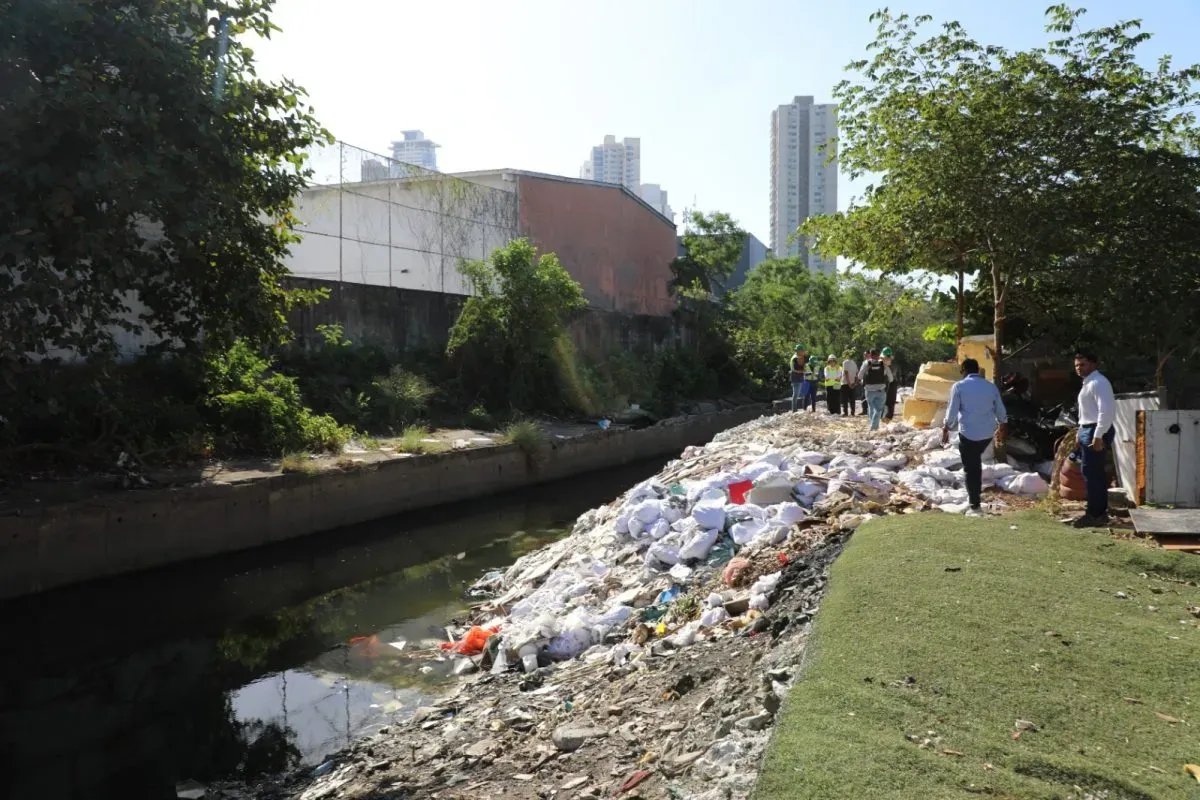
The Juan Diaz River tells the story in stark terms. Near its source in the highlands, the water runs clear and the ecosystem thrives. But by the time it reaches the city, the river becomes a conveyor belt of refuse. Freddy Romero, a collection coordinator for the Wanda group, described what crews find daily.
“What arrives most here are plastic bottles, along with organic waste, doors, refrigerators and countless objects that come to the Juan Diaz River every day” [Translated from Spanish].
A barrier installed by the organization Marea Verde has intercepted nearly 500,000 kilograms of trash over the past four years. That is half a million kilos of waste that never reached the ocean. But it is only a fraction of what flows through the city’s waterways.
Laura Gonzalez, director of Marea Verde, said the volume spikes during wet months.
“As you can see there is constantly quite a volume of waste, especially in these rainy seasons which are like the peak work period for Marea Verde” [Translated from Spanish].
Her team maintains multiple barriers across different rivers, each one filling rapidly with debris.
The hidden cost of Panama Bay pollution
The damage extends far beyond what people see floating on the surface. Panama’s mangroves rank among the world’s most threatened ecosystems. These coastal forests serve as nurseries for fish, protect shorelines from erosion, and absorb carbon at rates far higher than terrestrial forests. When plastic waste accumulates in mangrove roots, it blocks water flow and suffocates the plants.
Adrian Benedetti, director of the Ancon environmental group, highlighted what is at stake.
“There is a great amount of biodiversity, we even found hammerhead shark pups in the mangroves of Panama Bay and it’s incredible to think about that, a highly endangered species” [Translated from Spanish].
The presence of these vulnerable animals shows the bay still holds ecological value worth protecting.
Mirei Endara, founder of Marea Verde, connected the cleanup directly to conservation. She said Panama has mangroves on the list of threatened species and reducing plastic pollution in those ecosystems would greatly benefit the natural environment.
A strategy that starts upstream
The Seven Basins project does not just fish trash out of rivers. It aims to stop waste before it enters waterways at all. James Patterson, project manager for The Ocean Cleanup, explained the vision.
“As you can see this is the start of the Juan Diaz River. I am sure that further down the picture is not the same, our goal is that one day the river will look like this again with much less garbage” [Translated from Spanish].
The plan identifies seven priority rivers: Juan Diaz, Matias Hernandez, Rio Abajo, Matasnillo, Curundu, Tapia and Caimitillo. Teams will install interception barriers on each one while also working with communities on waste management education. The idea is to change behavior at the household level so less trash enters the system in the first place.
Community cleanups form another pillar of the strategy. Local residents participate in recovery days that combine environmental restoration with practical lessons about proper disposal. These efforts aim to build long-term habits rather than temporary fixes.
The scale of the challenge is enormous. Panama City has grown rapidly over recent decades, and waste management infrastructure has struggled to keep pace. Plastic consumption remains high while recycling rates lag behind many regional peers. Without intervention, the rivers will continue carrying garbage to the bay indefinitely.
But the presence of hammerhead pups in the mangroves suggests it is not too late. These sharks, listed as critically endangered by international conservation authorities, still find habitat worth inhabiting. The question is whether humans can clean up their mess fast enough to keep it that way.