


The white handkerchiefs were meant to signal peace. Instead, they became targets.
On July 10, 1987, thousands of Panamanians gathered along Via Espana in Panama City, waving white flags and wearing white clothing. They came as professionals, students, and workers. They came as families. They came believing that a peaceful demonstration could topple a regime. By nightfall, hundreds lay wounded, thousands were arrested, and the country had entered a new chapter of state-sponsored terror.
Panamanians call it Viernes Negro (Black Friday) Panama. It was not a shopping event. It was a massacre of civic conscience.
The Spark That Lit the Fire
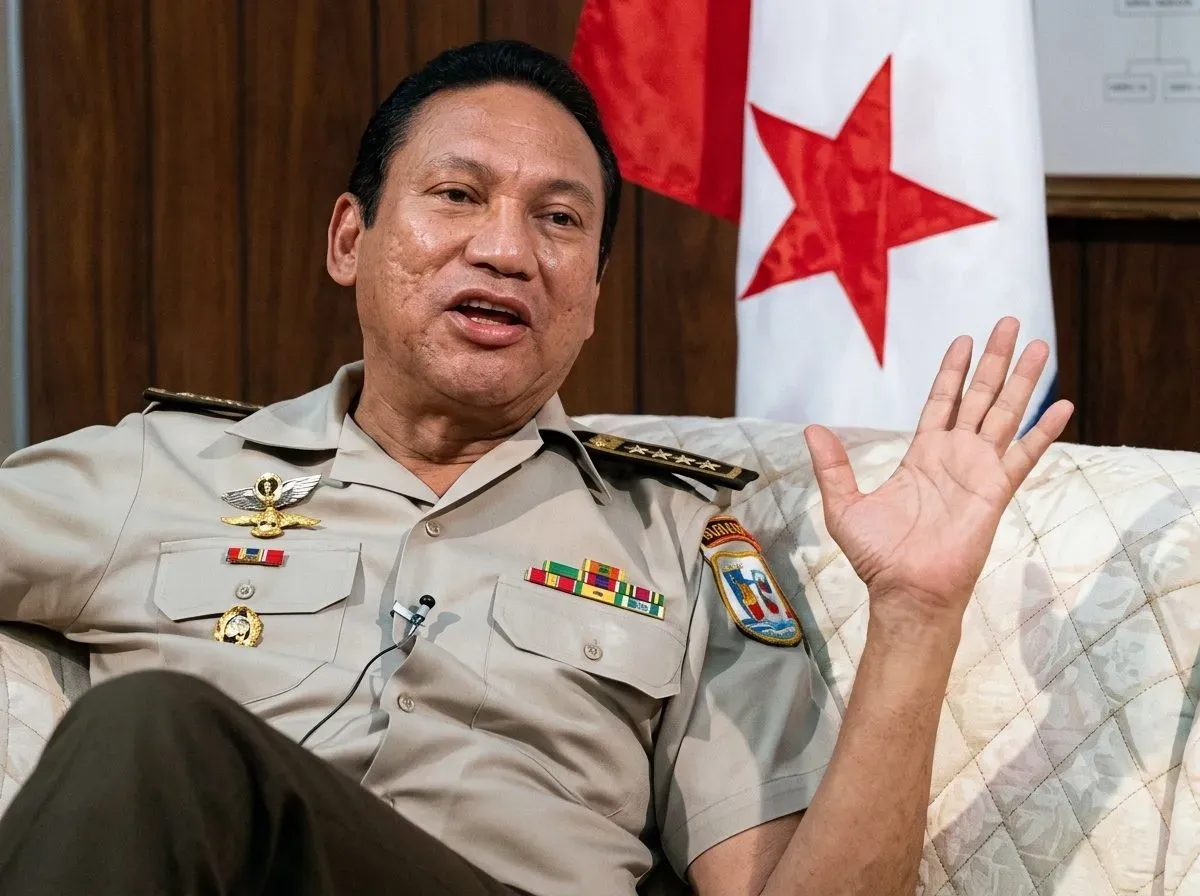
Tensions had been building for weeks. On June 6, 1987, Colonel Roberto Diaz Herrera, a former second-in-command to Manuel Antonio Noriega, broke ranks. From his home, Diaz Herrera delivered explosive testimony about electoral fraud in the 1984 presidential election. He accused Noriega of rigging the vote and of ordering the murder of opposition leader Hugo Spadafora in 1985.
The revelations sent shockwaves through Panamanian society. The Cruzada Civilista Nacional, a coalition of 107 civic organizations, business groups, and professional associations, saw its moment. They had been building opposition to the military regime for years. Now they had a credible witness and a galvanizing cause.
The government responded predictably. The pro-regime Democratic Revolutionary Party called for a “nationalist” march on June 9 to show support for President Eric Arturo Del Valle and for Noriega himself. The civilistas scheduled their own “white march” for July 10. Two competing visions of Panama were about to collide.
On the night of July 7, the presidency issued a statement banning both demonstrations. The official reason: “imminent danger to the physical integrity of participants, bystanders, and other Panamanian citizens.” The civilistas saw it differently. They saw fear. The next day, they announced the march would proceed anyway.
The Ambush on Via Espana
By early morning on July 10, the First Public Order Company of the Defense Forces had taken positions along Via Espana. These were no ordinary soldiers. They were the “dobermans,” named for their ferocity. They carried tear gas, shotguns loaded with pellets, and batons. They had orders to stop the march before it could start.
Women with white handkerchiefs gathered near the Iglesia del Carmen. Men joined them carrying white flags. The plan was simple: march peacefully to the center of Panama City and demand Noriega’s resignation. The crowd swelled as more citizens arrived. They sang hymns. They prayed. They believed their white clothing would protect them.
It did not.
Around 3:30 p.m., according to testimony from Manuel Cambra, then president of Club Activo 20-30, the dobermans attacked. They fired tear gas directly into the crowd. They swung batons at anyone within reach. They fired pellets into the backs of fleeing demonstrators.
The violence did not stop at the church doors. Agents stormed into the Sanctuary of the National Heart of Mary, chasing protesters who had sought sanctuary. Inside the temple, they threw tear gas canisters. Father Romulo Emiliani, the parish priest, called it a “profanation.”
Cambra, who was beaten that day, later described the scene in a 1992 testimony published in the supplement “Let Us Remember So It Never Happens Again.” He said the repression was systematic. It was not random violence born of chaos. It was planned. It was military.
The Toll of State Violence
The numbers are difficult to verify precisely, but the available records paint a horrifying picture. According to figures published by La Prensa newspaper and documents compiled by researcher Brittmarie Janson in “Panama Protests,” approximately 600 people were wounded. Some estimates place the number as high as 1,000. Of those, at least 150 were hit by pellets fired at close range.
Between 630 and 700 people were arrested. At least 275 women were taken to the Cavalry barracks in Panama Viejo. There, and at the Modelo Prison, detainees reported torture, sexual abuse, insults, and degrading treatment. Medical care was denied to the wounded. Some who reached hospitals were dragged out of emergency rooms and taken directly to jail.
The government declared a suspension of constitutional guarantees. It imposed a nationwide blackout and a curfew. But the protests did not stop. They spread from the capital to the interior. Students, workers, and professionals took to the streets in other cities. The regime had won the battle on Via Espana, but it was losing the war for Panama’s soul.
The Beginning of the End
Black Friday was not the day Noriega fell. That would take another two and a half years, culminating in the United States invasion of Panama in December 1989. But July 10, 1987, was the day the regime’s legitimacy collapsed. Before Black Friday, Noriega could claim he was fighting subversives. After Black Friday, the world saw the truth: he was fighting his own people.
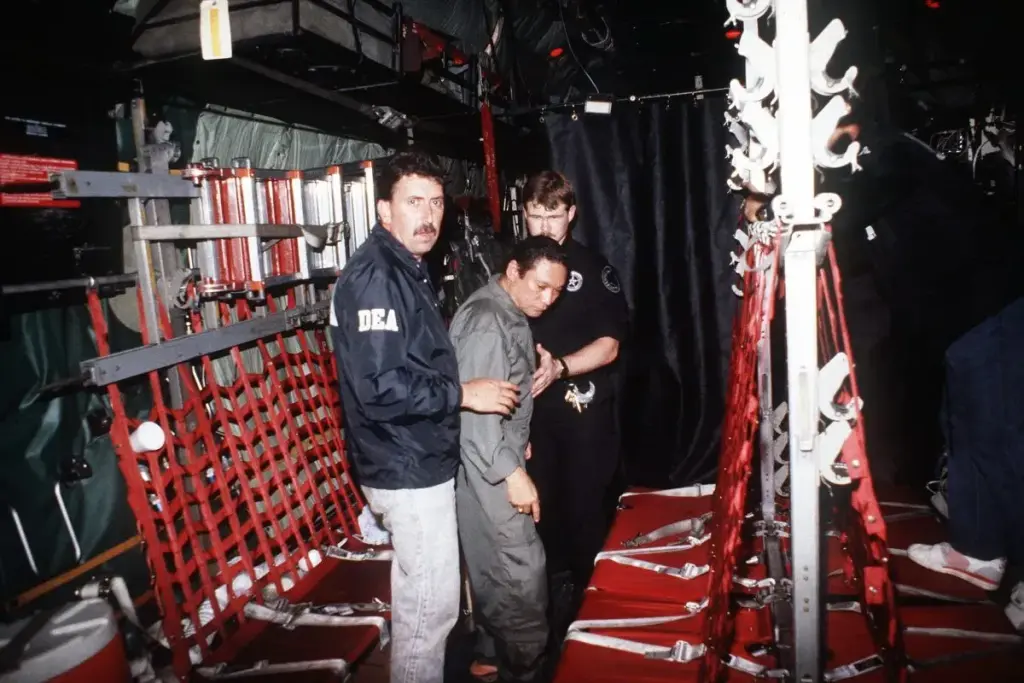
The violence on Via Espana galvanized international attention. The United States Senate passed resolutions condemning the repression. The Organization of American States took notice. The Viernes Negro (Black Friday) Panama became a symbol of resistance, a reminder that even the most brutal dictatorship cannot silence a people determined to be free.
Olimpo Saez, a leader of the Nationalist Republican Liberal Movement, recalled the events on the 30th anniversary in 2017. “We were convinced that only through this pressure could we send a message to the military and to the countries of the world, who were watching the situation in Panama with concern,” he said.
Saez added a poignant observation about the asymmetry of power. “Citizens then, as now, lack weapons. The weapons belonged to the military, who used them against opposition protesters. Homes were violated. Neither age nor sex was respected.”
Edwin Cabrera, then a leader of the Christian Democratic Party, described the repression as so severe “that it seemed like they were at war.”
What Black Friday Means Today
Panama has changed dramatically since 1987. The military was abolished after the 1989 invasion. Democratic elections have been held regularly. The economy has grown. The Panama Canal has been expanded. But the memory of Black Friday endures as a cautionary tale about what happens when power goes unchecked.
Younger Panamanians may not know the details of July 10, 1987. They did not live through the tear gas, the beatings, the midnight arrests. But the lessons of that day remain relevant. Democracy is fragile. Rights can be suspended. The state can turn against its citizens.
The white handkerchiefs that fluttered on Via Espana were symbols of peaceful resistance. They were met with violence. But they were not defeated. The Cruzada Civilista Nacional continued its work. The protests continued. And eventually, the dictatorship fell.
Today, when Panamanians gather to protest corruption, inequality, or abuses of power, they stand on the shoulders of those who marched on July 10, 1987. They carry the same white handkerchiefs. They face the same risks. And they remember.
Black Friday was not Panama’s finest hour. But it was the hour when ordinary people showed extraordinary courage. They did not win that day. But they started a movement that could not be stopped. The dobermans had batons and tear gas. The civilistas had only white cloth and conviction. In the end, conviction won.
Manuel Antonio Noriega died in 2017, a prisoner of his own legacy. The victims of Black Friday live on in Panama’s collective memory. Their wounds have healed. Their stories have not faded. Every July 10, Panamanians remember what happens when a government forgets that it serves the people, not the other way around.
The white handkerchiefs are still waving. They always will be.