


The government of President Jose Raul Mulino has firmly ruled out returning to regulated prices as a tool to manage the cost of living. Instead, officials are betting on a sweeping efficiency overhaul of the supply chain. The announcement came during the rollout of the ambitious “Panama For You” social program.
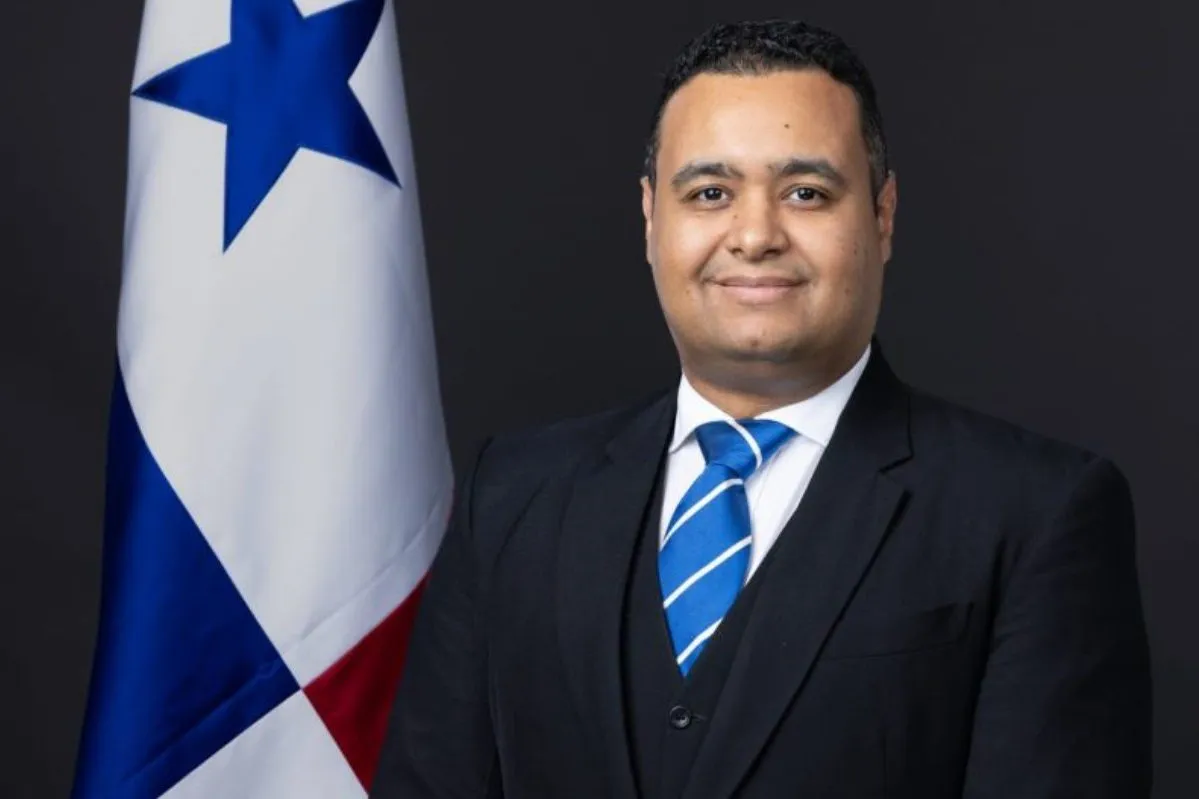
Ramon Abadi, director of the Panama Consumer Protection and Competition Authority, delivered the message with striking clarity. He described price controls as a market distortion that will not return under this administration. “Totally ruled out. Regulated prices are a distortion of the market,” Abadi said. He acknowledged such measures can work as temporary emergency tools but warned against prolonged use. He called Panama’s decade-long experiment with price regulation “disastrous.”

The new approach focuses on four core pillars: employment, water, health, and the basic food basket. Abadi described the plan as ambitious but necessary for the country. “The president of the nation said it in his speech. These are four fundamental pillars on which this plan will be based,” he explained.
‘The truth is that it is a fairly ambitious plan, but one that Panama deserves’ [Translated from Spanish]
Rather than capping prices at stores, the government wants to streamline how goods move from farms to tables. Abadi stressed the need to reduce inefficiencies in transportation and distribution. The goal is to lower costs without government interference in pricing mechanisms.
Current data shows a significant price gap between different types of retailers. The basic food basket costs $303 in supermarkets. But in smaller mini-markets and grocery stores, the same items run about $356.06. That difference hits lower-income families the hardest. Many of these families lack access to larger supermarkets with lower prices.
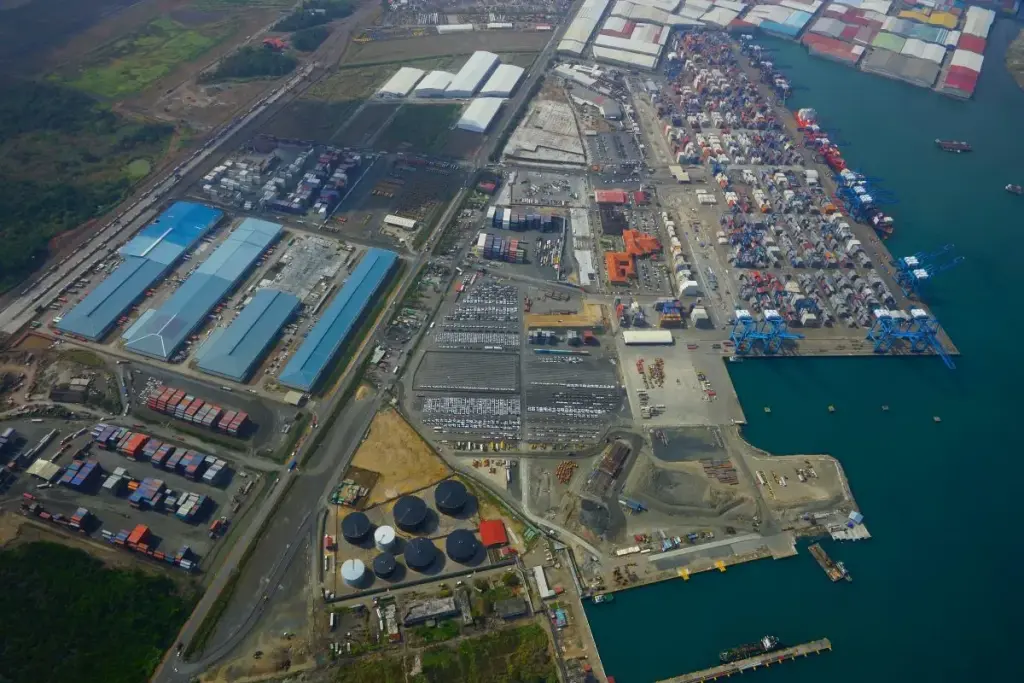
The employment component of the plan draws on recent economic data. Private companies created 77,000 jobs last year. In just the first half of this year, the private sector added more than 17,000 new positions. The government also points to the expansion of the Colon Free Zone, which is expected to generate 2,000 jobs. More than 360 public works projects are currently under construction across the country.
On the health front, the plan aims to make 140 discounted medications available at 500 pharmacies nationwide within months. This would significantly reduce out-of-pocket costs for patients who currently pay full price for essential medicines.
Water infrastructure represents another major priority. Abadi specifically mentioned the eastern ring project in Panama City and new water treatment plants in interior regions. These projects aim to address long-standing water access issues that have plagued communities for years.

The “Panama For You” program is already operational, according to Abadi. Multiple government institutions are working together on implementation.
“We are already working on this plan. All government institutions are working jointly,” he said. He acknowledged the timeline is aggressive but insisted the government will meet its targets. “Do we have ambitious timelines? Yes. Do we have to meet them? Yes.”
This strategy marks a clear departure from previous administrations. Past governments relied heavily on price controls to manage inflation and public discontent. Critics argued those controls discouraged production and created black markets. The current administration believes market efficiency, not government mandates, will deliver better results for consumers.
The plan also reflects broader regional trends. Several Latin American countries have moved away from heavy-handed price controls in recent years. They have instead focused on targeted subsidies and supply chain improvements. Panama’s approach aligns with this shift toward more market-oriented consumer protection policies.
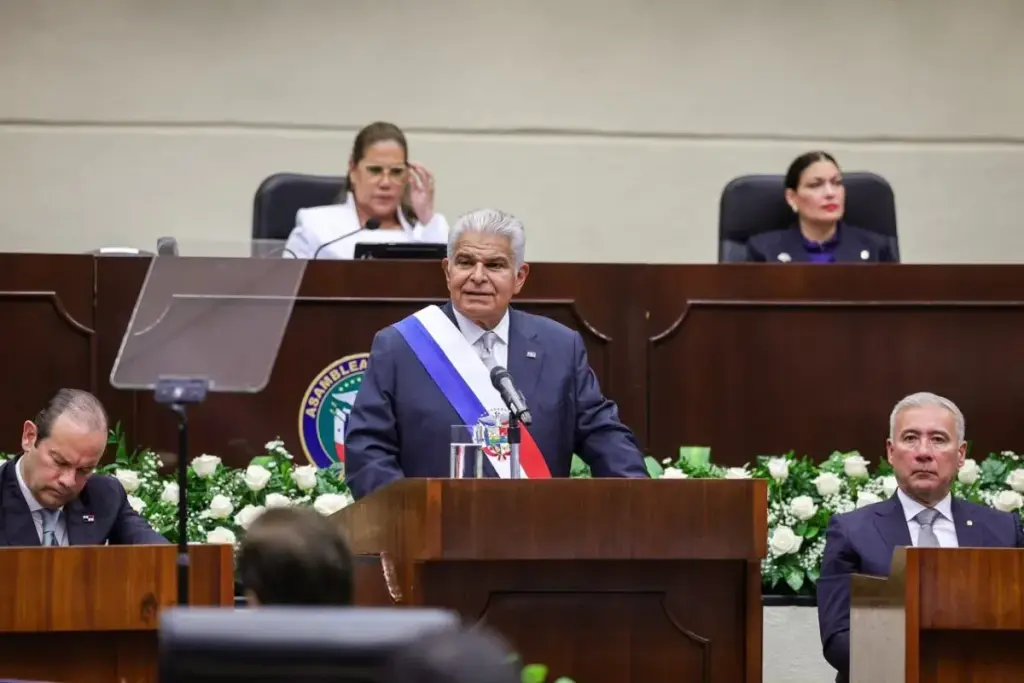
Abadi’s agency will play a central role in monitoring prices and competition. The President Jos Mulino administration has made clear that enforcement, not regulation, will be the primary tool for protecting consumers. The agency will watch for price gouging and anti-competitive behavior without imposing fixed prices.
For ordinary Panamanians, the success of this approach will be measured in their daily shopping bills. The government has set high expectations. Whether the efficiency gains materialize quickly enough to make a difference remains to be seen. But one thing is certain: the era of price controls in Panama has ended, at least for now.