


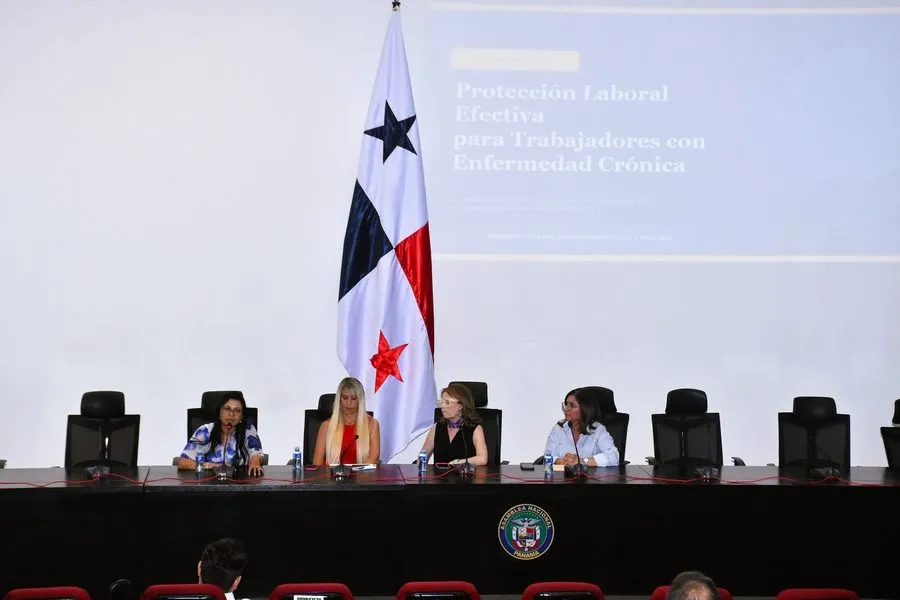
When Michel Despaigne heard the word “cancer” from her doctor, her world shifted. But what followed next at her workplace felt like a second blow. She is one of many Panamanian workers who have faced uncertainty about their jobs while battling serious illness. Now, lawmakers are listening to voices like hers. The National Assembly of Panama hosted a forum to discuss critical gaps in existing protections for employees with chronic diseases.
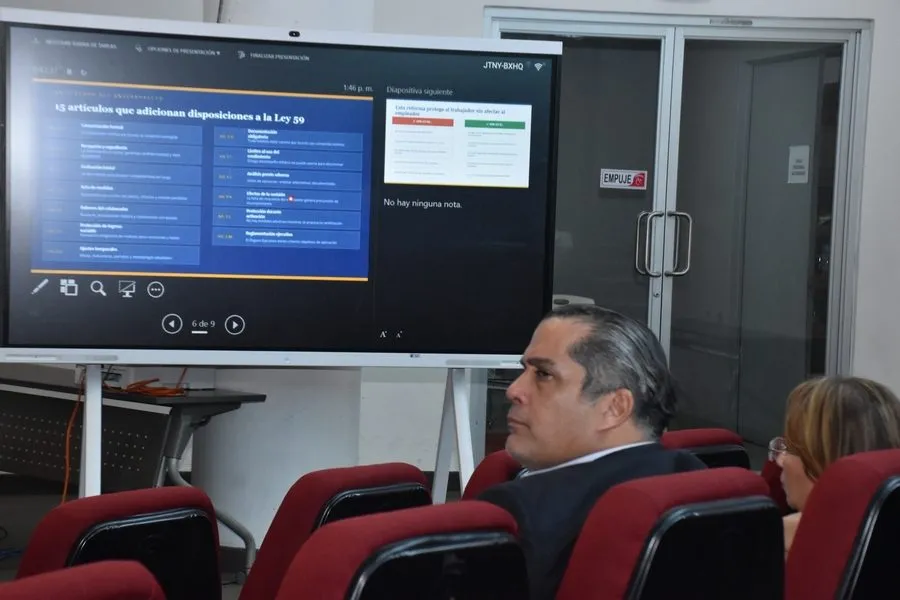
The discussion, organized by the office of Deputy Paulette Thomas, focused on reforming Law 59 on labor protection for workers with chronic diseases. This law, passed in November 2025, was supposed to guarantee job stability for people diagnosed with severe, degenerative, or incapacitating conditions. But early implementation has revealed serious flaws.
Where the Current Law Falls Short
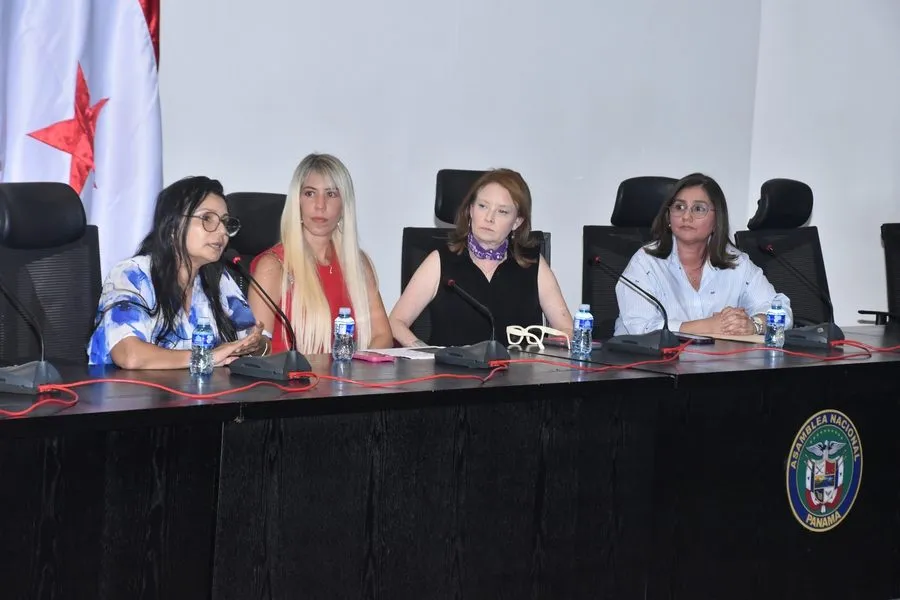
Thomas pointed to a major problem. The law does not clearly protect workers whose pay depends on variable components like commissions, bonuses, or performance incentives. When these employees need time off for medical appointments, surgery, or treatment, their income can drop dramatically. The law simply does not address this reality.
‘The current regulation does not define clear rules or mandatory procedures. We are missing guidelines on how a worker must justify their condition, what minimum documents are required, and what deadlines the employer has to evaluate the case’ [Translated from Spanish]
This legal ambiguity leaves too much room for interpretation. Employers can delay decisions. Workers can lose pay or even their positions while fighting for their health. The system lacks the structure that both employees and companies need to navigate these difficult situations fairly.
Real Stories, Real Gaps
Patients like Despaigne and fellow cancer survivor Louris Higueral shared their workplace experiences during the forum. Their testimonies painted a stark picture of what happens when protections exist on paper but fail in practice. Each described the stress of wondering whether their job would still be there after treatment.
Their input is shaping the proposed reforms. The goal is to close loopholes that allow employers to sidestep their responsibilities. Thomas wants to create a framework where medical necessity does not become a career-ending event. The proposed changes would establish concrete documentation requirements, clear evaluation timelines, and safeguards for workers with variable income structures.
Panama joins a growing global conversation about chronic disease labor protections. Many countries struggle to balance employer flexibility with worker security. The difference often comes down to how specific the rules are. Vague laws tend to fail the people they intend to help.
What Reform Could Look Like
The deputy envisions a system where workers submit standardized medical documentation and employers have a fixed period to respond. No more waiting in limbo. No more losing commissions because a chemotherapy session fell on a sales deadline day. The law would also address what happens when a worker needs extended time off or modified duties upon returning to the job.
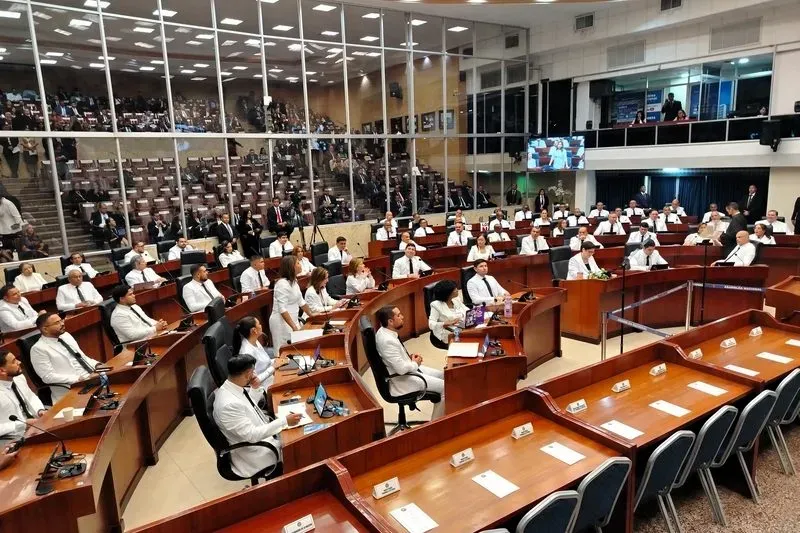
The National Assembly appears ready to take up the issue. The forum marked the beginning of a legislative process that could reshape how Panama treats its most vulnerable workers. For patients like Despaigne, the changes cannot come soon enough.
Panama’s economy depends on a healthy workforce. But health crises do not wait for convenient moments. When a worker gets a devastating diagnosis, the last thing they should worry about is whether their boss will replace them. The proposed reforms aim to ensure that the law protects people when they need it most. And that is a change worth fighting for.