


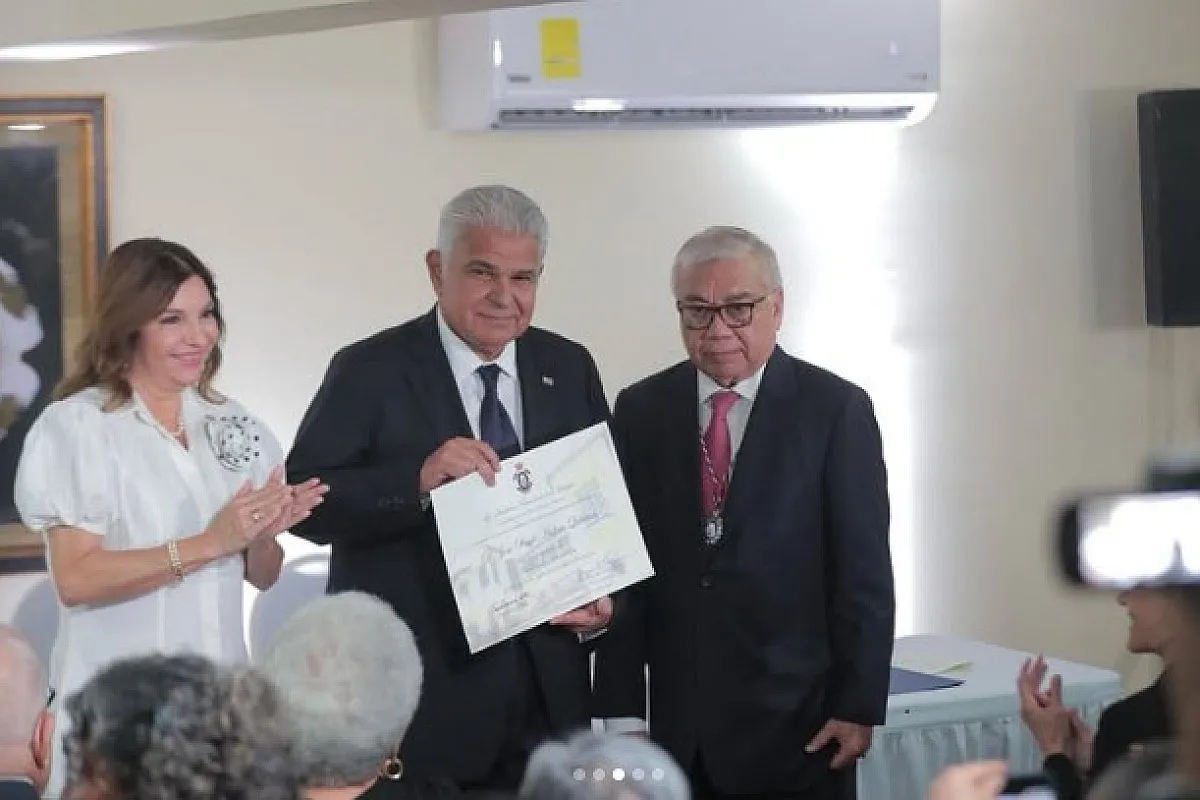
Marking a century of promoting Spanish language and letters, the Panama language academy inducted President José Raúl Mulino as an honorary academician during a formal ceremony that drew cultural leaders, diplomats, and literary figures from across the Americas. The recognition places Mulino among distinguished figures committed to defending and enriching the Spanish language in an era of rapid transformation.
Panama Language Academy Marks a Milestone
The ceremony unfolded as the academy celebrates 100 years since its founding in 1926, a distinction that makes it the first institution of its kind in Latin America. First Lady Maricel Cohen de Mulino accompanied the president at the gathering, which also counted Minister of Culture María Eugenia Herrera among its attendees. Delegates from language academies in Bolivia and Cuba traveled to Panama for the occasion, along with prominent figures from the country’s intellectual and academic circles.
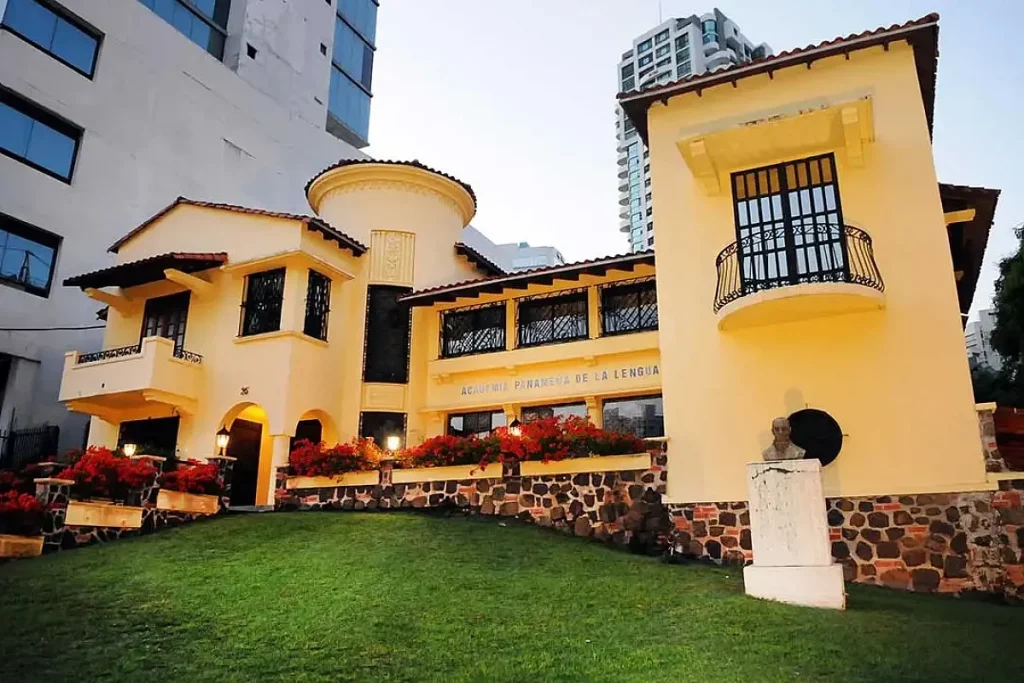
Jorge Eduardo Ritter, director of the Panama language academy, reflected on the institution’s historical legacy and reaffirmed its continuing mission. Ritter described the academy as a cornerstone of cultural preservation that has shaped literary expression and linguistic standards across the region for generations. Under his leadership, the institution has maintained close ties with the Association of Spanish Language Academies, a network of 23 academies that coordinates language policy across the Spanish-speaking world.
The director also confirmed a significant development that places Panama back at the center of the Spanish-speaking world’s major gatherings. Panama previously hosted the International Congress of the Spanish Language in 2013, and its selection for the 2028 edition signals continued confidence in the country’s capacity to convene global cultural events.
Literary Heritage and National Identity
During his remarks, President Mulino traced the academy’s roots through the contributions of notable Panamanian literary figures who have shaped the nation’s cultural landscape. He named Belisario Porras, Octavio Méndez Pereira, Ricardo Miró, Amelia Denis de Icaza, and Rogelio Sinán among the visionaries whose work connected Panama’s literary tradition to broader currents in Spanish-language expression. These figures helped establish the foundation upon which the academy built its century of service.
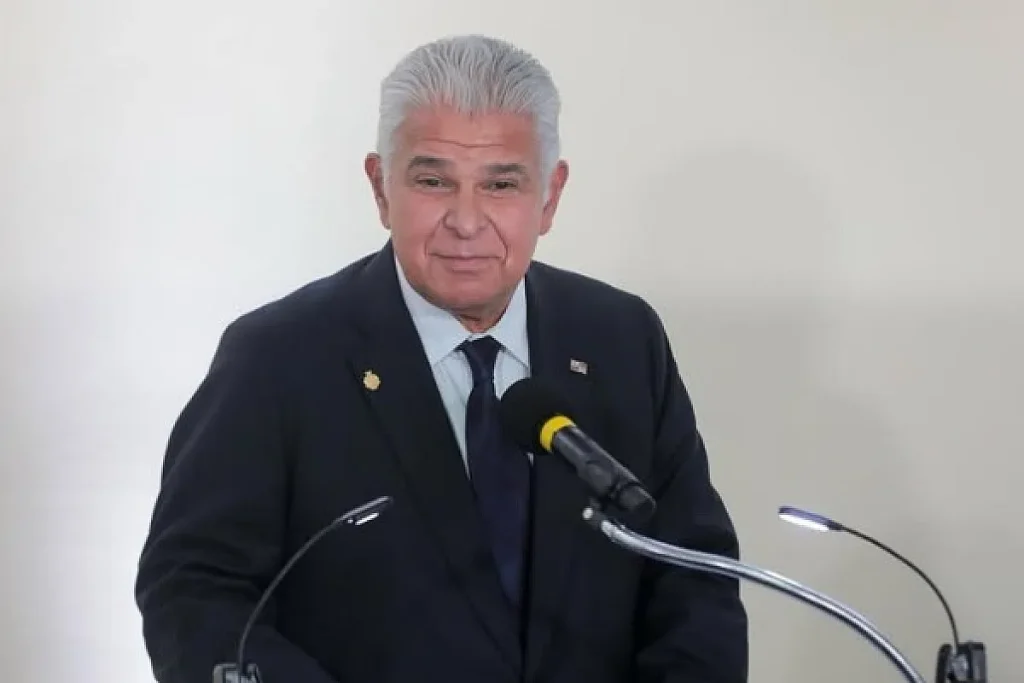
The president spoke about language as something more than a communication tool. He framed it as the backbone of national identity and the mechanism through which societies define their shared values and aspirations. Language, Mulino argued, sets the boundaries of social understanding and enables communities to build collective projects. This philosophical framing gave weight to the evening’s celebration and connected the academy’s historical mission to contemporary challenges.
Digital Age Pressures on Spanish
Mulino did not limit his speech to celebration alone. He issued a pointed warning about the pressures that rapid technological change places on the Spanish language. The rise of digital platforms and artificial intelligence has introduced new patterns of expression that threaten traditional linguistic structures. Mulino described these forces in stark terms, warning of an invasion of slang, foreign terms, and shortened expressions that erode meaningful dialogue.
‘Today language faces challenges and threats where certain technological advances seem determined to cast shadows over our tongue with an invasion of slang, terms, and expressions that appear as mutilators of dialogue’ [Translated from Spanish]
To confront these challenges, the president highlighted the LEIA project, known in full as Lengua Española e Inteligencia Artificial. This initiative focuses on understanding and addressing how artificial intelligence impacts the Spanish language. By promoting research and developing tools that support proper usage, LEIA represents a proactive response to the digital transformation that affects how people communicate across Spanish-speaking nations. The project aligns with broader efforts by language academies worldwide to maintain linguistic standards while adapting to technological realities.
Panama Prepares for Global Language Congress
The centennial celebration carried forward-looking significance as well. Ritter confirmed that Panama will host the XI International Congress of the Spanish Language in 2028, a decision that positions the country as a hub for linguistic and cultural exchange in the Spanish-speaking world. The congress brings together scholars, writers, publishers, and language professionals from across the globe, making it a key important gatherings for the promotion of Spanish.
Hosting the congress builds on Panama’s historical role as a crossroads of cultures and its modern ambition to lead regional conversations about language, technology, and identity. For the Panama language academy, the 2028 congress represents an opportunity to showcase the institution’s century of achievements while shaping the future direction of Spanish language preservation and innovation. The gathering will likely address the same technological challenges Mulino highlighted, creating continuity between the centennial reflection and future action.
In summary, the induction of President Mulino as an honorary academician serves as both a recognition of his support for cultural institutions and a signal of the academy’s determination to remain relevant in a rapidly changing world. As the institution enters its second century, it does so with a clear mandate to protect linguistic heritage while embracing the tools needed to keep Spanish vibrant and resilient for future generations. The road to 2028 offers Panama a unique window to demonstrate leadership in this vital cultural endeavor.