


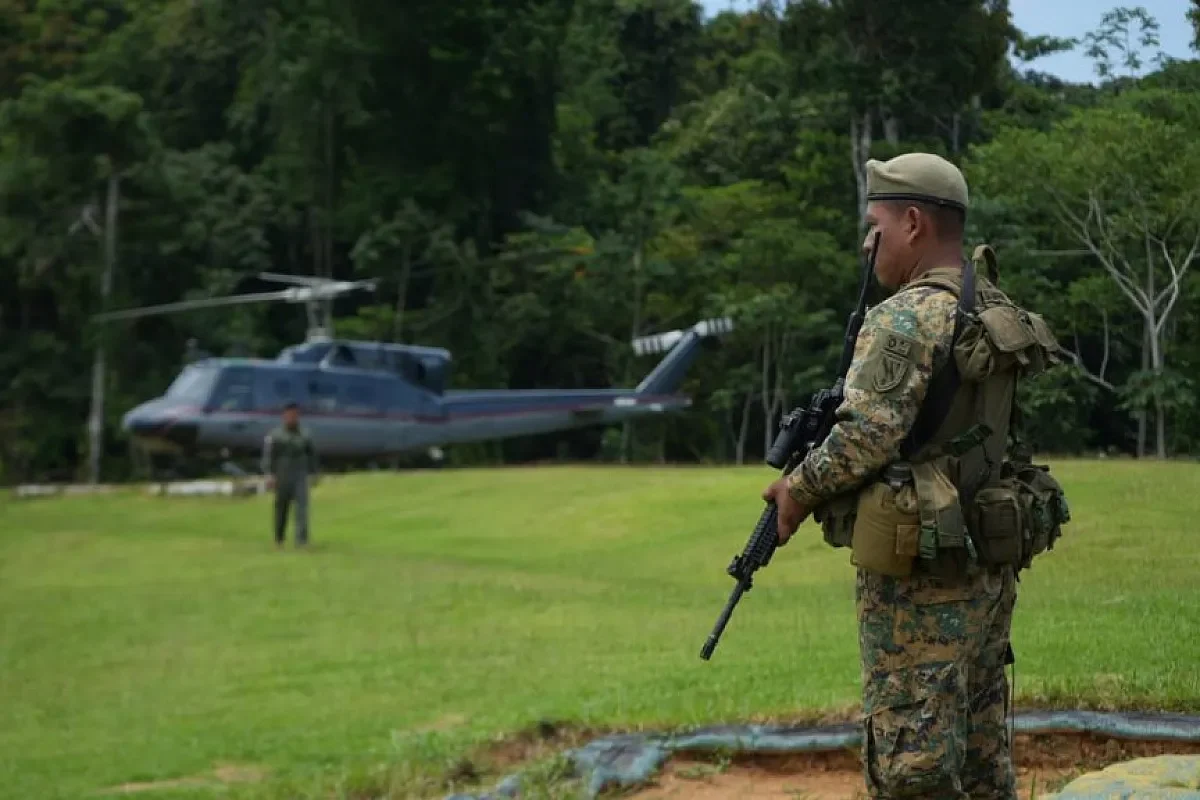
A joint Colombia Panama operation targeting the Gulf Clan left one person dead and 16 detained along the shared border, authorities confirmed Tuesday. The coordinated action struck two separate locations, dismantling an illegal mining site on the Panamanian side and a hideout in Colombia’s Chocó department.
Colombia’s Army and Panama’s National Border Service (Senafront) executed the simultaneous raids against the Gulf Clan, Colombia’s largest criminal organization. The group operates extensively in drug trafficking, illegal mining, and extortion across both countries.
Colombia Panama Operation Targets Gulf Clan Hideout
In a rural area of Riosucio municipality, Chocó, Colombian troops located Gulf Clan members attempting to evade an ongoing military offensive. One member died during the military operation, while three others were captured, according to an Army statement.
Soldiers seized five long-range weapons, a pistol, ammunition magazines, more than 100 rounds of ammunition, telecommunications equipment, and criminal manuals linked to the organized armed group. Forces also destroyed eight improvised explosives and an illegal communications hub at the site.
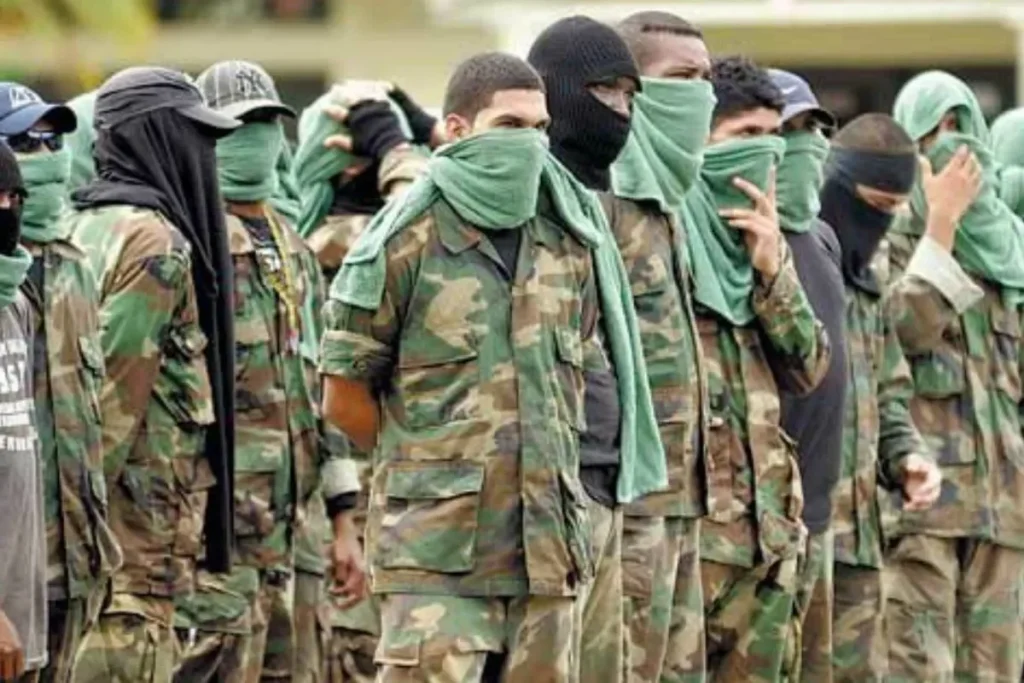
The Gulf Clan, also known as the Gaitanist Self-Defense Forces of Colombia, has expanded its territorial control across northern Colombia and into Panama’s Darién province. Its presence along the porous border region has complicated security efforts for both nations for years.

Illegal Mining Operation Uncovered in Panama
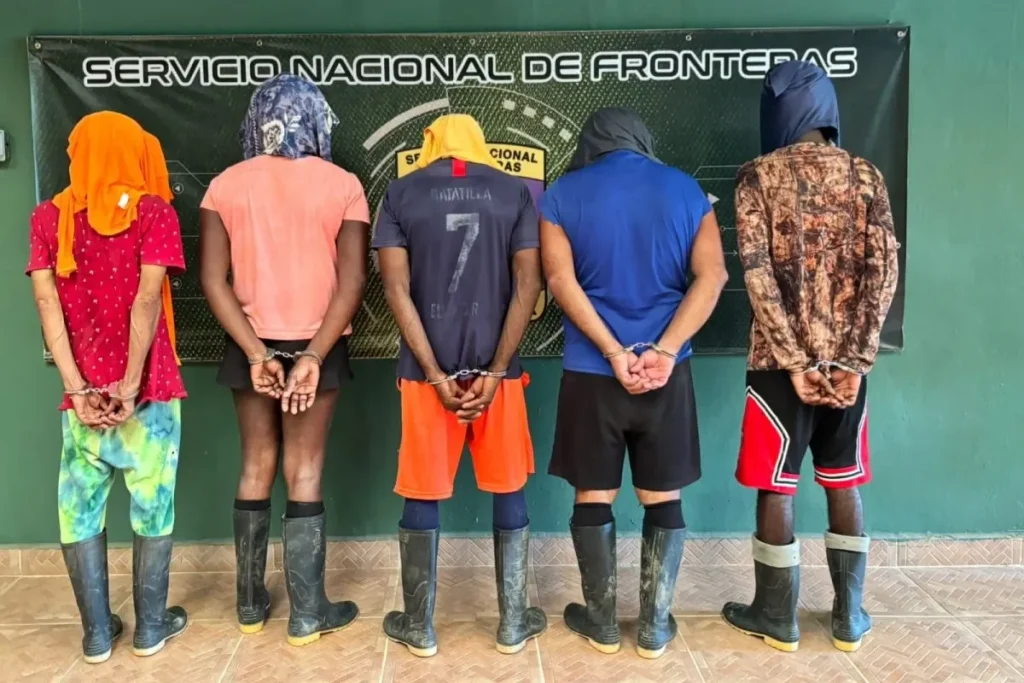
Across the border at Loma Las Banderas, Panamanian authorities discovered 13 Colombian nationals conducting illicit mining activities that caused severe damage to the regional ecosystem. Three of those detained were minors who the Gulf Clan had instrumentalized for illegal operations, the Army reported.
The mining site represents a growing concern for Panamanian officials, who have documented increased environmental destruction in protected areas near the border. Illegal gold mining operations frequently use mercury and heavy machinery, contaminating rivers that flow through indigenous territories and national parks.
Senafront has intensified patrols in recent months as the Gulf Clan consolidates control over smuggling routes and mineral-rich territories along the Colombia-Panama frontier. The group’s involvement in illegal mining provides a revenue stream that rivals its drug trafficking operations.
Cross-Border Security Cooperation Intensifies
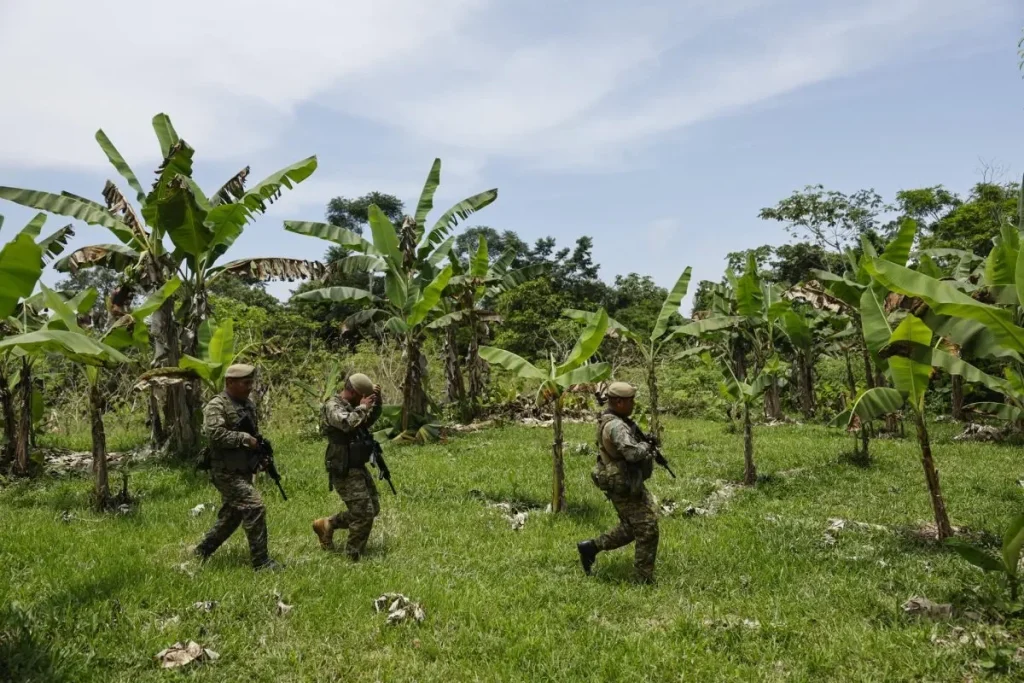
The coordinated operation signals strengthened bilateral security efforts between Bogotá and Panama City. Both governments have faced criticism for failing to control the remote border region, where dense jungle and limited infrastructure allow criminal groups to operate with relative impunity.
The Gulf Clan maintains an estimated 4,000 to 6,000 armed members across Colombia, according to security analysts. Its reach extends into Venezuela, Ecuador, and Central America through cocaine trafficking networks and migrant smuggling operations.
Authorities did not disclose whether the operation resulted from shared intelligence gathered over weeks or months. Neither government released the identities of those killed or detained, citing ongoing investigations.
The use of minors in illegal mining operations highlights the group’s recruitment tactics in impoverished border communities. Children are often forced into dangerous labor extracting gold from riverbeds or processing coca paste in jungle laboratories.
Military officials said operations would continue along the border as both countries work to disrupt the Gulf Clan’s financial networks and territorial control. The destruction of the communications hub and explosives stockpile represents a tactical blow to the group’s operational capacity in the region.