



Thousands of commuters relying on Panama public transport are finding themselves stranded before dawn, as the Metro system‘s 5:00 a.m. start time fails to absorb the heavy demand from workers who begin shifts earlier. At Nuevo Tocumen station, the daily bottleneck now begins well before the first train arrives, creating a secondary informal transport market on the streets below.
The congestion has become a defining feature of the pre-dawn commute, with users reporting that the current schedule simply cannot accommodate the volume of passengers trying to reach jobs across the city. The situation has prompted growing calls for an operational overhaul of the morning schedule.
Panama Public Transport Overwhelmed at Nuevo Tocumen
By 4:45 a.m., the area surrounding Nuevo Tocumen station is already crowded. Passengers gather near bus stops and informal pickup points, hoping to secure a seat on alternative routes before the Metro opens. The station itself becomes a pressure point once gates open, as riders rush to board the first available trains.
One passenger described the scene in stark terms.
“There are many people upstairs at 5 in the morning and down here too” [Translated from Spanish]
She added that starting Metro operations earlier would directly benefit those whose work schedules do not align with the current timetable.

Early Shift Workers Face Daily Logistical Gap
The gap between when workers need to travel and when the Metro actually runs has created a ripple effect. Many users are forced to rely on slower, more expensive, or less reliable alternatives such as taxis, private vans, or informal bus routes. This not just increases commuting costs but also lengthens travel times significantly.
Transportation analysts note that a mismatch between service hours and labor demand is common in rapidly expanding urban centers. But, the concentration of jobs in Panama City’s service and logistics sectors means that a large portion of the workforce is active before standard business hours. The Metro, which operates on a fixed schedule, has not yet adjusted to this reality.
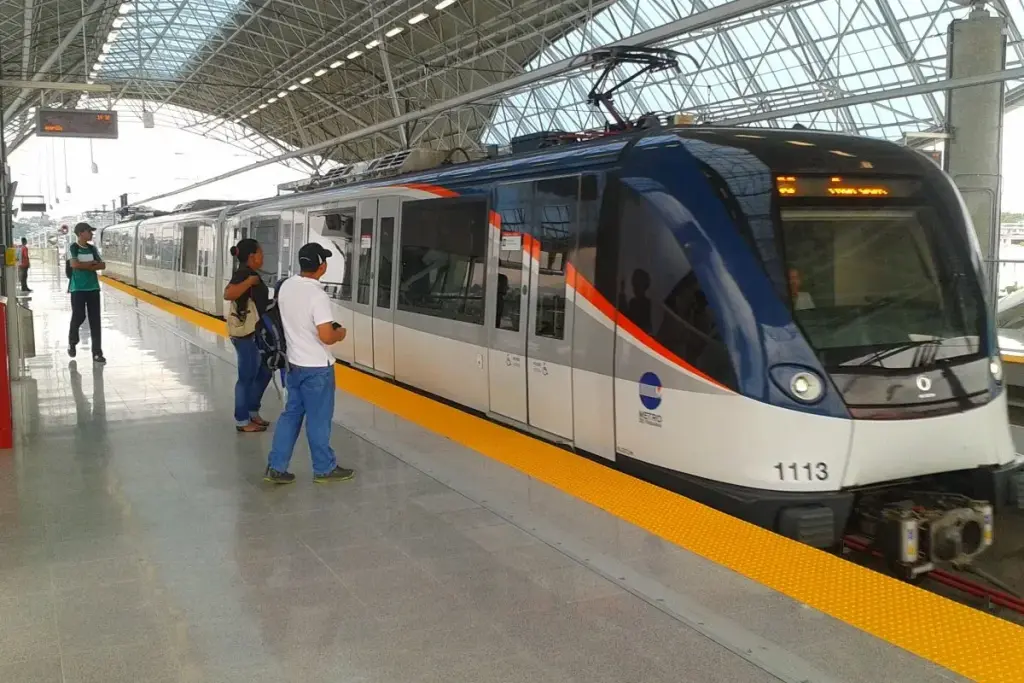
Growing Pressure for Schedule Adjustments
Community feedback indicates that even a 30-minute extension of morning service could relieve significant pressure. Passengers argue that the current start time forces them to choose between arriving late or spending extra money on private transport. The issue is particularly acute for workers in healthcare, construction, and airport-services.
Officials have not announced immediate changes to the operating schedule. But the consistent overcrowding at Nuevo Tocumen suggests that the current model is under strain. As ridership continues to recover and grow, the demand for earlier service is likely to intensify.
Ultimately, the situation at Nuevo Tocumen highlights a broader challenge for Panama public transport. Matching service hours with the actual rhythms of the workforce will be essential to maintaining the system’s reputation and ensuring that early-morning commuters are not left behind.