


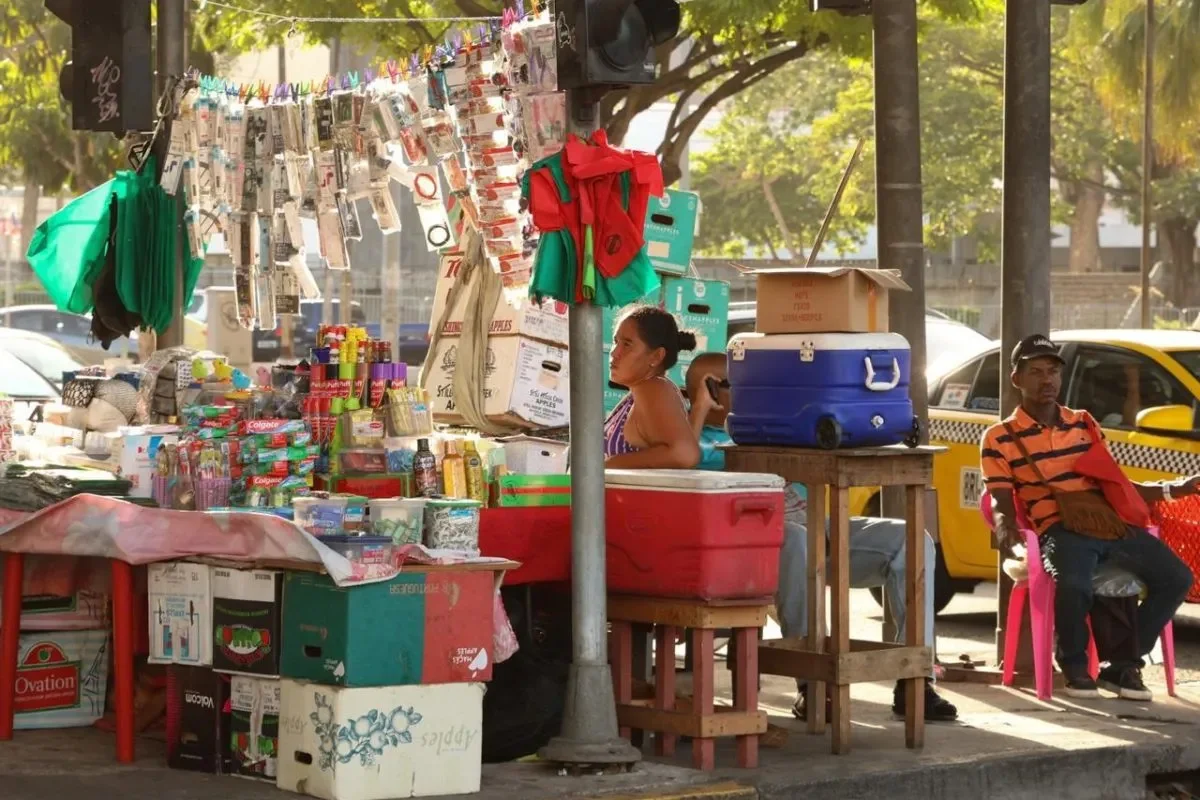
The Arena Foundation has formally requested that Panama’s mayors grant a humanitarian grace period until January for foreign informal workers currently engaged in street vending. The appeal comes as authorities begin enforcing a new regulatory framework designed to reorganize the buhonería sector and reclaim public spaces across the country.
Rafael Rodríguez, representing the organization, made the request public this week, urging local governments to consider the family situations of many foreign vendors who lack formal employment options. The measure would provide temporary relief while those affected search for alternative work or transition into other economic activities.
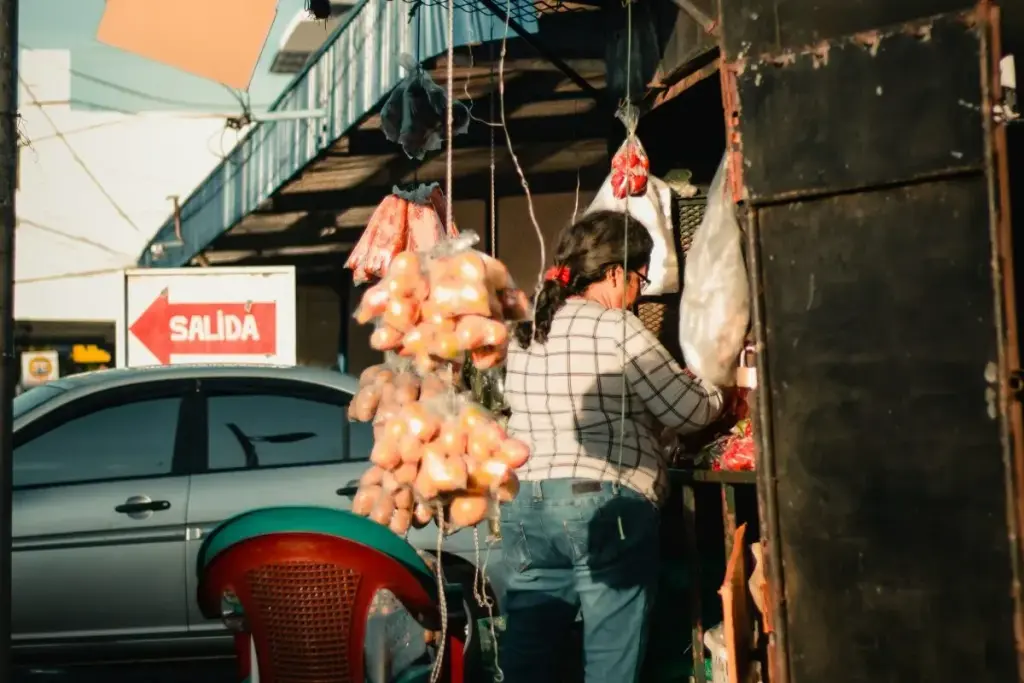
Humanitarian Appeal for Foreign Informal Workers
Rodríguez emphasized that many foreign nationals turned to informal vending out of necessity, citing significant barriers to securing formal employment. In numerous households, these street sales represent the primary source of income. The foundation’s proposal specifically highlights cases where vendors have Panamanian spouses or children and depend entirely on daily sales to support their families.
‘If they can be given an opportunity until January to at least finish or relocate to another type of work, it would be a great pleasure for us’ [Translated from Spanish]
The request acknowledges the legal reality of the new law while appealing for compassion during the transition period. Arena’s position reflects growing concern about the immediate economic impact on mixed-nationality families who may face sudden income loss.
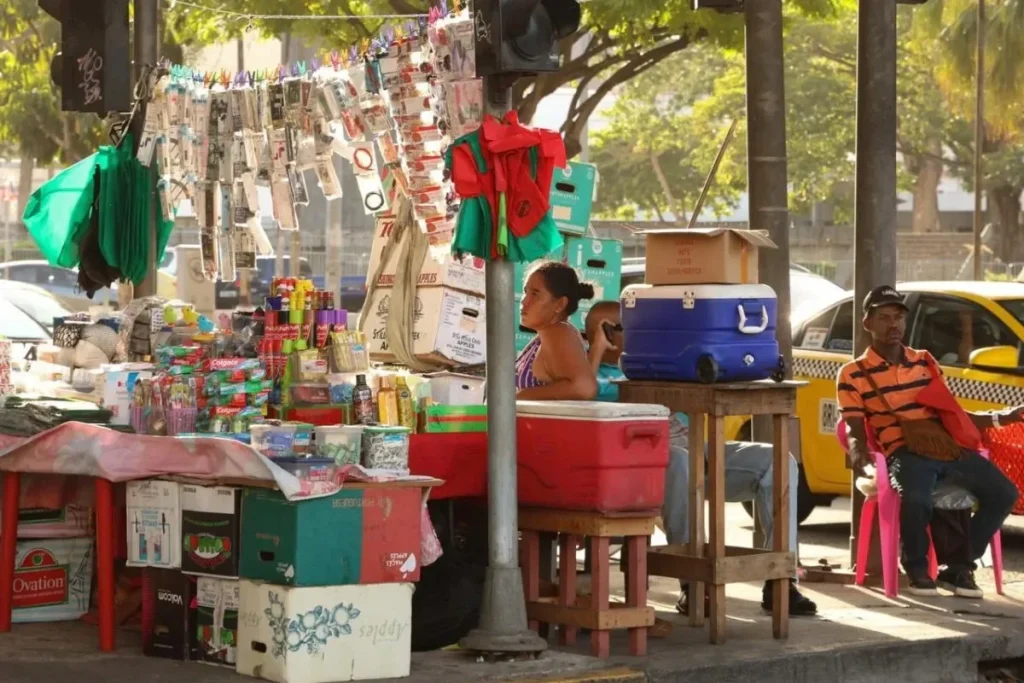
Panama’s Buhonería Law and Enforcement Timeline
The new buhonería legislation establishes clear provisions for reorganizing street vending operations nationwide. Its primary objectives include recovering public spaces, formalizing commercial activity, and creating a structured framework for authorized vendors. The law’s entry into force has triggered implementation measures across municipalities.
The Arena Foundation supports the law’s broader goals but argues that abrupt enforcement could create unnecessary hardship. The proposed January deadline would allow affected vendors to liquidate inventory, explore formal employment opportunities, or register for alternative permits where available.

Economic Pressures Facing Mixed-Status Households
Rodríguez detailed specific cases where foreign vendors have exhausted job search efforts without success, leaving informal commerce as their only viable income source. These situations become particularly acute in households where one partner lacks work authorization or faces administrative delays in obtaining documentation.
The foundation’s request focuses on practical implementation rather than challenging the law itself. Municipal authorities now face the task of balancing legal compliance with social considerations, particularly in communities where street vending has long served as an economic safety net for vulnerable populations.
The coming weeks will reveal whether local governments adopt the proposed January timeline or proceed with immediate enforcement measures under the new regulatory framework.