


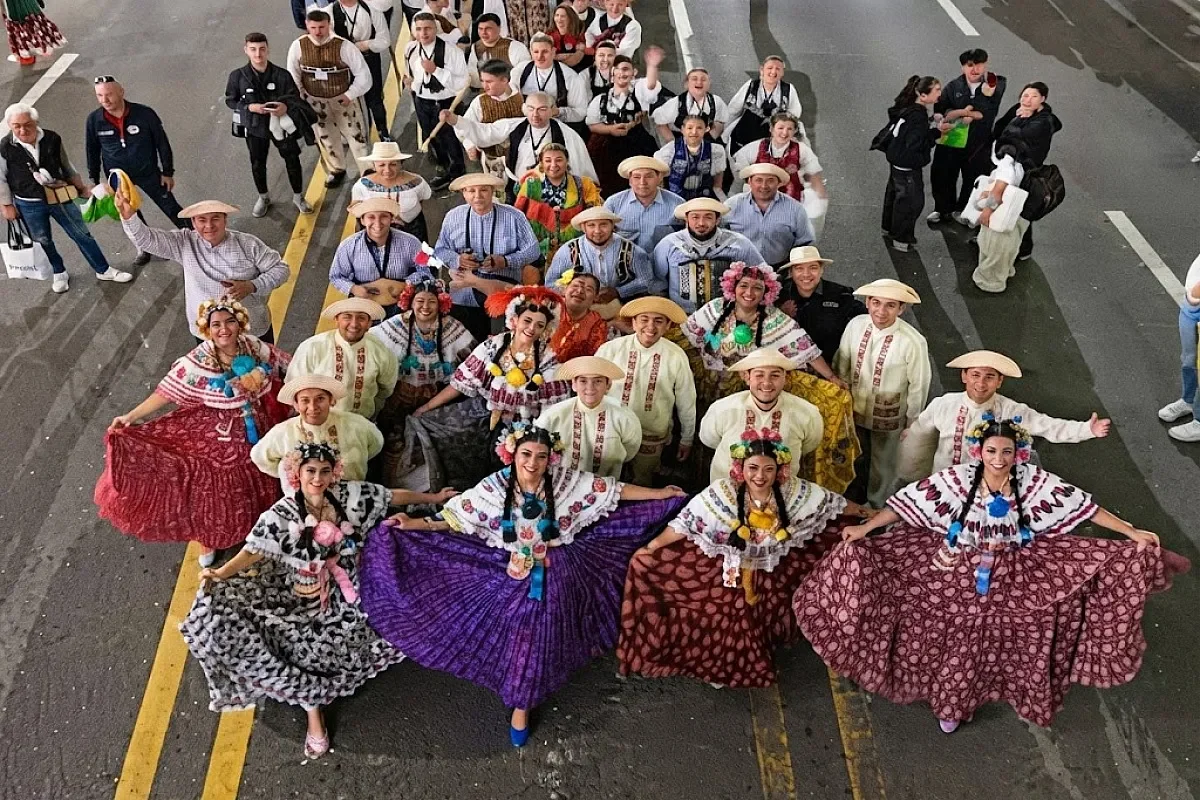
Panama made its historic first appearance at the Cheonan World Dance Festival 2026 in South Korea on Sunday, marking the country’s debut in one of Asia’s most prestigious international folk dance competitions. A Panamanian folk ensemble took the stage before thousands of spectators and an international jury, presenting traditional dances that showcased the nation’s cultural heritage on a global platform.
The performance featured the tamborito and cumbia, two cornerstone rhythms of Panamanian folklore, alongside dancers wearing the iconic pollera dress. Delegations from dozens of countries attended the festival, and the Panamanian presentation drew immediate attention for its distinctive choreography and vibrant costumes.
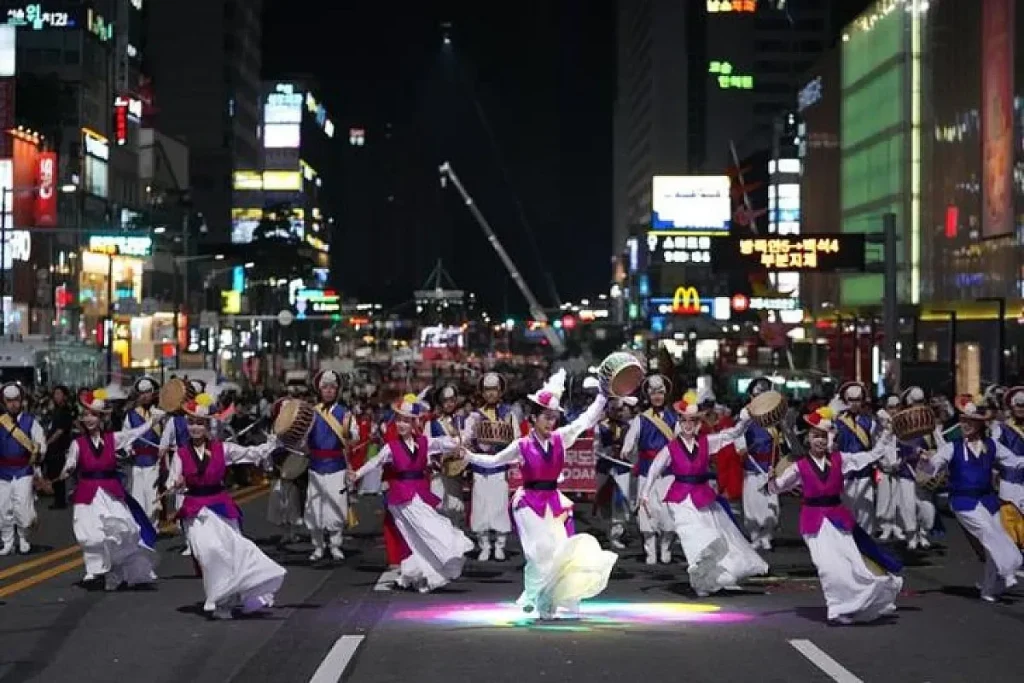
Cheonan World Dance Festival Welcomes Panamanian Folklore
The Cheonan World Dance Festival, held annually in Cheonan, South Korea, gathers folk dance troupes from across the globe to celebrate traditional performance arts. Panama’s participation in the 2026 edition represents a significant step for the Central American nation, which has sought to expand its cultural diplomacy footprint in the Asia-Pacific region.
Organizers confirmed that this was the first time a Panamanian delegation had been invited to the event. The ensemble’s selection followed months of preparation and coordination between cultural institutions in Panama and festival organizers in South Korea. The dancers performed multiple sets, each highlighting different regional traditions from across the isthmus.
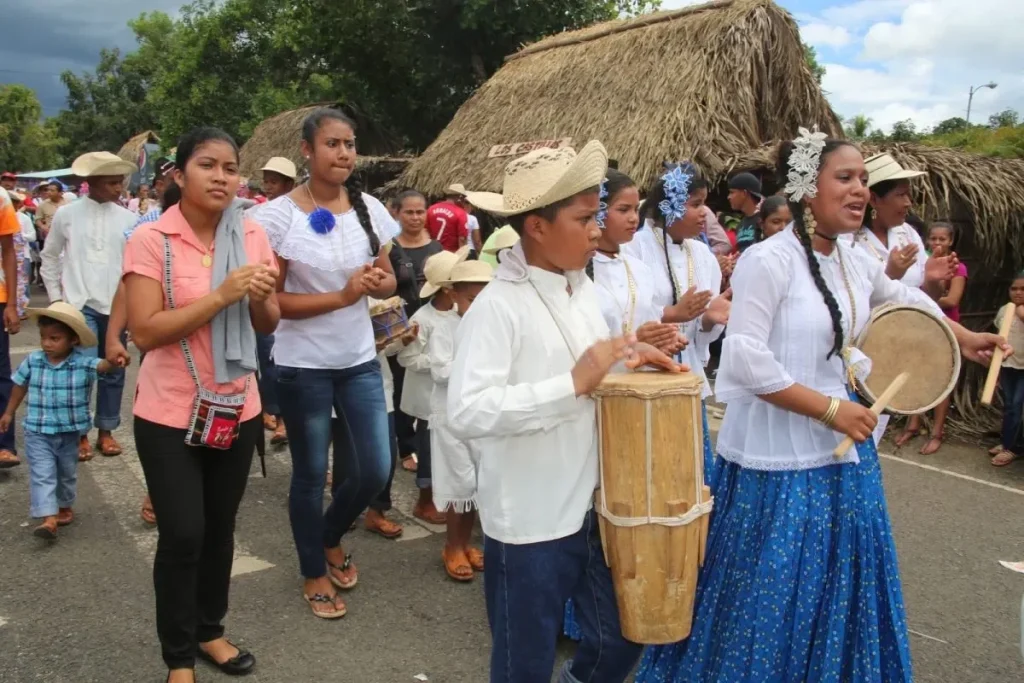
Tamborito and Cumbia Captivate International Audiences
The Panamanian repertoire centered on the tamborito, a call-and-response dance accompanied by drums and clapping that dates back centuries, and the cumbia, a rhythm shared across Latin America but with distinctly Panamanian variations. Female dancers wore hand-embroidered polleras, the national dress of Panama, which feature intricate floral designs and can take months to create.
“The delegations from dozens of countries were amazed to see the women in polleras and the skill of the dancers, who demonstrated that the Panamanian spirit knows no borders” [Translated from Spanish]
Audience members and fellow performers observed the Panamanian presentation with visible interest, according to attendees. The contrast between Panamanian movements and those of Asian and European troupes highlighted the diversity of the festival’s programming. The jury evaluated each delegation on authenticity, technical execution, and stage presence.
#ShowCri iQué orgullo de patria, mi gente! Por primera vez en la historia, la cultura panameña pisó con fuerza los escenarios del Cheonan World Dance Festival 2026 en Corea del Sur, dejando la bandera nacional en lo más alto del folclore internacional. https://t.co/PQES84ATIx https://t.co/YVENGwbPdJ
— Diario Critica.Pa (@criticaenlinea) October 4, 2026
Cultural Diplomacy and Global Recognition
Panama’s debut at the Cheonan World Dance Festival carries implications beyond the stage. The appearance positions the country within a global circuit of folk arts festivals that includes events in Europe, Asia, and the Americas. Cultural officials view such platforms as essential for promoting tourism and strengthening international ties.
The performance also validated Panama’s identity as a cultural bridge, a role the country has historically played due to its geographic position and the Panama Canal. Presenting traditional music and dance in South Korea introduced audiences to a side of Panama often overshadowed by its logistical and financial sectors.
The Panamanian ensemble returns home with the distinction of having opened a new chapter for the country’s folk arts on the Asian festival circuit. Whether the invitation leads to future participation in Cheonan or other international dance events remains to be seen, but the debut itself marks a milestone for Panamanian cultural expression abroad.