


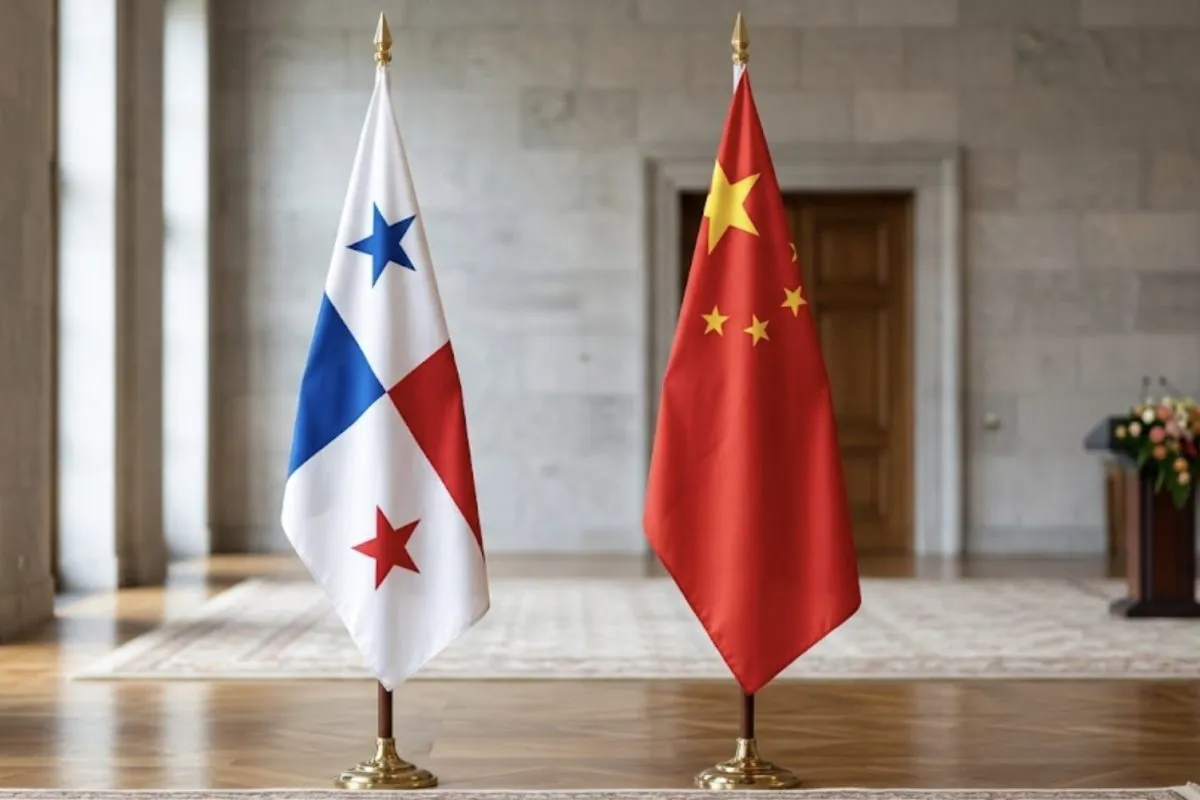
Panama’s government has reached a consensus with Beijing to renew a bilateral maritime transport agreement, a development that could ease tensions following Chinese port detentions of Panamanian-flagged vessels. President José Raúl Mulino confirmed the progress Tuesday during a visit to Vietnam, where he addressed shipping industry leaders.
The renewal process began in July 2026 and now awaits internal consultations by Chinese authorities. Mulino expressed confidence the accord would take effect soon, signaling a potential stabilization in Panama China relations after months of uncertainty for the world’s largest ship registry.
Detentions and Diplomatic Response Shape Panama – China Relations
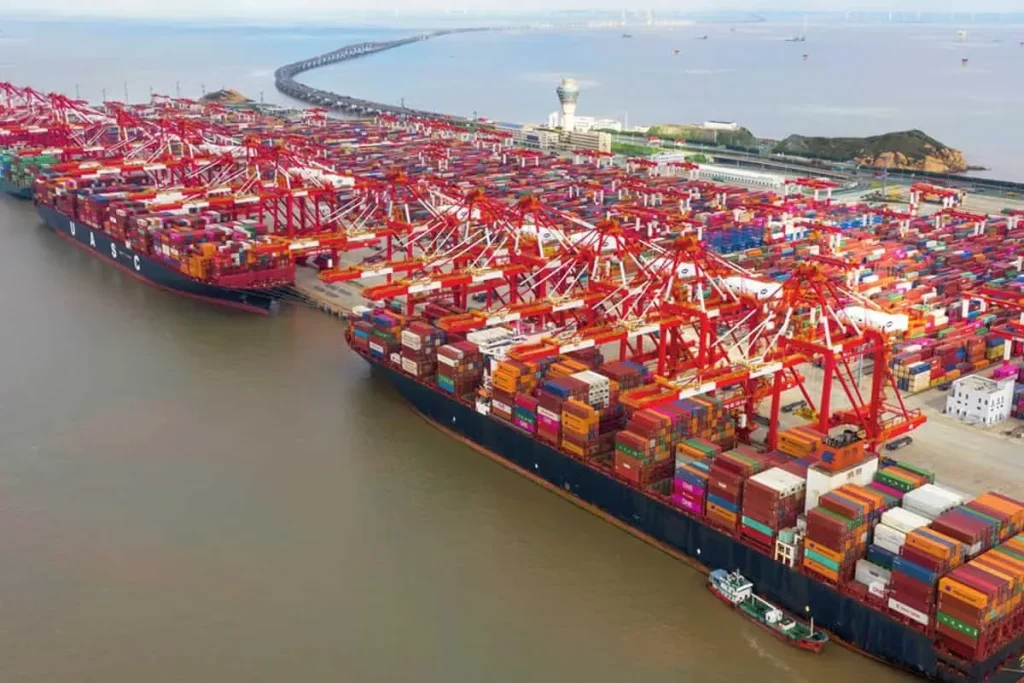
Chinese authorities detained multiple Panamanian-flagged ships at Chinese ports earlier this year, prompting concern across the global maritime sector. Panama addressed the situation through direct dialogue with Beijing rather than public confrontation, Mulino said, and conditions have improved considerably.
“Today I can tell you that we have advanced. The situation has improved considerably and we are optimistic about the road ahead,” Mulino said. [Translated from Spanish]
The maritime transport agreement governs conditions for Panamanian vessels operating in Chinese ports. Its renewal carries particular weight because Panama maintains the world’s largest ship registry, with thousands of vessels relying on access to Chinese trade routes.
Vietnam Emerges as Strategic Maritime Partner
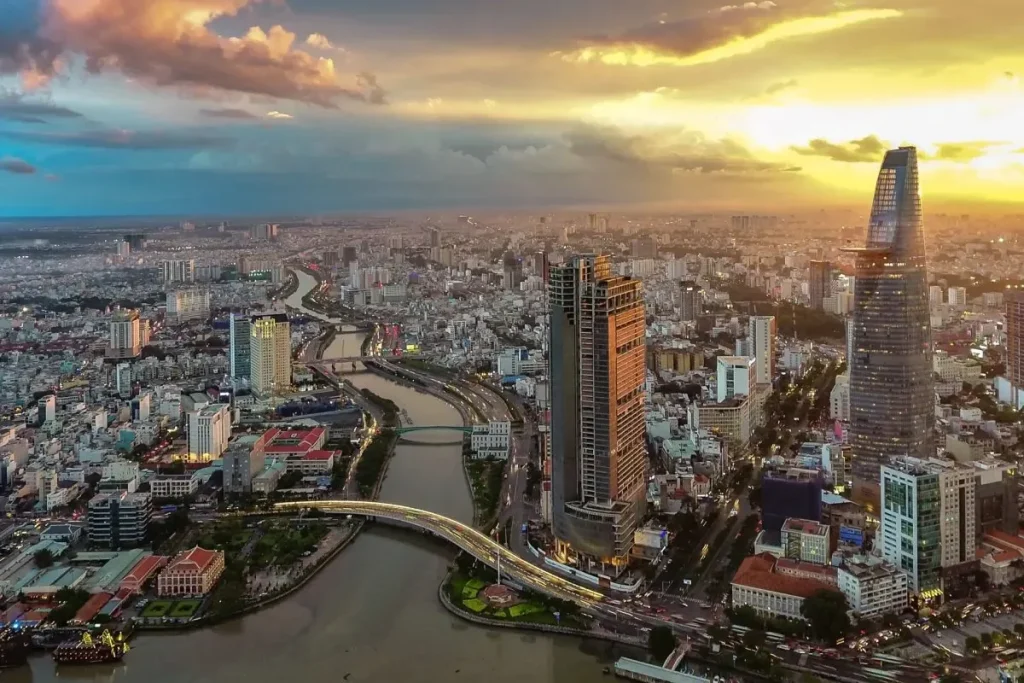
Mulino’s remarks came during his first official activity in Vietnam, a meeting with more than 47 shipping and maritime services companies. The gathering, titled “An Ocean of Opportunities,” underscored Vietnam’s growing importance to Panama’s maritime sector.
Vietnam ranks as the sixth-largest user of Panama’s ship registry with 325 vessels flying the Panamanian flag. The country also holds the 17th position among Canal users. More than 25,000 Vietnamese seafarers currently work aboard Panamanian-flagged ships, representing the sixth-largest national contingent within the fleet.
“This structure allows us to accompany our clients around the world with flagging services, technical documentation, licensing for seafarers and assistance to ships that form part of our fleet. Our Vietnamese clients have that backing,” Mulino stated. [Translated from Spanish]
Panama Maritime Authority Expands Regional Footprint
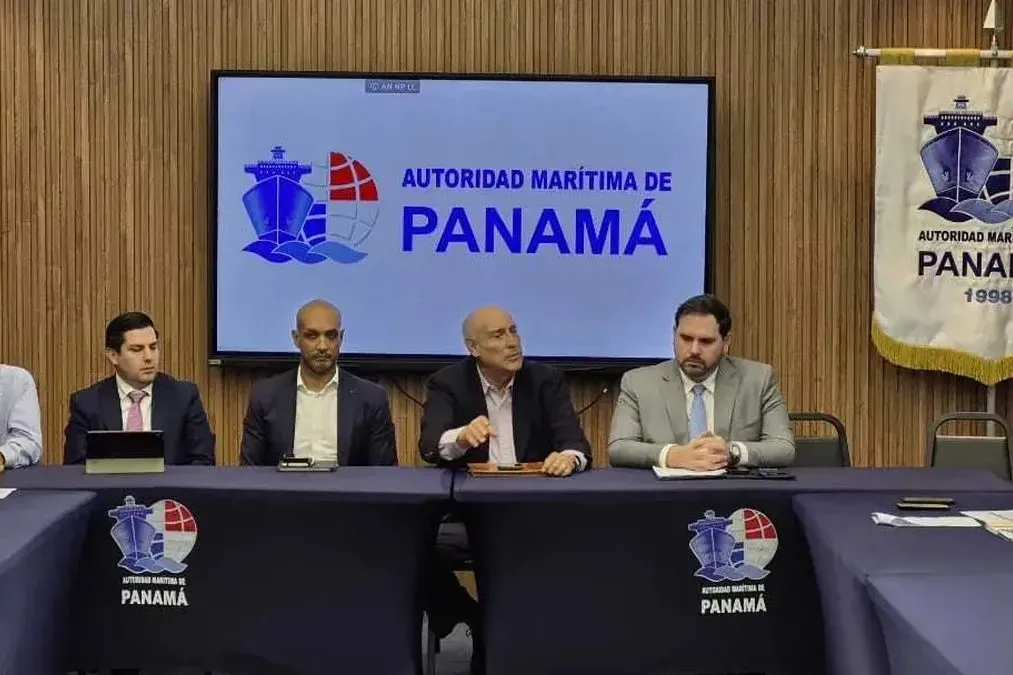
To strengthen client services in Southeast Asia, Panama announced that SEGUMAR, a technical service division of the Panama Maritime Authority, will establish an office at the Merchant Marine consulate in Ho Chi Minh City. The government also evaluates opening a regional AMP office at the same location.
The expansion aims to reduce response times and provide closer assistance to Vietnamese ship owners and crews. Panama operates a network of Merchant Marine consulates, technical offices, and regional bureaus globally to support its registry operations.
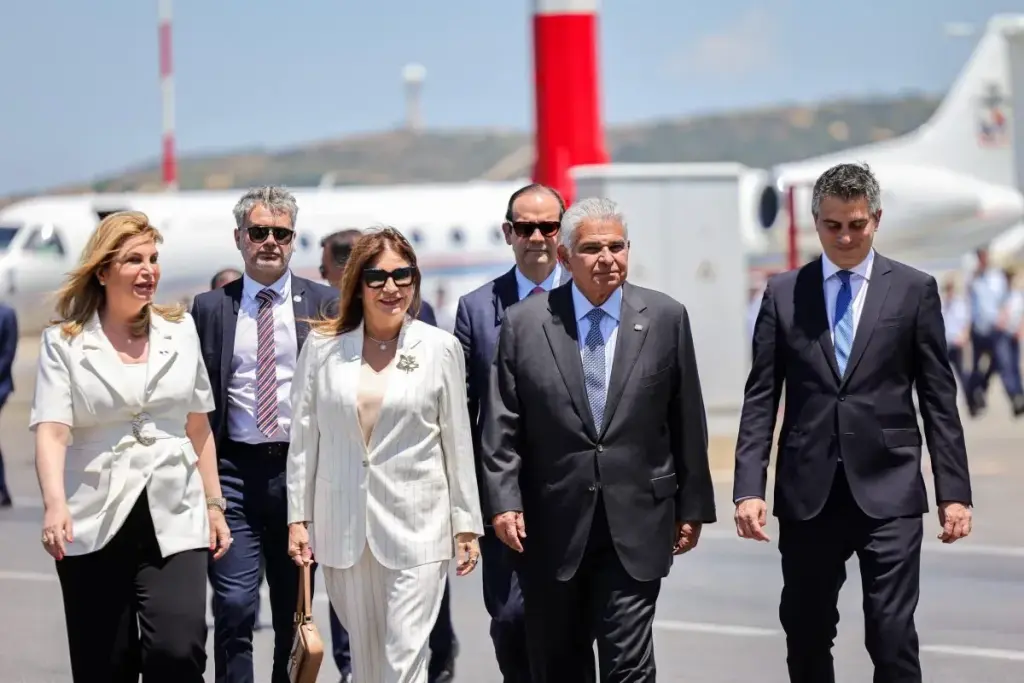
Mulino emphasized the Canal’s role in fostering port development, logistics zones, warehousing, insurance, and other trade-sectors. He reiterated Panama’s commitment to open and predictable international maritime commerce, calling for the preservation of navigation freedom and unhindered legitimate maritime activities.
The president’s Vietnam visit, which included nine bilateral cooperation agreements, reflects Panama’s broader strategy to diversify maritime partnerships while managing its relationship with China. The pending maritime accord with Beijing remains a central piece of that diplomatic balancing act.